How to Make a Curd Hair Mask for Luscious Locks

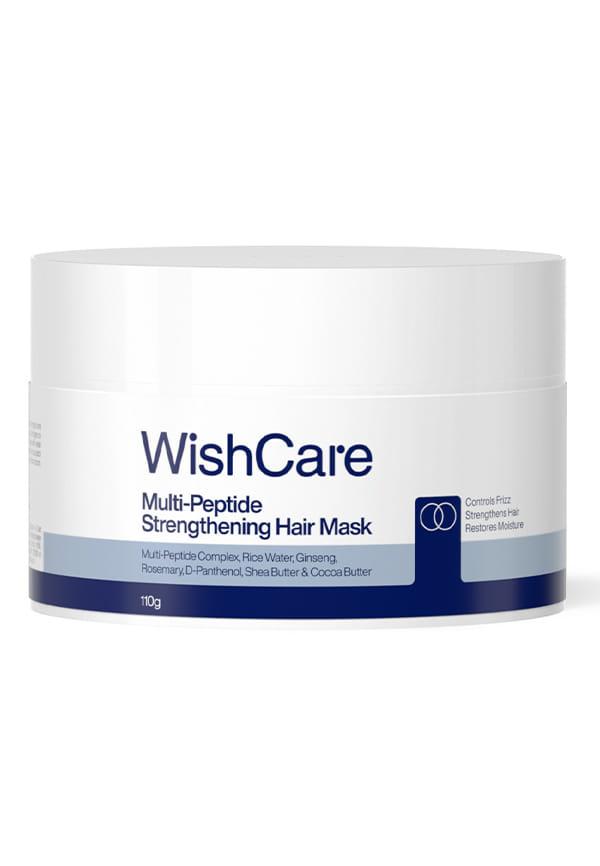
Multi-Peptide Strengthening Hair Mask
Good Smell, Worth Money
 5
5“It smells tooo good and worth for money”
Nice, Strengthens Hair Roots
5“it very nice and strengthen the roots of hair”
Nice, Strengthens Hair Roots
5“it very nice and strengthen the roots of hair”
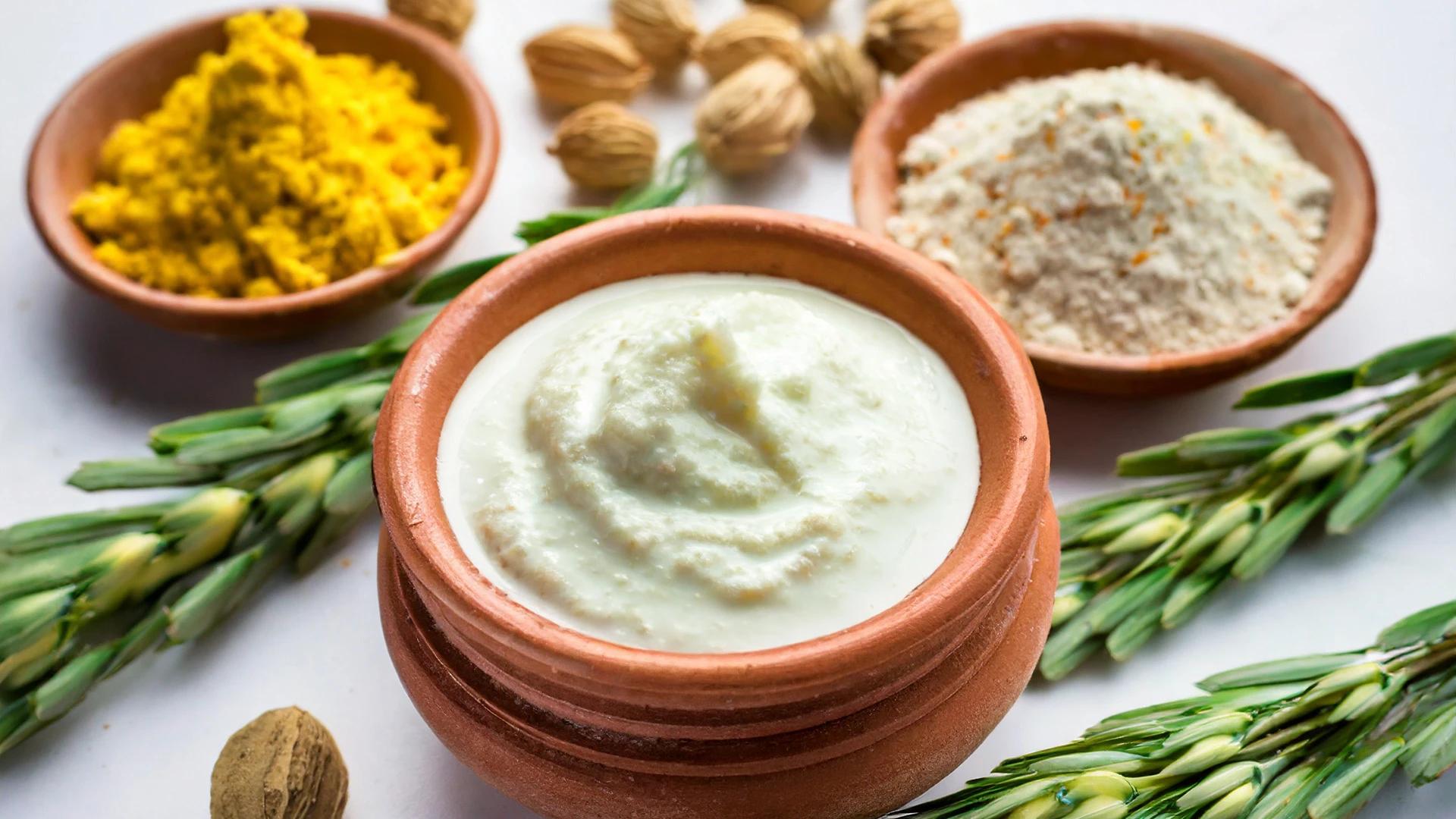
Your hair deserves more than just basic shampoo and conditioner, doesn't it? If you've been scrolling through endless haircare products wondering which one might actually work, let's talk about something that's probably sitting in your fridge right now. A hair mask with curd might sound too simple to be effective, but this humble kitchen staple has been transforming hair for centuries. Rich in proteins, vitamins, and natural fats, curd offers everything your hair craves—moisture, strength, and that enviable shine. Ready to discover why this natural hair mask could be your hair's new best friend?
Before we dive into recipes, let's get real about why curd actually works. It's not just another internet trend—there's proper science backing these curd hair mask benefits.
Curd is basically a protein-packed treat for your hair. It contains casein and whey proteins that help repair damaged hair cuticles and strengthen weak strands from within. The lactic acid acts as a gentle exfoliant, removing buildup whilst balancing your scalp's pH levels.
Your hair gets a vitamin boost with B5 (pantothenic acid), B12, and riboflavin. These aren't just fancy names—they genuinely support hair growth and maintain healthy follicles. Plus, the natural fats in curd create a protective barrier that locks in moisture.
The lactic acid in curd is like a gentle reset button for your scalp. It removes dead skin cells and product buildup without being harsh, creating the perfect environment for healthy hair growth. Think of it as a spa day for your scalp.
Let's start with the fundamentals. Making a homemade hair mask with curd is surprisingly straightforward, but getting the technique right makes all the difference.
Fresh, plain curd works best—avoid anything flavoured or with added sugars. You'll also want a mixing bowl, application brush (or your hands), and a shower cap or old towel.
Mix one cup of fresh curd with two tablespoons of honey. The honey adds extra moisture and helps the mixture stick better to your hair. Whisk until smooth—no lumps allowed!
Start with damp (not soaking) hair. Section your hair and apply from roots to tips, focusing extra attention on the ends where damage usually lurks. Massage gently into your scalp for better circulation, then cover with a shower cap. Leave it on for 20-30 minutes—enough time for the nutrients to penetrate without overdoing it.
Now for the fun part—customising your diy hair mask for hair growth based on what your hair actually needs. These recipes target specific concerns whilst delivering those gorgeous, healthy-looking results.
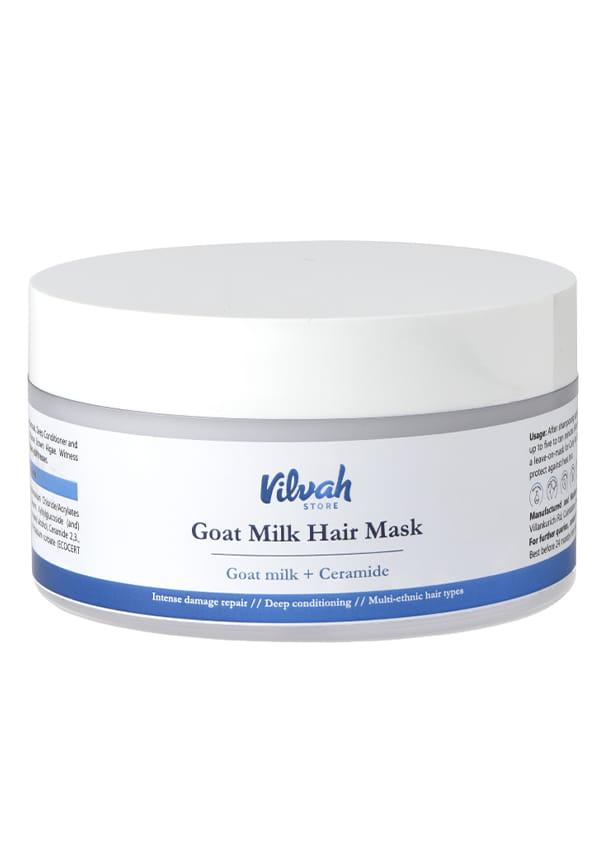
Goat Milk Hair Mask
Effective for Dry Hair
5“I have been repurchasing it. very effective for dry hair.”
Curd + Honey + Coconut Oil: This hair mask for dry hair is like a drink of water for parched strands. Mix half a cup of curd, two tablespoons of honey, and one tablespoon of melted coconut oil. The coconut oil penetrates the hair shaft whilst curd and honey seal in moisture.
Curd + Egg + Olive Oil: This protein-rich hair mask for damaged hair helps rebuild weakened strands. Whisk one egg with half a cup of curd and a tablespoon of olive oil. The egg provides additional protein whilst olive oil adds shine and flexibility.
Curd + Fenugreek + Aloe Vera: Soak two tablespoons of fenugreek seeds overnight, blend with half a cup of curd and two tablespoons of fresh aloe vera gel. This combination stimulates blood circulation and nourishes follicles.
Curd + Lemon + Amla: This hair mask for shine balances oil production whilst adding luminosity. Mix half a cup of curd with juice of half a lemon and two tablespoons of amla powder. Perfect for those dealing with greasy roots but dry ends.
Curd + Banana + Avocado: This hair conditioning mask is intensive care for severely damaged hair. Mash one ripe banana and half an avocado, mix with half a cup of curd. The natural oils and vitamins create a deeply nourishing treatment.
Curd + Mayonnaise + Honey: Sounds odd, but this combination tames unruly hair beautifully. Mix equal parts curd and mayonnaise with a tablespoon of honey for smooth, manageable locks.
Curd + Tea Tree Oil + Yogurt: This yogurt hair treatment addresses scalp issues whilst conditioning hair. Mix half a cup each of curd and plain yogurt with 3-4 drops of tea tree oil for a clarifying treatment.
Getting the application right can make or break your natural hair mask experience. Here's how to level up your technique for salon-worthy results at home.
Start with slightly damp hair—not dripping wet, not bone dry. This helps the mask distribute evenly and penetrate better. If your hair is particularly dirty or has product buildup, do a gentle cleanse first.
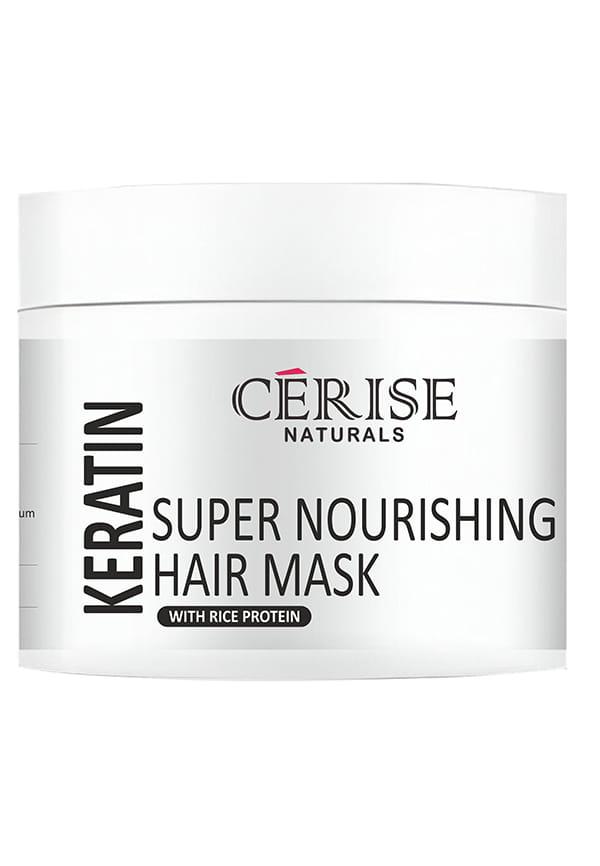
Keratin Super Nourishing Hair Mask
Divide your hair into four sections: two at the front, two at the back. This ensures even coverage and prevents you from missing spots. Work through each section methodically, applying from roots to tips.
Don't just slap it on and wait. Spend 2-3 minutes gently massaging the mask into your scalp using circular motions. This stimulates blood flow and helps the nutrients penetrate deeper.
Wrap your hair in a warm, damp towel or use a hair steamer if you have one. The gentle heat opens up the hair cuticles, allowing the mask to work more effectively. Just 10-15 minutes of heat treatment can make a noticeable difference.
The beauty of DIY masks lies in customisation. Understanding how to tweak recipes based on your hair's changing needs means you'll never have to settle for one-size-fits-all solutions.
Your hair's needs change with the weather. In winter, add more moisturising ingredients like honey or oils. During humid summer months, include clarifying elements like lemon juice or apple cider vinegar to prevent buildup.
For normal hair, once a week is perfect. Dry or damaged hair can handle twice weekly treatments, whilst oily hair might benefit from every 10 days. Listen to your hair—it'll tell you what it needs.
Not all ingredients play well together. Avoid mixing acidic ingredients (like lemon) with dairy if you have sensitive skin. Always do a patch test when trying new combinations, especially if you have allergies.
Even natural ingredients can cause reactions, so let's talk about staying safe whilst getting gorgeous hair.
Some people experience scalp irritation from lactic acid, especially if they have sensitive skin. If you notice redness, itching, or unusual dryness after using a curd mask, discontinue use and try a gentler recipe.
Using curd that's too cold can shock your scalp and make application difficult. Let it come to room temperature first. Also, avoid leaving masks on longer than recommended—more isn't always better and can lead to protein overload.
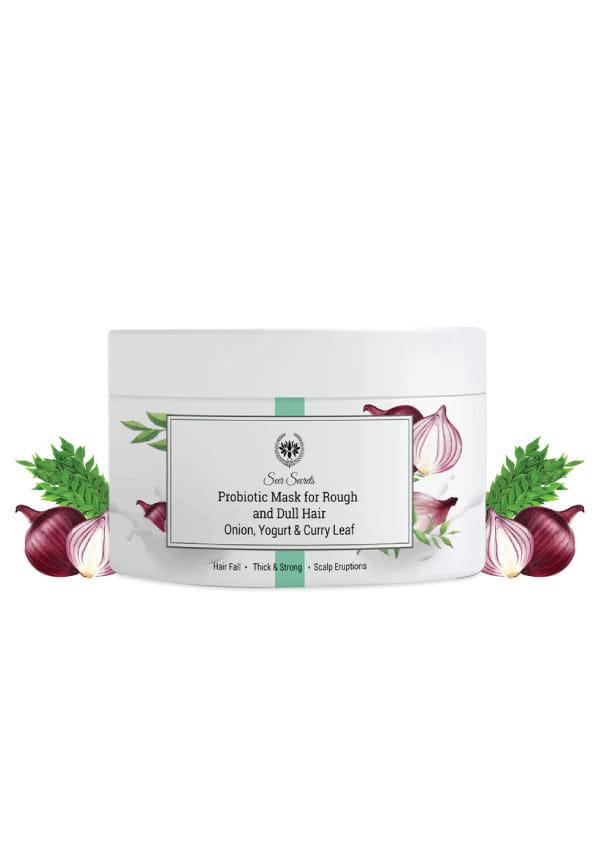
onion hair mask
Always make fresh masks for each use. Homemade treatments don't contain preservatives and can harbour bacteria if stored. If you must store leftovers, refrigerate for no more than 24 hours.
While DIY treatments are fantastic, sometimes you need professional-grade products that have been tested and perfected. Smytten offers curated trial packs from over 1,500 trusted haircare brands, letting you explore and experience products before committing to full-size purchases. With trial minis available for just ₹249 and 100% cashback redeemable for future orders, you can discover what works for your unique hair needs without the guesswork.
Absolutely! Curd contains proteins that strengthen hair, lactic acid that gently exfoliates the scalp, and natural fats that moisturise. It's particularly effective for dry, damaged, or dull hair that needs a protein boost.
For most hair types, once a week is ideal. If your hair is severely damaged or very dry, you can use it twice weekly. Oily hair might benefit from treatments every 10-14 days to avoid overconditioning.
It's not recommended. Curd can spoil at room temperature, and leaving it on too long can cause protein overload, making hair stiff and brittle. Stick to 20-30 minutes for best results.
For dry hair, add honey and oils. For oily hair, try lemon juice or apple cider vinegar. For damaged hair, include eggs or avocado. For growth, fenugreek or aloe vera work well.
Fresh curd has a mild, pleasant smell that rinses out completely with proper washing. If you're concerned, add a few drops of essential oil like lavender or rosemary to your mask.
Yes, but choose plain, unsweetened yogurt without additives. Greek yogurt works particularly well due to its higher protein content, making it excellent for strengthening treatments.
Creating the perfect hair mask with curd isn't rocket science, but it does require understanding your hair's unique needs. Whether you're dealing with dryness, damage, or just want that extra shine, there's a curd-based recipe that can help. The key is consistency—one treatment won't transform your hair overnight, but regular use of these natural hair masks can lead to genuinely healthier, more manageable locks.
Remember, everyone's hair is different. What works brilliantly for your friend might need tweaking for you. Start with the basic recipe and adjust based on how your hair responds. And whilst DIY treatments are wonderful, don't hesitate to explore professional products when you need them. After all, the goal is healthy, beautiful hair—however you achieve it. Your hair journey is uniquely yours, so embrace the experimentation and enjoy discovering what makes your locks truly luscious.
