How to Improve Hair Nutrition From Diet for Stronger Strands

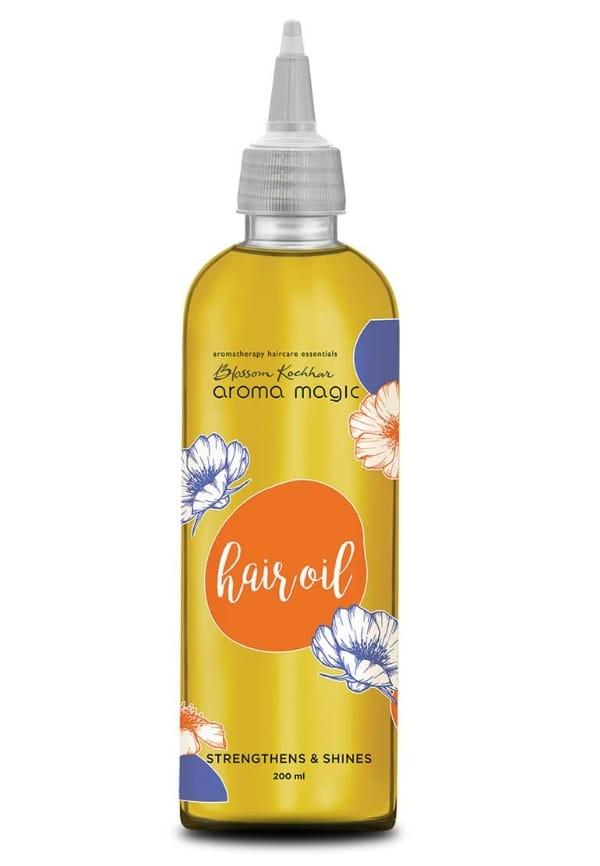
Hair Oil- Vitamin Rich
Let's be real—gorgeous hair doesn't just happen overnight. While we're all busy hunting for the perfect serum or mask, the secret to stronger strands might actually be sitting in your kitchen. Your hair follicles are basically tiny factories that need the right raw materials to produce healthy, resilient hair. And guess what? Those materials come straight from what you eat. From protein-packed breakfasts to vitamin-rich smoothies, learning how to improve hair nutrition from diet can transform your locks from the inside out. At Smytten, we've seen countless users discover that the best haircare routine starts with what's on your plate—and we're here to break down the essentials on creating a diet for healthy hair that actually works.
TL;DR
Your hair health directly reflects your nutritional intake—deficiencies show up in your strands before anywhere else
Essential nutrients like protein, biotin, iron, and omega-3s form the foundation of a strong hair growth diet
Specific foods like eggs, spinach, fatty fish, and nuts provide targeted nutrition for hair follicle health
A well-planned eating routine can address hair fall, thinning, and dullness within 3-6 months
Combining smart nutrition with quality haircare products maximises your hair transformation results
Your hair follicles are some of the most metabolically active cells in your body, which means they're constantly hungry for nutrients. Think of each strand as a tiny plant that needs specific vitamins and minerals to grow strong and healthy. When your body doesn't get enough of these essential nutrients, it prioritises vital organs first—leaving your hair to suffer the consequences.
The hair growth cycle consists of three phases: anagen (growth), catagen (transition), and telogen (rest). During the anagen phase, which lasts 2-7 years, your hair follicles are working overtime to produce new cells. This process requires a steady supply of amino acids, vitamins, and minerals from your bloodstream. Research shows that nutritional deficiencies can disrupt this cycle, leading to premature hair loss, thinning, and lacklustre strands.
What's fascinating is that hair often acts as an early warning system for nutritional imbalances. Studies indicate that hair tissue analysis can reveal nutrient deficiencies weeks or even months before they manifest in other parts of your body. This makes understanding the hair health and diet connection crucial for maintaining not just beautiful hair, but overall wellness.
Creating an effective hair growth diet starts with understanding which nutrients your follicles crave most. Let's break down the science-backed essentials that can transform your hair from root to tip.
Hair is approximately 95% protein, specifically a fibrous protein called keratin. Without adequate protein intake, your body simply can't manufacture strong, healthy strands. Complete proteins—those containing all nine essential amino acids—are particularly valuable for hair structure.
Your daily protein requirements for optimal hair health range from 0.8-1.2 grams per kilogram of body weight, though this increases if you're physically active or dealing with hair loss. The best sources include lean meats, fish, eggs, legumes, and quinoa. Eggs deserve special mention as they contain all essential amino acids plus biotin, making them a hair superfood.
Several vitamins play starring roles in maintaining healthy hair growth and preventing loss. Biotin (B7) is perhaps the most famous, supporting keratin production and hair thickness. Research suggests that biotin deficiency can lead to brittle hair and even hair loss, though true deficiency is rare in healthy individuals eating varied diets.
Vitamin D acts like a hormone in your body, regulating hair follicle cycling and promoting new growth. Low vitamin D levels have been linked to alopecia and other hair loss conditions. Vitamin C supports collagen synthesis and enhances iron absorption—both crucial for strong hair. Meanwhile, vitamin A helps produce sebum, the natural oil that keeps your scalp healthy and your hair moisturised.
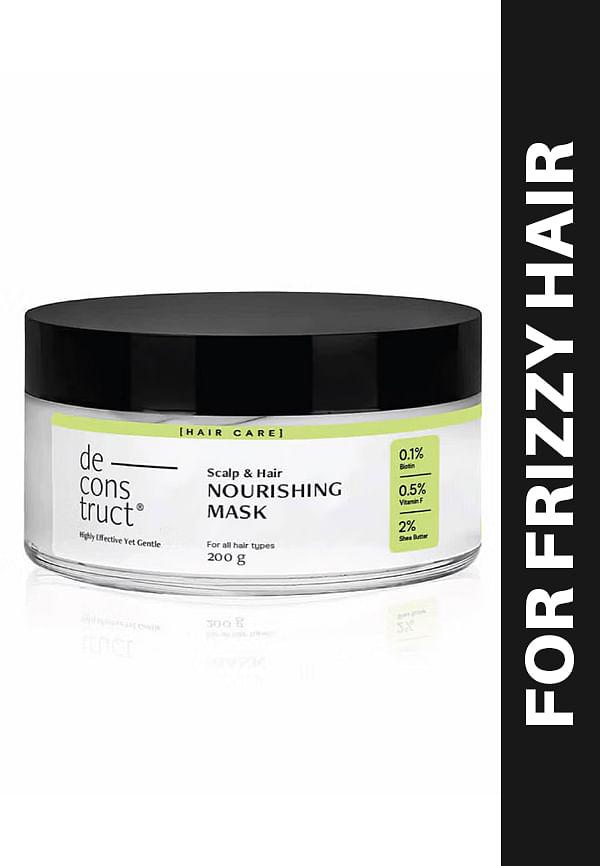
Scalp & Hair Nourishing Mask 0.1% Biotin + 0.5% Vitamin F + 2% Shea Butter
Loved and Recommended
 5
5“loved it. I would recommend it..”
Excellent Hair Mask
5“Really good and nourishing hair mask”
Moisturizes Frizzy Hair
4“moisturizing for frizzy hair!!!”
Iron deficiency is one of the most common nutritional causes of hair loss, particularly in women. Iron helps transport oxygen to hair follicles, and without adequate levels, your follicles can't function properly. Zinc supports protein synthesis and hair tissue repair, while selenium provides antioxidant protection for your follicles against environmental damage. This is key for nutrients for scalp health.
Now that you understand the science, let's get practical about which foods deserve a permanent spot on your grocery list for stronger, healthier hair.
While biotin supplements get all the attention, you can easily meet your needs through food. Egg yolks are biotin powerhouses, providing about 10 micrograms per yolk. Nuts and seeds, particularly almonds and sunflower seeds, offer substantial amounts along with healthy fats. Organ meats like liver contain the highest concentrations, though they're not everyone's cup of tea.
Aim for 30 micrograms of biotin daily through a combination of these foods. A simple breakfast of scrambled eggs with a handful of almonds can provide nearly half your daily requirement while supporting overall hair health.
Omega-3 fatty acids reduce inflammation around hair follicles and improve scalp circulation, creating an optimal environment for hair growth. Fatty fish like salmon, mackerel, and sardines are your best bets, providing both EPA and DHA—the most bioactive forms of omega-3s.
For plant-based options, walnuts, flaxseeds, and chia seeds offer ALA omega-3s, though your body needs to convert these to EPA and DHA. Including a variety of these foods ensures you're getting comprehensive omega-3 support for your scalp health.
Iron comes in two forms: heme iron from animal sources and non-heme iron from plants. Heme iron is more easily absorbed, making lean red meat, chicken, and fish excellent choices. However, plant-based sources like spinach, lentils, and pumpkin seeds can be just as effective when paired with vitamin C-rich foods to enhance absorption.
Try combining iron-rich spinach with vitamin C-packed bell peppers in a salad, or enjoy lentils with tomatoes for maximum nutrient absorption. This strategic pairing can significantly boost your iron levels and support healthier hair growth.
Transforming your eating habits doesn't have to be overwhelming. A well-structured approach makes it easier to consistently nourish your hair from within.
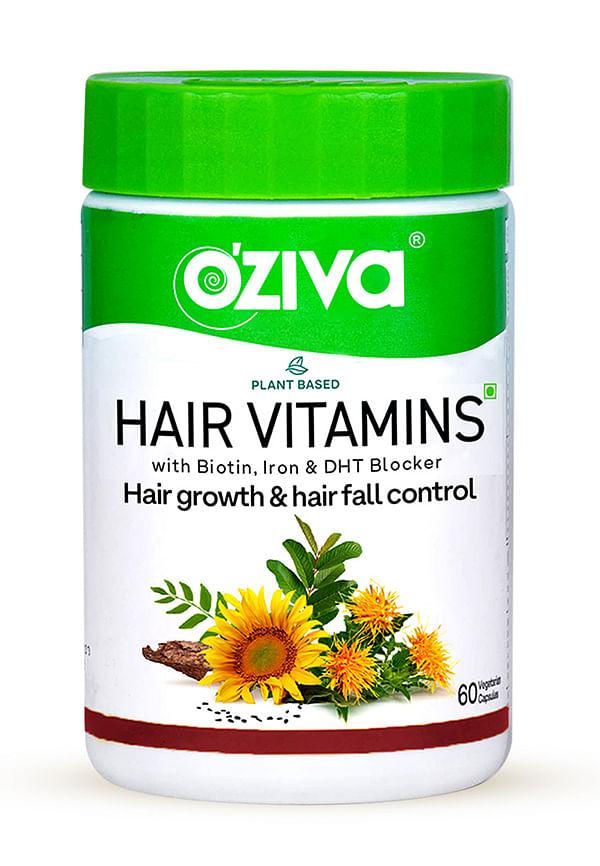
OZiva Plant Based Hair Vitamins | Hair Supplement For Growth & Hair Fall Control (60 Capsules)
Good Product for Hair
5“A very good product . Good for hair.”
Good Product for Hair
5“A very good product . Good for hair.”
Hair Vitamin Capsule Useful
5“Hair vitamin capsule is very useful.”
Here's a practical weekly framework that incorporates all the essential nutrients for hair health. Breakfast might include Greek yoghurt with berries and walnuts, providing protein, antioxidants, and omega-3s. Lunch could feature a quinoa salad with spinach, chickpeas, and pumpkin seeds for iron, protein, and zinc.
Dinner options include grilled salmon with sweet potato and broccoli, delivering omega-3s, beta-carotene, and vitamin C. Snacks like hard-boiled eggs, almonds, or carrot sticks with hummus keep your nutrient intake steady throughout the day. Both vegetarian and non-vegetarian variations ensure everyone can follow this eating for thicker hair approach.
While no food provides instant results, certain nutrient-dense options can kickstart your hair recovery journey. Focus on iron-rich foods if you suspect deficiency—this is often the quickest nutritional fix for hair fall. Protein-rich meals help provide immediate building blocks for new hair growth.
Expect to see initial improvements in hair texture and reduced breakage within 4-6 weeks of consistent dietary changes. New growth from improved nutrition typically becomes visible after 3-4 months, as this is how long it takes for hair to grow from the follicle to a noticeable length.
Don't overlook the power of what you drink in supporting your hair health goals. Strategic beverage choices can provide concentrated nutrients that complement your solid food intake.
Kiwi juice stands out as a vitamin C powerhouse, providing more than oranges while supporting collagen production for stronger hair structure. Green smoothies packed with spinach, kale, and other leafy greens deliver iron, folate, and antioxidants in an easily digestible form. The key is balancing taste with nutrition—try blending spinach with pineapple and ginger for a delicious, hair-healthy drink.
Omega-3 rich beverages like flaxseed smoothies or chia seed drinks provide essential fatty acids for scalp health. Carrot and sweet potato juices offer beta-carotene, which your body converts to vitamin A for sebum production. Remember that adequate hydration itself supports scalp health—aim for 8-10 glasses of water daily to keep your follicles functioning optimally.
Even with the best intentions, certain eating patterns can sabotage your hair health goals. Understanding these pitfalls helps you avoid setbacks on your journey to stronger strands.
Crash diets and extreme calorie restriction are among the worst offenders. When your body doesn't get enough calories, it shuts down non-essential functions—including hair growth. This can trigger telogen effluvium (a condition where large amounts of hair enter the resting phase simultaneously, leading to noticeable thinning 2-3 months later).
Excessive sugar and processed food consumption creates inflammation throughout your body, including around hair follicles. This inflammatory environment can disrupt the hair growth cycle and contribute to conditions like androgenetic alopecia (a common form of hair loss). Additionally, many people underestimate their protein needs, thinking that a small portion of chicken or a handful of nuts provides adequate amino acids for hair health.
Supplement overdosing presents another risk—too much vitamin A can actually cause hair loss, while excessive iron supplementation can interfere with zinc absorption. Some foods can also block nutrient absorption: excessive caffeine interferes with iron uptake, while high-fibre foods eaten with iron-rich meals can reduce absorption rates.
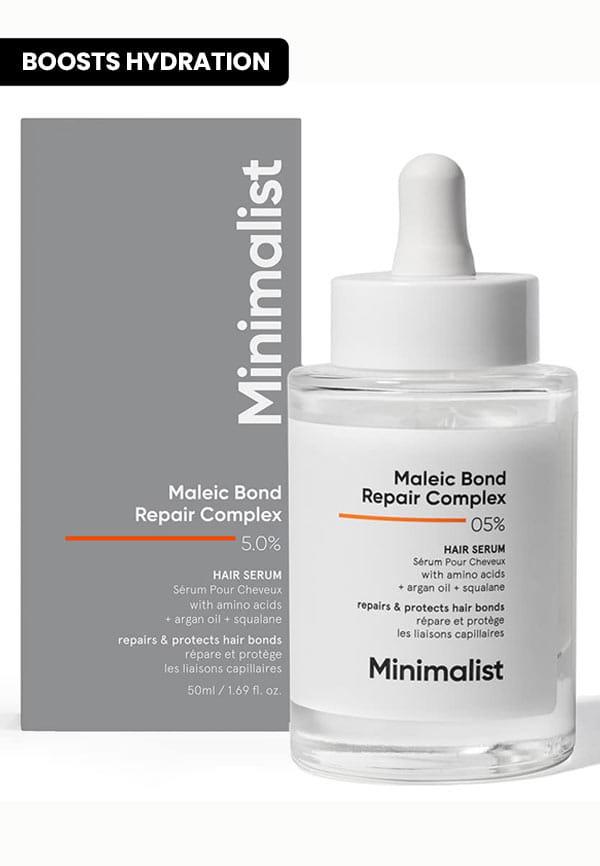
Hair Repair Complex 5% Serum With Amino Acids, Argan Oil & Squalane
Highly Recommended
5“I love it and highly recommend it.”
Highly Recommended
5“I love it and highly recommend it.”
Good and nice product
4“this so good and nice product i love it”
Hair grows approximately 0.5 inches (1.25 cm) per month. You might notice reduced hair fall and improved texture within 4-6 weeks of consistent dietary improvements. However, visible new growth typically takes 3-6 months to become apparent, as this is how long it takes for hair to grow from the follicle to a noticeable length. The timeline depends on the severity of any nutritional deficiencies and how consistently you maintain your new eating habits.
Diet can significantly improve hair health and may help with nutritional deficiency-related hair loss, but it's not a magic cure for all types of hair loss. Genetic factors, hormonal changes, medical conditions, and stress also play major roles. A comprehensive approach combining proper nutrition with appropriate haircare products and professional guidance when needed tends to be most effective.
Limit highly processed foods, excessive sugar, and trans fats, as these promote inflammation that can disrupt hair growth. Be cautious with raw egg whites (they contain avidin, which blocks biotin absorption) and excessive alcohol consumption, which depletes B vitamins essential for hair health. Also, avoid extreme dietary restrictions that could lead to nutrient deficiencies.
Most adults need 0.8-1.2 grams of protein per kilogram of body weight for optimal hair health. For a 60kg person, this translates to roughly 48-72 grams daily. If you're experiencing hair loss or are very active, you might benefit from the higher end of this range. Focus on complete proteins that provide all essential amino acids.
A well-balanced diet should provide most nutrients needed for healthy hair. However, certain populations—such as vegetarians (who might need B12), people with heavy menstrual cycles (who might need iron), or those with limited sun exposure (who might need vitamin D)—could benefit from targeted supplementation. It's best to get blood work done to identify any specific deficiencies before starting supplements.
Women often need to pay special attention to iron intake due to menstrual losses, making iron-rich foods particularly important. Focus on lean proteins, leafy greens, legumes, and foods rich in folate and B vitamins. Women going through hormonal changes (pregnancy, menopause) might need adjusted nutrition strategies. At Smytten, we've noticed that women who combine smart nutrition with quality haircare products see the most dramatic improvements in their hair health journey.
Creating a diet for healthy hair isn't about following restrictive rules—it's about nourishing your body with the nutrients your follicles need to thrive. Focus on incorporating protein-rich foods, iron sources, omega-3 fatty acids, and essential vitamins into your daily routine. Remember that consistency matters more than perfection, and results take time to manifest.
The most effective approach combines smart nutrition with quality haircare products that support your follicles from the outside. Pay attention to your body's signals, avoid common dietary pitfalls, and don't hesitate to seek professional guidance if you're dealing with significant hair loss or health concerns.
Your hair health journey is deeply personal, and what works for others might need tweaking for your unique needs. While building a strong nutritional foundation is crucial, pairing it with the right external care makes all the difference. Smytten is India's largest product discovery and trial platform, connecting consumers with top lifestyle, beauty, wellness, and grooming brands. At its core, Smytten offers curated trial packs—mini-sized products from over 2,400 trusted brands such as Brillare, Love Beauty & Planet, Minimalist, and WishCare. This lets users explore and experience haircare products before committing to full-size purchases. Each mini is linked with Trial Points, and users can get up to 8 minis for just ₹249. Plus, Smytten offers 100% cashback on the purchase of these minis, redeemable in the shop section for future orders, making product discovery both affordable and rewarding. Whether you're looking for protein treatments, scalp serums, or nourishing oils to complement your improved diet, try before you buy ensures you find products that work with your newly optimised nutrition plan. After all, why settle for 'maybe' when you can #TryItAll!
