How to Identify Your Unique Curly Hair Type


Ever stared at your reflection wondering why that expensive curly hair product didn't work as promised? The answer might be simpler than you think—you probably don't know your actual curl type. Real talk, understanding your different curly hair patterns is like having a secret code to unlock your best hair days. Whether you're dealing with loose waves that fall flat or tight coils that seem impossible to manage, identifying your unique curl pattern is the first step towards a curly hair routine that actually works. Let's dive into the science behind those gorgeous spirals and figure out exactly what your hair is trying to tell you.
Your curl pattern isn't just a random quirk of genetics—it's actually determined by the shape of your hair follicles deep beneath your scalp. Straight hair grows from perfectly round follicles, while curly hair types emerge from oval or flattened follicles that create that signature spiral shape as your hair grows.
The real magic happens at the molecular level. Natural curls form because of disulfide bonds—chemical connections between protein molecules in your hair shaft. These bonds create weak spots that cause your hair to bend and curve as it grows. The more bonds you have and the more irregularly they're distributed, the curlier your hair becomes.
Porosity also plays a huge role in how your curls behave. High porosity hair absorbs moisture quickly but loses it just as fast, often leading to frizzy hair that's hard to manage. Low porosity hair repels moisture initially but holds onto it longer once it's absorbed. Understanding your hair's porosity helps explain why some curly hair products work brilliantly for your friend but leave your curls looking lifeless.
The curl typing system was developed by stylist Andre Walker and has become the gold standard for understanding different curly hair patterns. This system categorises hair into four main types, each with three subcategories that indicate increasing curl intensity.
While Type 1 hair is technically straight, understanding its characteristics helps identify where wavy hair begins. Type 1A is pin-straight and fine, 1B has slight body with a gentle bend, and 1C features some waves with a bit more texture. This baseline helps distinguish between truly straight hair and loose waves that might be mistaken for each other.
Type 2 hair bridges the gap between straight and curly, creating beautiful wavy hair patterns that can be surprisingly versatile. Type 2A features loose, barely-there waves that are fine in texture and easy to straighten. These waves often need lightweight products to avoid being weighed down.
Type 2B waves are more defined with a slight resistance to straightening. The texture is usually medium, and these waves benefit from curl-enhancing curly hair products that add definition without heaviness.
Type 2C represents the strongest wave pattern, often with some areas that could be considered loose curls. This type tends towards coarser texture and is more prone to frizzy hair, requiring moisture-rich products and careful handling.
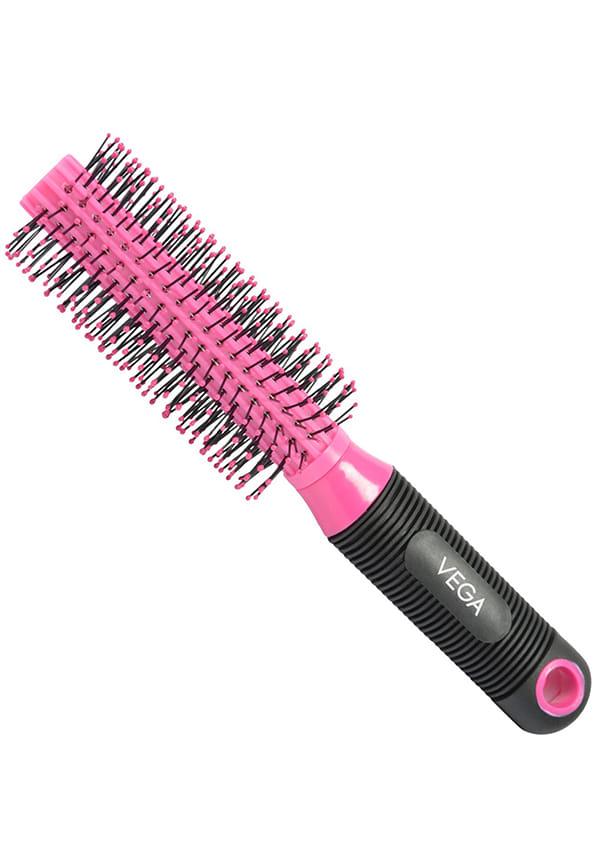
Round Hair Brushfor Adding Curls, Volume & Waves In Hairs| Men and Women| All Hair Types (R11-RB), Color may vary
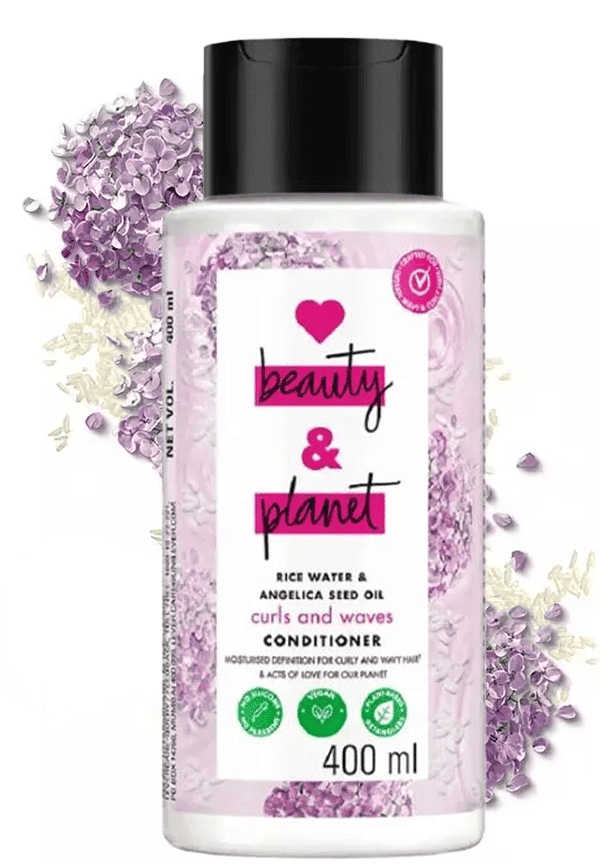
Rice Water & Angelica Seed Oil Silicone Free Conditioner for curly & wavy hair
Good Product, Nice Fragrance
 5
5“good product fragrance is so nice”
Good Product, Nice Fragrance
5“good product fragrance is so nice”
Good Product, Nice Fragrance
5“good product fragrance is so nice”
Type 3 hair showcases the classic curly hair styles that many people associate with natural curls. Type 3A features large, loose curls about the circumference of sidewalk chalk. These curls typically have good shine and are relatively easy to manage with the right products.
Type 3B curls are springier and more voluminous, roughly the size of a marker. This curl type often has a combination of textures and can be more challenging to define curls consistently throughout the head.
Type 3C represents tight corkscrews about the size of a pencil or straw. This curl type is dense and can appear shorter than it actually is due to shrinkage. It requires rich, moisturising products and gentle handling to prevent breakage.
Type 4 hair features the tightest curl patterns and requires specialised curly hair care approaches. Type 4A has soft coils with a visible curl pattern, while 4B features a Z-pattern that's less defined. Type 4C has the tightest coils with minimal curl definition and significant shrinkage potential.
Figuring out your exact curl type doesn't have to be complicated. The key is observing your hair in its most natural state and understanding what you're looking for.
Start with freshly washed hair that's completely saturated with water. This is when your natural curls reveal their true pattern without the influence of products or styling. Gently squeeze out excess water with a microfibre towel—never rub or rough-dry your curls.
Apply a small amount of leave-in conditioner or curl cream, then step away from your hair completely. Let it air dry without touching, scrunching, or manipulating it in any way. This natural drying process shows you exactly what your curl pattern wants to do on its own.
Once your hair is completely dry, examine different sections of your head. Many people have multiple curly hair types on one head—looser curls at the crown, tighter patterns at the nape, or different textures on each side.
Compare your curl circumference to common objects. Loose waves might be the size of a large marker, while tight coils could be as small as a needle. Take photos in natural light to help you see the patterns more clearly and compare them to reference images online.
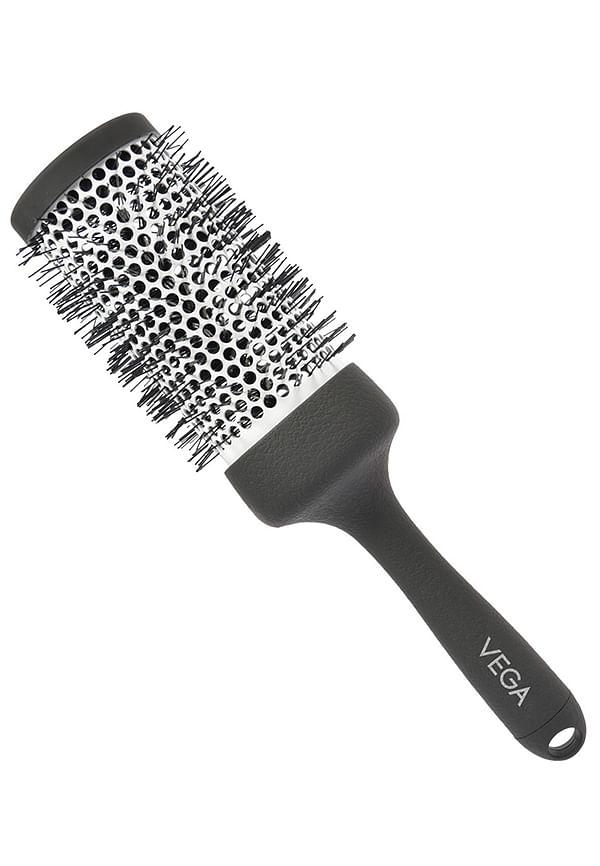
Hot Curl Brushfor Hair Styling, Drying, Healthy Hair and Add Volume, Large (H2-PRL)
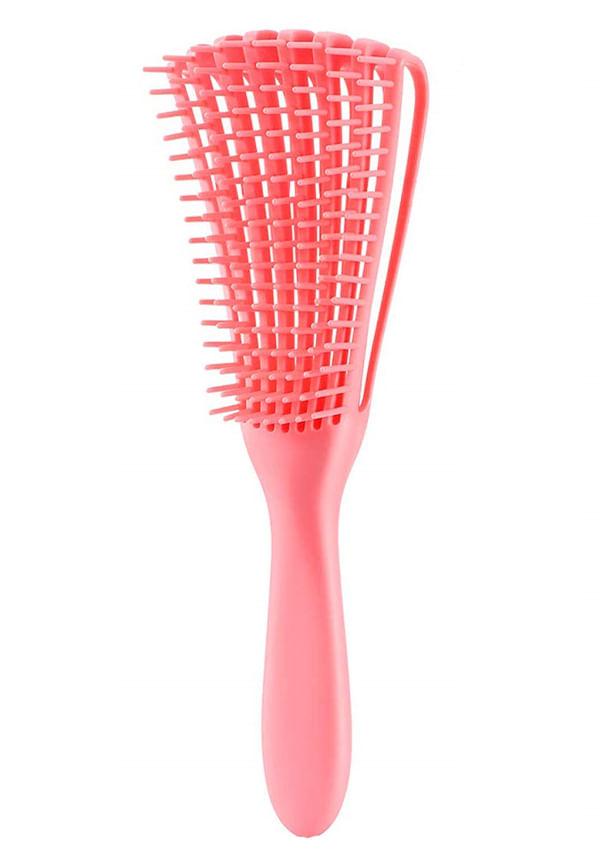
Detangling Brush for Curly and Rough Hair
Curl type isn't just about pattern—texture and density matter too. Fine hair feels silky and delicate, medium hair has more body, and coarse hair feels thick and strong. Density refers to how much hair you have per square inch of scalp, which affects how your curly hair styles will look and behave.
Once you've identified your curl pattern, it's time to build a curly hair routine that works with your hair's natural tendencies rather than against them. Different curl types have vastly different needs, and what works for Type 2 waves might be completely wrong for Type 4 coils.
Wavy hair often gets overlooked in the curly community, but it has its own unique needs. Lightweight curly hair products are essential—heavy creams and oils can weigh down waves and make them look limp. Look for mousse, lightweight gels, or curl creams specifically formulated for fine to medium hair.
Scrunching is your best friend for enhancing wave definition. Apply products to damp hair, scrunch gently upwards, then either air dry or use a diffuser on low heat. The key is encouraging your waves without overwhelming them with product.
Type 3 curls thrive on moisture and gentle handling. Your curly hair routine should focus on hydration, definition, and frizz control. Start with a sulfate-free shampoo or co-wash, follow with a rich conditioner, and always use a leave-in product.
To define curls effectively, try the "plopping" method—wrap your wet, product-laden curls in a cotton t-shirt for 10-20 minutes to encourage curl formation. Scrunching with a microfibre towel or cotton t-shirt also helps enhance your natural pattern without creating frizz.
Coily hair requires the most intensive curly hair care routine, with deep conditioning treatments being non-negotiable. These tight curl patterns are naturally drier because oils from the scalp have difficulty travelling down the curved hair shaft.
Focus on protective styling and gentle manipulation. Oil and butter-based products work well for sealing in moisture, and the LOC (Liquid, Oil, Cream) method can help maintain hydration between wash days.
Every curl type faces unique challenges, but understanding these common issues helps you troubleshoot your routine and find solutions that actually work.
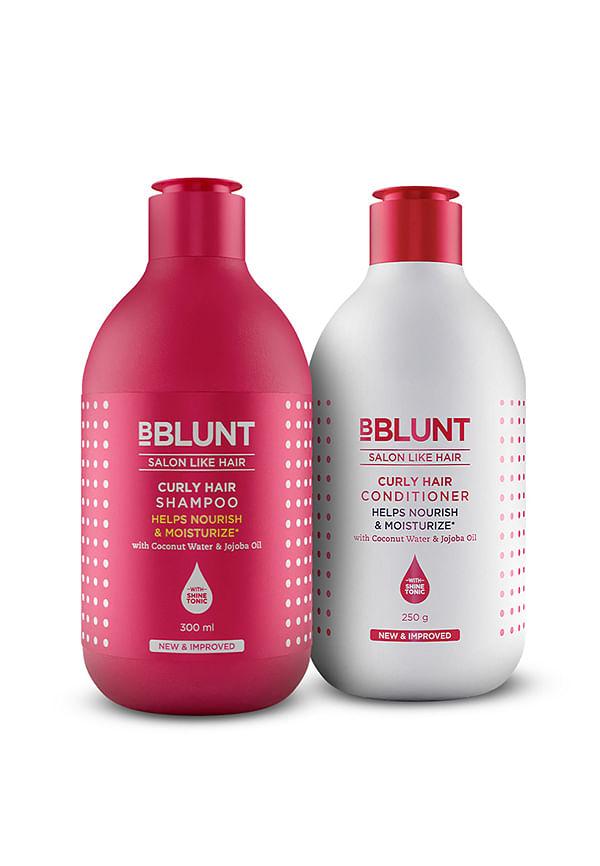
Curly Hair Shampoo + Curly Hair Conditioner
Good for curly hair
4“good for curly hair shampoo and conditioner”
Great for Curls & Frizz
5“great way to revive your curls!! helps with frizz and hydration as well!”
Visually Appealing Product
5“very nice and beautiful pictures product”
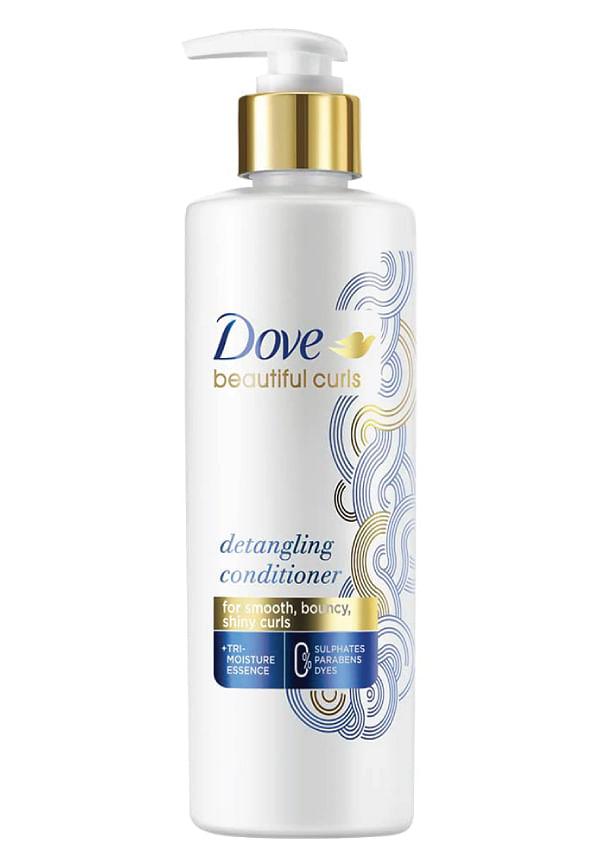
Beautiful Curls Detangling Conditioner
Frizzy hair is often a sign of damage, dryness, or humidity exposure. Environmental factors like wind, rain, and central heating can disrupt your curl pattern and create unwanted frizz. The key is creating a moisture barrier with the right products and techniques.
Anti-frizz curly hair tips include using a silk or satin pillowcase, avoiding cotton towels, and applying products to soaking wet hair. For humidity protection, look for products containing film-forming humectants that create a protective barrier around each curl.
Wavy hair often struggles with maintaining definition without becoming weighed down. The solution is finding that sweet spot between enough product for hold and too much product for your hair's fine texture.
Curly hair frequently develops the dreaded triangle shape as it grows longer. Regular trims and proper layering can help maintain a flattering silhouette, while the right products can enhance bounce and prevent curls from stretching out.
Coily hair faces unique challenges with moisture retention and length retention. Protective styles, gentle detangling techniques, and consistent deep conditioning are essential for maintaining healthy coils.
While you can absolutely identify your curl type at home, there are benefits to seeking professional guidance, especially if you're struggling with your curly hair routine or considering a major change.
A curl specialist can provide expert analysis that takes into account not just your curl pattern, but also your hair's porosity, density, and damage level. They can recommend specific curly hair products and cutting techniques that work with your unique combination of factors.
Professional stylists also understand how different curl types behave when cut and can create a shape that enhances your natural pattern rather than fighting against it.
Mobile apps and online quizzes can provide a starting point for curl identification, but they're not always accurate. The best DIY method is still the wet hair assessment combined with careful observation of your hair's behaviour over time.
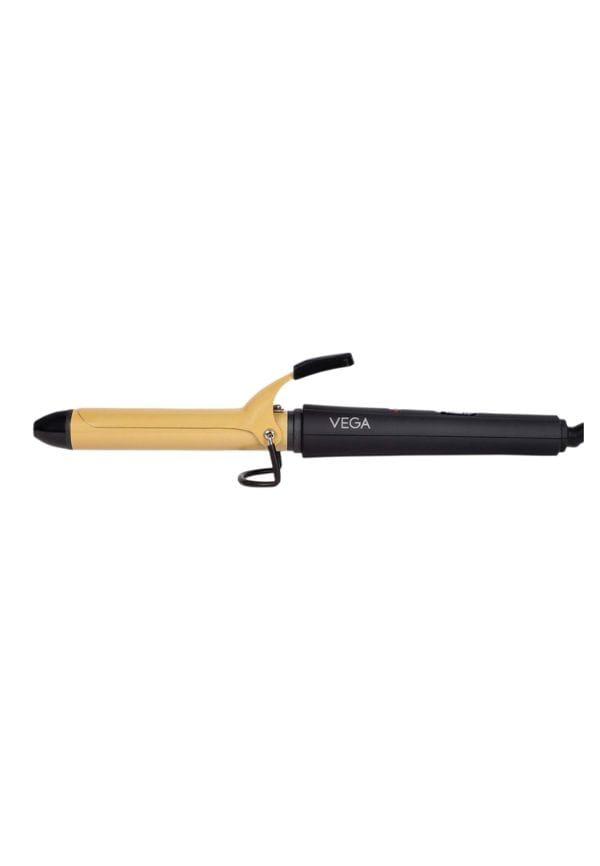
Vega Ease Curl 25 mm Barrel Hair Curler with Ceramic Coated Plates, (VHCH-02)
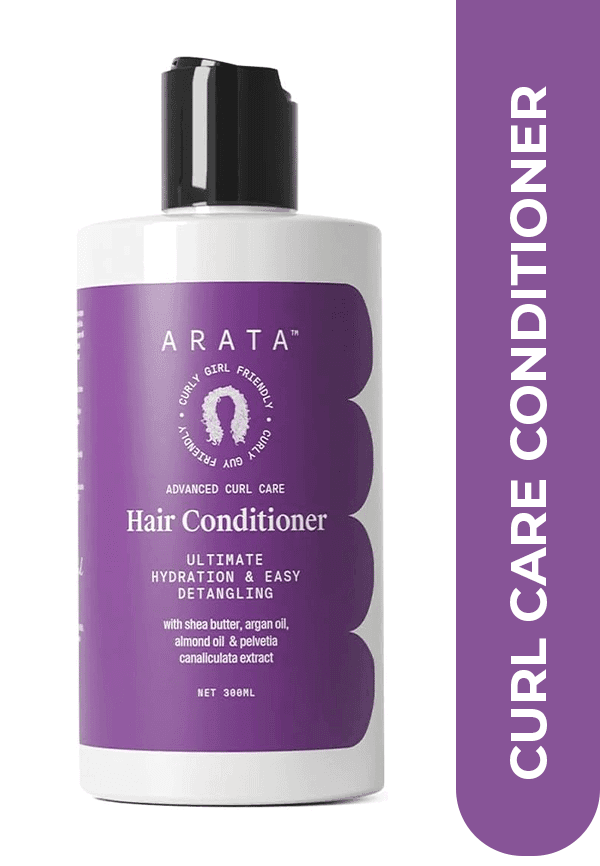
Advanced Curl Care Conditioner
Good Products, Worth Buying
5“good products. worth it to buy.”
Positive Feedback
5“Amazing. Great.”
Excellent Product
5“One of the best in the market.”
Keep a hair journal noting how your curls respond to different products, weather conditions, and styling techniques. This information becomes invaluable for fine-tuning your routine and understanding your hair's unique needs.
Platforms like Smytten make it easier than ever to experiment with different curly hair products without the commitment of full-size purchases. With trial packs from trusted brands, you can test various formulations to see what works best for your specific curl type before investing in larger sizes.
The curl classification system includes Type 1 (straight), Type 2 (wavy), Type 3 (curly), and Type 4 (coily), each with subcategories A, B, and C indicating increasing curl intensity. This system helps determine the best curly hair care approach for your specific pattern.
Type 2A features loose waves with fine texture, 2B has more defined waves with medium texture, and 2C shows strong waves prone to frizz. Type 3A displays loose curls with good shine, while 3B creates springy ringlets with more volume and density.
Type 3 curly hair features well-defined spiral curls ranging from loose curls (3A) to tight corkscrews (3C). This curl type typically requires moisture-rich products and gentle handling to maintain definition and prevent frizz.
Absolutely! Many people have different curly hair patterns throughout their head, requiring customised care routines that address varying curl needs in different sections. This is completely normal and just means you need to adapt your routine accordingly.
Washing frequency depends on your curl type and scalp needs. Wavy hair might need washing every 2-3 days, while coily hair often benefits from weekly washing with co-washing in between to maintain moisture levels.
Understanding your unique different curly hair pattern is like having a roadmap to your best hair days. Once you know whether you're working with loose waves or tight coils, you can build a curly hair routine that actually makes sense for your specific needs.
Remember, curl typing isn't about fitting into a perfect box—it's about understanding your hair's tendencies so you can work with them rather than against them. Your curls might not match the textbook definitions exactly, and that's perfectly fine. The goal is finding what works for your unique combination of pattern, texture, and lifestyle.
Experimenting with different curly hair products and techniques is part of the journey. What works for someone else with your curl type might not work for you, and that's where trial and error becomes your best friend. With platforms like Smytten offering trial packs from over 1,500 trusted brands, you can explore different formulations without the risk of wasting money on full-size products that don't suit your hair.
The beauty of understanding your curl type lies in the confidence it gives you to make informed decisions about your hair. Whether you're looking to define curls, manage frizzy hair, or simply find a routine that works with your busy lifestyle, knowing your curl pattern is the foundation for everything else. Your curls are unique, and they deserve a routine that celebrates their individual beauty.
