How to Identify Your Unique Curly Hair Pattern

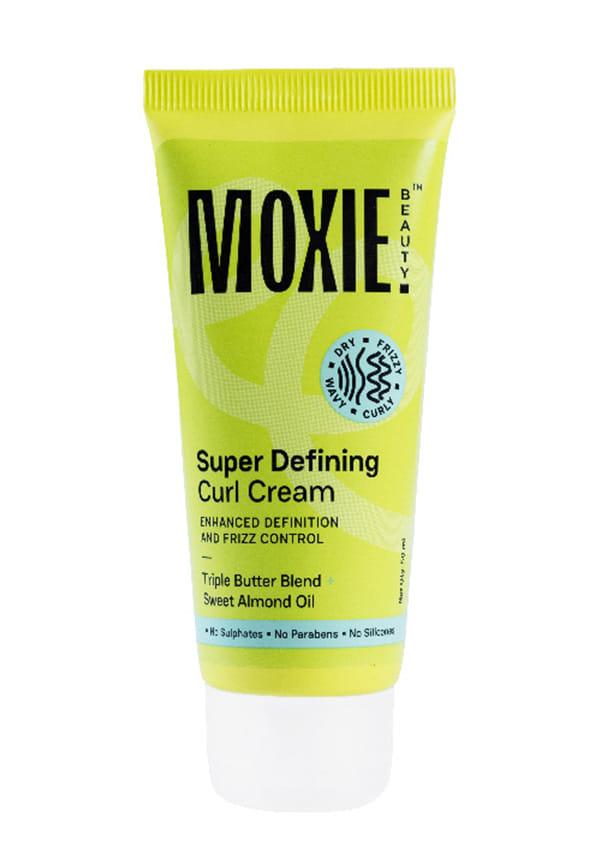
Super Defining Curl Cream for Curly Hair
Ever looked in the mirror and wondered what exactly your curls are trying to tell you? You're not alone. Understanding your unique curl pattern is like having a secret code to unlock your hair's full potential. Whether you're dealing with loose waves that seem to have a mind of their own or tight coils that demand respect, knowing your curly hair patterns explained properly can transform your entire haircare routine. Real talk—once you crack this code, everything from product selection to styling becomes so much clearer. Let's dive into the fascinating world of natural curls and help you identify exactly what you're working with.
Let's get a bit nerdy for a moment because understanding curly hair starts with the science. Your curl pattern isn't just a random quirk—it's actually determined by the shape of your hair follicle. Straight hair grows from circular follicles, whilst curly hair emerges from elliptical or asymmetrical ones. The more oval your follicle, the curlier your hair becomes.
Your genes play the starring role here. The specific combination of proteins and the way disulphide bonds form in your hair shaft creates those gorgeous spirals, waves, or coils. These bonds are like tiny molecular springs that give your hair its unique shape and bounce.
Here's something that might surprise you: curly hair characteristics can vary dramatically across different sections of your head. You might have looser curls at your crown and tighter ones at your nape. This happens because follicle shapes aren't uniform across your scalp, and factors like hormones, age, and even stress can influence how these patterns develop.
The structure of curly hair also makes it more porous and fragile than straight hair. Those twists and turns create weak points where the hair can break more easily, which is why moisture retention becomes crucial for maintaining healthy curls.
Now for the fun part—decoding the curly hair types system that's become the universal language of curl care. This classification breaks down hair curl patterns into four main categories, each with subcategories that get more specific.
2A waves are the subtle rebels of the curl world. They're loose, fine, and often barely there when your hair is wet, but they spring to life as it dries. These waves tend to be easily weighed down by heavy products.
2B waves have more personality. They're more defined with a slight S-shape and can handle a bit more product. You might notice some frizz, especially in humid weather.
2C waves are the strongest in this category. They form more pronounced S-shapes and often have curls mixed in, particularly at the ends. They're also more prone to frizz and can benefit from curl-enhancing products.
3A curls are the Instagram-worthy spirals everyone envies. They're large, loose, and have a lovely bounce. These curls typically have good shine and can handle lighter styling products without losing their shape.
3B curls are springy ringlets with more volume. They're about the circumference of a marker and have a lovely spiral pattern. These curls need more moisture and can benefit from leave-in conditioners.
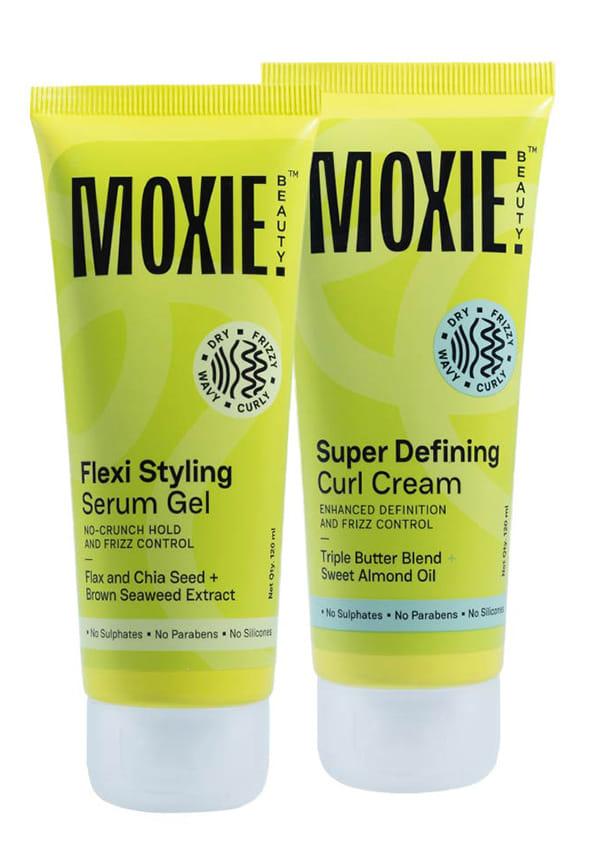
Curly Vibe Setter Duo - Defining Curl Cream & Styling Serum Gel for Curly Hair
3C curls are tight corkscrews that pack serious volume. They're dense, have a lot of texture, and require rich, moisturising products to stay defined and frizz-free.
4A coils are soft and have a visible curl pattern when stretched. They're delicate and need gentle handling with plenty of moisture to maintain their health and definition.
4B coils have a distinctive Z-pattern rather than a spiral. They're less defined than 4A but have incredible volume and texture. These coils benefit from protective styling and rich moisturising treatments.
4C coils are the tightest in the classification system. They're densely packed, incredibly versatile for styling, and require the most moisture and gentle care to thrive.
Ready to become a curl detective? Defining curly hair patterns requires a systematic approach, and this curly hair guide will walk you through it step by step.
Start with freshly washed hair using a gentle, sulphate-free shampoo and a moisturising conditioner. Avoid heavy styling products during this assessment—you want to see your hair's natural personality, not what products can make it do.
Here's your action plan:
Gently squeeze out excess water with a microfibre towel or cotton t-shirt
Apply a small amount of leave-in conditioner if your hair feels dry
Let your hair air dry completely without touching or manipulating it
Examine your hair in natural light once it's fully dry
Take photos from different angles for reference
Check multiple sections because your curl pattern likely varies across your head. Look at the crown, sides, back, and underneath layers separately. The hair closest to your scalp will show your truest pattern since it hasn't been affected by length and weight.
Common mistakes to avoid: Don't assess wet hair, don't use heavy products beforehand, and don't judge your pattern immediately after chemical treatments or heat styling. Your hair needs time to recover and show its natural state.
Your curl pattern is just one piece of the puzzle. Curly hair texture and curly hair porosity are equally important for creating the perfect haircare routine.
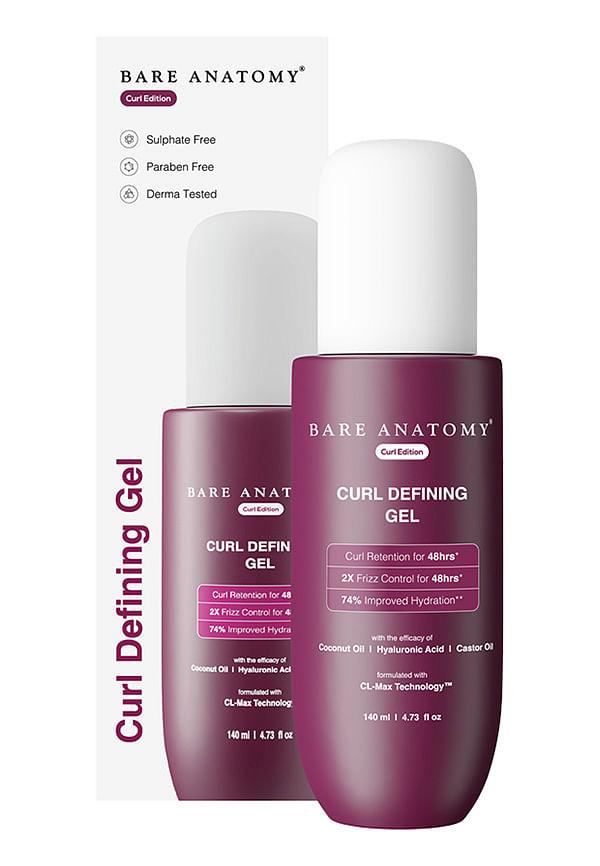
Curl Defining Gel | For Well Defined Shiny Curls
Texture refers to the thickness of individual hair strands. Take a single strand and roll it between your fingers. Fine hair feels almost invisible, medium hair has some substance, and coarse hair feels thick and strong. This affects how your hair responds to products and styling.
Porosity determines how well your hair absorbs and retains moisture. Try the float test: drop a clean strand of hair into a glass of water. Low porosity hair floats, medium porosity hair sinks slowly, and high porosity hair sinks quickly.
Low porosity hair repels moisture initially but holds onto it well once it's absorbed. High porosity hair drinks up moisture quickly but loses it just as fast. Understanding this helps you choose the right products and application methods.
Density is about how much hair you have per square inch of scalp. Part your hair and look at your scalp visibility. If you can easily see your scalp, you have low density. If it's somewhat visible, you have medium density. If you can barely see your scalp, you have high density.
Now that you've identified your curl characteristics, let's talk about haircare for curls that actually works. The key is matching your routine to your specific needs rather than following generic advice.
Looser curls (2A-3A) typically need lightweight, volumising products that won't weigh down their delicate structure. Think mousses, light gels, and spray leave-ins.
Defined curls (3B-3C) can handle medium-weight creams and gels that provide hold without being too heavy. Look for products with humectants to maintain moisture.
Tight coils (4A-4C) thrive with rich, heavy creams and butters that provide intense moisture and protection. Don't be afraid of oils and thick styling products.
Waves respond well to scrunching with lightweight products and gentle diffusing. The key is enhancing what's already there without adding too much weight.
Curls benefit from techniques like plopping (wrapping wet hair in a t-shirt) and careful diffusing with a blow dryer. The goal is to set the curl pattern whilst it dries.
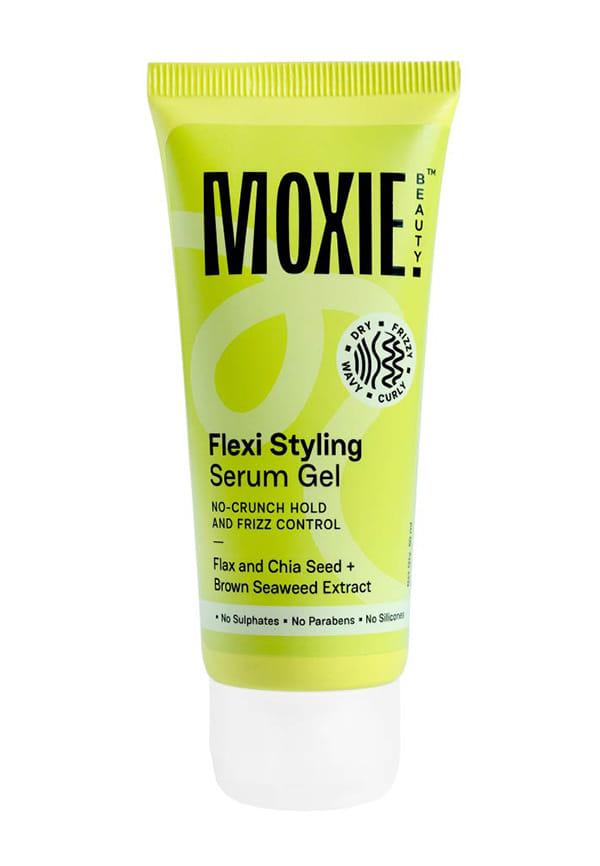
Flexi Styling Serum Gel for Curly & Wavy Hair
Coils often look best with protective styling methods that minimise manipulation. Twist-outs, braid-outs, and gentle stretching techniques can enhance natural patterns.
Frizz is the arch-nemesis of natural curls, but it's usually a sign of dryness or damage. Combat it with regular deep conditioning, gentle handling, and humidity-blocking products.
Lack of definition often comes from using the wrong products or techniques for your curl type. Experiment with different application methods and product combinations to find what works.
Moisture balance is crucial for all curl types. Over-moisturised hair becomes limp and greasy, whilst under-moisturised hair becomes frizzy and brittle. Pay attention to how your hair responds and adjust accordingly.
Absolutely. Hormonal changes during puberty, pregnancy, or menopause can alter your curl pattern. Age naturally loosens curls for many people, whilst chemical treatments and heat damage can permanently change your hair's structure. Some people also notice changes during seasonal transitions or periods of stress.
This is completely normal and actually quite common. Many people have looser curls on top and tighter ones underneath, or different patterns on each side of their head. The key is to treat each section according to its specific needs whilst using techniques that work for your overall hair type.
Healthy curls have consistent patterns, good elasticity when wet, and natural shine. Damaged hair often has irregular curl patterns, breaks easily, and lacks lustre. If you've been using heat tools or chemical treatments regularly, give your hair a few months of gentle care to see its true pattern emerge.
Sometimes, yes. Hormonal changes, particularly during puberty, can activate dormant curl genes. People transitioning from chemically relaxed hair to natural often discover curls they never knew they had. However, if you've always had straight hair, dramatic curl development is unlikely without external factors.
Understanding your unique curl pattern is like learning a new language—the language of your hair. Once you're fluent, everything from product shopping to styling becomes intuitive rather than overwhelming. Remember, your curls are as individual as you are, and what works for someone else might not work for you, even if you share the same curl type.
The journey to healthy, defined curls is often about trial and discovery. This is where platforms like Smytten become invaluable for curl care. With access to trial packs from over 1,500 trusted brands including curl-friendly favourites, you can experiment with different products without the commitment of full-size purchases. Getting up to 8 minis for just ₹249 means you can try various curl creams, gels, and treatments to find your perfect match. Plus, with 100% cashback redeemable for future orders, discovering your ideal curl routine becomes both affordable and rewarding.
Your curls deserve products that understand their unique needs. Whether you're dealing with loose waves that need gentle enhancement or tight coils that crave rich moisture, the key is finding what makes your hair happy. After all, why settle for 'maybe' when you can find products that make you say 'found it, loved it' with confidence?
