How to Identify Your Hair Texture Type: A Simple Guide

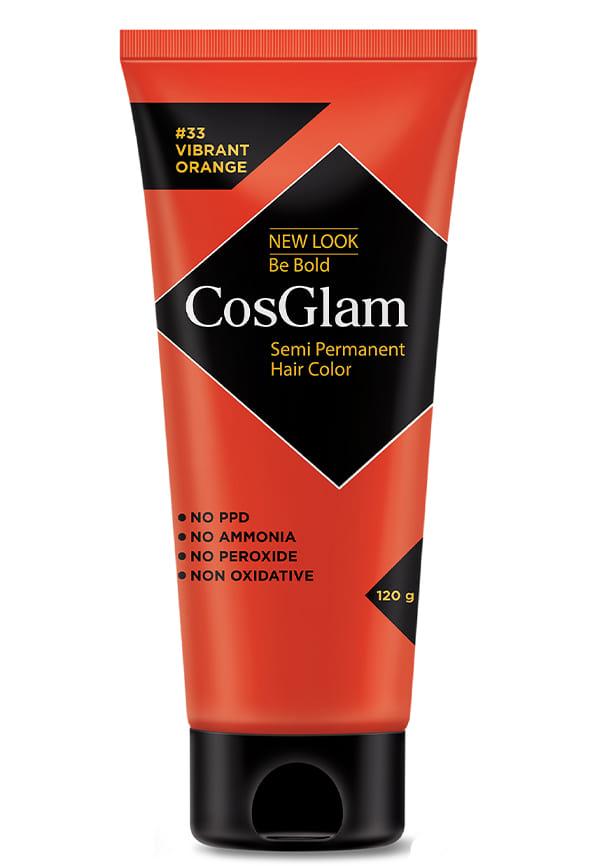
Nisha Cosglam Semi Permanent Hair Color, PPD & Ammonia Free | Electric Teal | 120gm Tube | Pack of 1
Pleasant Use, No Skin Benefits
 5
5“perfect good and does nothing to the skin it's just fascinating to use”
Ever wondered why your mate's haircare routine works wonders for them but leaves your hair looking like you've been through a wind tunnel? The secret lies in understanding your unique hair texture. Your hair texture is basically your hair's natural personality—and just like people, every strand has its own vibe. Whether you've got pin-straight locks, bouncy waves, tight curls, or gorgeous coils, knowing your texture type is the first step to giving your hair exactly what it needs. At Smytten, we've seen countless users discover their perfect haircare match once they cracked the code of their hair texture. Let's dive into this simple guide that'll help you identify your hair texture type and finally understand what your hair's been trying to tell you all along.
TL;DR
Hair texture refers to your hair's natural curl pattern, ranging from straight (Type 1) to coily (Type 4)
Simple at-home tests like the strand test and wash-and-air-dry method can help you identify your texture
Hair density, strand thickness, and porosity levels work alongside texture to create your complete hair profile
Understanding your texture helps you choose the right products and styling techniques for healthier, happier hair
Your hair texture can change over time due to hormones, damage, or treatments, so reassessment is key
Let's be real—hair texture isn't just about whether your hair is curly or straight. It's a whole science that involves your hair's natural curl pattern, how thick each strand is, how tightly packed your follicles are, and how well your hair absorbs moisture. Think of it as your hair's unique fingerprint.
The most common system for understanding hair texture types guide uses numbers 1 through 4, with subcategories A, B, and C. This system was developed by stylist Andre Walker (yes, Oprah's hairstylist!) and it's become the gold standard for identifying different hair textures. But here's where it gets interesting—your hair texture is largely determined by the shape of your hair follicle. Round follicles produce straight hair, while oval or flattened follicles create waves and curls.
Type 1 (Straight Hair): This hair grows straight from the scalp without any natural curl or wave. Type 1A is fine and thin, 1B has more body and slight bends, while 1C is the thickest with some waves that resist curling.
Type 2 (Wavy Hair): These wavy hair types have a gentle S-pattern. 2A waves are loose and fine, 2B waves are more defined with some frizz, and 2C waves are strong with definite curls mixed in.
Type 3 (Curly Hair): These curly hair patterns form springy, well-defined curls. 3A curls are large and loose, 3B curls are springy and voluminous, while 3C curls are tight and corkscrew-like.
Type 4 (Coily/Kinky Hair): This texture has tight curls or no visible curl pattern. 4A has soft coils, 4B has Z-pattern bends, and 4C has the tightest curl pattern with maximum shrinkage.
Ready to play detective with your hair? These tests will help you figure out exactly what you're working with. The best part? You probably have everything you need right at home.
Start with clean, product-free hair for the most accurate results. Wash your hair with a clarifying shampoo to remove any buildup, then skip the conditioner and styling products for these tests.
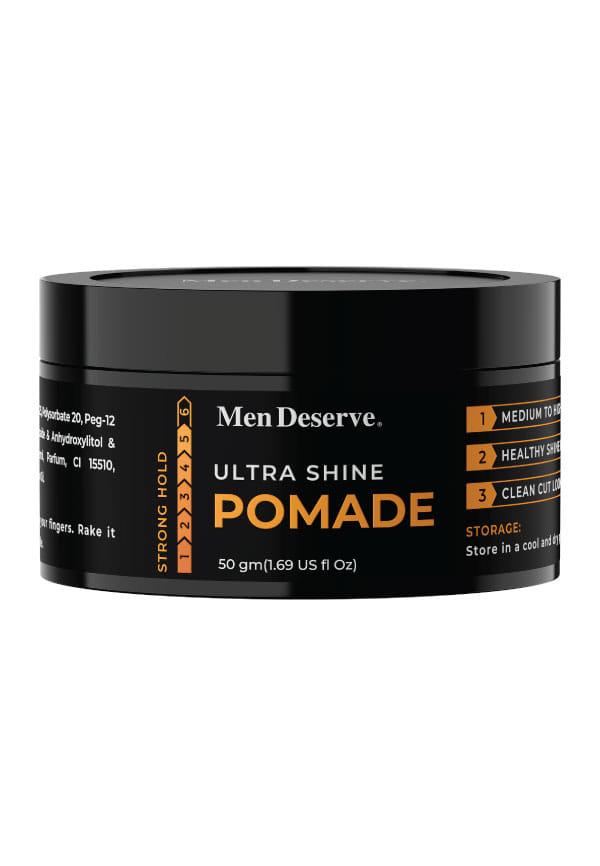
Hair Styling Ultra Shine Pomade for Strong Hold and Wet Look Hairstyle
Pluck a single hair from your head (we know, ouch!) and lay it on a white piece of paper. Compare its thickness to a piece of thread. If it's thinner than the thread, you've got fine hair. Similar thickness means medium, and thicker indicates coarse hair strands.
This is the ultimate test for understanding what is my hair texture naturally. After washing, gently squeeze out excess water with a microfibre towel and let your hair air dry completely without touching it. The pattern that emerges is your natural texture—no heat, no products, just pure honesty from your hair.
Gather your hair into a ponytail and measure the circumference. Less than 2 inches means low density, 2-3 inches is medium, and more than 3 inches indicates high density. This hair density meaning helps you understand how much hair you actually have on your head.
Take a wet strand and gently stretch it. Healthy hair should stretch about 50% of its length before breaking. If it snaps immediately, your hair might be damaged or have low elasticity.
Drop a clean strand into a glass of water. If it floats, you have low porosity. If it sinks slowly, you've got medium porosity. Quick sinking indicates high porosity hair.
While texture gets all the attention, hair porosity levels are equally important for understanding how your hair behaves. Porosity refers to your hair's ability to absorb and retain moisture, and it's determined by the condition of your hair's cuticle layer.
Low porosity hair has tightly closed cuticles that resist moisture but retain it well once it gets in. Medium porosity hair has slightly raised cuticles that allow moderate moisture absorption. High porosity hair has damaged or lifted cuticles that absorb moisture quickly but lose it just as fast.
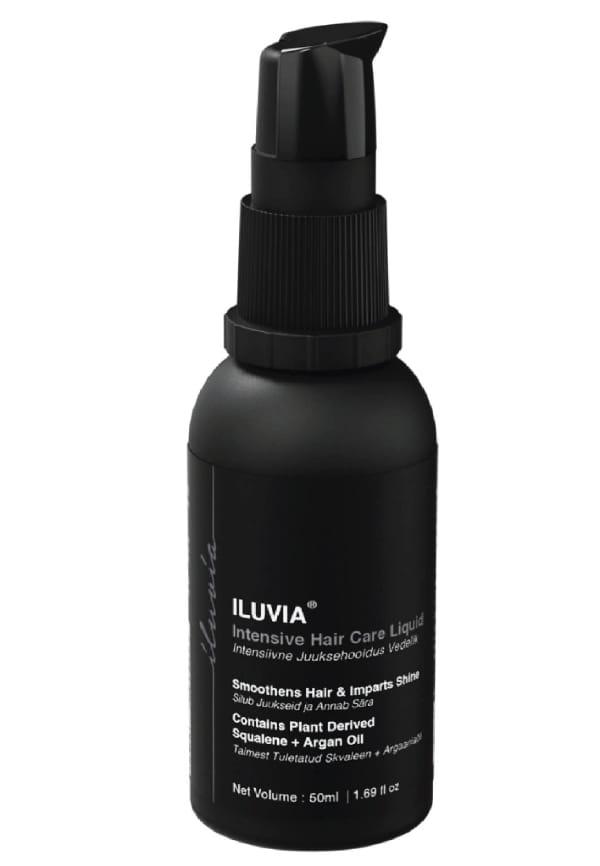
Intensive Haircare Serum | Softer, shiny, bouncier hair + Heat Protection
Good enough
5“good enough to use this product”
Lovely Serum, Slightly Sticky
4“love this serum and it's fragrance too, a Lil bit sticky though”
The spray bottle test is super quick—spritz some water on a section of clean hair. If the water beads up and rolls off, you have low porosity. If it absorbs slowly, you're medium porosity. Quick absorption means high porosity.
Understanding your porosity helps explain why some products work brilliantly for your friend but leave your hair feeling heavy or dry. It's not about the product being good or bad—it's about finding what works for your unique hair porosity level.
A hair texture chart is like a roadmap for your hair journey. These visual guides help you compare your hair's characteristics against standardised examples, making identification much easier than guessing.
When using a chart, look at your hair in natural light and compare the curl pattern, not just the appearance. Remember, your hair might not fit perfectly into one category—many people have multiple textures on their head, with different patterns at the crown, sides, and back.
Combine all your test results to create a comprehensive picture. You might be a 2B with medium density, fine strands, and low porosity. Or perhaps you're a 3C with high density, coarse strands, and high porosity. Each combination requires a slightly different approach to care and styling.
Document your findings and take photos of your natural hair texture. This becomes your baseline for tracking changes over time and helps when consulting with stylists or trying new products.
Absolutely! Hormonal changes, pregnancy, menopause, medication, chemical treatments, and even stress can alter your hair texture. Many people notice their hair becoming curlier or straighter during different life stages.
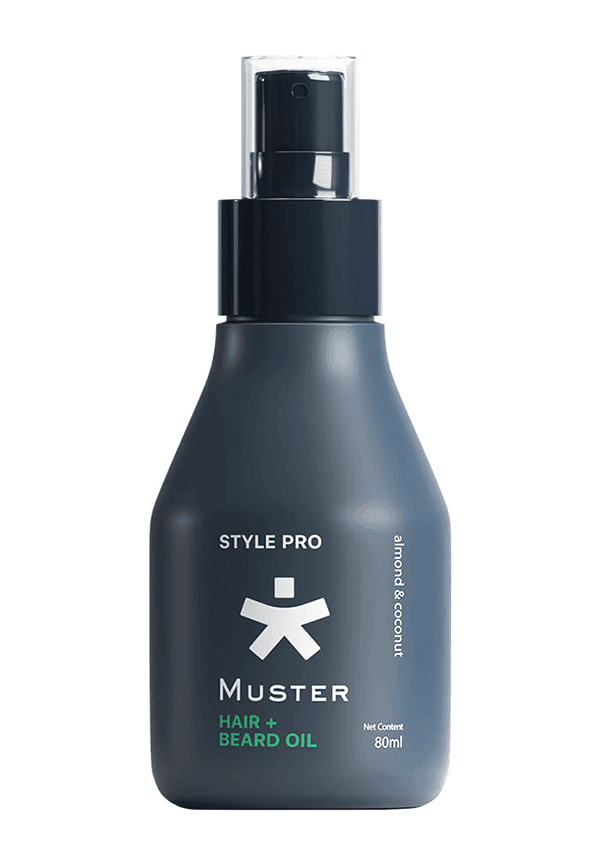
Style Pro Hair & Beard Oil
Great Product
5“nice product very useful good results”
Price Concerns
5“Cheaper But still Higher discount is needed”
Great Product Quality
5“nice product nice quality nice”
Hair texture refers to the curl pattern (straight, wavy, curly, coily), while hair type encompasses texture plus density, porosity, and strand thickness. Think of texture as one piece of the larger hair puzzle.
Focus on new growth near your roots, as this shows your natural texture without damage. You might need to wait for healthy hair to grow out or do a big chop to see your true texture.
Yes! It's completely normal to have different textures in different areas. Your crown might be curlier than your nape, or one side might be wavier than the other.
Smytten's trial packs let you test products specifically formulated for your hair texture without committing to full sizes. You can try different brands and formulations to see what works best for your unique hair profile.
Check in with your hair every 6-12 months, or whenever you notice significant changes in how your hair behaves. Major life changes, new medications, or chemical treatments are good times to reassess.
Understanding your hair texture is like getting to know a new friend—it takes time, observation, and patience. The combination of curl pattern, density, strand thickness, and porosity creates your unique hair signature. Remember, there's no "good" or "bad" hair texture—just different textures that need different approaches.
Start with the simple tests we've outlined, use them consistently, and don't be afraid to reassess as your hair changes. Your hair texture identification journey is ongoing, and what works today might need tweaking tomorrow. The key is staying curious and responsive to what your hair is telling you.
Most importantly, embrace your natural texture. Whether you're working with pin-straight strands or tight coils, your hair is beautiful when it's healthy and well-cared for. Focus on understanding and nurturing what you have rather than fighting against it.
Discovering your hair texture type is just the beginning of your haircare journey, and having the right products makes all the difference. Smytten is India's largest product discovery and trial platform, connecting consumers with top lifestyle, beauty, wellness, and grooming brands. With curated trial packs from over 2,400 trusted brands such as Cetaphil, Dot & Key, True Elements, Oziva, Renee, Swiss Beauty, Love Beauty & Planet, WishCare, Carlton London, and Bella Vita, you can explore haircare products specifically suited to your texture type before committing to full-size purchases. Each mini is linked with Trial Points, and users can get up to 10 Trial Points for just ₹279, plus Smytten offers 100% cashback on the purchase of these minis, redeemable in the shop section for future orders. With over 28 million users and 100 million trial minis delivered across 90% pin code coverage, Smytten helps you make smarter, more confident choices for your unique hair needs. After all, why settle for 'maybe' when you can #TryItAll!
