Haircare
•07 min read

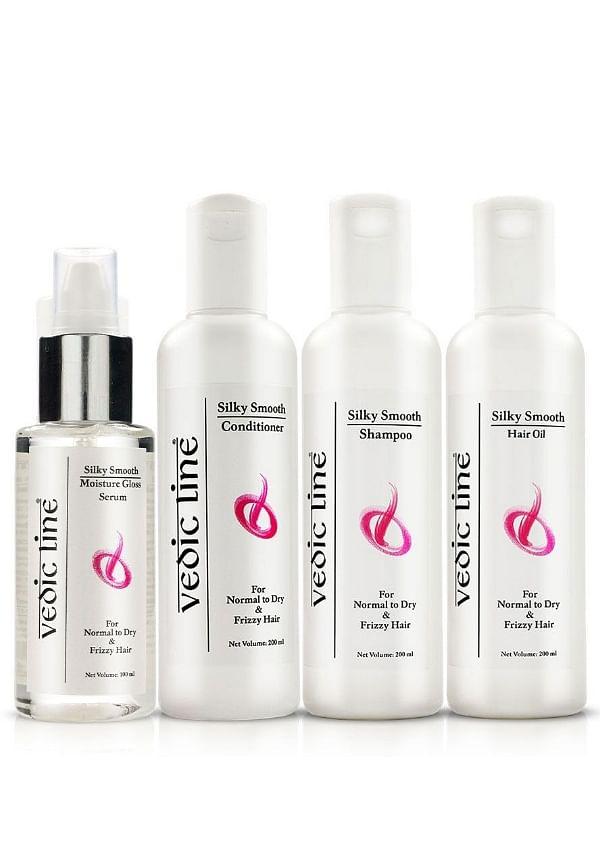
Silky Smooth Hair Revival Kit
Ever wondered why that expensive shampoo your mate swears by does absolutely nothing for your hair? Or why your locks look fab one day and flat the next? The secret lies in understanding your hair texture—the actual thickness of each strand. This best hair texture guide will help you decode your hair's unique blueprint and finally give it the care it deserves. Let's be real, most of us confuse hair type (straight, wavy, curly) with texture, but they're completely different things. Once you nail this distinction, you'll understand why certain products work magic whilst others fall flat.
Think of hair texture as your strand's diameter—basically how thick or thin each individual hair is. It's like comparing spaghetti to angel hair pasta. Both are pasta, but they cook differently and need different sauces, right? Same logic applies to your hair.
Here's where it gets interesting. Hair texture types refer to the actual thickness of your strands: fine, medium, or coarse. Hair type, on the other hand, is about the pattern—whether your hair grows straight (Type 1), wavy (Type 2), curly (Type 3), or coily (Type 4). You could have fine curly hair or coarse straight hair. Mind-blowing, isn't it? Why does this matter? Because a fine-haired person needs lightweight products that won't weigh their strands down, whilst someone with coarse hair can handle richer, heavier formulations. It's all about matching your products to your strand's actual structure.
A proper hair texture chart breaks down thickness into three main categories. Fine hair measures less than 60 micrometers in diameter—think delicate and easily damaged. Medium texture falls between 60-80 micrometers and tends to be the most versatile. Coarse hair exceeds 80 micrometers and can handle more intensive treatments. Genetics play the starring role here. Your natural hair texture is determined by the size of your hair follicles, which you inherit from your parents. Larger follicles produce thicker strands, whilst smaller ones create finer hair. Environmental factors and chemical treatments can affect how your hair behaves, but they won't change your actual texture.
Ready to become your own hair detective? These methods will help you identify your texture like a proper professional. No fancy equipment needed—just your hands and a bit of patience.
This is your starting point for hair texture analysis. Take a single strand between your thumb and forefinger. Fine hair will feel almost silky and might be hard to feel at all. Medium texture has a noticeable presence but isn't rough. Coarse hair feels substantial and might even feel slightly rough or bumpy. For fine hair care identification, pay attention to how easily the strand breaks. Fine hair is more fragile and snaps with minimal pressure. If you're looking for coarse hair tips, notice how resilient the strand feels—coarse hair can usually withstand more manipulation without breaking.
Grab a sewing thread and compare it to one of your hairs under good lighting. If your hair is thinner than the thread, you've got fine texture. Similar thickness means medium texture. Thicker than the thread? You're in coarse territory. This visual assessment works best with natural lighting or a bright lamp. Artificial lighting can make it harder to see the true diameter differences. Take your time with this one—it's worth getting right.
How your hair behaves when wet reveals loads about its texture and porosity. Fine hair typically gets saturated quickly and feels almost weightless when wet. Medium texture absorbs water at a moderate pace. Coarse hair takes longer to get fully wet and feels heavy when saturated. This connects directly to your hair porosity guide understanding. High porosity hair (often damaged or chemically treated) absorbs water rapidly regardless of texture, whilst low porosity hair repels water initially.
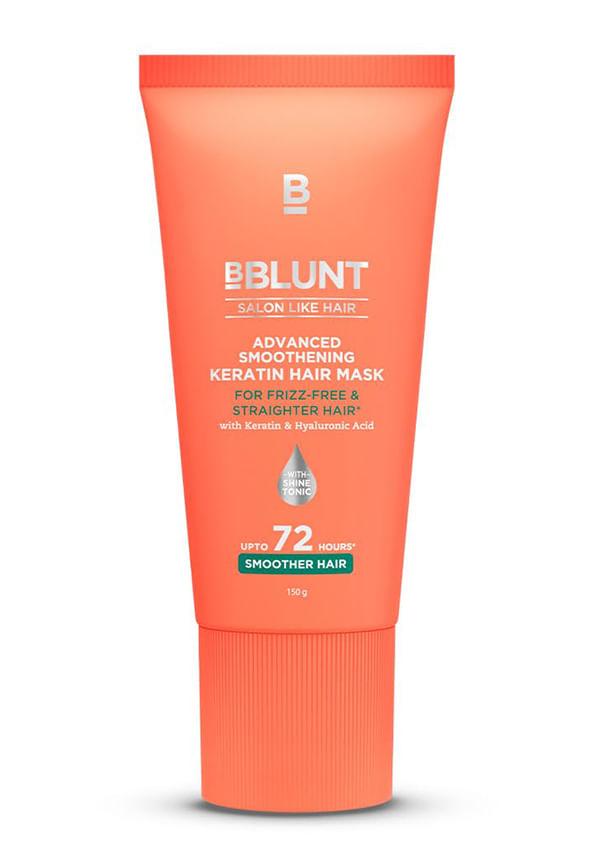
Advanced Smoothening Hair Mask with Keratin & Hyaluronic Acid
Great for Silky, Straight Hair
 5
5“very nice for hair. happy to use this product for my hair . silky and straight hair”
Great Product, Loved It
5“very nice loved it very much great product”
Loved product, recommend it
5“I just loved the product nd totally recommend it”
Pay attention to how your hair holds styles and responds to products. Fine hair often struggles to hold volume and can look greasy quickly with heavy products. Medium texture is the goldilocks of hair—not too much, not too little. Coarse hair can handle heavier products and often needs more moisture to look its best. Heat tool responsiveness also varies. Fine hair heats up quickly and can be damaged easily, whilst coarse hair takes longer to style but holds the style longer.
Now that you've got texture sorted, let's talk about its best mates: density and porosity. These three work together to create your hair's complete personality.
Hair density explained simply: it's about how many hairs you have per square inch of scalp, not how thick each strand is. You could have fine hair with high density (lots of thin strands) or coarse hair with low density (fewer thick strands). To check your density, part your hair and look at your scalp. If you can see your scalp easily, you likely have low density. Moderate scalp visibility means medium density. Can't see much scalp? High density it is. This affects everything from how much product you need to which styling techniques work best. High density hair needs more product and takes longer to dry, whilst low density hair can be overwhelmed by too much product.
Your hair porosity guide understanding becomes crucial here. Porosity refers to how well your hair absorbs and retains moisture. Low porosity hair has tightly sealed cuticles, normal porosity has slightly raised cuticles, and high porosity has very raised or damaged cuticles. The float test is a classic: drop a clean strand in water. If it floats, you've got low porosity. Slow sinking means normal porosity. Quick sinking indicates high porosity. However, texture affects this too—coarse hair might sink faster simply because it's heavier.
Here's where the magic happens. Once you know your texture, you can build a routine that actually works with your hair instead of against it.
Fine hair care is all about adding body without weighing down your strands. Look for volumising shampoos with lightweight formulas. Avoid heavy oils and thick creams—they'll make your hair look flat and greasy. Protein treatments can be your best friend, but use them sparingly. Fine hair benefits from protein to strengthen the strands, but too much can make hair brittle. Mousse and lightweight gels work better than heavy creams for styling. Dry shampoo becomes essential for extending time between washes. Fine hair shows oil more quickly, so having a good dry shampoo in your arsenal is non-negotiable.
Medium texture is the most forgiving—you can experiment with different products and techniques. This texture typically handles both lightweight and heavier products well, depending on your other hair characteristics. Balanced formulas work best. Look for shampoos and conditioners that provide moisture without being too heavy. You can use leave-in treatments, but apply them mainly to mid-lengths and ends.
Coarse hair tips centre around moisture and manageability. Your hair can handle richer, more intensive treatments. Heavy creams, oils, and butter-based products are your friends. Deep conditioning becomes crucial—aim for weekly treatments. Coarse hair often has a rougher cuticle, so smoothing serums and oils help create shine and reduce frizz. Heat protectants are essential, but you might need higher heat settings to achieve your desired style. Just make sure to use quality products to prevent damage.
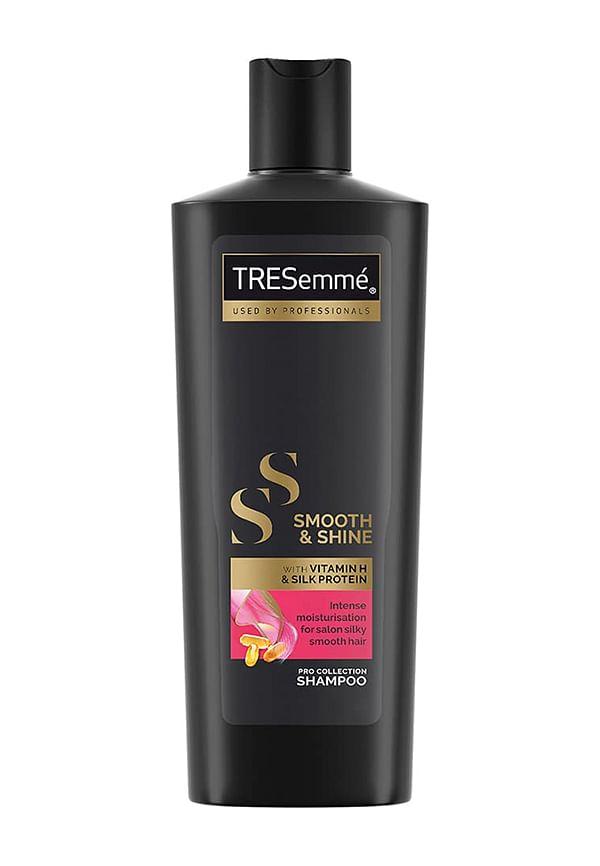
Smooth & Shine Shampoo
Now let's bring curl patterns into the mix. Your texture affects how your curl pattern behaves and what products work best.
Type 1 hair with fine texture tends to be very sleek but can lack volume. Medium texture straight hair is often the most manageable, whilst coarse straight hair might be resistant to styling but holds styles longer. For straight hair, texture determines whether you need volumising products (fine) or smoothing products (coarse). The best hair texture guide for straight hair focuses on working with your natural sleekness rather than fighting it.
Your wavy hair routine should absolutely consider texture. Fine wavy hair needs lightweight curl creams and gels that won't weigh down the waves. Coarse wavy hair can handle heavier creams and oils that help define and moisturise. Scrunching techniques work differently too. Fine wavy hair responds well to gentle scrunching with microfibre towels, whilst coarse wavy hair might need more intensive scrunching to encourage curl formation.
Curly hair products need to match your texture for best results. Fine curly hair benefits from lightweight leave-in conditioners and curl creams. Coarse curly hair thrives with rich butters and heavy creams. The key is understanding that your natural hair texture affects how products penetrate and perform. Fine curls might get weighed down by products that make coarse curls look amazing. Experimenting with different products can be expensive and frustrating. This is where platforms like Smytten become invaluable—you can try mini versions of various haircare products before committing to full sizes. With over 1,500 trusted brands available, you can test different formulations to find what works specifically for your texture and curl pattern combination.
Honestly? There's no "best" hair texture. Each type has its own advantages. Fine hair is often silky and smooth, medium texture is versatile and manageable, whilst coarse hair is strong and holds styles well. The key is working with what you've got rather than wishing for something different.
You can't permanently change your natural texture, but you can optimise what you have. Proper care, the right products, and techniques suited to your texture will make your hair look and feel its best. Temporary changes are possible with heat styling or chemical treatments, but these should be done carefully to avoid damage.
Wave patterns (2A, 2B, 2C) describe the shape of your waves, not the texture. You could have fine 2C hair or coarse 2A hair. Look at the wave pattern first—2A is barely wavy, 2B has more defined waves, and 2C has strong waves that border on curly. Then assess the actual strand thickness separately.
Again, this is about curl pattern, not texture. 3C hair has tight corkscrews, whilst 4A has soft coils. Both can come in fine, medium, or coarse textures. The curl pattern affects styling and product choice, but texture determines the weight and intensity of products you can use.
Understanding your hair texture is like having a roadmap to better hair days. It's not about having the "perfect" texture—it's about knowing what you're working with and choosing products and techniques accordingly. Remember, your texture might change over time due to hormones, age, or chemical treatments, so reassess periodically. What worked in your twenties might not work in your thirties, and that's completely normal. The beauty of modern haircare is the sheer variety of products available. Whether you're dealing with fine hair that needs volume, coarse hair that craves moisture, or anything in between, there's something out there for you. Smytten makes this discovery process easier and more affordable—you can explore different brands and formulations through their trial packs without the commitment of full-size purchases. With 100% cashback on trial orders and access to over 1,500 brands, you can experiment until you find your perfect match. After all, why settle for 'maybe' when you can try it all?
