How to Identify Your Fine Hair Characteristics

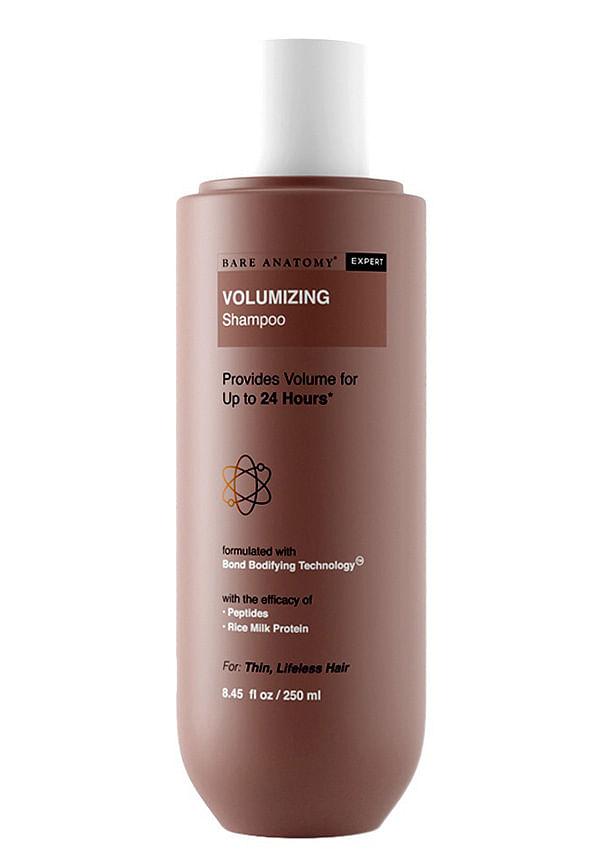
Expert Volumizing Hair Shampoo For Thicker, Fuller And Healthy Hair
Amazing Product with Good Texture
 5
5“Amazing and good texture overall really good product”
Must-have for Strengthening & Volume
5“a must have shampoo if you are someone who is looking to strengthen and volumnize your hair”
Nice Bare Anatomy Shampoo
5“nice shampoo thank you bare anatonmy”
Ever wondered why your hair feels different from your friend's, even though you both use the same products? The answer might lie in understanding the characteristics of fine hair. Fine hair isn't just about having less hair—it's about the actual structure and diameter of each individual strand. Whether your hair falls flat by midday, gets oily faster than you'd like, or struggles to hold volume, knowing your hair's unique traits is the first step to giving it the care it deserves. Let's dive into what makes fine hair tick and how you can work with its natural properties rather than against them.
Fine hair gets its name from the narrow diameter of each individual strand, not from the total amount of hair on your head. Think of it like comparing thread to rope—both serve their purpose, but they're built differently. The characteristics of fine hair include strands that typically measure less than 62 micrometers in diameter, giving them a delicate, silky texture that feels almost weightless between your fingers.
Here's what sets fine hair apart:
Narrow hair shaft diameter: Each strand is thinner than medium or coarse hair types
Smooth cuticle layer: Creates that signature silky feel but also means less grip for styling products
Delicate structure: More prone to breakage and damage from heat or harsh handling
Genetic factor: Usually inherited, meaning your hair texture is determined before you're even born
It's worth noting that fine hair and thin hair aren't the same thing. You can have fine hair that's dense (lots of individual strands) or fine hair that's sparse. Similarly, someone with thick individual strands might have fewer of them overall, creating the appearance of thin hair. Understanding this difference is crucial for choosing the right haircare for fine hair.
Not sure if your hair qualifies as fine? These simple at-home tests can help you figure out your hair's characteristics without needing a professional assessment. Each test focuses on different aspects of fine hair behaviour and structure.
Take a single strand of clean, dry hair between your thumb and forefinger. Fine hair will feel almost imperceptible—like touching silk thread. If you can barely feel the strand or it seems to disappear between your fingers, you likely have fine hair.
Part your hair naturally and look at your scalp in good lighting. With fine hair, you might notice your scalp is more visible through the strands, especially when your hair is wet or styled in certain ways. This doesn't necessarily mean you have less hair—just that each strand covers less surface area.
Gather your hair into a ponytail with a standard elastic band. If the circumference feels smaller than a 10-pence coin, you likely have fine hair. This test combines both strand thickness and overall density to give you a clearer picture.
Drop a clean strand of your hair into a glass of water. Fine hair typically sinks slowly or floats briefly before sinking, as it has less cuticle layer to create resistance. Coarser hair tends to float longer due to its thicker structure.
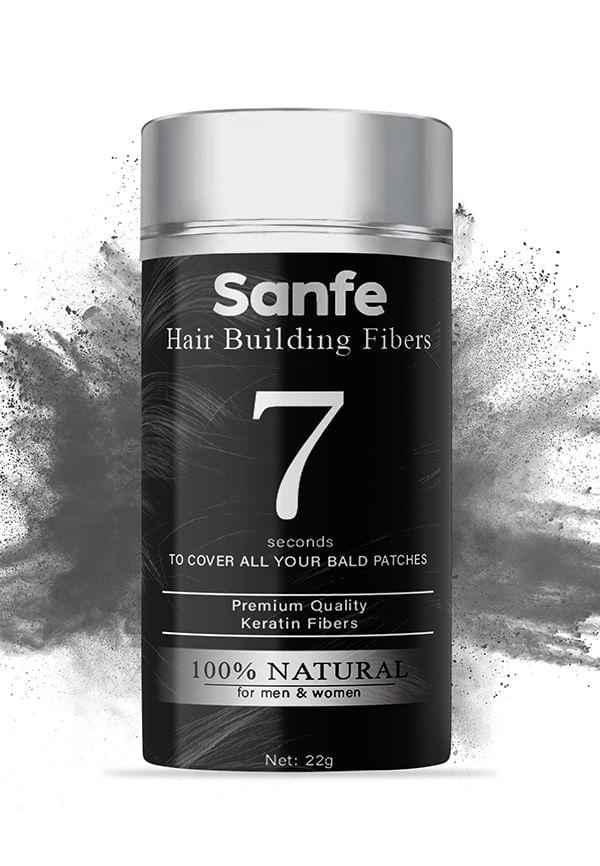
Instant Bald Spot Covering Fibers
Understanding why fine hair behaves the way it does can help you work with its natural tendencies rather than fighting against them. Most fine hair challenges stem from the same structural characteristics that give it its delicate, silky feel.
Fine hair naturally lies flatter against the scalp because each strand has less body and structure. The smooth cuticle layer means strands slip past each other easily, making it harder to create and maintain lift at the roots. This is why volumizing fine hair requires specific techniques and products designed for lightweight lift.
Natural oils from your scalp travel down fine hair strands much faster than they would on coarser hair. The smooth surface provides less resistance, meaning your hair can look greasy within a day or two of washing. This is completely normal and doesn't mean you're producing more oil than others.
The delicate structure of fine hair makes it more vulnerable to heat damage, chemical processing, and even rough handling. Each strand has less protective cuticle layer, so damage can occur more quickly and be more noticeable than on thicker hair types.
Heavy products that work beautifully on coarse hair can weigh down fine strands, leaving them looking limp and lifeless. This is why fine hair styling requires a completely different approach, focusing on lightweight formulas and strategic application techniques.
Not all fine hair is created equal. Understanding your specific fine hair texture helps you choose the most effective products and styling methods for your unique hair type.
This combination tends to show oil and lack of volume most prominently. The straight pattern means oils travel down the shaft quickly, and there's minimal natural texture to create body. Fine hair tips for this type include dry shampoo between washes and root-lifting products.
The natural wave pattern can actually help create the appearance of more volume, but fine wavy hair often struggles with frizz and maintaining curl definition. The key is finding products that enhance waves without weighing them down.
Perhaps the most challenging combination, fine curly hair needs moisture to maintain curl pattern but can easily become weighed down by heavy creams. This hair type benefits from gel-based products and careful scrunching techniques.
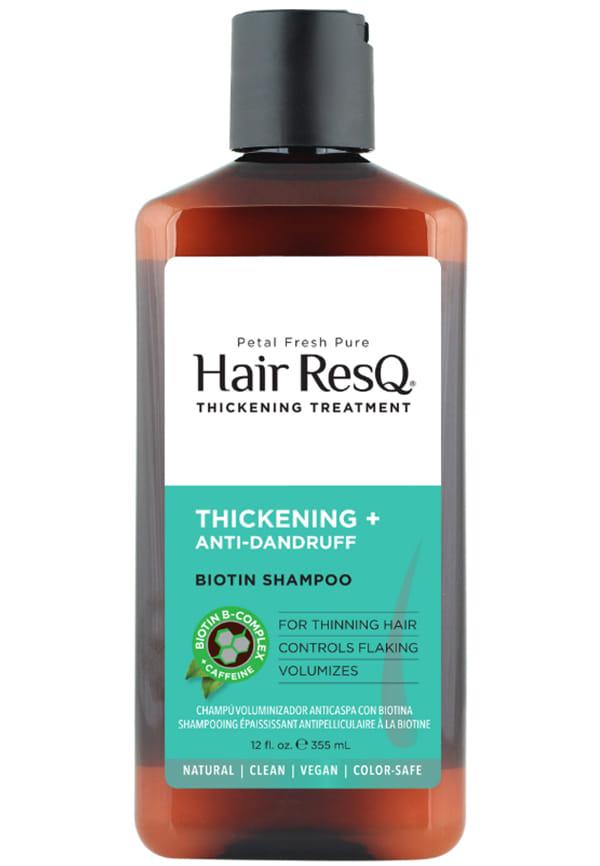
Hair ResQ Thickening Shampoo Anti-Drandruff
You can have lots of fine strands (dense) or fewer fine strands (sparse). Dense fine hair might feel fuller but still struggle with oiliness and styling challenges. Sparse fine hair focuses more on creating the illusion of thickness and coverage.
The right haircare routine can transform how your fine hair looks and feels. It's all about choosing products that work with your hair's natural characteristics rather than overwhelming its delicate structure.
When selecting the best shampoo for fine hair, look for volumizing or clarifying formulas that won't leave residue. Avoid anything labelled as 'moisturising' or 'heavy-duty repair' unless your hair is severely damaged. These formulas often contain ingredients that can weigh down fine strands.
Lightweight volumizing shampoos: Clean without stripping, add body without weight
Dry shampoos: Extend time between washes and add texture
Root-lifting sprays: Create lift where you need it most
Texturizing sprays: Add grip and hold for styling
Heavy oils and serums: Can make fine hair look greasy and flat
Thick leave-in conditioners: Often too heavy for fine hair structure
Protein-heavy treatments: Can make fine hair feel stiff and brittle
Discovering the right fine hair products often involves trial and error. This is where platforms like Smytten become invaluable—you can try mini versions of different haircare products before committing to full sizes. With over 1,500 trusted brands available, including specialised haircare lines, you can explore what works for your specific fine hair needs without the risk of purchasing products that might weigh your hair down.
The right cut and styling approach can make fine hair appear fuller and more voluminous. It's about creating the illusion of thickness while working with your hair's natural tendencies.
Fine hair haircuts that work best typically involve strategic layering and length considerations. Blunt cuts can make fine hair appear thicker, while subtle layers add movement without removing too much density. Bobs and lobs (long bobs) often work beautifully because they create the appearance of fullness while being manageable for daily styling.
Blow-dry upside down: Creates lift at the roots naturally
Use round brushes: Lift sections while drying for added body
Cool shot finish: Sets the style and adds longevity
Strategic teasing: Gentle backcombing at roots for extra height
While you can't actually change your hair's structure, several techniques can create the illusion of thicker hair:
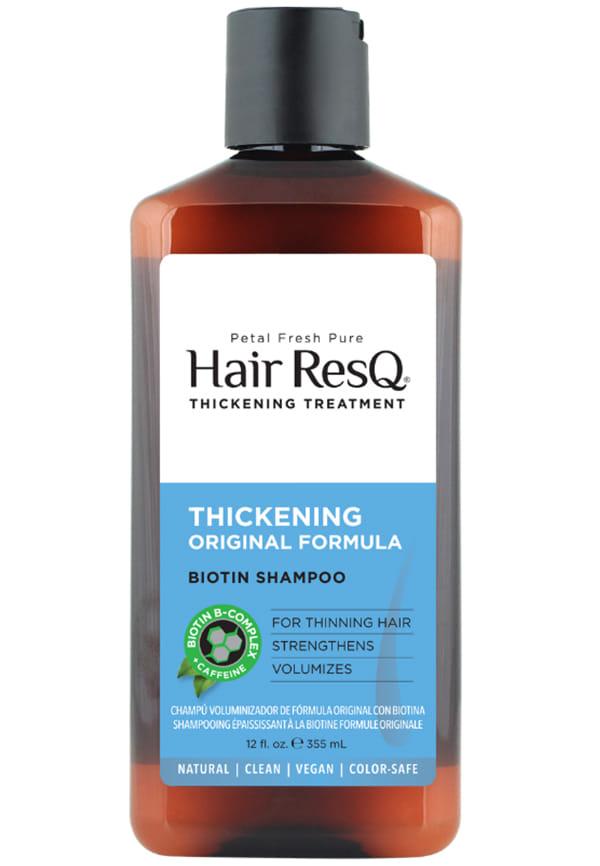
Hair ResQ Ultimate Thickening Shampoo Normal Hair
Texturizing products: Add grip and separation between strands
Strategic highlighting: Creates depth and dimension
Proper sectioning: Ensures even product distribution
Regular trims: Prevent thin, wispy ends that make hair look sparse
Remember, achieving thin hair volume is about consistency in your routine rather than one-off treatments. The key is finding techniques that you can realistically maintain as part of your daily or weekly haircare ritual.
Not necessarily. Fine refers to the diameter of individual strands, while thin refers to the overall density of hair on your head. You can have fine hair that's very dense, giving the appearance of thick hair, or coarse hair that's sparse, appearing thin.
The actual diameter of your hair strands is determined genetically and doesn't change. However, proper care can prevent breakage and damage, making your hair appear fuller and healthier. Certain treatments and products can also create the illusion of thicker hair.
Fine hair has a smooth cuticle layer that allows natural oils to travel down the hair shaft more quickly than on coarser hair types. This means oils from your scalp reach the ends faster, making your hair appear greasy sooner.
The basic characteristics of fine hair are the same regardless of gender. However, men's fine hair might appear different due to shorter lengths, different styling products, and hormonal factors that can affect hair density over time.
Yes, this refers to having fine individual strands but high density overall. This combination can actually be quite manageable, as you get the benefits of fullness without the weight that comes with coarse, dense hair.
The biggest mistakes include using too much product, applying heat without protection, rough towel drying, and using brushes or combs that are too harsh. Fine hair requires a gentler approach in all aspects of care and styling.
Understanding the characteristics of fine hair is the foundation for developing an effective haircare routine that works with your hair's natural properties. Fine hair isn't a limitation—it's simply a different hair type that requires specific approaches to look its best. From choosing the right products to mastering styling techniques, every aspect of fine hair care focuses on enhancing what you have rather than fighting against it.
The journey to finding your perfect haircare routine doesn't have to involve expensive mistakes or cupboards full of unsuitable products. Smytten's trial platform allows you to discover what works for your specific fine hair needs through mini-sized products from trusted brands. With options to try up to 8 minis for just ₹249 and 100% cashback on purchases, you can explore different formulations and find your perfect match without the commitment. After all, why settle for products that weigh your fine hair down when you can discover lightweight formulas that help it thrive?
