How to Identify the Root Causes of Flaky Scalp
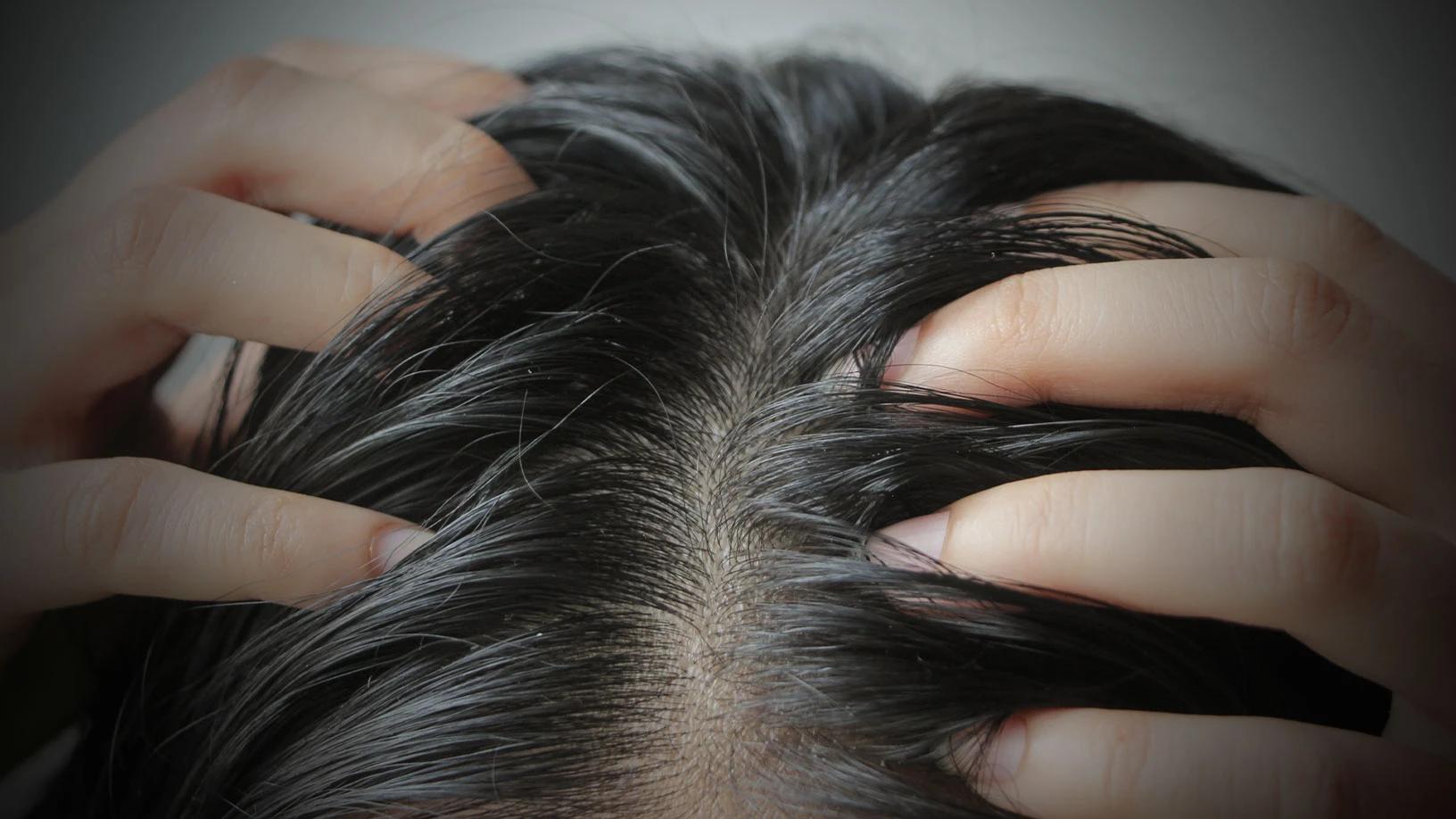

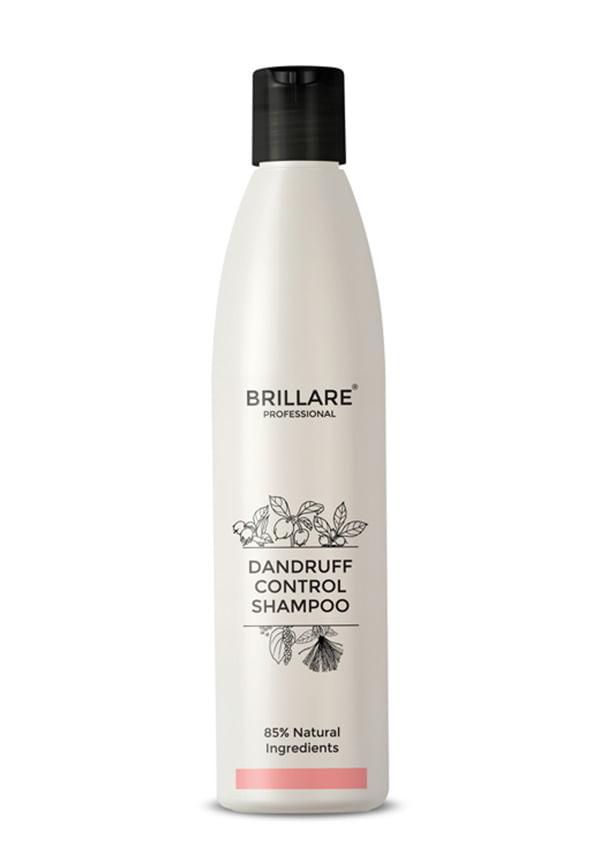
Dandruff Control Shampoo For Itchy, Flaky Scalp
Nourishing & Dandruff-Fighting Shampoo
 5
5“This shampoo deeply nourishes the scalp and strengthens the hair from roots to tips. and removes all dandruff within 2..4 wash”
Love this product, order every time
5“love this product i ordered it every time”
Quick Results, Gentle & Amazing Quality
5“you will see results quickly rather than anything, very gentle small quantity enough , quality amazing”
Dealing with a flaky scalp can feel like a never-ending battle, especially when you're not sure what's causing those pesky white bits on your shoulders. Let's be real—it's frustrating when you've tried every shampoo on the shelf but still can't figure out why your scalp keeps acting up. The thing is, not all flaky scalps are created equal, and understanding the root causes of flaky scalp is your first step towards finding a solution that actually works. Whether it's dryness, dandruff, or something more complex, getting to the bottom of what's happening up there will save you time, money, and a lot of hair-washing frustration.
Before we dive into the detective work, it's worth knowing what we're actually dealing with. A flaky scalp isn't just one thing—it's more like an umbrella term for when your scalp decides to shed dead skin cells in a way that's visible and often annoying. The key thing to remember is that flaking is actually normal. Your scalp naturally sheds dead skin cells every day, but when this process goes into overdrive or the cells clump together, that's when you start noticing those telltale flakes. What makes things tricky is that several different scalp conditions can cause similar-looking symptoms, but they need completely different approaches to fix them. Some people assume all scalp flaking is dandruff, but that's not always the case. Dry scalp causes are often environmental—think cold weather, indoor heating, or over-washing—whilst dandruff is typically linked to an overgrowth of yeast on your scalp. The flakes might look similar at first glance, but they're telling very different stories about what's happening underneath.
Now let's get into the nitty-gritty of what might be causing your scalp to flake. Think of this as your diagnostic toolkit—the more you understand about each cause, the better you'll be at identifying which one matches your situation.
Dry scalp is probably the most straightforward cause of flaking, and it's exactly what it sounds like—your scalp isn't getting enough moisture. This often happens when the natural oils that keep your scalp healthy get stripped away or when environmental factors suck the moisture right out of your skin. Cold weather and low humidity are major culprits here. When the air is dry, it pulls moisture from your scalp, leaving it tight and flaky. Indoor heating during winter months can make this even worse. If you've noticed your flaking gets worse during certain seasons, this might be your answer. Your haircare routine could also be part of the problem. Washing your hair too frequently, using water that's too hot, or choosing harsh shampoos can all strip away your scalp's natural protective oils. The result? Small, white, dry flakes that feel different from the oilier flakes you get with dandruff.
Now we're talking about one of the most common dandruff causes—an overgrowth of a yeast called Malassezia. This little organism lives on everyone's scalp, but sometimes it decides to throw a party and multiply rapidly, leading to inflammation and faster skin cell turnover. Seborrheic dermatitis is the medical term for this condition, and it creates larger, yellowish, oily flakes that are quite different from dry scalp flakes. You might also notice some redness or irritation, and the flakes tend to stick to your hair rather than falling off easily. Stress, hormonal changes, and even certain medical conditions can trigger this type of flaking. If you've been going through a particularly stressful period or have noticed other changes in your body, this could explain why your scalp has suddenly started acting up.
Sometimes the very products we use to care for our hair end up being the problem. Contact dermatitis happens when your scalp reacts to something it doesn't like—could be a new shampoo, styling product, or even hair dye. Product buildup is another sneaky cause of flaking. When you use lots of styling products or don't rinse thoroughly, residue can accumulate on your scalp, leading to irritation and flaking. This is particularly common if you use dry shampoo frequently or apply leave-in treatments near your roots.
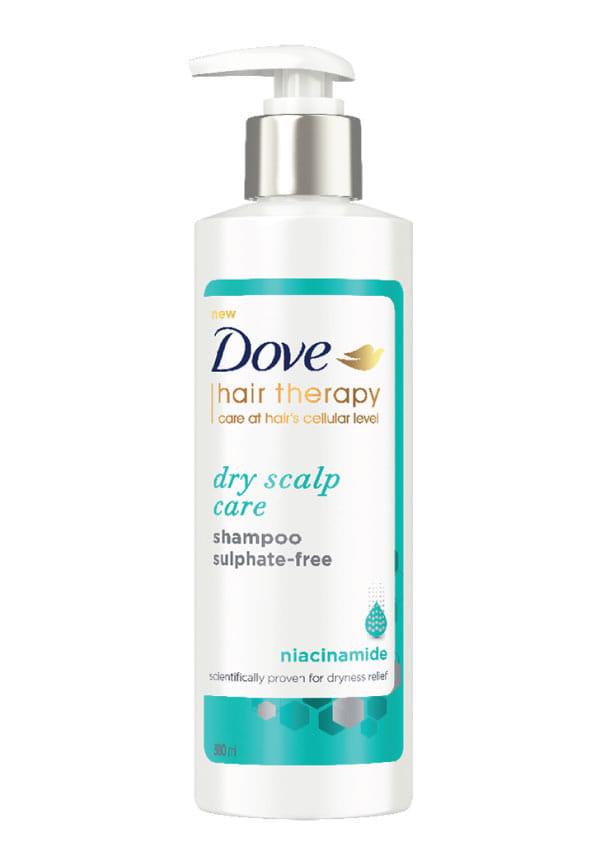
Hair Therapy Dry Scalp Care Sulphate-Free Shampoo
Whilst most flaky scalp issues are relatively straightforward to manage, sometimes there's a more complex medical condition at play. Knowing when your symptoms might indicate something that needs professional attention is important.
Scalp psoriasis is an autoimmune condition that causes thick, silvery scales to form on your scalp. These aren't your typical flakes—they're usually much thicker and can extend beyond your hairline onto your forehead, neck, or behind your ears. Unlike regular dandruff, psoriasis scales tend to be well-defined patches rather than scattered flakes. You might also experience some bleeding if you try to remove the scales, which is a key differentiator from other scalp conditions.
Eczema on the scalp can also cause flaking, usually accompanied by intense itching and red, inflamed patches. This condition often runs in families and might be triggered by stress, certain foods, or environmental allergens. The flakes from eczema tend to be accompanied by significant itchy scalp causes, and you might notice the skin looks particularly red or feels tender to touch.
Time to put on your detective hat and really examine what's happening with your scalp. A proper self-assessment can give you valuable clues about which type of flaking you're dealing with.
Start by looking closely at your flakes. Are they small and white, or larger and yellowish? Do they feel dry and powdery, or are they slightly oily? The characteristics of your flakes can tell you a lot about what's causing them. Next, examine your scalp itself. Is it red or inflamed? Does it look particularly dry or, conversely, quite oily? Are there specific areas where the flaking is worse, or is it spread evenly across your entire scalp?
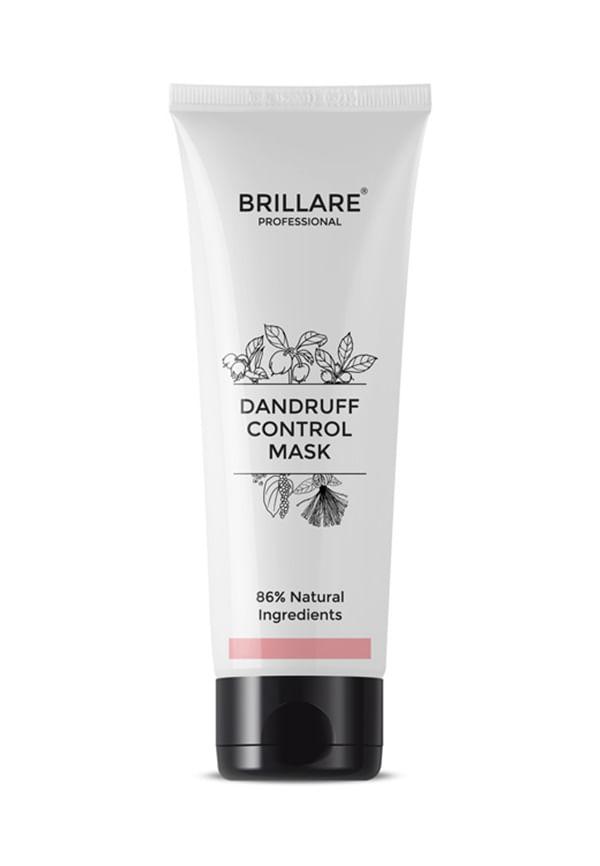
Dandruff Control Mask For Itchy, Flaky Scalp
Excellent Hair Mask
5“Good and effectve hair mask Been using for 2 years ”
Effective for Dandruff
5“go for it guys. it's worked very well. those who have dandruff don't think before buying.”
Keeping track of when your symptoms are worse can reveal important patterns. Does the flaking get worse after you wash your hair, or when you're stressed? Do certain products seem to make it better or worse? Pay attention to any itchy scalp causes as well. Is the itching constant, or does it come and go? Is it worse at certain times of day or in particular environments?
Once you've identified what's likely causing your flaky scalp, you can choose treatments that actually target the root problem rather than just masking the symptoms.
For dry scalp, the focus should be on gentle moisturising and avoiding anything that strips away natural oils. Look for dry scalp remedies that include ingredients like coconut oil, argan oil, or hyaluronic acid. Consider reducing how often you wash your hair, and when you do wash it, use lukewarm water instead of hot. A gentle, sulfate-free shampoo can make a huge difference, as can incorporating a weekly deep conditioning treatment.
For dandruff and seborrheic dermatitis, you'll need ingredients that can tackle the yeast overgrowth. Look for shampoos containing ketoconazole, selenium sulfide, or zinc pyrithione. These are specifically designed to control the Malassezia yeast that causes this type of flaking. Rotating between different medicated shampoos can be more effective than sticking to just one, as it prevents the yeast from developing resistance.
If you suspect product sensitivity, try eliminating potential triggers one by one. Switch to the most basic, fragrance-free products you can find and see if your symptoms improve. Once your scalp has calmed down, you can slowly reintroduce products to identify which ones were causing problems. This is where platforms like Smytten become incredibly useful. Rather than committing to full-size products that might not work for your sensitive scalp, you can try mini versions of different flaky scalp treatment options. With over 1,500 trusted brands available, you can explore gentle, hypoallergenic formulations from brands like Cetaphil and others without the risk of wasting money on products that don't suit your scalp.
Once you've got your flaking under control, maintaining good scalp health is all about consistency and understanding what works for your particular scalp type. The frequency of hair washing should match your scalp's needs—oily scalps might need daily washing, whilst dry scalps do better with less frequent washing. Pay attention to seasonal changes too; you might need to adjust your routine when the weather changes. Stress management plays a bigger role in scalp health than many people realise. High stress levels can trigger both dandruff and other scalp conditions, so finding ways to manage stress can actually improve your scalp health. Diet can also influence your scalp condition. Foods rich in omega-3 fatty acids, zinc, and B vitamins can support healthy skin and scalp function.
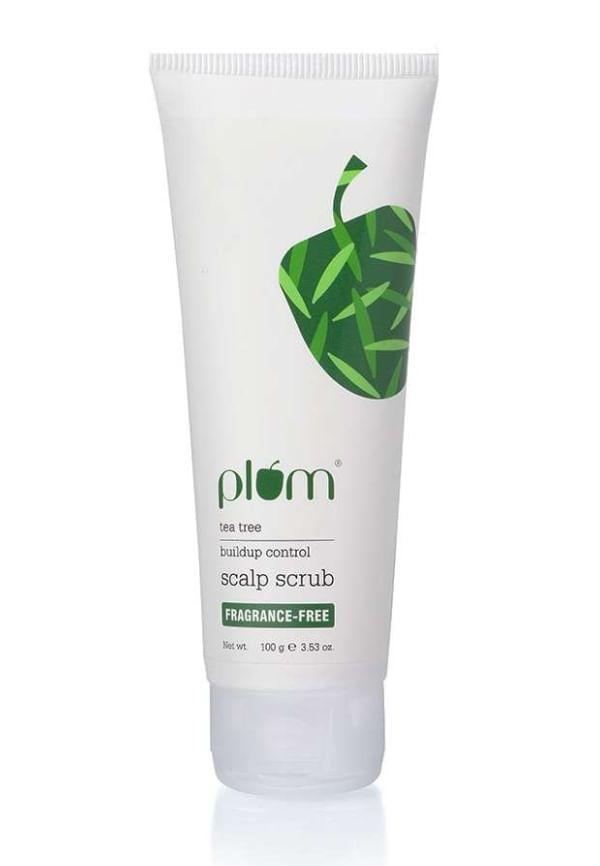
Tea Tree Buildup Control Scalp Scrub
Whilst many flaky scalp issues can be managed at home, there are times when professional help is necessary. If you've tried over-the-counter treatments for several weeks without improvement, or if your symptoms are severe, it's time to see a dermatologist. Red flag symptoms include severe itching that interferes with sleep, patches of hair loss, thick scales that bleed when removed, or flaking that spreads beyond your scalp to other areas of your body. These could indicate more serious conditions that need professional treatment.
Start with gentle, frequent washing using a mild shampoo to remove excess oil and dead skin. If basic care doesn't help within 2-3 weeks, try medicated dandruff shampoos containing zinc pyrithione or ketoconazole 2-3 times weekly.
Address dry scalp flakes through gentle scalp massages with moisturising oils, using sulfate-free shampoos, deep conditioning treatments, and maintaining proper hydration. Avoid hot water and over-washing.
Dry scalp produces small, white flakes due to moisture loss, whilst dandruff creates larger, yellowish, oily flakes caused by excess oil and yeast overgrowth. Dry scalp feels tight; dandruff often appears with scalp redness.
Consult a dermatologist if you experience thick, silvery scales, severe itching with red patches, hair loss, or if over-the-counter treatments fail after 4-6 weeks of consistent use.
Identifying the root causes of flaky scalp doesn't have to be a guessing game. By understanding the different types of scalp conditions and their unique characteristics, you can choose treatments that actually address your specific issue rather than just hoping for the best. Remember, finding the right solution often involves some trial and error. What works for your friend might not work for you, and that's completely normal. The key is being patient with the process and paying attention to how your scalp responds to different approaches. With Smytten's trial packs, you can explore various itchy scalp remedies and treatments without committing to full-size products. This approach lets you test different formulations and find what truly works for your scalp, making the journey to healthier hair much more affordable and less risky. After all, why settle for maybe when you can try it all and find your perfect scalp care routine?
