How to Identify the Causes of Scalp Buildup

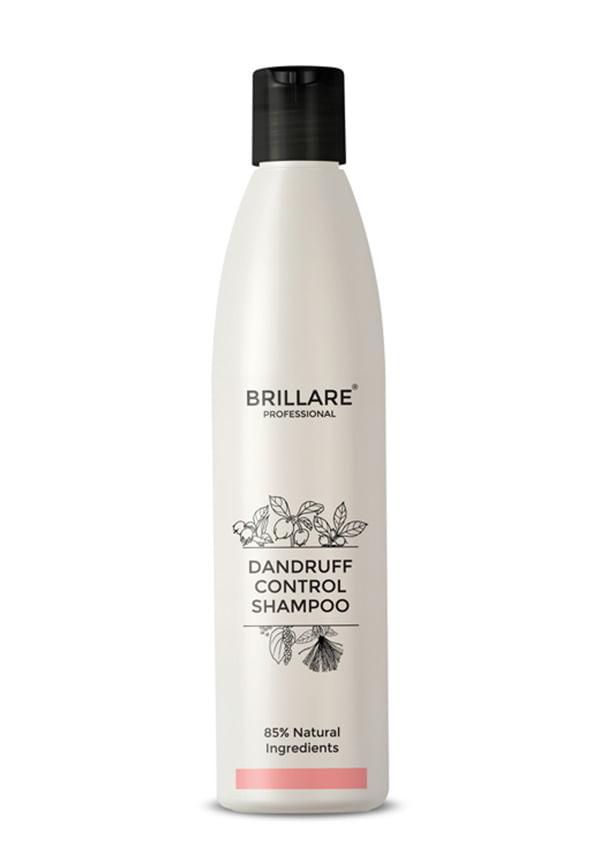
Dandruff Control Shampoo For Itchy, Flaky Scalp
Nourishing & Dandruff-Fighting Shampoo
 5
5“This shampoo deeply nourishes the scalp and strengthens the hair from roots to tips. and removes all dandruff within 2..4 wash”
Love this product, order every time
5“love this product i ordered it every time”
Quick Results, Gentle & Amazing Quality
5“you will see results quickly rather than anything, very gentle small quantity enough , quality amazing”
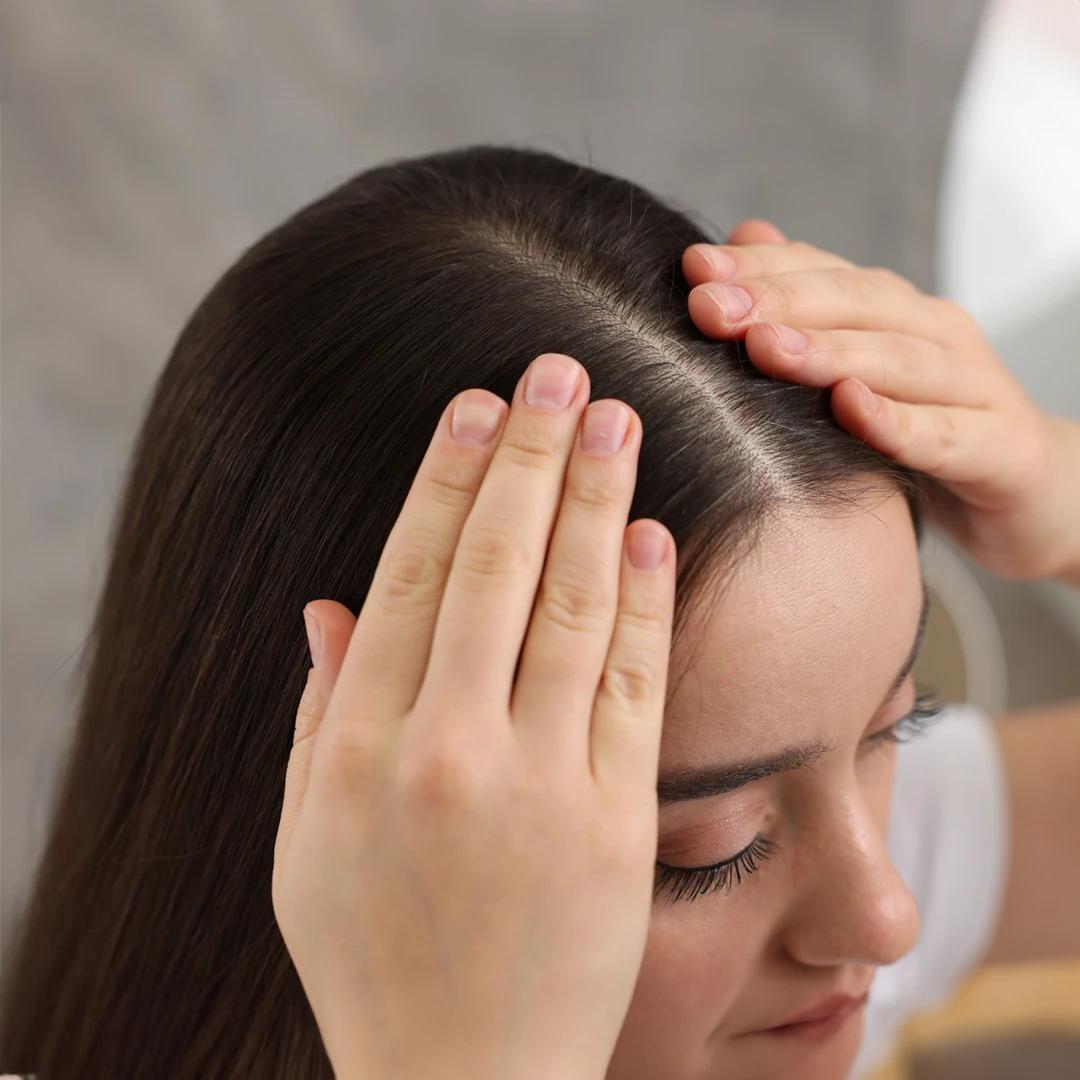
You know that moment when you run your fingers through your hair and feel something... off? Maybe it's a waxy texture, or flakes that aren't quite dandruff, or your scalp feels like it's wearing a heavy mask. That's scalp buildup talking, and honestly, it's more common than you'd think. The thing is, figuring out what's actually causing it can feel like solving a mystery. Is it your shampoo? Your water? Something deeper? Let's break down the real causes of scalp buildup so you can finally get to the root of what's going on up there.
Real talk — scalp buildup isn't just "dirty hair." It's when dead skin cells, natural oils, styling products, and environmental grime create a layer on your scalp that your regular shampoo can't shift. Think of it like when you don't clean your makeup brushes for weeks — everything just accumulates.
The scalp buildup symptoms are pretty telling once you know what to look for. Your hair might feel heavy even when it's clean, or your scalp could feel itchy and irritated for no obvious reason. Sometimes you'll notice white or yellowish flakes that are thicker and more waxy than regular dandruff. Your hair products might not work as well as they used to, and your scalp might feel tender to touch.
Here's where it gets tricky — scalp buildup and dandruff can look similar, but they're different beasts. Dandruff flakes are usually smaller, whiter, and more powdery. Buildup creates thicker, more stubborn flakes that might have a waxy or greasy feel. Dandruff causes typically involve an overgrowth of yeast on the scalp, whilst buildup is more about accumulation of external stuff.
When you're dealing with hair follicle blockage from buildup, your scalp might look dull or feel rough to touch. You might notice your hair parting looks wider because the buildup is weighing down your roots. Some people describe it as feeling like their scalp is "suffocating" — which isn't far from the truth.
Let's get into the nitty-gritty of what's actually creating this mess on your scalp. Understanding these causes of scalp buildup is your first step towards sorting it out for good.
This one's probably the biggest culprit. Heavy styling products like hair oils, waxes, gels, and leave-in treatments can accumulate over time, especially if you're not using a clarifying shampoo regularly. Silicones in particular are sneaky — they create that smooth, shiny finish we love, but they're also really good at sticking around. Even some conditioners and hair masks can contribute to product buildup on scalp if you're using them too frequently or not rinsing thoroughly enough.
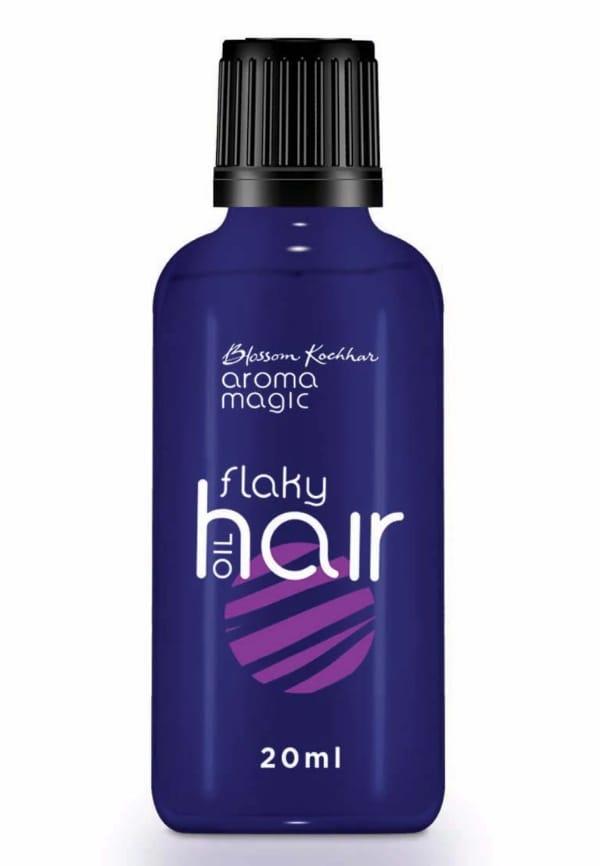
Flaky Hair Oil
Your scalp naturally produces sebum (oil) to keep your hair healthy, but sometimes it goes into overdrive. This is especially common if you have naturally oily skin or if hormonal changes are affecting your oil production. When sebum mixes with sweat and dead skin cells, it creates the perfect recipe for buildup. Finding the right oily scalp solutions often means balancing your cleansing routine without stripping your scalp completely.
Your scalp sheds dead skin cells just like the rest of your body, but sometimes this process gets disrupted. Dry scalp causes like harsh weather, over-washing, or using products with drying ingredients can actually make your scalp produce more dead skin cells. When these don't shed properly, they mix with oils and products to create that stubborn buildup layer.
Sometimes the causes of scalp buildup go deeper than just product use or washing habits. Certain skin conditions can make your scalp more prone to accumulation, and recognising these is important for getting the right treatment.
Seborrheic dermatitis is basically dandruff's more intense cousin. It causes red, scaly patches on your scalp and can make buildup worse because the inflamed skin doesn't shed properly. Unlike regular dandruff causes, seborrheic dermatitis often needs specific medicated treatments. The inflammation can make your scalp more sensitive, so regular clarifying shampoos might actually make things worse.
Psoriasis can cause thick, silvery scales on your scalp that contribute to buildup. Eczema makes your scalp more sensitive and prone to irritation, which can disrupt the normal shedding process. Even fungal infections can create an environment where buildup thrives because they change the pH balance of your scalp.
Your environment plays a bigger role in scalp health than you might think. From the water you wash with to how often you're hitting the gym, these factors can seriously impact buildup formation.
If you live in an area with hard water, those minerals are probably camping out on your scalp. Calcium and magnesium from hard water can coat your hair and scalp, making it harder for shampoo to work effectively. This creates a cycle where you need more product to feel clean, which then contributes to more buildup. It's particularly frustrating because you might feel like your hair is never truly clean, no matter how much you wash.
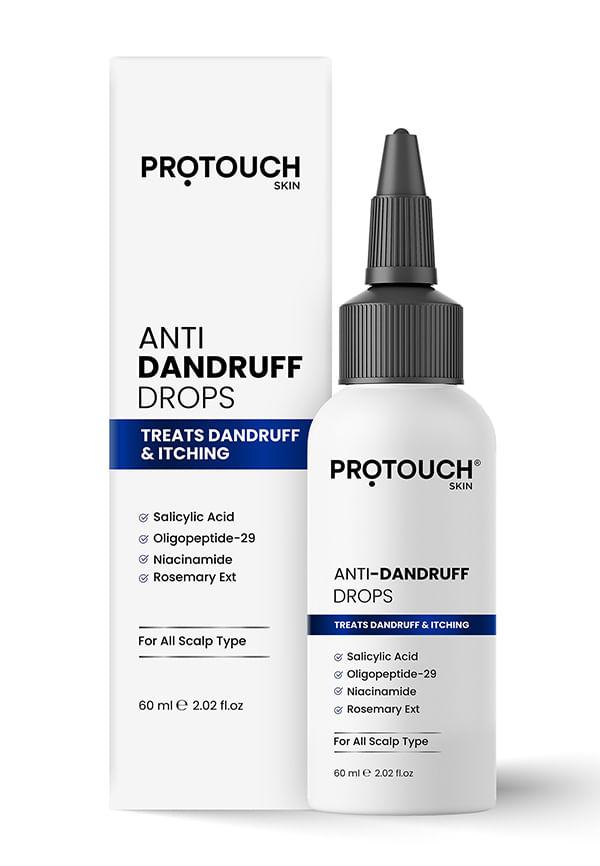
SKIN Anti Dandruff Drops Serum Soothes Itchy, Inflamed Scalp
There's a sweet spot when it comes to washing frequency, and finding it can be tricky. Washing too little obviously allows buildup to accumulate, but washing too much can actually make the problem worse by stripping your scalp and causing it to overproduce oil. The key is finding what works for your specific scalp type and lifestyle.
Now that you know the potential causes of scalp buildup, let's figure out which one (or combination) is affecting you. This detective work is crucial because different causes need different approaches.
Start by examining your scalp when it's clean and dry. Look for areas where buildup tends to accumulate — usually around the hairline, crown, and behind the ears. Notice the texture: is it waxy, flaky, or more like a film? Pay attention to when the buildup seems worse. Is it after using certain products? During certain seasons? After workouts?
If you're dealing with persistent itching, inflammation, or if the buildup doesn't improve with proper scalp exfoliation and clarifying treatments, it might be time to see a dermatologist. They can rule out underlying skin conditions and recommend specific scalp buildup treatment options that you can't get over the counter.
Once you've identified what's causing your scalp buildup, you can tackle it with the right approach. The good news is that most buildup issues are totally manageable with some tweaks to your routine.
For quick relief, a clarifying shampoo can work wonders, but use it sparingly — maybe once a week max. Apple cider vinegar rinses can help dissolve buildup naturally, and gentle scalp exfoliation with a soft brush can physically remove stubborn accumulation. If you're dealing with itchy scalp remedies, look for ingredients like tea tree oil or salicylic acid that can soothe irritation whilst addressing the buildup.
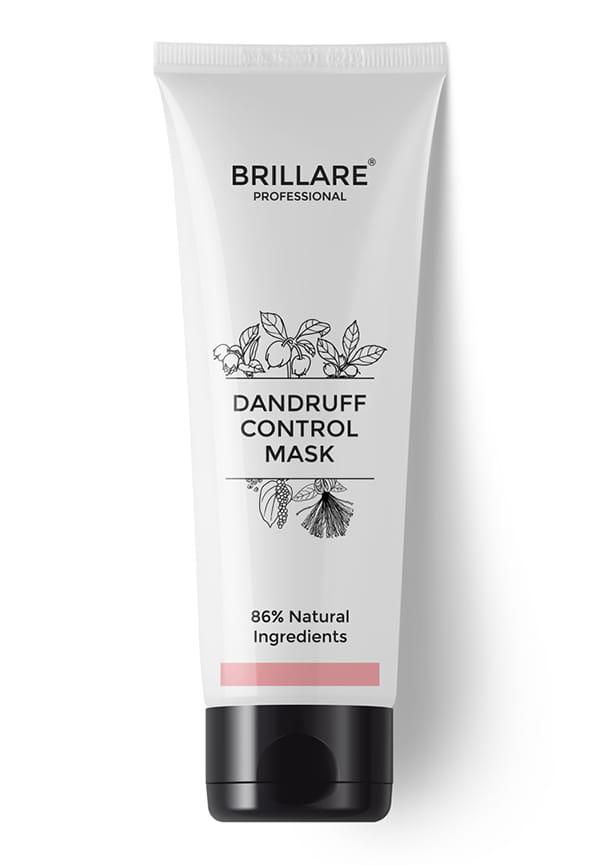
Conditioner For Itchy, Flaky Scalp
Good product, highly recommended
5“This product is very good highly recommend.”
Wonderful Product
5“nice product. result wonderful along with shampoo”
Effective Dandruff Treatment
4“removes dandruff and itchyness from hair”
Prevention is honestly easier than treatment. Rotate your shampoos so your scalp doesn't get too used to one formula. Be mindful of how much product you're using — a little often goes a long way. Make sure you're rinsing thoroughly, especially if you have thick or long hair. And consider your water quality — a shower filter might be worth the investment if hard water is your main issue.
Sudden buildup can happen due to hormonal changes, seasonal shifts, stress, or even changes in your water supply. Sometimes your scalp just needs a reset with a clarifying treatment.
Most people benefit from gentle scalp exfoliation once or twice a week. If you have sensitive skin or conditions like seborrheic dermatitis, start with once a week and see how your scalp responds.
Severe buildup can clog hair follicles and potentially contribute to hair thinning, but it's usually reversible once you address the underlying causes and clear the buildup.
Dry scalp typically produces smaller, powdery flakes and feels tight or itchy. Oily scalp buildup creates thicker, more waxy accumulation and your hair might feel greasy even after washing.
Understanding the causes of scalp buildup is the first step towards healthier hair and scalp. Whether it's product accumulation, natural oil overproduction, or an underlying skin condition, there's usually a solution that works. The key is being patient with the process and consistent with your approach.
If you're looking to experiment with different scalp treatments and clarifying products, Smytten's curated selection includes options from trusted haircare brands. Not sure which clarifying shampoo or scalp treatment works for your specific buildup type? Smytten also offers trial-size versions of many of these products — a smart way to test what works before committing to a full bottle.
