How to Identify Signs of Split Ends and Repair Damaged Hair


Hibiscus & Ceramides Long & Healthy Shampoo
Ever noticed your hair looking a bit frayed at the ends, like an old rope that's seen better days? Those pesky split ends might be more than just a cosmetic concern—they're actually your hair's way of waving a red flag. Split ends, or trichoptilosis if we're being fancy, happen when the protective outer layer of your hair shaft gets damaged and literally splits apart. Think of it like a zipper that's come undone at the bottom. Left unchecked, these tiny fractures can travel up your hair shaft, causing more breakage and making your locks look dull and lifeless. The good news? Once you know what to look for, tackling split ends becomes so much easier.
Split ends are basically your hair's version of a cry for help. When the protective cuticle layer gets damaged, the inner cortex becomes exposed and vulnerable. This damage typically starts at the oldest part of your hair—the ends—since they've been through the most wear and tear.
Here's the thing about signs of split ends: they're not just about aesthetics. When your hair splits, it becomes weaker and more prone to breakage. This creates a domino effect where one split can lead to another, and before you know it, you're dealing with serious hair damage. The split literally travels up the hair shaft like a ladder in tights, which is why catching them early is crucial for maintaining healthy hair length and strength.
Spotting split ends isn't always as obvious as you'd think. Sure, sometimes you'll see that classic Y-shaped fork at the tip of your hair, but there are other telltale signs that your ends need some TLC.
The most obvious signs of split ends are the ones you can actually see. Look for hair tips that appear frayed, forked, or have that distinctive Y-shape. Sometimes you might notice multiple splits on one strand, creating what looks like a tiny tree branch. Under good lighting, these damaged ends often appear lighter or more transparent than the rest of your hair.
Run your fingers through your hair, especially the ends. If they feel rough, crunchy, or noticeably different from the rest of your hair, that's a red flag. Healthy hair should feel smooth and silky, whilst damaged ends often have a coarse, straw-like texture that catches on your fingers.
Split ends love to tangle with each other and neighbouring strands. If you're suddenly dealing with more knots than usual, especially at the ends of your hair, it could be a sign that your hair cuticles are damaged and catching on each other.
Damaged hair doesn't reflect light properly, which means your ends might look dull and lifeless compared to the rest of your hair. This happens because the damaged cuticle can't lay flat, creating an uneven surface that scatters light instead of reflecting it smoothly.
Sometimes you might notice tiny white dots or sparkle-like spots along your hair strands. These aren't split ends per se, but they're weak points where the hair is likely to break or split in the future.
Understanding what causes split ends is half the battle in preventing them. Most split ends causes fall into a few main categories, and the good news is that many of them are totally preventable with the right approach.
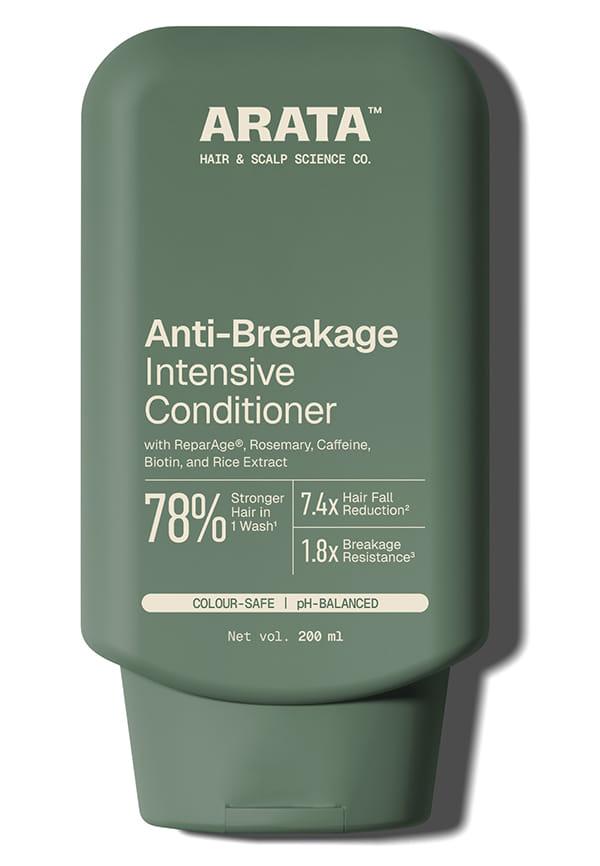
Anti-Hair Fall Conditioner for Breakage and Split-End Reduction | Powered by ReparAge®, Rice Protein, Caffeine, and Biotin | Supports Thicker & Dense
Your hair faces a daily assault from environmental factors. UV rays from the sun can break down the protein structure in your hair, whilst wind can cause physical damage through constant movement and friction. Even pollution can coat your hair with particles that make it more vulnerable to damage.
This is probably the biggest culprit behind split ends. Over-brushing, using the wrong type of brush, or being too aggressive when detangling wet hair can all cause the cuticle to lift and eventually split. Even something as simple as roughly towel-drying your hair can contribute to damage over time.
Blow dryers, flat irons, and curling tools are major offenders when it comes to hair breakage solutions. High temperatures can literally cook your hair, causing the moisture to evaporate too quickly and leaving the cuticle brittle and prone to splitting.
Hair colouring, perming, and relaxing treatments all involve chemicals that alter your hair's structure. Whilst these can give you gorgeous results, they also make your hair more vulnerable to damage if not done properly or if your hair isn't given time to recover between treatments.
Sometimes you need to call in the professionals for serious split ends treatment. A good stylist can assess the extent of your damage and recommend the best course of action for your specific hair type and lifestyle.
The most effective way to deal with existing split ends is to cut them off. Your stylist might recommend a technique called 'dusting', where they trim just the very tips of your hair to remove splits whilst maintaining length. For more severe damage, a proper trim might be necessary.
Professional deep conditioning treatments and protein treatments can help strengthen your hair and prevent future splits. These treatments use concentrated ingredients that penetrate deeper into the hair shaft than most at-home products.
If you're noticing splits more than an inch up from your ends, or if your hair feels consistently dry and brittle despite your best efforts, it's time for professional help. A stylist can also teach you proper techniques for caring for your specific hair type.
Whilst you can't actually repair split ends once they've formed, you can definitely strengthen your hair to prevent future damage. These dry ends remedy options are worth trying if you prefer the DIY approach.
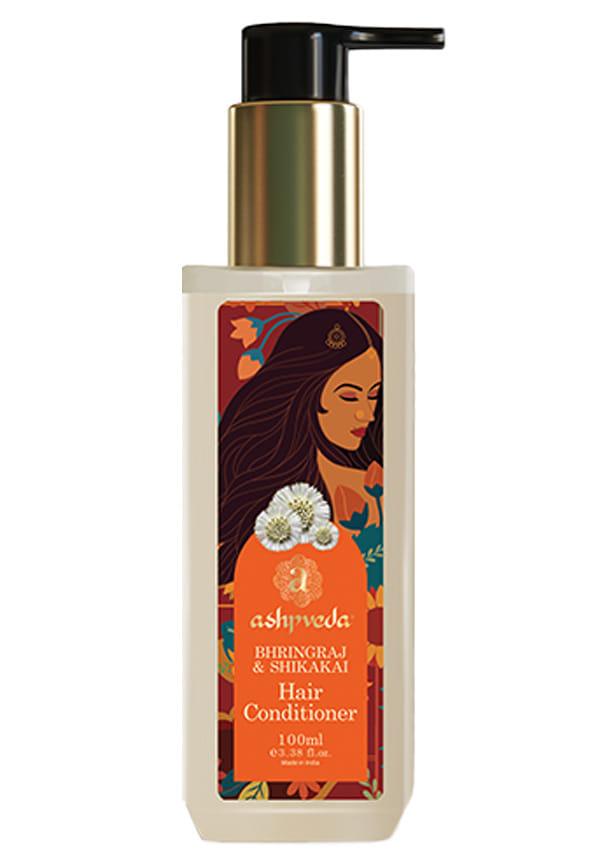
Bhringraj & Shikakai Hair Conditioner for Hair fall, Dryness, Roughness, Dullness & Split-ends (100ml)
Egg yolk masks are brilliant for adding protein back to damaged hair. Mix one egg yolk with a tablespoon of olive oil and apply to damp hair, focusing on the ends. Leave for 20 minutes before washing out with cool water.
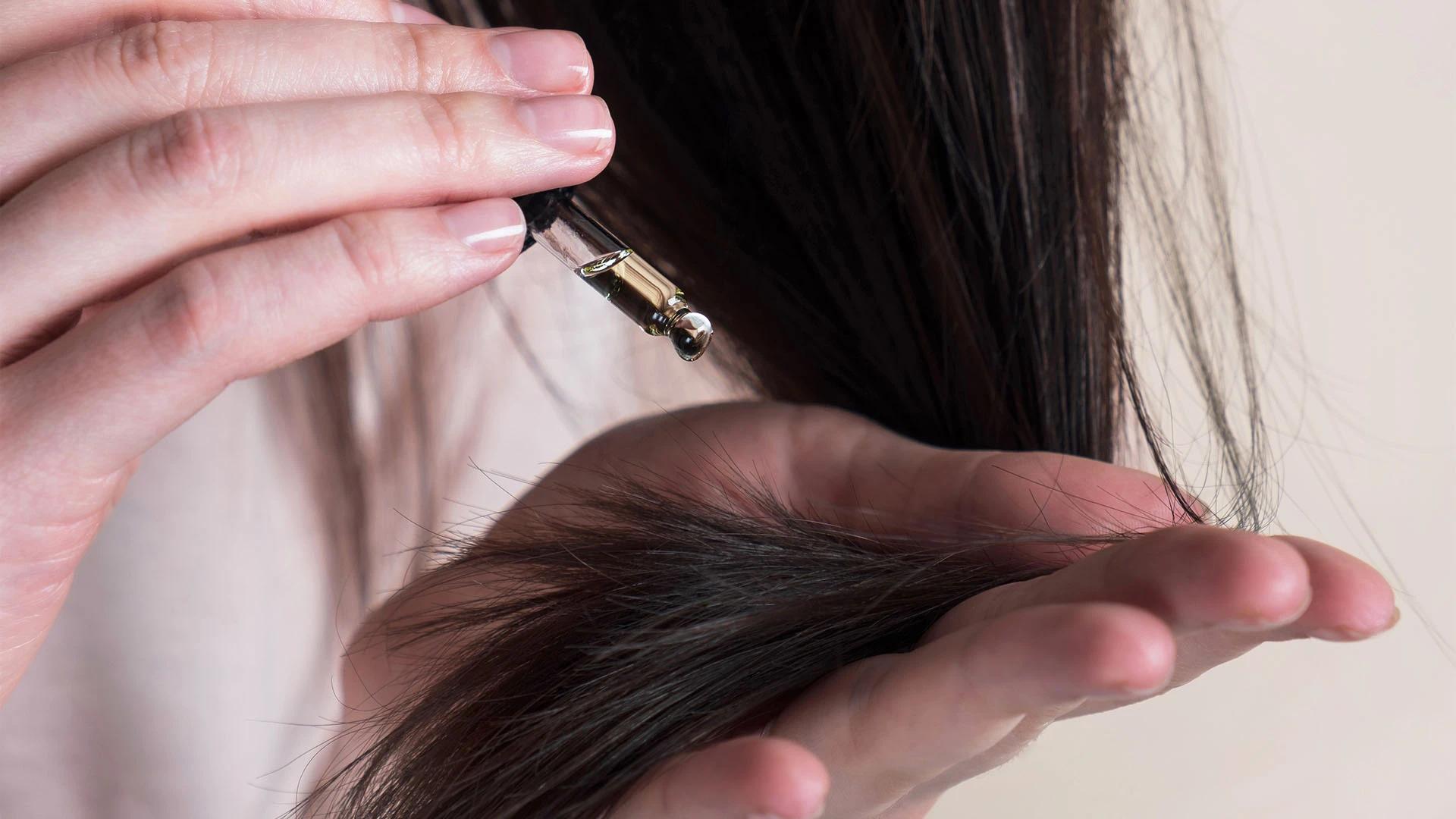
Argan oil, coconut oil, and jojoba oil are fantastic for sealing the cuticle and adding moisture. Apply a small amount to damp ends and leave in as a protective treatment.
Try mixing mashed papaya with yoghurt for a nourishing mask, or blend aloe vera gel with a few drops of essential oil. These natural ingredients can help smooth the cuticle and add moisture to dry ends.
Prevention is always better than cure when it comes to split end prevention. Building good habits now can save you from dealing with damaged hair later.
Always brush your hair gently, starting from the ends and working your way up. Use a wide-tooth comb on wet hair, and never brush when your hair is soaking wet as it's at its most vulnerable state.
If you must use heat styling tools, always use a heat protectant product first. Keep temperatures below 180°C and try to limit heat styling to a few times per week rather than daily.
Loose braids, buns, and protective styles can help minimise friction and environmental damage. Sleeping on a silk or satin pillowcase can also reduce friction whilst you sleep.
Getting regular trims every 6-8 weeks helps prevent small splits from becoming bigger problems. Think of it as preventive maintenance for your hair.
A solid hair care routine is your best defence against split ends and other damage. The key is consistency and using products that work for your specific hair type and concerns.
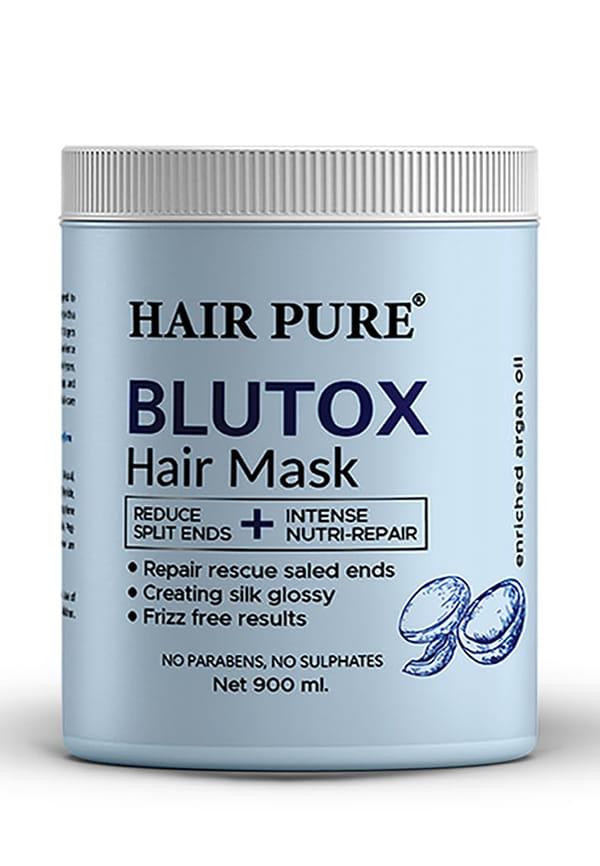
Blutox Hair Mask for Reduces Split Ends & Intense Nutri-Repair Treatment
Start with a gentle shampoo that won't strip your hair, and always follow with a conditioner. Focus the conditioner on your mid-lengths and ends, where your hair is oldest and most prone to damage.
Once a week, treat your hair to a deep conditioning mask or protein treatment. This extra boost of moisture and nutrients can help keep your hair strong and resilient.
Choose products based on your hair's specific needs. Fine hair might need lightweight formulas, whilst thick or curly hair often benefits from richer, more moisturising products. With Smytten's trial packs, you can test different haircare products from trusted brands like Love, Beauty & Planet and Bella Vita before committing to full sizes. This way, you can find the perfect products for your hair type without the guesswork or waste.
Unfortunately, once a hair strand splits, it cannot repair itself. The only way to truly get rid of split ends is to cut them off. However, you can prevent further damage and strengthen your hair to avoid future splits.
Most hair experts recommend trimming every 6-8 weeks, but this can vary depending on your hair type, styling habits, and how quickly your hair grows. If you notice splits appearing sooner, you might need more frequent trims.
Split ends occur at the tips of your hair where the strand literally splits into two or more pieces. Hair breakage can happen anywhere along the hair shaft and results in shorter, uneven pieces of hair.
Whilst no product can truly repair a split end, some treatments can temporarily seal the cuticle and make splits less visible. These are temporary fixes though—the only permanent solution is cutting.
You might notice immediate improvements in how your hair feels and looks after using conditioning treatments, but preventing new split ends is an ongoing process that requires consistent care over time.
Dealing with split ends doesn't have to be a constant battle. Once you know what to look for and understand the causes, you can take proactive steps to keep your hair healthy and strong. Remember, the key is consistency—both in your hair care routine and in getting regular trims.
The beauty of modern haircare is that you don't have to guess what works for your hair. Platforms like Smytten make it easier than ever to discover the right products for your specific needs. With over 1,500 trusted brands and the ability to try products before committing to full sizes, you can build a personalised hair care routine that actually works. After all, why settle for damaged, split-prone hair when you can explore endless options to find your perfect match? Your hair deserves the best care, and with the right approach, those pesky split ends will become a thing of the past.
