How to Identify Root Causes of Itchy Scalp Fast


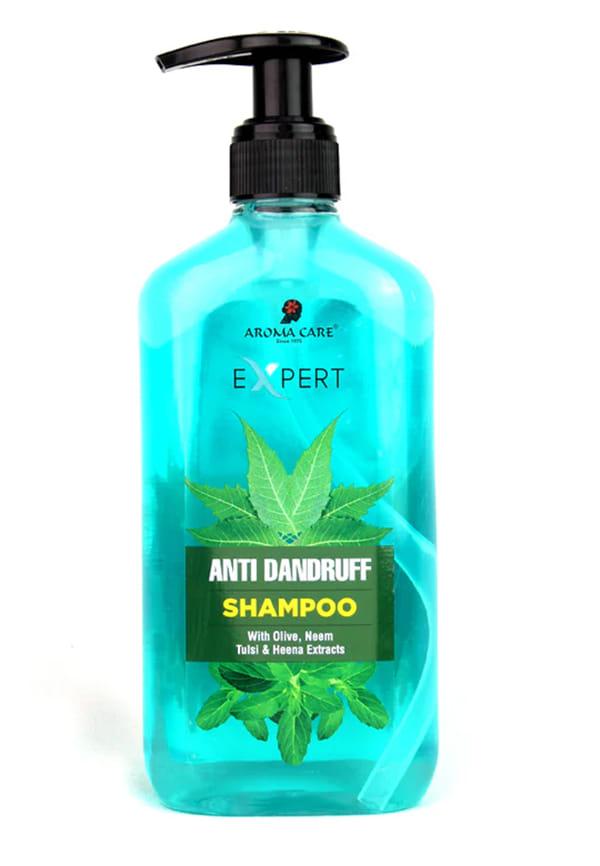
Anti Dandruff Shampoo
Dandruff Reduced After One Wash
 4
4“yup my dandruff is going slowly after one wash I saw the result”
Dandruff Reduced After One Wash
4“yup my dandruff is going slowly after one wash I saw the result”
Excellent Shampoo
5“best shampoo best brand best price”
That annoying itch on your scalp that just won't quit? You're not alone. Millions deal with scalp irritation daily, and the frustrating part is that scratching only makes things worse. The good news is that identifying the causes of itchy scalp doesn't have to be a guessing game. With the right approach, you can pinpoint what's bothering your scalp and find relief fast. Let's dive into the most common culprits and how to spot them quickly, so you can get back to having a happy, healthy scalp.
When your scalp starts acting up, it's usually trying to tell you something specific. Understanding the main causes of itchy scalp can help you tackle the problem at its source rather than just masking symptoms. The most common culprit is seborrheic dermatitis, which affects nearly 5% of the population. This condition shows up as yellowish, greasy flakes along with redness and intense itching. Unlike regular dandruff, seborrheic dermatitis often spreads beyond your scalp to areas like your eyebrows, nose, and chest.
Many people confuse dry scalp with dandruff, but they're quite different. Dry scalp symptoms include small, white flakes that fall easily when you scratch, plus a tight feeling on your scalp. Dandruff, on the other hand, produces larger, oilier flakes that stick to your hair and scalp.
Contact dermatitis from haircare products is sneakier than you'd think. New shampoos, conditioners, or styling products can trigger scalp irritation within hours or even days after use. The itching usually starts where the product made contact and can spread if you keep using the offending product.
Scalp psoriasis creates thick, silvery scales that can extend beyond your hairline onto your forehead and neck. Unlike dandruff, these patches feel raised and can be quite stubborn to remove.
Grab a mirror and good lighting—it's time for some detective work. A proper scalp assessment takes just five minutes but can save you weeks of trial and error with treatments. Start by parting your hair in different sections and looking for visual clues. Check for redness, flaking, bumps, or any unusual patches. Pay attention to whether the irritation is localised to specific areas or spread across your entire scalp. Next, gently touch different areas of your scalp. Does it feel dry and tight? Oily and inflamed? Are there any tender spots or raised areas? These tactile clues are just as important as what you can see.
Some symptoms require a dermatologist's expertise. If you notice bleeding, pus, severe hair loss, or if the itching is so intense it's disrupting your sleep, don't wait—book that appointment.
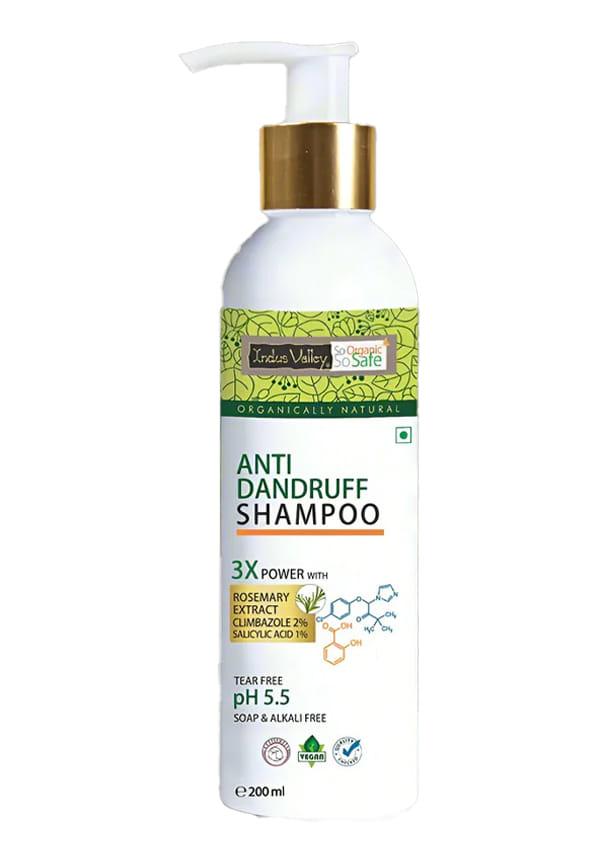
Anti Dandruff Shampoo
Amazing Product for Dandruff
5“I didn't expect it to be this good. It is really an amazing product for person with dandruff.”
Amazing Product for Dandruff
5“I didn't expect it to be this good. It is really an amazing product for person with dandruff.”
Amazing Product for Dandruff
5“I didn't expect it to be this good. It is really an amazing product for person with dandruff.”
The location of your symptoms can reveal a lot. Itching around your hairline might point to product allergies, whilst patches behind your ears could suggest seborrheic dermatitis. Take note of when the itching is worst—morning, evening, or after specific activities.
Let's clear up some confusion about dandruff causes and how they differ from other scalp conditions. True dandruff is primarily caused by an overgrowth of Malassezia yeast, which feeds on the oils your scalp produces naturally. This yeast overgrowth triggers inflammation, leading to faster skin cell turnover. Instead of the normal 28-day cycle, your scalp sheds cells every 2-7 days, creating those telltale flakes. Factors like stress, hormonal changes, and certain hair products can make this process worse.
Seborrheic dermatitis is essentially dandruff on steroids. It involves the same yeast overgrowth but with more severe inflammation. The flakes are typically larger, greasier, and yellowish, and the itching is often more intense.
Many scalp conditions follow seasonal patterns. Dandruff often worsens in winter due to dry indoor air, whilst seborrheic dermatitis might flare up during stressful periods or hormonal changes.
Ever notice your scalp gets itchier at night? There's actually science behind this annoying phenomenon. Your body's natural circadian rhythms affect blood flow and inflammation levels, often making itching more noticeable when you're trying to wind down. Stress hormones like cortisol also fluctuate throughout the day, typically dropping in the evening. This can make your scalp more reactive to irritants. Plus, when you're lying down, increased blood flow to your head can intensify any existing scalp inflammation.
Your pillow might be part of the problem. Fabric softeners, detergents, or even the pillow material itself can trigger reactions in people with a sensitive scalp. Hair products that build up throughout the day can also become more irritating when they're pressed against your pillow for hours.
When your scalp is driving you mad, you need relief now. Here are some itchy scalp remedies that can provide quick comfort whilst you work on addressing the root cause. A cool compress can provide immediate relief by numbing the area and reducing inflammation. Simply wrap ice cubes in a clean cloth and apply to the itchiest spots for 10-15 minutes. This works particularly well for contact dermatitis or acute flare-ups. Gentle scalp massage with your fingertips (not nails!) can improve circulation and provide temporary relief. Focus on areas that feel tight or particularly itchy, using small circular motions.
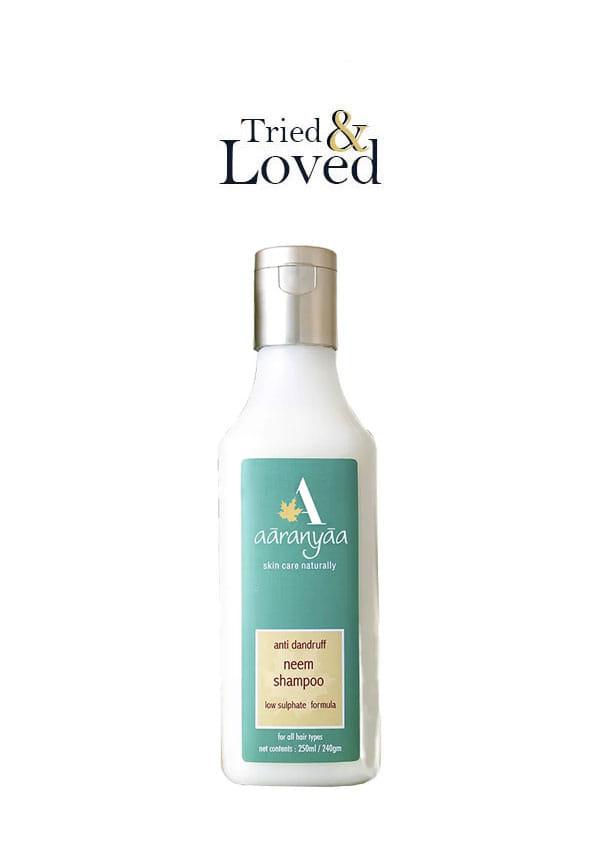
Anti-Dandruff Shampoo
Aaranyaa Shampoo Review
5“aaranyaa is one of my most favourite brands. this shampoo works wonders against dandruff. must buy.”
Apple cider vinegar diluted with equal parts water can help restore your scalp's natural pH balance. Apply this mixture to damp hair, leave for 5-10 minutes, then rinse thoroughly. The acidity helps combat yeast overgrowth whilst soothing irritation. Tea tree oil is another powerhouse ingredient, but it must be diluted properly. Mix 2-3 drops with a tablespoon of carrier oil like coconut or jojoba oil before applying to avoid further irritation.
If home remedies aren't providing relief within 48 hours, or if symptoms are getting worse, it's time to consider stronger treatments. Don't suffer unnecessarily—sometimes you need professional-grade solutions.
For persistent or severe cases, itchy scalp treatment often requires targeted medical approaches. The right treatment depends entirely on what's causing your symptoms, which is why proper diagnosis is so important. Medicated shampoos are usually the first line of defence. Zinc pyrithione shampoos work well for mild dandruff, whilst ketoconazole-based formulas tackle more stubborn yeast overgrowth. For seborrheic dermatitis, selenium sulphide or coal tar shampoos might be recommended.
When over-the-counter options aren't cutting it, dermatologists might prescribe topical corticosteroids for severe inflammation or antifungal treatments for persistent yeast issues. These are typically used for short periods to avoid side effects.
Choosing the right haircare for itchy scalp goes beyond just treatment products. Gentle, sulphate-free shampoos can prevent further irritation, whilst avoiding over-washing helps maintain your scalp's natural protective barrier. With so many treatment options available, finding what works for your specific situation can feel overwhelming. This is where platforms like Smytten become invaluable—you can try mini versions of different medicated shampoos and scalp treatments without committing to full-size products that might not work for you.
Preventing scalp irritation is always better than treating it. Building a scalp-friendly routine doesn't have to be complicated, but it does require some mindful choices about products and habits. Start with gentle cleansing 2-3 times per week unless you have very oily hair. Over-washing strips your scalp of natural oils, potentially triggering more oil production and irritation. When you do wash, use lukewarm water rather than hot, which can be drying and inflammatory.
If you have a sensitive scalp, become a label reader. Avoid products with harsh sulphates, artificial fragrances, and alcohol-based ingredients. Look for gentle, pH-balanced formulas designed specifically for sensitive skin. Ingredients like salicylic acid, niacinamide, and ceramides can actually help maintain scalp health when used in appropriate concentrations. These help with gentle exfoliation and barrier repair respectively.
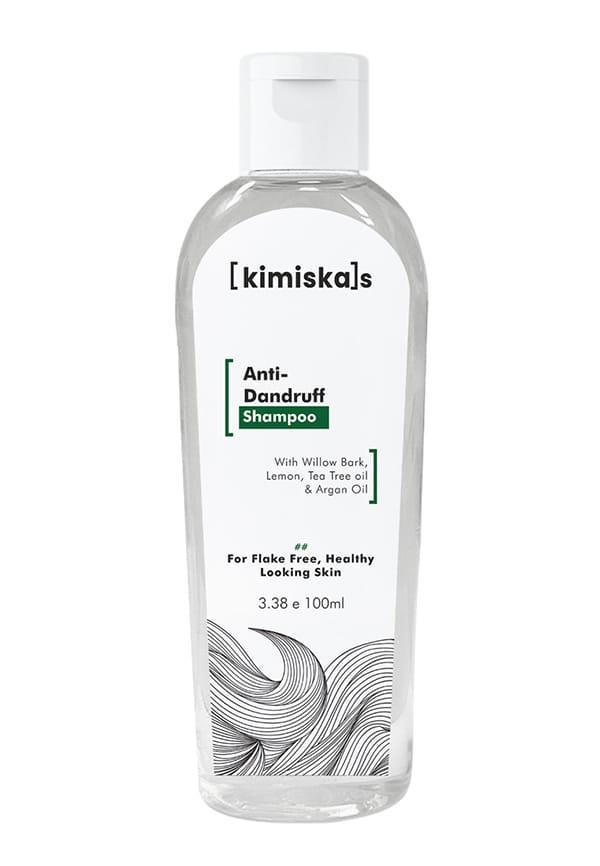
Anti-Dandruff Shampoo
So Good! Must Try!
5“it is so good....I love it....u should give a try to it.”
So Good! Must Try!
5“it is so good....I love it....u should give a try to it.”
Good Quantity
5“bought the 100 ml one. nice quantity”
Stress management isn't just good for your mental health—it directly impacts your scalp. Chronic stress can worsen inflammatory conditions like seborrheic dermatitis and scalp psoriasis. Regular exercise, adequate sleep, and stress-reduction techniques can all contribute to better scalp health. Nutritional deficiencies, particularly in B vitamins, zinc, and iron, can also contribute to scalp problems. A balanced diet rich in these nutrients supports healthy skin cell turnover and immune function.
Iron deficiency, B vitamin deficiencies (especially B12 and biotin), and zinc deficiency can all contribute to scalp irritation and itching. These nutrients are essential for healthy skin cell production and immune function.
Product allergies, hormonal changes, stress, nutritional deficiencies, or underlying skin conditions like eczema could be the culprits. Sometimes the cause is as simple as using water that's too hot or over-washing your hair.
Absolutely. Stress triggers the release of inflammatory chemicals in your body and can worsen existing scalp conditions. It can also lead to habits like scratching or touching your scalp more frequently, creating a cycle of irritation.
See a professional if home treatments haven't helped after 2-3 weeks, if you're experiencing hair loss, if there's bleeding or pus, or if the itching is severe enough to disrupt your daily life or sleep.
Steer clear of sodium lauryl sulphate (SLS), artificial fragrances, parabens, formaldehyde-releasing preservatives, and high concentrations of essential oils. These are common irritants for sensitive scalps.
Chronic scratching and inflammation can damage hair follicles and lead to temporary hair loss. However, treating the underlying scalp condition usually allows hair to regrow normally.
Identifying the causes of itchy scalp doesn't have to be a mystery. With careful observation and the right approach, you can pinpoint what's bothering your scalp and find effective relief. Remember that different conditions require different treatments, so accurate identification is crucial. The key is to start with gentle approaches and escalate only when necessary. Many scalp issues can be managed with proper haircare routines and over-the-counter treatments. However, don't hesitate to seek professional help for persistent or severe symptoms. Smytten's trial platform makes it easier than ever to find the right scalp treatments without the guesswork. With access to mini versions of medicated shampoos and scalp care products from trusted brands, you can discover what works for your specific needs before investing in full-size products. After all, when it comes to scalp health, why settle for maybe when you can try it all and find what truly works for you?
