How to Identify Itchy Flaky Scalp Symptoms Fast

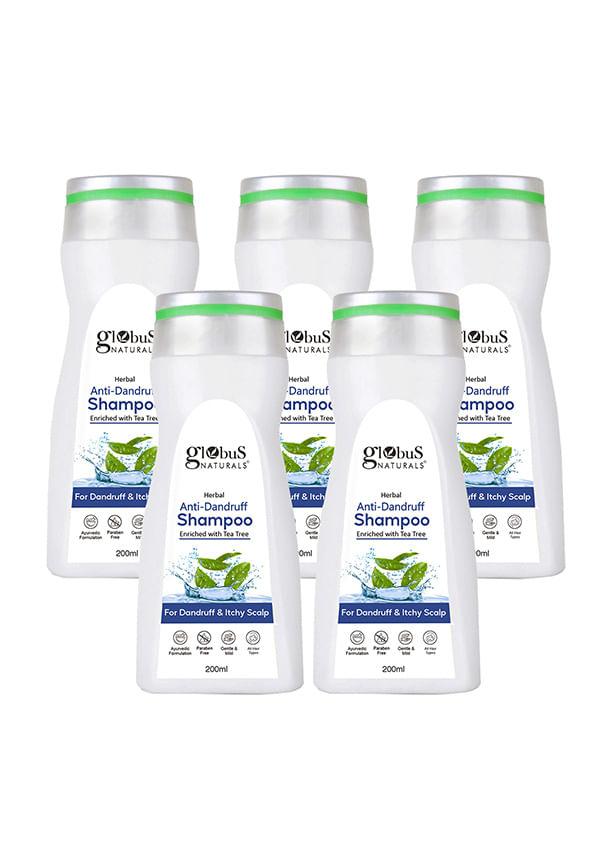
Anti Dandruff Shampoo, For Dandruff and Itchy Scalp
Good Value for Money
 4
4“I like the product and two product are 200 ml so is value for money and what it”
Cooling Anti-Dandruff Shampoo
5“एंटी डैंड्रफ शैंपू शैंपू बहुत अच्छे हैं इससे गर्मियों में बहुत अच्छा लगता है ठंडा ठंडाफील होता है”
Unexpectedly good quality
5“I love it not expected this quality super”
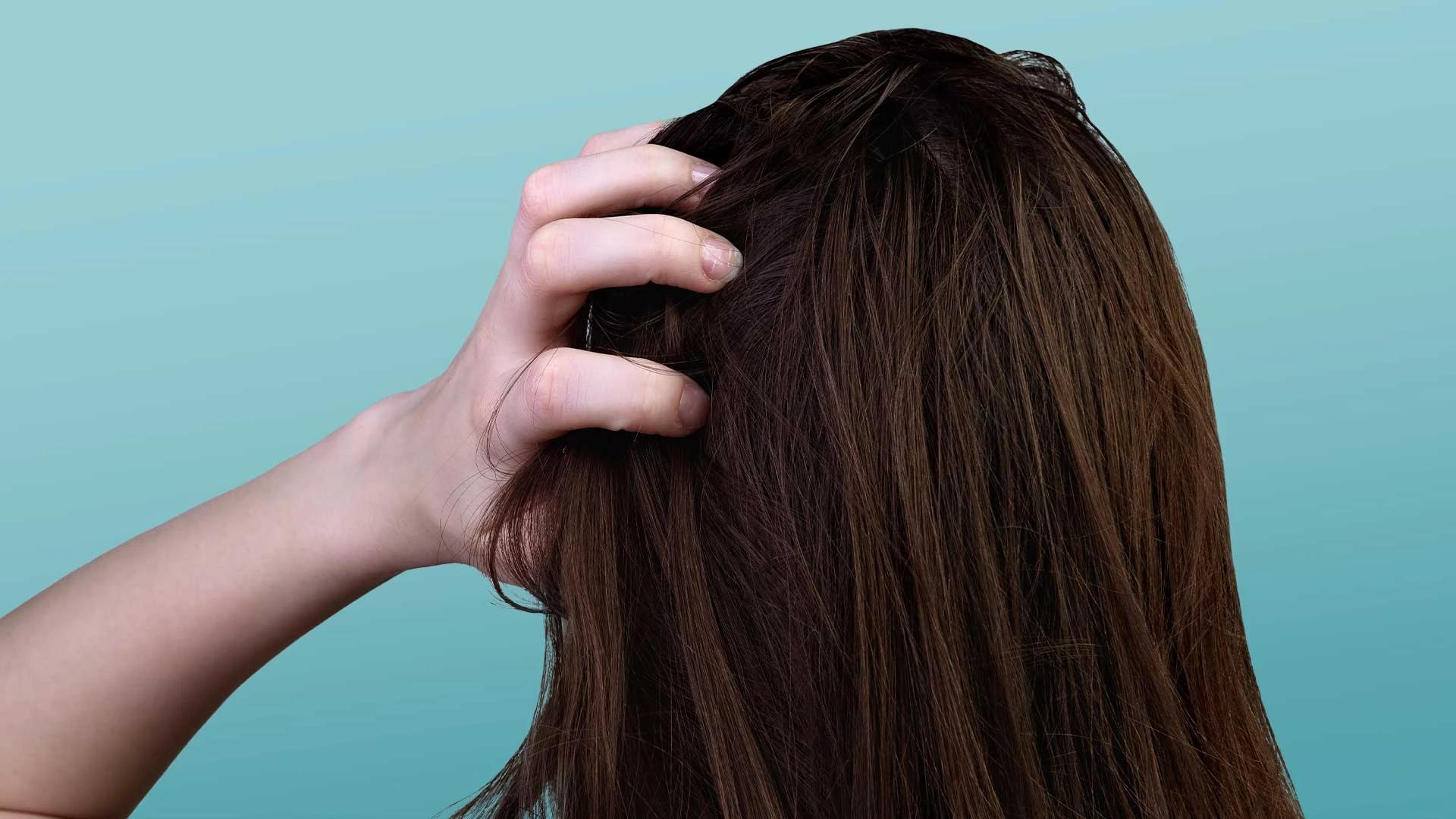
Let's be real—when your scalp starts acting up with that annoying itch-and-flake combo, you want answers fast. Itchy flaky scalp symptoms can turn your day upside down, making you constantly scratch and worry about those white specks on your shoulders. The good news? Most scalp conditions are totally manageable once you know what you're dealing with. Whether it's dandruff, dry scalp, or something more complex like seborrheic dermatitis, identifying the right symptoms early can save you weeks of trial and error. Think of this as your crash course in scalp detective work—we'll help you spot the signs, understand what's happening up there, and get you on the path to a happier, healthier scalp.
Itchy flaky scalp symptoms are your scalp's way of telling you something's not quite right. These symptoms typically include persistent itching, visible flakes (ranging from fine white powder to larger, oily scales), redness, and sometimes even a burning or tight sensation. Unlike normal hair shedding, which happens gradually and without discomfort, scalp irritation creates noticeable physical and visual changes that can affect your daily comfort. The key difference between normal scalp behaviour and actual scalp conditions lies in persistence and intensity. Normal scalp skin renewal happens quietly—you might notice a few tiny flakes occasionally, but nothing dramatic. When you're dealing with a genuine scalp condition, the symptoms stick around for weeks and often get worse without proper treatment. Scalp inflammation can manifest in several ways. You might notice your scalp feels tender to touch, appears redder than usual, or develops patches of irritated skin. Some people experience a combination of oily and dry areas, while others deal with uniform dryness or excessive oil production. The itching can range from mild annoyance to intense scratching that disrupts sleep and concentration.
Understanding what's causing your itchy flaky scalp symptoms is half the battle won. Most scalp issues fall into a few main categories, each with distinct characteristics that can help you identify the culprit.
Seborrheic dermatitis affects nearly 50% of adults at some point and is often mistaken for simple dandruff. This condition creates yellowish, oily flakes that stick to your hair and scalp, accompanied by redness and intense itching. Unlike dry dandruff, seborrheic dermatitis flakes have a greasy texture and tend to clump together.
Here's where things get interesting—dry scalp and dandruff look similar but have completely different causes. Dry scalp produces small, white flakes that fall easily from your hair, while dandruff creates larger, oilier flakes that stick around. Environmental factors like heating, air conditioning, and harsh weather can trigger dry scalp, especially during winter months.
Scalp psoriasis creates thick, silvery scales that extend beyond your hairline onto your forehead, neck, and behind your ears. These patches feel raised and often have well-defined borders. The itching can be severe, and scratching may cause bleeding or temporary hair loss in affected areas.
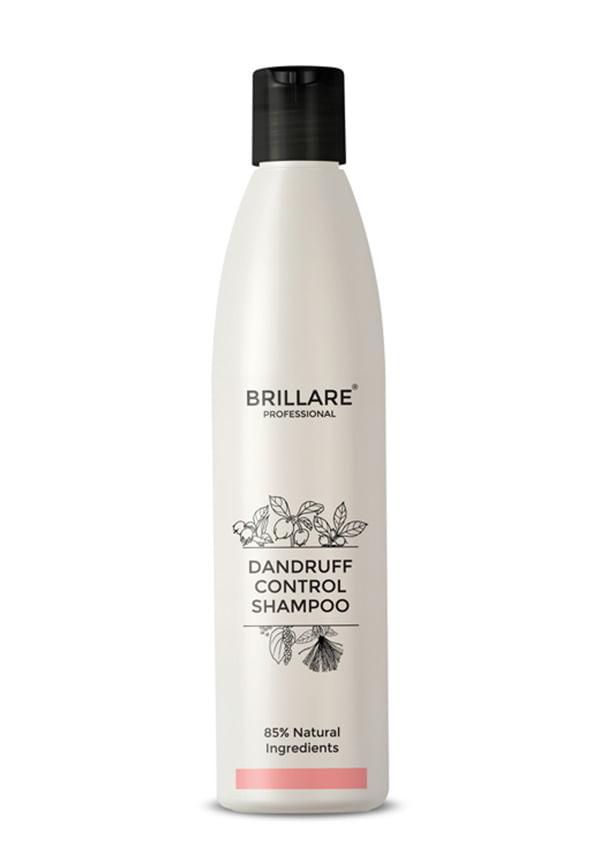
Dandruff Control Shampoo For Itchy, Flaky Scalp
Nourishing & Dandruff-Fighting Shampoo
5“This shampoo deeply nourishes the scalp and strengthens the hair from roots to tips. and removes all dandruff within 2..4 wash”
Love this product, order every time
5“love this product i ordered it every time”
Quick Results, Gentle & Amazing Quality
5“you will see results quickly rather than anything, very gentle small quantity enough , quality amazing”
Sometimes your scalp rebels against haircare products containing sulphates, fragrances, or preservatives. Contact dermatitis from product reactions typically appears within 24-48 hours of using a new product, causing sudden onset itching, redness, and sometimes small bumps or blisters.
Becoming your own scalp detective starts with careful observation. The best time to examine your scalp is in natural light, using a handheld mirror or asking someone to help you inspect hard-to-see areas. Start by looking at your flakes closely. Dandruff flakes are typically white to yellowish and have an oily texture. Dry scalp flakes are smaller, whiter, and fall away easily when you run your fingers through your hair. Scalp psoriasis creates thicker, more silvery scales that might have a slight shine. Pay attention to where symptoms appear. Seborrheic dermatitis often affects oily areas like your hairline, behind ears, and the crown of your head. Dry scalp tends to be more uniform across your entire scalp. Product reactions usually show up where you apply products most heavily. Track your itch patterns too. Does scratching provide relief, or does it make things worse? Do symptoms flare up during stress, seasonal changes, or after using specific products? This information helps narrow down potential causes. Watch for red flag symptoms that need professional attention: bleeding from scratching, hair loss in patches, symptoms spreading to other body areas, or severe pain. These signs suggest you might need prescription treatments or have an underlying condition requiring medical evaluation.
When your scalp is driving you mad with itching, you need relief that works fast. The good news is that many effective itchy scalp remedies are probably sitting in your kitchen or bathroom cabinet right now.
Start with the basics—how you wash your hair matters more than you think. Use lukewarm water instead of hot, which can strip natural oils and worsen scalp irritation. Massage your scalp gently with fingertips, not nails, to avoid creating micro-tears that invite infection.
Tea tree oil mixed with a carrier oil like coconut can provide immediate anti-inflammatory relief. Apple cider vinegar rinses help restore your scalp's natural pH balance—mix one part vinegar with three parts water and apply after shampooing. Coconut oil treatments work brilliantly for dry scalp, providing moisture without clogging pores.
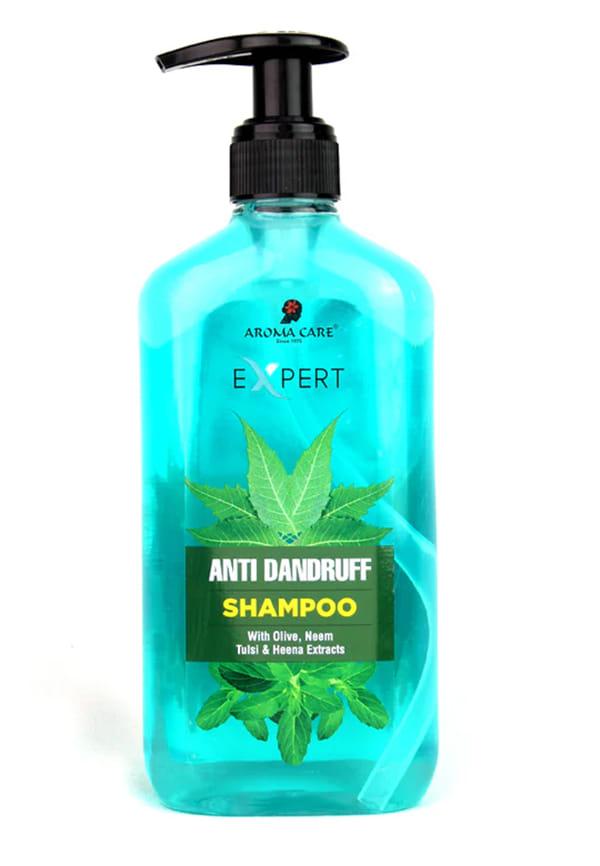
Anti Dandruff Shampoo
Dandruff Reduced After One Wash
4“yup my dandruff is going slowly after one wash I saw the result”
Dandruff Reduced After One Wash
4“yup my dandruff is going slowly after one wash I saw the result”
Excellent Shampoo
5“best shampoo best brand best price”
Medicated shampoos containing zinc pyrithione, ketoconazole, or selenium sulphide target different causes of flaky scalp treatment. Zinc pyrithione works well for general dandruff, ketoconazole tackles fungal overgrowth, and selenium sulphide helps with seborrheic dermatitis. Use these products 2-3 times weekly initially, then reduce frequency as symptoms improve.
Sometimes home remedies aren't enough, and that's perfectly normal. Knowing when to seek professional help can save you months of frustration and prevent symptoms from worsening. Consider seeing a dermatologist if your symptoms persist after 4-6 weeks of consistent home treatment, if you're experiencing significant hair loss, or if over-the-counter treatments cause increased irritation. Prescription treatments might include stronger antifungal shampoos, topical corticosteroids for inflammation, or oral medications for severe cases. Dermatologists can also perform patch testing to identify specific allergens causing contact dermatitis, or take scalp samples to rule out fungal infections. Some stubborn cases benefit from combination therapies—using multiple treatments simultaneously for better results. Advanced treatments like phototherapy or injectable medications are available for severe scalp psoriasis that doesn't respond to topical treatments. The key is finding a dermatologist who specialises in scalp conditions and understands the latest treatment options.
Once you've got your itchy flaky scalp symptoms under control, the goal shifts to keeping them that way. Prevention is always easier than treatment, and small changes to your routine can make a massive difference.
Choose haircare for itchy scalp products that are fragrance-free and designed for sensitive skin. Avoid products with harsh sulphates, which can strip natural oils and trigger dryness. When using heat styling tools, keep temperatures below 180°C and always use a heat protectant.
Your scalp health reflects your overall wellness. Stress can trigger scalp inflammation and worsen existing conditions. Regular exercise, adequate sleep, and stress management techniques like meditation can significantly improve scalp health. Diet plays a role too—omega-3 fatty acids, zinc, and B vitamins support healthy skin and hair growth. This is where platforms like Smytten become incredibly valuable for anyone dealing with scalp issues. With over 1,500 trusted brands including Cetaphil, Dot & Key, and Love, Beauty & Planet, you can try different haircare products in mini sizes before committing to full-size purchases. Getting up to 8 minis for just ₹249 means you can experiment with various flaky scalp treatment options without the financial risk of buying products that might not work for your specific condition.
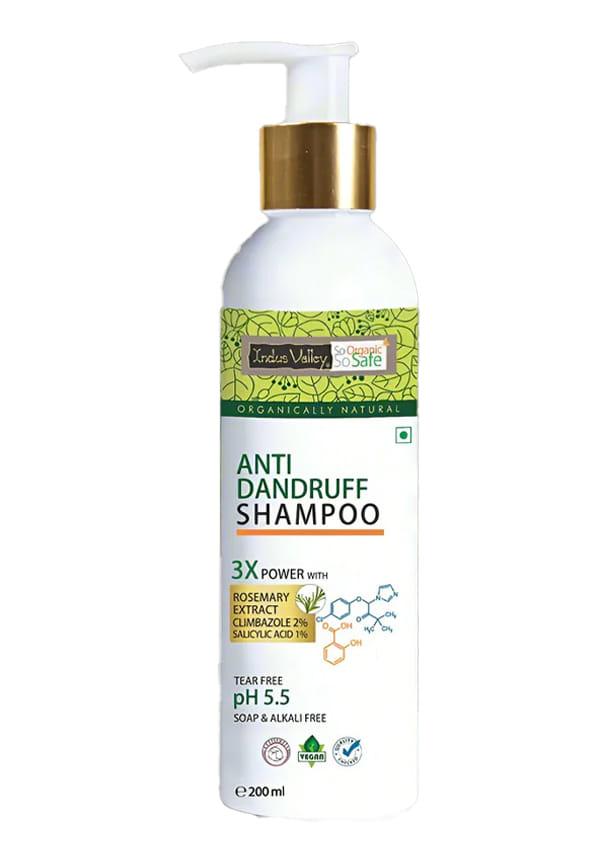
Anti Dandruff Shampoo
Amazing Product for Dandruff
5“I didn't expect it to be this good. It is really an amazing product for person with dandruff.”
Amazing Product for Dandruff
5“I didn't expect it to be this good. It is really an amazing product for person with dandruff.”
Amazing Product for Dandruff
5“I didn't expect it to be this good. It is really an amazing product for person with dandruff.”
An itchy, flaky scalp usually indicates an underlying scalp condition such as dandruff, seborrheic dermatitis, dry scalp, or product sensitivity. The combination of itching and flaking suggests your scalp's natural barrier is compromised, leading to irritation and abnormal skin cell turnover.
For children, start with gentle, fragrance-free shampoos and avoid medicated products unless recommended by a paediatrician. Natural remedies like diluted apple cider vinegar rinses or coconut oil treatments are generally safe. Consult a pediatric dermatologist if symptoms persist or worsen.
Yes, hormonal changes during pregnancy can trigger or worsen scalp conditions. Many pregnant women experience increased oil production or sensitivity to products they previously used without issues. Stick to gentle, pregnancy-safe ingredients and avoid products containing salicylic acid or retinoids.
Most scalp conditions like dandruff, seborrheic dermatitis, and dry scalp are not contagious. However, some fungal infections can spread through shared combs, brushes, or hats. Maintain good hygiene by not sharing hair tools and washing them regularly.
Most people notice some improvement within 2-4 weeks of consistent treatment. However, complete resolution can take 6-8 weeks or longer for stubborn conditions. Factors like severity, underlying cause, and treatment consistency all affect recovery speed.
Identifying itchy flaky scalp symptoms quickly comes down to careful observation and understanding the different types of scalp conditions. Whether you're dealing with simple dandruff, seborrheic dermatitis, or dry scalp, the key is matching your symptoms to the right treatment approach. Remember that scalp health is an ongoing journey, not a one-time fix. What works for your friend might not work for you, which is why having access to trial-sized products can be a game-changer. Smytten's platform, with over 25 million users and 100 million trial minis delivered, makes it easier to find your perfect scalp care routine without the guesswork. After all, why settle for maybe when you can try different solutions and find what actually works for your unique scalp needs?
