How to Identify Hair Thinning Causes in Men: A Guide

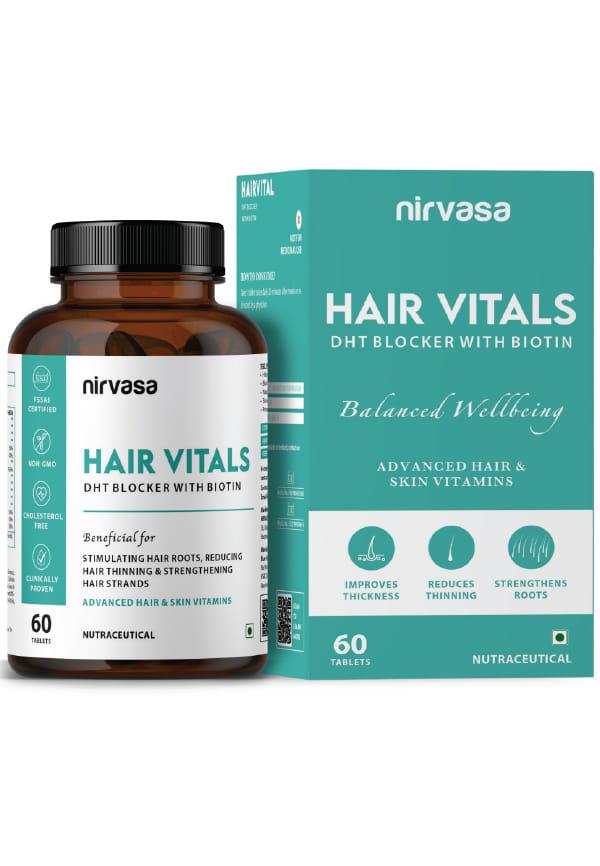
Hair Vitals DHT Blocker with Biotin Tablets | Hair Vitamins for Men & Women
Useful Nirvasa Product
 4
4“Very useful product from Nirvasa”
Positive Product Feedback
4“good product..................”
Positive Hair Vitamin Review
5“Hair vitamins from this brand is good”
Noticing more hair in your shower drain lately? You're not alone. Hair thinning affects millions of men worldwide, and understanding hair thinning causes for men is the first step towards addressing the issue effectively. From genetic factors to lifestyle choices, the reasons behind male hair loss are more complex than you might think. Whether you're dealing with a receding hairline, crown thinning, or overall hair density loss, identifying the root cause can help you make informed decisions about treatment and prevention. At Smytten, we understand that discovering the right haircare solutions starts with understanding your specific needs—which is why we offer trial-sized products from trusted brands to help you find what works best for your hair concerns.
Male pattern baldness (androgenetic alopecia) is the most common cause of hair thinning in men, affecting up to 95% of hair loss cases
Hormonal factors, particularly DHT sensitivity, play a crucial role in hair loss triggers men experience
Nutritional deficiencies, stress, and lifestyle factors can accelerate hair shedding men notice daily
Early identification of hair thinning causes allows for more effective treatment and prevention strategies
Professional evaluation helps distinguish between temporary hair loss and permanent baldness in males
Let's be real—losing some hair every day is completely normal. Your hair goes through a natural growth cycle, and shedding 50-100 strands daily is part of this process. But when does normal hair shedding cross into concerning territory?
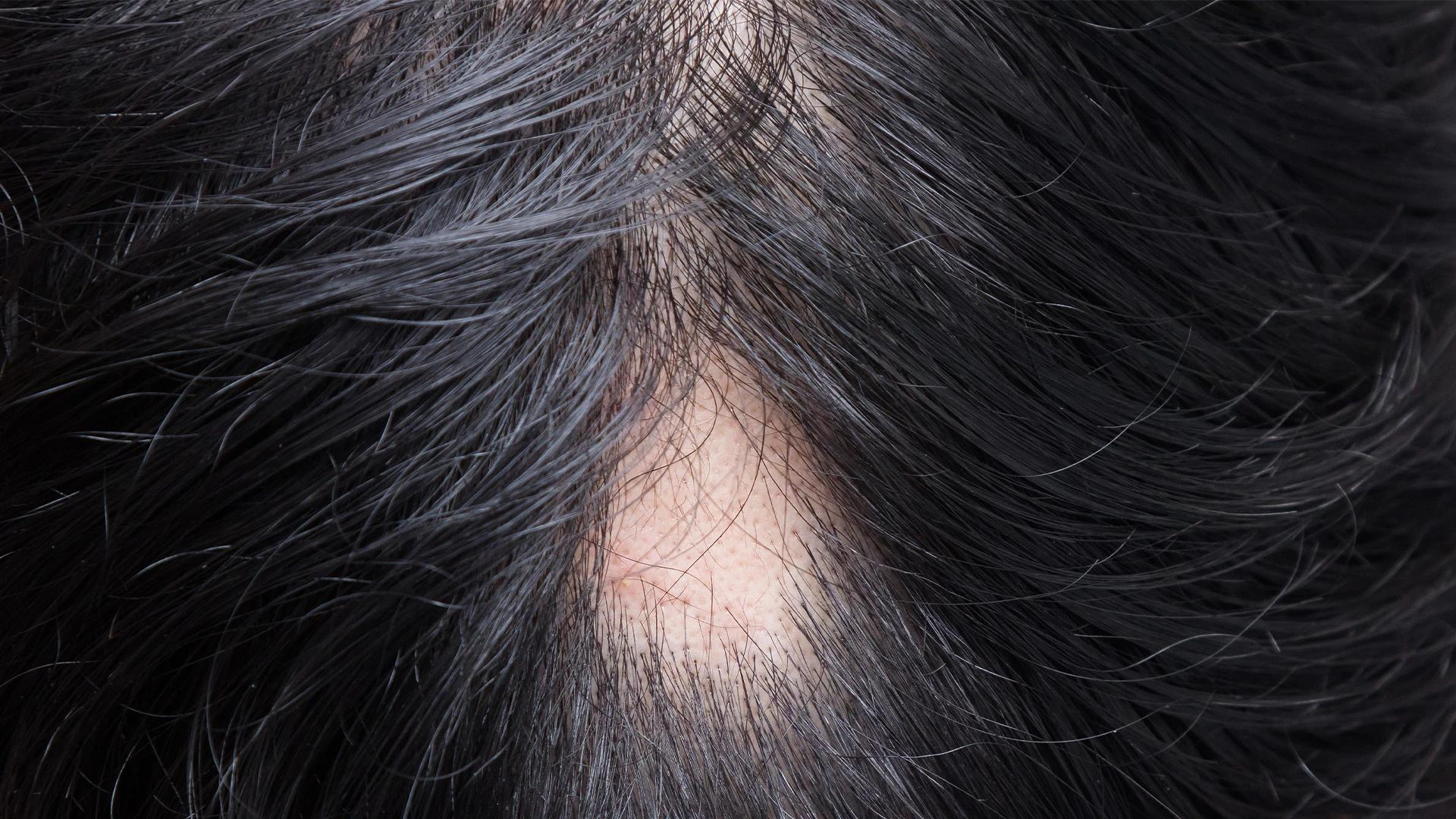
Signs of male hair thinning go beyond just counting strands in your brush. You might notice your hairline gradually moving backwards, thinning at the crown, or your hair feeling less dense overall. Unlike temporary hair shedding men experience due to stress or illness, true hair thinning tends to be progressive and follows specific patterns.
Keep an eye out for these telltale signs: your forehead appearing larger than before, visible scalp through your hair, or needing to style your hair differently to cover thin spots. Taking monthly photos can help you track changes that might be too gradual to notice day-to-day.
Here's the thing about male pattern baldness causes—they're largely written in your DNA. Androgenetic alopecia in men is responsible for about 95% of hair loss cases, making it the most common reason for hair fall in males across all age groups.
This condition happens when hair follicles are sensitive to dihydrotestosterone (DHT), a hormone derived from testosterone. Over time, DHT causes follicles to shrink, producing thinner, shorter hairs until they eventually stop producing hair altogether. The pattern typically starts with receding hairline causes at the temples and crown thinning, following the well-known Norwood Scale progression.
While many associate hair loss with older age, androgenetic alopecia can start as early as the late teens. The reason for hair fall in males at 20 often surprises young men, but genetics don't wait for a specific birthday to kick in.
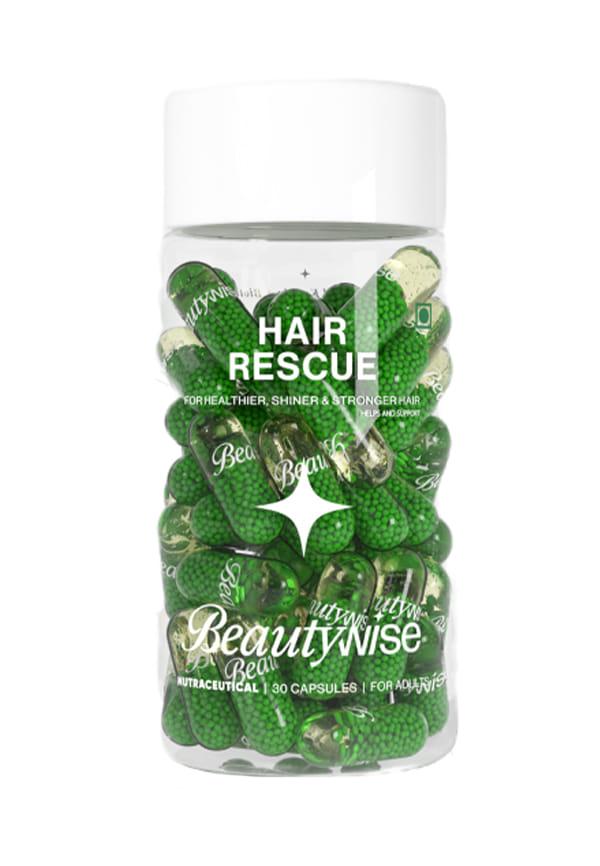
Hair Rescue, Hair Aminos, Vitamins, DHT Blocker for Hairfall Control & Growth
Good product, slow hair growth
4“good product but slow process of growth of hair”
Hair Improvement
5“my hair are improving day by day.”
The Norwood Scale helps classify male pattern baldness into seven stages. Stage 4 represents moderate hair loss with significant crown thinning and a more pronounced receding hairline—a point where many men start considering medical intervention.
Beyond genetics, several hormonal and medical conditions can trigger hair loss. Understanding these factors affecting men's hair growth helps paint a complete picture of why your hair might be thinning.
DHT sensitivity remains the primary culprit, but thyroid disorders, autoimmune conditions like alopecia areata, and certain medications can also contribute to hair loss triggers men experience. Conditions like hypothyroidism or hyperthyroidism can disrupt the hair growth cycle, leading to diffuse thinning rather than the typical male pattern.
Your hair needs proper nutrition to thrive. Deficiencies in iron, vitamin D, B vitamins (especially biotin and B12), and protein can all contribute to reasons for hair loss in men. These nutritional gaps often show up as diffuse thinning rather than pattern baldness.
Zinc and selenium deficiencies are also worth considering, as these minerals play crucial roles in hair follicle health and the hair growth cycle.
Modern life isn't doing our hair any favours. Chronic stress triggers telogen effluvium, a condition where hair prematurely enters the shedding phase. This explains why many men notice increased hair loss during particularly stressful periods.
Environmental factors like pollution, harsh water, and UV exposure can damage hair structure and contribute to thinning. Poor sleep, lack of exercise, and smoking also negatively impact hair health by affecting circulation and hormone levels.
The combination of increased stress, processed foods, environmental toxins, and sedentary lifestyles creates a perfect storm for accelerated hair loss. This explains why some younger generations are experiencing hair thinning earlier than previous generations.
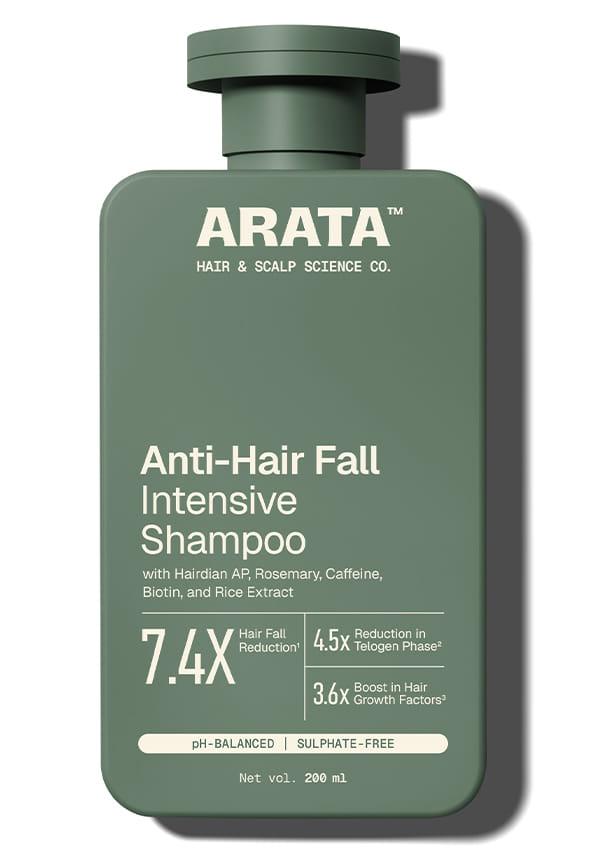
Anti-Hair Fall Intensive Shampoo | Hairdian AP, Caffeine & Rosemary | Hair Fall Reduction | Boost in Hair Growth Factors | Paraben & Sulphate-Free Sh
Needs more usage time
4“ek hi bar hairwash kiya hai toh utna samjh nhi aya but 1-2week use krne ke bad hi samjh ayega”
Nice Shampoo, Reduces Hair Fall
4“Nice shampoo smells good reducing hair fall”
Needs more usage time
4“ek hi bar hairwash kiya hai toh utna samjh nhi aya but 1-2week use krne ke bad hi samjh ayega”
When you're asking yourself "why is my hair thinning," a systematic approach helps identify the culprit. Start by examining your family history—if your father, grandfather, or maternal relatives experienced hair loss, genetics likely play a role.
Track your hair loss timeline. Did it start gradually or suddenly? Sudden onset often points to stress, medication, or medical conditions, while gradual thinning typically indicates androgenetic alopecia. Consider recent life changes: new medications, diet changes, increased stress, or illness.
A dermatologist or trichologist can perform specific tests to determine the exact cause of your hair loss. These might include blood tests to check hormone levels, nutritional status, and thyroid function, plus scalp examinations and sometimes hair pull tests.
Ask yourself: Is the hair loss following a pattern (temples and crown)? Are you experiencing other symptoms like fatigue or weight changes? Have you started new medications recently? Is the hair loss accompanied by scalp irritation or inflammation?
The earlier you address hair thinning, the better your chances of slowing or stopping progression. Treatment approaches vary depending on the underlying cause, but several proven options exist for different types of hair loss.
For androgenetic alopecia, the "big three" treatments include minoxidil (which improves blood flow to follicles), finasteride (which blocks DHT production), and ketoconazole shampoo (which has anti-inflammatory properties). Natural approaches focus on improving overall health through better nutrition, stress management, and gentle hair care practices.
Simple changes can make a significant difference. Eating a balanced diet rich in protein, vitamins, and minerals supports hair growth. Managing stress through exercise, meditation, or hobbies helps prevent stress-induced hair loss. Using gentle, sulphate-free shampoos and avoiding harsh styling practices protects existing hair.
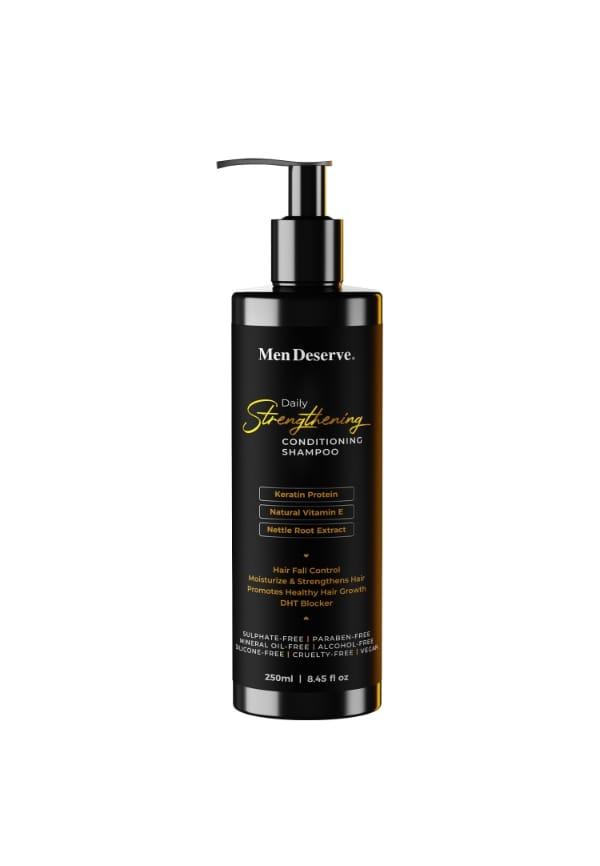
Daily Strengthening Conditioning Shampoo For Men
Hair thinning in young men is often due to genetic predisposition to androgenetic alopecia, which can start as early as the late teens. Lifestyle factors like stress, poor nutrition, and environmental toxins can also accelerate the process. If you're concerned about early hair loss, consider trying different haircare products through Smytten's trial packs to find gentle, nourishing options that support hair health.
The "big 3" refers to minoxidil (topical treatment that improves blood flow), finasteride (oral medication that blocks DHT), and ketoconazole shampoo (anti-inflammatory treatment). These are the most commonly recommended medical treatments for male pattern baldness and have the most scientific backing for effectiveness.
Yes, losing 50-100 hairs daily is completely normal and part of the natural hair growth cycle. However, if you're consistently losing more than this or notice thinning areas, it may indicate a hair loss condition that requires evaluation.
Temporary hair loss often occurs suddenly and may be linked to stress, illness, medication changes, or nutritional deficiencies. Permanent hair loss typically follows a gradual pattern, starting at the temples or crown. A professional evaluation can help determine which type you're experiencing.
Absolutely. Iron deficiency, vitamin D deficiency, low protein intake, and B-vitamin deficiencies can all contribute to hair thinning. Unlike genetic hair loss, nutritionally-related hair loss is often reversible with proper supplementation and dietary changes.
Understanding hair thinning causes for men is crucial for choosing the right approach to treatment and prevention. While male pattern baldness remains the most common culprit, factors like hormones, nutrition, stress, and lifestyle choices all play important roles in hair health.
The key is early identification and intervention. Whether you're dealing with genetic hair loss or lifestyle-related thinning, addressing the issue sooner rather than later gives you the best chance of maintaining your hair. Remember that hair loss is incredibly common—you're definitely not alone in this journey.
Most importantly, don't let hair concerns affect your confidence. With proper understanding and the right approach, many men successfully manage hair thinning and maintain healthy hair for years to come.
Discovering the right haircare routine for thinning hair often involves trying different products to see what works best for your specific needs. Smytten is India's largest product discovery and trial platform, connecting consumers with top lifestyle, beauty, wellness, and grooming brands. With curated trial packs from over 2,400 trusted brands such as Cetaphil, Dot & Key, WishCare, and Bella Vita, you can explore haircare solutions before committing to full-size purchases. Each mini is linked with Trial Points, and you can get up to 10 Trial Points for just ₹279, plus Smytten offers 100% cashback on the purchase of these minis, making product discovery both affordable and rewarding. Whether you're looking for gentle shampoos, nourishing treatments, or styling products that work with thinning hair, trying before you buy ensures you find products that truly work for your hair concerns. After all, why settle for 'maybe' when you can #TryItAll!
