How to Identify Hair Thinning Causes and Find Effective Solutions

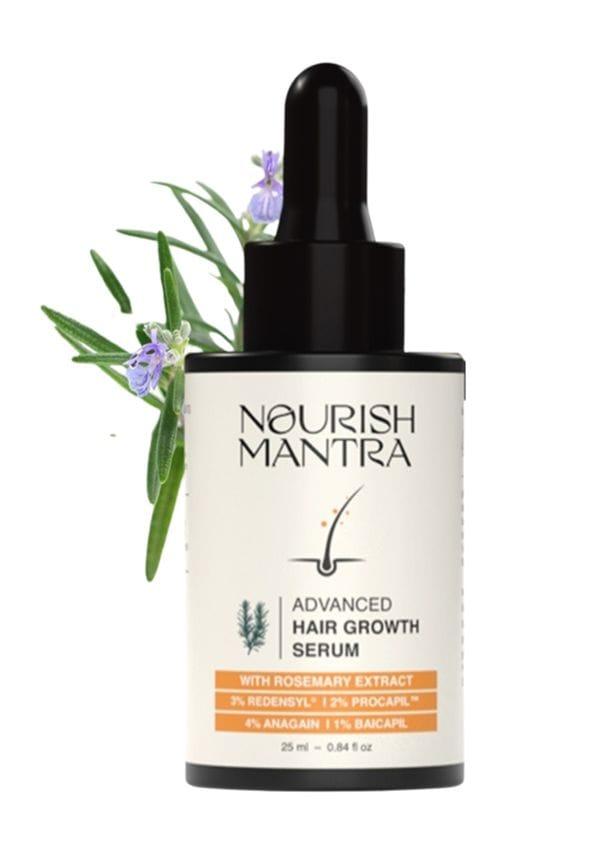
Advanced Hair Growth Serum With Rosemary Oil for Hair Regrowth and Stop Hairfall - 25 ml
Watching your hair thin can feel like watching your confidence slip away strand by strand. Whether you've noticed your ponytail feeling lighter, your scalp showing through more than before, or your hairline creeping back, you're definitely not alone in this journey. Hair thinning affects millions of people worldwide, and whilst it's incredibly common, the emotional impact can be anything but ordinary. The good news? Understanding the reasons for hair thinning is your first step towards finding effective solutions that actually work. From hormonal shifts to lifestyle factors, there are multiple hair thinning causes and solutions to explore. With platforms like Smytten offering trial-sized haircare products from trusted brands, you can now test different thinning hair treatments without the commitment of full-size purchases. Let's dive into what's really happening to your hair and discover the most effective ways to stop hair thinning in its tracks.
Hair thinning has multiple causes including genetics, hormones, nutrition, stress, and styling damage
Early identification through self-assessment and professional consultation is key to effective treatment
Solutions range from over-the-counter treatments like minoxidil to professional therapies and lifestyle changes
Prevention strategies focus on gentle haircare routines, stress management, and proper nutrition
Both male and female hair thinning require tailored approaches for optimal results
Hair thinning isn't the same as complete hair loss, though they're often confused. Think of it as your hair gradually becoming finer, shorter, and less dense over time. Your hair follicles are still there, but they're producing weaker, thinner strands that break more easily and grow more slowly.
Your hair naturally goes through a growth cycle with three phases: anagen (growth), catagen (transition), and telogen (rest). During healthy cycles, about 85% of your hair is in the growth phase. When thinning occurs, this balance shifts—more hairs enter the resting phase prematurely, and the growth phase becomes shorter and less productive.
Early warning signs include increased hair in your brush, shower drain, or pillow. You might notice your part widening, your ponytail feeling thinner, or certain areas of your scalp becoming more visible. Unlike sudden hair loss, thinning happens gradually, which is why many people don't notice until it's quite advanced.
Understanding what's triggering your hair thinning is crucial for choosing the right treatment approach. Let's break down the most common culprits behind this frustrating condition.
Genetics play the starring role in most hair thinning cases. Male hair thinning typically follows a predictable pattern—receding hairline, crown thinning, and eventual balding. This androgenetic alopecia affects up to 95% of men experiencing hair loss.
Female hair thinning looks different. Instead of a receding hairline, women usually experience diffuse thinning across the crown and top of the head. The causes of receding hairline in women are often more complex, involving hormonal factors alongside genetic predisposition.
Hormones are like conductors of your hair growth orchestra. When they're out of tune, your hair suffers. Pregnancy often brings thick, luscious hair due to elevated oestrogen levels, but postpartum hair loss can be dramatic as hormone levels crash.
Menopause brings declining oestrogen and relatively higher androgen levels, leading to hair thinning patterns similar to male pattern baldness. Thyroid disorders, PCOS, and other hormonal imbalances can also trigger significant hair changes.
Your hair follicles are among the most metabolically active cells in your body, requiring a steady supply of nutrients. Iron deficiency is particularly problematic—your hair follicles need iron to produce healthy keratin proteins.
Vitamin D deficiency has been linked to alopecia areata and general hair thinning. B vitamins, especially biotin and B12, support hair structure and growth. Protein deficiency can cause hair to become thin and brittle since hair is essentially made of protein.
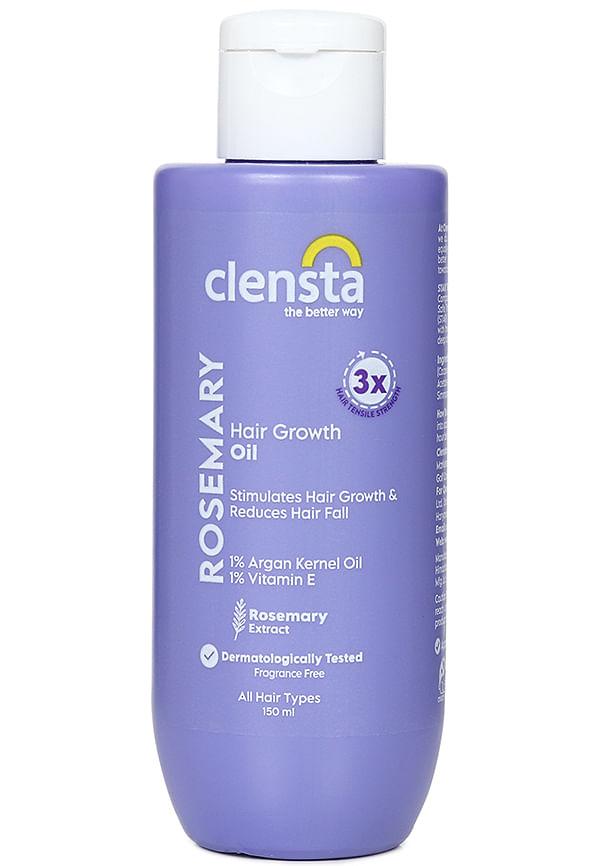
Rosemary Hair Growth Oil With Argan Oil & Vitamin E For Reducing Hair Fall, Strengthens Hair & Breakage
Amazing wellness product!
 5
5“Here's the revised 25-word review: "Life-changing product! Reduced inflammation, improved sleep, and increased energy. Easy to use and backed by science. Highly recommend for natural wellness seekers!"”
Lightweight and good for hair
4“light weight good for notmel hairs”
Positive Product Review
5“Good results fast delivery nice 6Good results fast delivery nice product”
Both physical and emotional stress can push hair follicles into the resting phase prematurely. This condition, called telogen effluvium, usually shows up 2-3 months after the stressful event.
Chronic stress elevates cortisol levels, which can interfere with hair growth cycles. Poor sleep, smoking, and excessive alcohol consumption all contribute to hair thinning by affecting circulation and nutrient delivery to follicles.
Tight hairstyles like ponytails, braids, or buns can cause traction alopecia—gradual hair loss from constant pulling. Chemical treatments, frequent heat styling, and harsh brushing can weaken hair shafts and damage follicles.
Over-washing strips natural oils, whilst under-washing can clog follicles with buildup. Finding the right balance is key to maintaining healthy hair growth.
Autoimmune conditions like alopecia areata cause the immune system to attack hair follicles. Scalp infections, seborrheic dermatitis, and other skin conditions can also impact hair growth.
Certain medications, including blood thinners, antidepressants, and chemotherapy drugs, list hair loss as a side effect. Always discuss potential hair-related side effects with your healthcare provider.
As we age, hair follicles naturally become less active. Hair growth slows, strands become finer, and the overall density decreases. This process typically accelerates after age 40, though the timeline varies significantly between individuals.
Pinpointing your specific hair thinning causes and solutions requires a systematic approach. Start with a self-assessment—track when you first noticed changes, any recent life events, medication changes, or dietary shifts.
Keep a hair diary noting daily hair loss (normal is 50-100 strands), styling practices, stress levels, and any scalp symptoms. Take photos monthly to track progression objectively.
Consider consulting a dermatologist or trichologist if you're experiencing sudden or severe thinning. They can perform blood tests to check for nutritional deficiencies, hormonal imbalances, or underlying health conditions. Scalp examinations using dermoscopy can reveal follicle health and inflammation patterns.
Once you've identified potential triggers, it's time to explore treatment options. The most effective approach often combines multiple strategies tailored to your specific situation.
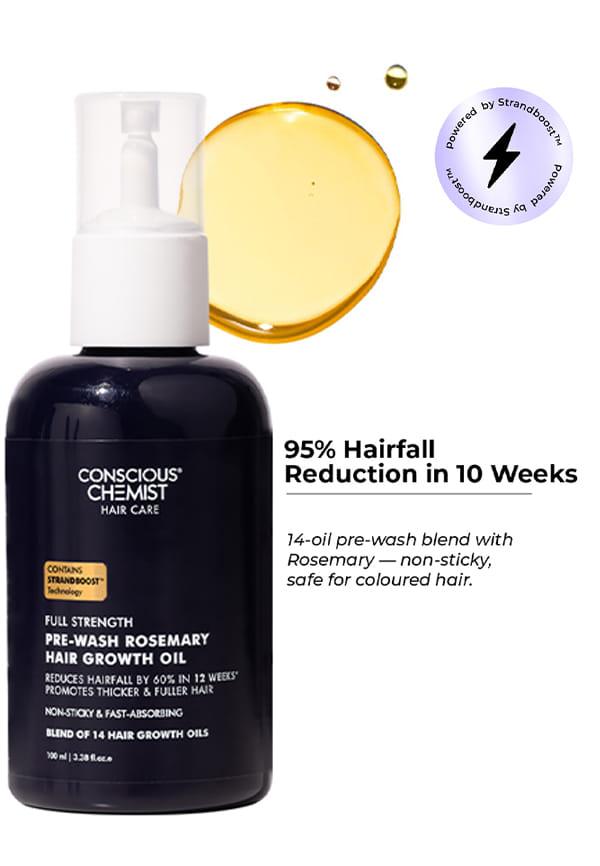
Full Strength Pre Wash Rosemary Hair Growth Oil
Oil-based, lightweight, may feel greasy
4“it's oil based so may be u feel ur hair greasy but it's not thick so light weight feel not thick and heavy on ur scalp currently using it bought two bottle it's first time let's see how's the result is”
Good Product, Observing Changes
5“Good product atill using need to look for changes”
Good Product, Observing Changes
5“Good product atill using need to look for changes”
Minoxidil remains the gold standard for over-the-counter hair thinning treatments. Available in 2% and 5% formulations, it works by extending the growth phase and increasing blood flow to follicles. Results typically appear after 3-4 months of consistent use.
Natural alternatives include rosemary oil, which studies suggest may be as effective as minoxidil. Caffeine-based serums and peptide treatments are also gaining popularity as gentler hair thinning products.
Finasteride, available by prescription, blocks the hormone DHT that causes male pattern baldness. It's highly effective for men but not recommended for women of childbearing age.
Spironolactone can help women with hormonal hair thinning by blocking androgen receptors. Dutasteride offers another option for men seeking stronger DHT inhibition.
Platelet-Rich Plasma (PRP) treatments use your own blood platelets to stimulate hair growth. The procedure involves drawing blood, concentrating the platelets, and injecting them into the scalp.
Microneedling creates tiny wounds that trigger healing responses and improve product absorption. Low-level laser therapy uses specific light wavelengths to energise follicles. For advanced cases, hair transplant procedures can redistribute healthy follicles to thinning areas.
Address any identified deficiencies with targeted supplementation. Iron supplements should only be taken if deficiency is confirmed through blood tests. Vitamin D, biotin, and collagen supplements may support hair health when used appropriately.
Focus on a protein-rich diet with adequate calories to support hair growth. Hair thinning remedies often work best when combined with proper nutrition rather than relying on supplements alone.
Prevention is always better than treatment when it comes to hair thinning. Developing gentle haircare routines can significantly reduce damage and preserve existing hair density.
Use wide-tooth combs on wet hair, avoid tight hairstyles, and limit heat styling. Choose sulphate-free shampoos and deep conditioning treatments to maintain hair health. Regular scalp massages can improve circulation and may support hair growth.
Stress management through exercise, meditation, or therapy can prevent stress-related hair loss. Prioritise sleep, maintain a balanced diet, and avoid smoking to support overall hair health. These ways to stop hair thinning focus on addressing root causes rather than just symptoms.
Men and women experience different patterns of hair thinning and may respond better to tailored treatment approaches.
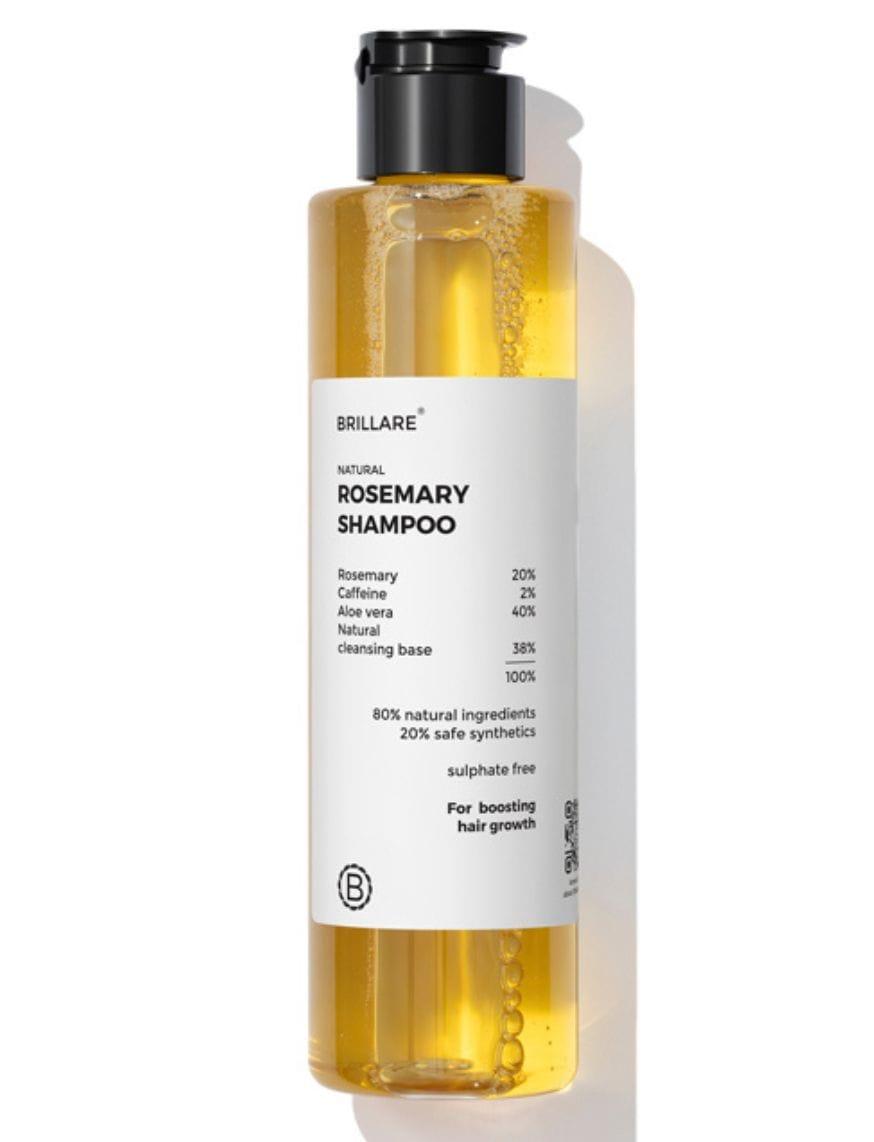
20% Rosemary Shampoo with 2% Caffeine for Hair Growth & Hair Fall Control
Heavy feel after application
5“feels a bit heavy after applying oil”
Cleanses, Smells, Lathers Well
5“cleanse well, smells amazing. lather well”
Cleanses, Smells, Lathers Well
5“cleanse well, smells amazing. lather well”
Male hair thinning typically responds well to DHT-blocking treatments like finasteride combined with minoxidil. Men can often use higher concentrations of topical treatments and may be candidates for more aggressive interventions.
Lifestyle modifications including regular exercise, stress management, and avoiding excessive alcohol can support treatment effectiveness. Men should also consider the psychological impact and explore styling options or hair systems if needed.
Female hair thinning requires more careful consideration of hormonal factors. Women may benefit from iron supplementation if deficient, hormonal treatments for PCOS or menopause, and gentler topical treatments.
Styling techniques like volumising products, strategic layering, and colour treatments can create the appearance of fuller hair whilst pursuing medical treatments. Women should work closely with healthcare providers to address underlying hormonal imbalances.
Hair regrowth depends on the underlying cause and how early treatment begins. Genetic hair loss is typically permanent, but treatments can slow progression and sometimes stimulate regrowth. Thinning caused by stress, nutrition, or hormonal changes often improves with appropriate treatment. Most people see initial results within 3-6 months, with continued improvement over 12-18 months.
The "big 3" refers to minoxidil, finasteride, and ketoconazole shampoo. This combination targets hair loss through multiple mechanisms—minoxidil stimulates growth, finasteride blocks DHT, and ketoconazole reduces scalp inflammation. Many dermatologists recommend this trio for comprehensive treatment, though individual responses vary.
Iron deficiency is the most common nutritional cause of hair loss, especially in women. Vitamin D, B12, and biotin deficiencies can also contribute to thinning. However, supplementation only helps if you're actually deficient—excess vitamins won't improve normal hair growth and may cause side effects.
Consult a dermatologist if you notice sudden hair loss, patchy bald spots, scalp irritation, or if thinning significantly impacts your confidence. Early intervention often leads to better outcomes. Smytten offers trial sizes of various hair thinning products, allowing you to test treatments before committing to full-size purchases.
Hair thinning is a complex condition with multiple potential causes, from genetics and hormones to lifestyle factors and medical conditions. The key to successful treatment lies in accurate identification of your specific triggers and implementing a comprehensive approach that addresses root causes.
Start with gentle haircare practices and stress management whilst exploring appropriate treatments. Whether you choose over-the-counter options like minoxidil, prescription medications, or professional therapies, consistency is crucial for seeing results. Remember that hair growth is slow—most treatments require 3-6 months to show initial benefits.
Don't underestimate the importance of nutrition, sleep, and overall health in supporting hair growth. Sometimes the most effective hair thinning prevention strategies are the simplest lifestyle changes that support your body's natural processes.
Dealing with hair thinning can feel overwhelming, but you've got more options than ever before. The key is finding the right combination of treatments that work for your specific situation and lifestyle. Smytten makes this journey easier by offering trial packs from over 2,400 trusted brands, including specialised haircare products for thinning hair concerns. With 100% cashback on trial minis, you can explore different hair thinning treatments and products without the financial risk of full-size purchases. From growth serums to strengthening masks, Smytten's curated collection lets you try before you buy, helping you discover what actually works for your hair. With over 28 million users trusting the platform for authentic, brand-verified minis delivered across 90% pin code coverage, you can confidently explore your options. After all, why settle for 'maybe' when you can #TryItAll and find the perfect solution for your hair thinning concerns?
