How to Identify Hair Thinning Causes: A Guide

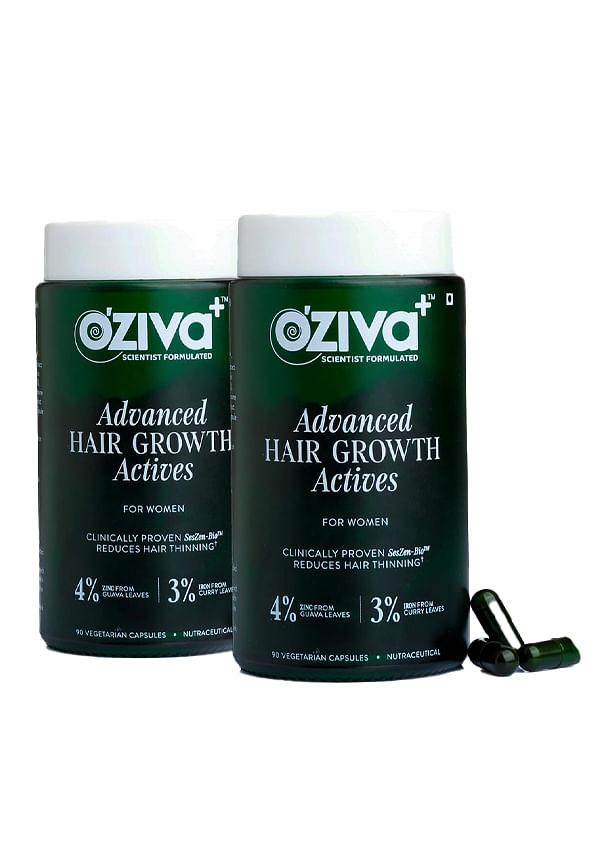
Advanced Hair Growth Actives | Anti-Thinning Hair Formula for Women
Good Product
 5
5“good product”
Good product, I like it
5“good product i like it it feels when I use it”
Nice Product
4“nice product.....thank you smytten”
Noticing more hair on your pillow or in the shower drain lately? You're not alone. Hair thinning affects millions of people worldwide, and figuring out the root cause can feel like solving a mystery. The thing is, not all hair loss is created equal—what's causing your mate's thinning might be completely different from yours. Understanding how to identify hair thinning causes is your first step towards finding the right solution. Whether it's genetics, stress, hormones, or something else entirely, knowing what's behind your hair loss helps you tackle it head-on. At Smytten, we've seen countless users discover haircare solutions through trial packs, and the journey often starts with understanding what's actually happening up there. Let's break down the detective work together and help you figure out what's going on with your hair.
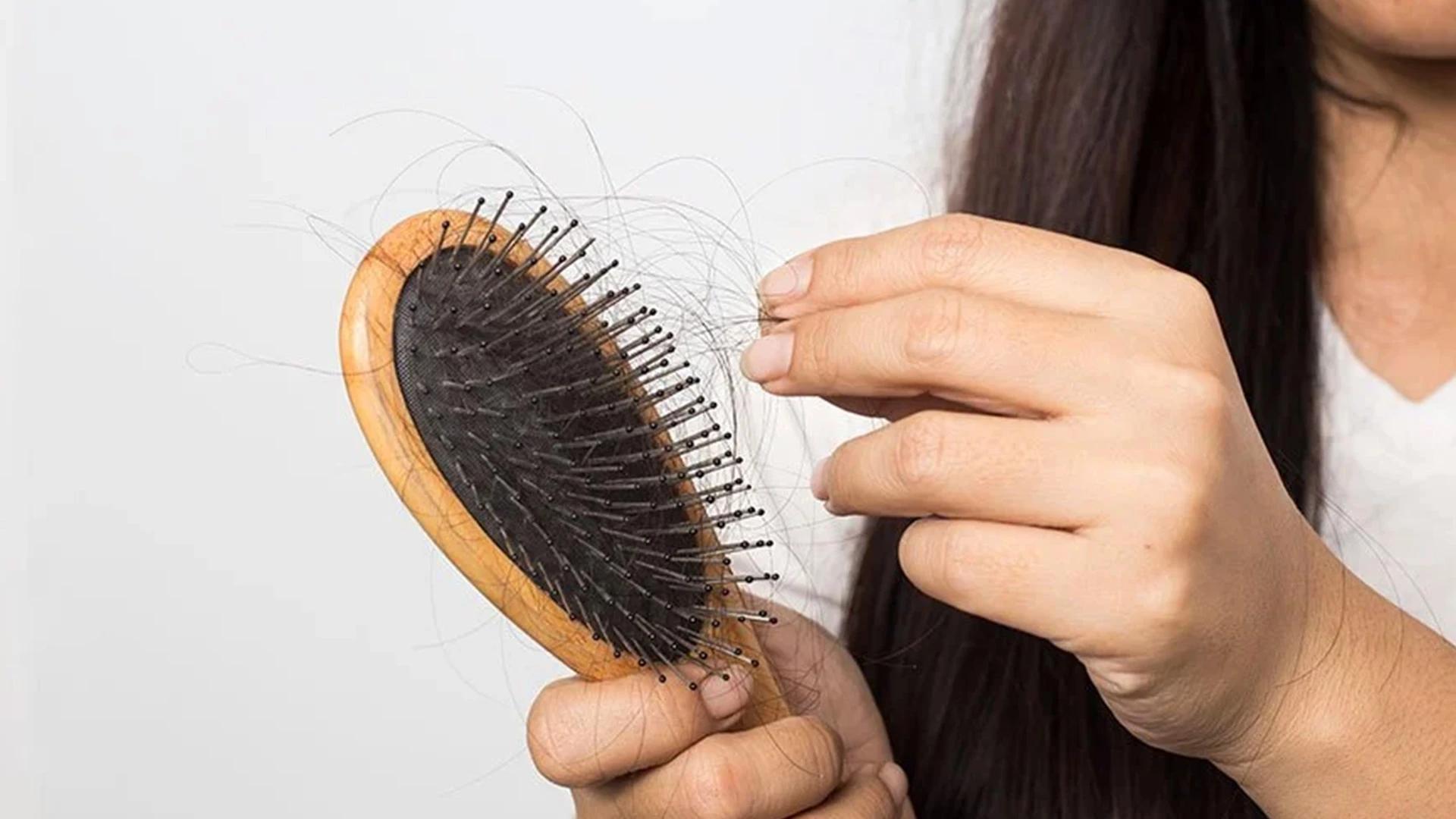
Normal hair shedding is 50-100 strands daily; anything beyond this with visible scalp or widening parts signals thinning
Major types include androgenetic alopecia (genetic), telogen effluvium (stress-related), and alopecia areata (autoimmune)
Common causes range from hormonal changes and nutritional deficiencies to stress and harsh hair care practices
Self-assessment involves tracking patterns, timelines, and symptoms, but professional consultation is key for accurate diagnosis
Early identification leads to better treatment outcomes, with many causes being reversible when caught in time
Let's be real—everyone loses hair daily, and that's totally normal. Your hair goes through natural cycles of growth, rest, and shedding. But when does normal become concerning? Understanding the difference is crucial for identifying actual hair thinning causes.
A healthy scalp sheds about 50-100 hairs per day. This might sound like a lot, but when you've got roughly 100,000 hair follicles on your head, it's actually just a tiny percentage. You'll notice this normal shedding when brushing, washing, or simply running your fingers through your hair.
Real talk—these are the red flags that suggest something more than normal shedding is happening. Watch out for these telltale signs:
Visible scalp showing through your hair, especially in bright lighting
Widening part lines that seem to get broader over time
Smaller ponytail circumference—your hair tie needs fewer wraps than before
Excessive hair on pillows, in the shower drain, or on your clothes
Receding hairline or thinning at the crown
Patchy areas where hair seems noticeably thinner
If you're consistently losing more than 100 hairs daily for several weeks, or if you notice any of the signs above, it's time to investigate further. Sudden changes in hair density or texture are particularly worth attention, as they often signal underlying hair loss causes that need addressing.
Not all hair thinning looks the same, and different types of hair thinning have distinct patterns. Recognising these patterns is key to understanding what's causing your hair loss and finding the right approach to address it.
This is the most common type of hair loss, affecting both men and women. In men, it typically starts with a receding hairline and crown thinning. Women usually experience diffuse thinning across the top of the scalp, with the hairline often remaining intact. Androgenetic alopecia causes are primarily genetic, with sensitivity to dihydrotestosterone (DHT) playing a major role.
This type shows up as sudden, widespread thinning across the entire scalp. Telogen effluvium causes include major life stressors, illness, surgery, or significant dietary changes. The good news? This type is usually temporary, with hair typically growing back once the triggering factor is addressed.
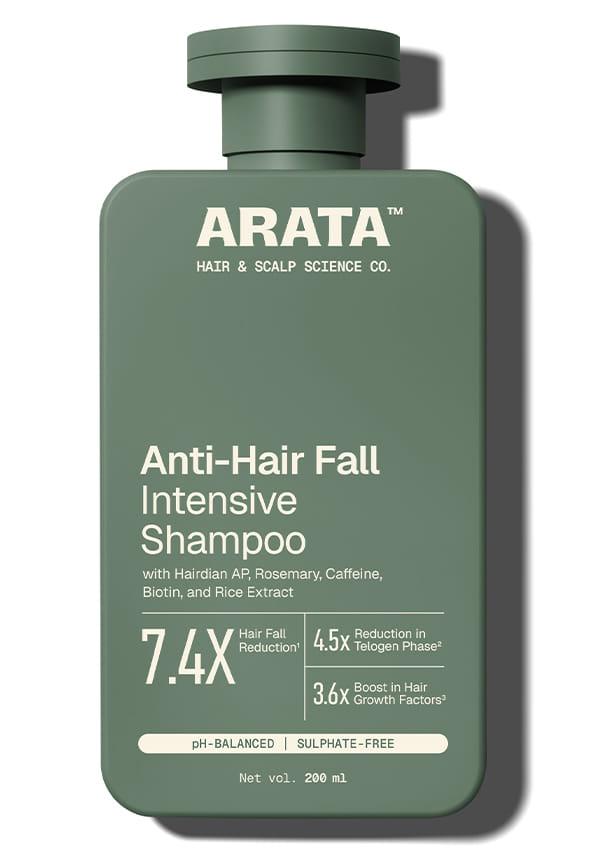
Anti-Hair Fall Intensive Shampoo | Hairdian AP, Caffeine & Rosemary | Hair Fall Reduction | Boost in Hair Growth Factors | Paraben & Sulphate-Free Sh
Needs more usage time
4“ek hi bar hairwash kiya hai toh utna samjh nhi aya but 1-2week use krne ke bad hi samjh ayega”
Nice Shampoo, Reduces Hair Fall
4“Nice shampoo smells good reducing hair fall”
Needs more usage time
4“ek hi bar hairwash kiya hai toh utna samjh nhi aya but 1-2week use krne ke bad hi samjh ayega”
Characterised by smooth, round patches of complete hair loss, alopecia areata causes are autoimmune in nature. Your immune system mistakenly attacks hair follicles, leading to sudden hair loss in specific areas. These patches can appear anywhere on the scalp or body.
When it comes to reasons for thinning hair, genetics and hormones top the list. These factors often work together, creating the perfect storm for hair loss that can be tricky to navigate without proper understanding.
Your family tree holds major clues about your hair's future. If your parents or grandparents experienced hair thinning, you're more likely to face similar challenges. Genetic hair loss doesn't always follow a predictable timeline—some people start noticing changes in their twenties, while others don't see significant thinning until much later.
Hormones are like the puppet masters of your hair growth cycle. Several hormonal factors can trigger hair thinning:
DHT sensitivity—this hormone shrinks hair follicles over time
Thyroid disorders—both overactive and underactive thyroid can cause hair loss
PCOS—elevated androgens can lead to male-pattern hair loss in women
Menopause—declining oestrogen levels often trigger hair thinning
Pregnancy and postpartum—hormonal fluctuations can cause temporary hair loss
Your daily habits and environment play a bigger role in hair health than you might think. Many lifestyle-related hair shedding causes are actually within your control, which means you can take action to address them.
Stress and hair thinning go hand in hand more often than we'd like. Both physical stress (like illness or surgery) and emotional stress can push hair follicles into a resting phase, leading to increased shedding about 2-3 months later. Chronic stress also elevates cortisol levels, which can interfere with hair growth cycles.
Your hair needs proper nutrition to thrive, and deficiencies can quickly show up in your strands. The most common nutritional deficiencies hair thinning culprits include:
Iron deficiency—the most common nutritional cause of hair loss
Vitamin D—essential for hair follicle health
B vitamins—particularly B12 and biotin
Protein—hair is primarily made of protein, so inadequate intake affects growth
Zinc—crucial for hair tissue growth and repair
Sometimes we're our own worst enemy when it comes to hair health. Tight hairstyles like ponytails, braids, or buns can cause traction alopecia. Chemical treatments, excessive heat styling, and harsh brushing can also weaken hair and lead to breakage that mimics thinning.

Rosemary Hair Fall Control Shampoo With Biotin For Reducing Hair Loss, Breakage & Daily Use
Great Face Cream with SPF
5“I really liked this face cream. The texture is smooth, absorbs quickly, and doesn’t feel greasy. It keeps my skin moisturized and the SPF 30 is a great added benefit for daily sun protection. Suitable for everyday use.”
Excellent Product!
5“Here's the revised 25-word review: "Life-changing product! Reduced inflammation, improved sleep, and increased energy. Easy to use and backed by science. Highly recommend for natural wellness seekers!"”
Product Recommendation
4“Recommended by friend very good”
Various health conditions and treatments can trigger hair loss as a side effect. Understanding these connections helps you identify potential causes and work with healthcare providers to find solutions.
Autoimmune disorders like lupus, rheumatoid arthritis, and thyroid disease can all impact hair growth. These conditions cause inflammation that can affect hair follicles, leading to thinning or patchy hair loss. Scalp conditions like psoriasis or seborrhoeic dermatitis can also contribute to hair loss.
Certain medications list hair loss as a potential side effect. Common culprits include blood thinners, some antidepressants, beta-blockers, and anti-inflammatory drugs. Chemotherapy and radiation treatments are well-known for causing hair loss, though this is usually temporary.
Conditions like diabetes, kidney disease, and eating disorders can all impact hair health. These conditions affect your body's ability to deliver nutrients to hair follicles or create hormonal imbalances that interfere with normal hair growth cycles.
Now that you know the potential culprits, it's time to play detective with your own hair situation. Identifying your specific hair loss causes requires a systematic approach and sometimes professional help.
Start by documenting your hair loss journey. Note when you first noticed thinning, any major life events around that time, and the pattern of hair loss. Take photos from different angles to track changes over time. Keep a diary of your diet, stress levels, and any new medications or products you've started using.
While self-assessment is helpful, professional evaluation is often necessary for accurate diagnosis. See a dermatologist if you notice sudden or severe hair loss, patchy bald spots, or if hair loss is accompanied by scalp irritation, redness, or scaling. They can perform tests to rule out underlying conditions and recommend appropriate treatments.
Come prepared for your appointment. Your doctor will likely ask about family history of hair loss, recent illnesses or surgeries, medications you're taking, and your hair care routine. They might also inquire about your menstrual cycle (if applicable), stress levels, and dietary habits. Being thorough with your answers helps them identify the most likely causes.
The good news is that many types of hair thinning are treatable, especially when caught early. Understanding whether your hair loss is reversible helps set realistic expectations for treatment outcomes.

Biotin Shampoo | Softens Hair | Nourishes Scalp | Lowers Hairfall
Positive Product Review
5“Good product, thank you for the support”
Positive Product Experience
5“it's better experience everything in this product is soo nice good worth it ❤️”
Telogen effluvium, nutritional deficiency-related hair loss, and stress-induced thinning are often reversible. Androgenetic alopecia is progressive but can be slowed or stabilised with treatment. Alopecia areata may resolve on its own or respond well to treatment, though it can be unpredictable.
The earlier you address hair thinning, the better your chances of maintaining and potentially regrowing hair. Once hair follicles become completely inactive, it's much harder to stimulate regrowth. This is why identifying hair thinning causes quickly is so important.
Look at the pattern of hair loss, timing of onset, and any accompanying symptoms. Consider recent life changes, family history, and overall health. A dermatologist can perform tests like blood work or scalp biopsy for definitive diagnosis.
Iron deficiency is the most common, but vitamin D, B12, biotin, and zinc deficiencies can all contribute to hair thinning. A simple blood test can check your levels and help determine if supplements might help.
It depends on the cause. Hair loss from stress, nutritional deficiencies, or hormonal changes is often reversible. Genetic hair loss can be slowed but rarely completely reversed. Early treatment gives the best chance for regrowth.
Most treatments require 3-6 months to show noticeable results, as hair grows slowly. Some people see initial improvements in hair quality or reduced shedding within weeks, but significant regrowth takes patience and consistency with treatment.
Identifying hair thinning causes is like putting together a puzzle—you need to look at all the pieces to see the full picture. Start by distinguishing between normal shedding and actual thinning, then consider the pattern and timing of your hair loss. Genetics and hormones are major players, but don't overlook lifestyle factors like stress, nutrition, and hair care practices. Medical conditions and medications can also be culprits worth investigating.
Remember that early identification and intervention give you the best shot at maintaining your hair. While some causes like genetics can't be changed, many others are within your control. Whether it's improving your diet, managing stress better, or switching up your hair care routine, small changes can make a big difference. When in doubt, don't hesitate to consult a professional—they can provide testing and treatment options you might not have considered.
Understanding your hair thinning causes is the first step towards finding solutions that actually work for you. While the journey can feel overwhelming, having the right information and support makes all the difference. Smytten is India's largest product discovery and trial platform, connecting consumers with top lifestyle, beauty, wellness, and grooming brands. Through curated trial packs from over 2,400 trusted brands, you can explore haircare solutions before committing to full-size purchases. With 100% cashback on trial minis and the ability to try before you buy, finding your perfect haircare routine becomes both affordable and risk-free. After all, why settle for 'maybe' when you can #TryItAll!
