How to Identify Frizzy Hair Causes for Smooth Hair
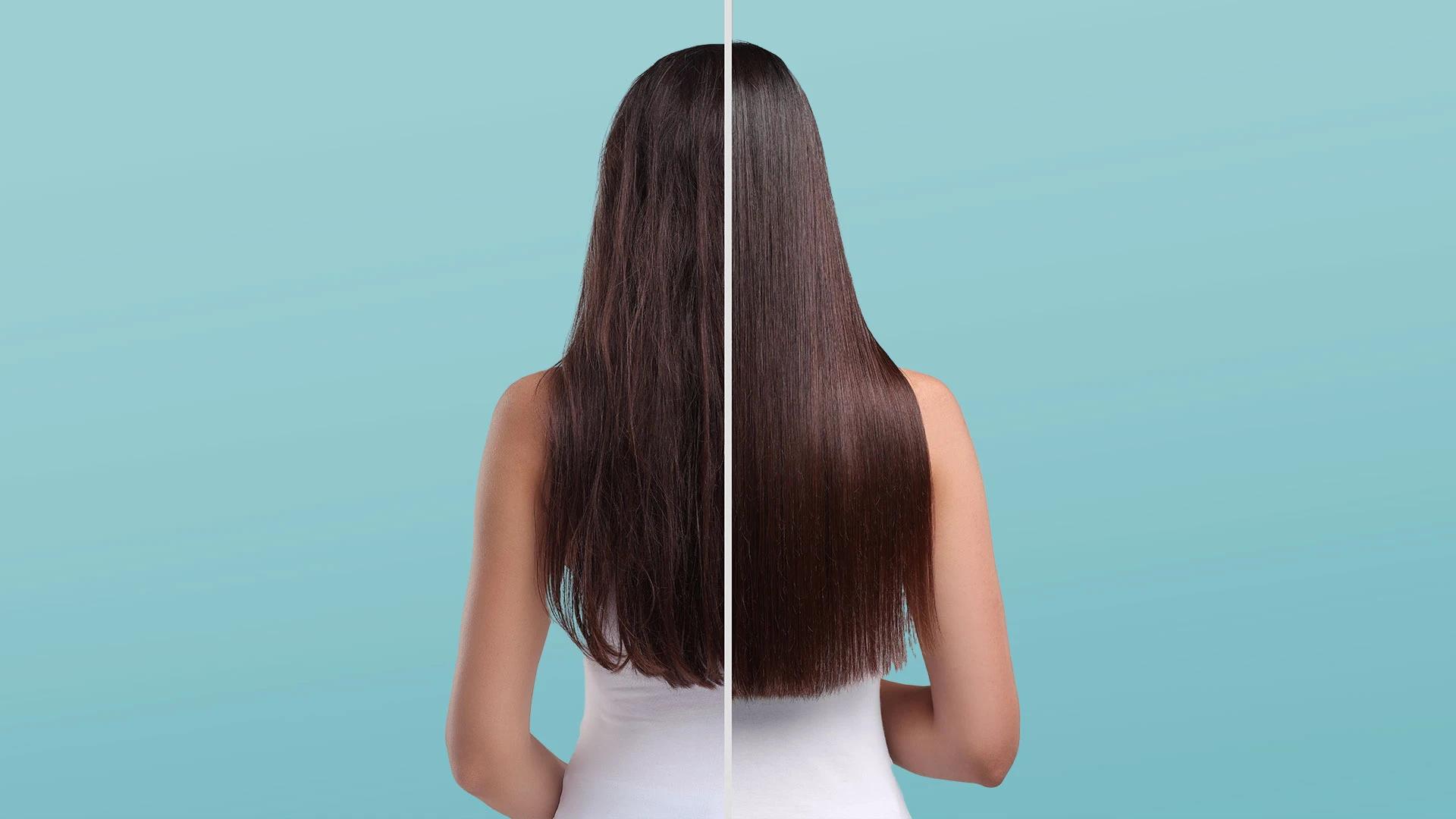

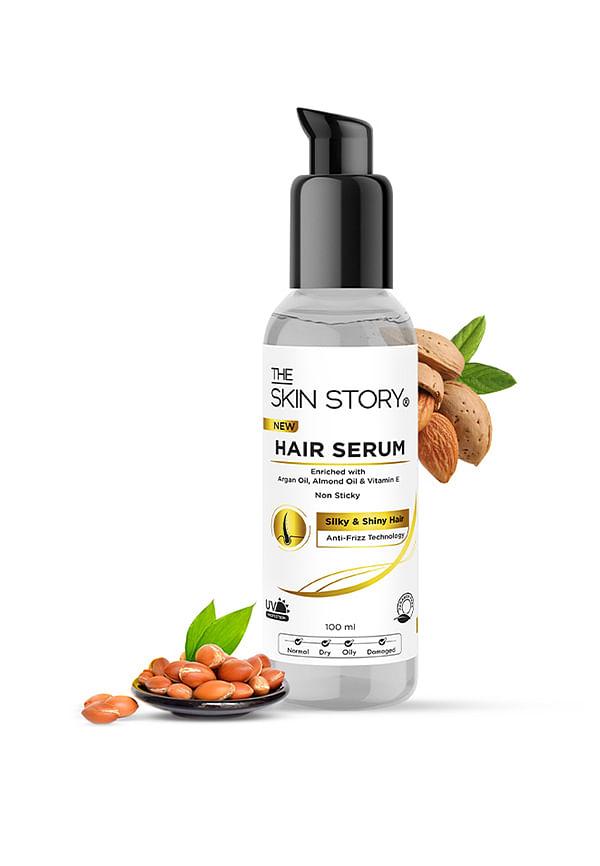
Hair Serum With Anti Frizz Technology And UV Protection, Non-Sticky For Silky Hair
Very Useful Product
 5
5“this product is very useful for me”
Makes Hair Smooth & Shiny
5“it makes the hair smooth and shiny”
Great Hair Serum, Silky & Shiny
4“I really like this hair serum! It makes my hair feel smooth, soft, and manageable. It has a lightweight texture and leaves my hair looking shiny without feeling too heavy. Overall, a great product and I’m happy with the results.”
Frizzy hair can feel like your worst enemy, especially when you're trying to achieve that smooth, Instagram-worthy look. But here's the thing—understanding what causes frizzy hair is actually the first step to winning the battle against it. Whether you're dealing with humidity-induced chaos, heat damage, or just naturally textured hair that seems to have a mind of its own, identifying the root cause is crucial for finding the right frizzy hair solutions. From hair porosity issues to environmental factors, there are multiple culprits behind those unruly strands. The good news? Once you know what you're dealing with, you can create a targeted approach that actually works. At Smytten, we've seen countless users discover their perfect frizz-fighting routine through trial packs, testing different products until they find their holy grail. Let's dive into the science behind frizz and help you decode what your hair is really trying to tell you.
Frizz happens when hair cuticles lift due to moisture imbalance, damage, or genetics
Key causes include humidity, heat styling, chemical damage, and improper haircare habits
Hair porosity levels directly impact how your hair reacts to moisture and products
Different hair types (straight, wavy, curly) have unique frizz triggers and solutions
Identifying your specific frizz cause helps you choose the most effective treatments and products
Frizzy hair isn't just about having a 'bad hair day'—it's a specific condition where individual hair strands don't lie flat against each other, creating a rough, uneven texture. If you're wondering whether your hair qualifies as frizzy, there are some telltale signs to look out for.
The most obvious visual cues include flyaways that seem to defy gravity, a rough or coarse texture when you run your fingers through your hair, and a general lack of definition in your natural hair pattern. Your hair might look dull rather than shiny, and individual strands may appear to be going in different directions rather than following a uniform pattern.
Try the touch test—smooth, healthy hair should feel silky and soft between your fingers. Frizzy hair often feels rough, dry, or even slightly tangled even when it's clean and detangled. Another quick check is the humidity test: if your hair transforms dramatically when you step outside on a humid day, expanding and becoming unmanageable, you're definitely dealing with frizz-prone hair.
Different hair types experience frizz differently too. Straight hair might develop random kinks and waves, wavy hair can lose its pattern and become a chaotic mess, while curly hair might separate into individual strands rather than forming defined curl clumps. Understanding your specific frizz pattern helps you choose the right approach for managing it.
To really understand what causes frizzy hair, we need to get a bit nerdy about hair structure. Your hair shaft consists of three layers: the outer cuticle, the middle cortex, and the inner medulla. When everything's working properly, the cuticle lies flat like overlapping roof shingles, creating a smooth surface that reflects light and feels silky.
Frizz happens when these cuticles lift up or become damaged, creating gaps that allow moisture to enter and exit the hair shaft irregularly. This moisture imbalance is what creates that characteristic puffed-up, unruly appearance. Think of it like a sponge—when the cuticle is damaged, your hair becomes more porous and reactive to environmental moisture.
Hair porosity is basically how easily your hair absorbs and releases moisture, and it's directly linked to frizz levels. Low porosity hair has tightly closed cuticles that resist moisture, while high porosity hair has gaps in the cuticle that allow moisture to flow in and out too easily. Medium porosity is the sweet spot where moisture balance is easier to maintain.
High porosity hair is particularly prone to frizz because it absorbs moisture from the air quickly, causing the hair shaft to swell and the cuticles to lift even more. This creates a vicious cycle where damaged hair becomes increasingly frizzy and harder to manage.
Let's be real—some people are just genetically predisposed to frizz. Your hair's natural texture, thickness, and porosity levels are largely determined by your DNA. If your parents dealt with frizzy hair, chances are you might too. However, genetics isn't destiny, and understanding your hair's natural tendencies helps you work with it rather than against it.
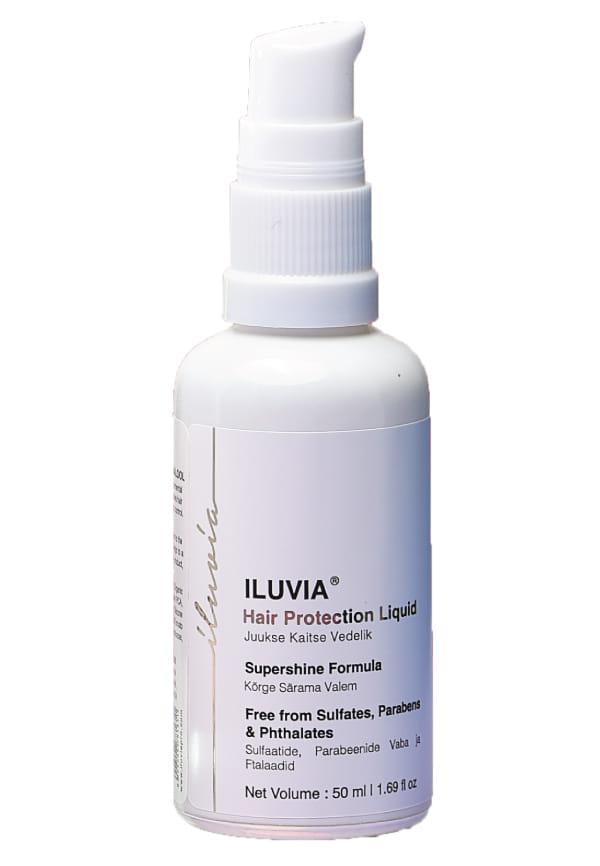
Hair Protections Liquid | Frizz control with super shiny hair + Heat Protection
Environmental conditions play a huge role in frizz formation, and understanding these external triggers can help you prepare and protect your hair accordingly. Weather conditions, pollution, and even the water you wash your hair with can all contribute to frizz.
Humidity is probably the most notorious frizz trigger, and there's solid science behind why it wreaks havoc on your hair. When there's moisture in the air, damaged or porous hair acts like a sponge, absorbing that humidity and swelling up. This causes the hair shaft to expand unevenly, lifting the cuticles and creating that familiar frizzy texture.
The relationship between humidity and frizzy hair is so strong that many people can predict the weather just by looking at their hair! High humidity days are particularly challenging because your hair is constantly trying to balance its moisture content with the environment around it.
Sun exposure doesn't just damage your skin—it can seriously mess with your hair cuticles too. UV rays break down the proteins in your hair, weakening the cuticle structure and making it more prone to lifting and frizz. Hot weather compounds this by drying out your hair, making it more brittle and susceptible to damage.
Sometimes the biggest culprits behind frizzy hair are hiding in your daily routine. Small habits that seem harmless can actually be contributing to cuticle damage and moisture imbalance over time.
Over-washing is a major offender—stripping your hair of natural oils too frequently leaves it dry and vulnerable to frizz. Harsh shampoos with sulfates can be particularly damaging, especially if you're washing daily. Your hair needs those natural oils to maintain moisture balance and keep the cuticles smooth.
Rough towel drying is another sneaky frizz creator. Vigorously rubbing your hair with a regular terry cloth towel creates friction that lifts the cuticles and can even cause breakage. Wet hair is at its most vulnerable state, so aggressive handling during this time can cause lasting damage.
Brushing wet hair is similarly problematic. When hair is wet, it's stretched and more elastic, making it prone to breakage and cuticle damage. Using the wrong brush or being too aggressive can create microscopic damage that accumulates over time, leading to increased frizz.
Even your pillowcase choice matters—cotton can create friction while you sleep, leading to bedhead and frizz. Sleeping on silk or satin pillowcases reduces this friction and helps maintain your hair's smoothness overnight.
Heat styling tools and chemical treatments are some of the most significant contributors to damaged hair frizz. While they can give you gorgeous results in the short term, repeated use without proper protection can seriously compromise your hair's structure.
Excessive heat from blow dryers, straighteners, and curling irons literally cooks the proteins in your hair, causing the cuticles to lift and become damaged. This damage is cumulative—each heat styling session adds to the overall wear and tear on your hair structure. Without heat protectant products, you're essentially frying your hair every time you style it.
Chemical processing like coloring, perming, or relaxing treatments work by breaking down and reforming the bonds in your hair. While this allows for dramatic transformations, it also weakens the hair structure and makes it more porous and prone to frizz. Over-processed hair often becomes so damaged that it struggles to retain moisture, leading to chronic dryness and frizz.
Product buildup can also contribute to frizz by weighing down your hair and preventing moisture from penetrating properly. Heavy styling products, silicones, and even some conditioning ingredients can accumulate on the hair shaft, creating an uneven texture that looks and feels frizzy.
Anti Hair Fall Serum
Curly hair frizz causes are often different from what affects straight hair, and understanding these unique challenges is crucial for effective management. Curly hair has a naturally irregular structure that makes it more prone to dryness and frizz.
The shape of curly hair creates weak points along the hair shaft where it bends and curves. These areas are naturally more fragile and prone to breakage, which can disrupt the curl pattern and create frizz. Additionally, the curved structure makes it harder for natural oils from your scalp to travel down the hair shaft, leading to dryness, especially at the ends.
Improper cutting techniques can also cause frizz in curly hair. When curls are cut with traditional straight-hair methods, it can disrupt the natural curl pattern and create uneven lengths that don't curl together properly. This leads to individual strands going rogue and creating a frizzy appearance.
Product selection mistakes are particularly common with curly hair. Using products designed for straight hair can weigh down curls or fail to provide adequate moisture, leading to frizz and loss of definition. Curly hair typically needs more moisture and different styling approaches than other hair types.
While you can learn a lot about your hair through observation and simple tests, sometimes professional assessment can provide insights you might miss. Understanding when to seek expert help can save you time, money, and frustration in your frizz-fighting journey.
You can start with some basic at-home tests to assess your hair's condition. The porosity test involves dropping a clean strand of hair into a glass of water—if it sinks quickly, you have high porosity hair that's prone to frizz. If it floats, you have low porosity hair that resists moisture. The elasticity test involves gently stretching a wet strand—healthy hair should stretch and return to its original length, while damaged hair will break or fail to bounce back.
Consider consulting a trichologist or experienced stylist if you're dealing with sudden changes in hair texture, severe breakage, or frizz that doesn't respond to typical treatments. They can identify underlying scalp conditions, hormonal factors, or damage patterns that might not be obvious to the untrained eye.
Professional hair analysis can also help you understand your hair's unique needs and recommend specific treatments or product types that will work best for your particular situation. This is especially valuable if you've tried multiple approaches without success.
Now that you understand what causes frizzy hair, let's talk about how to stop frizzy hair in its tracks. The key is matching your approach to your specific frizz triggers and hair type.
For emergency frizz situations, a few drops of hair oil or serum can work wonders. Apply it to damp hands and gently smooth over the frizzy areas—avoid the roots to prevent greasiness. A light mist of leave-in conditioner can also help tame sudden frizz without weighing your hair down.
If you're dealing with humidity-induced frizz, try the 'plopping' method—gently squeeze excess water from your hair with a microfiber towel or cotton t-shirt, then apply anti-frizz products while your hair is still damp to lock in moisture and create a barrier against humidity.
Building a moisture-rich haircare routine is essential for long-term frizz control. This means using sulfate-free shampoos, deep conditioning treatments, and leave-in products that help maintain your hair's moisture balance. The goal is to keep your cuticles smooth and well-hydrated so they're less likely to lift and create frizz.
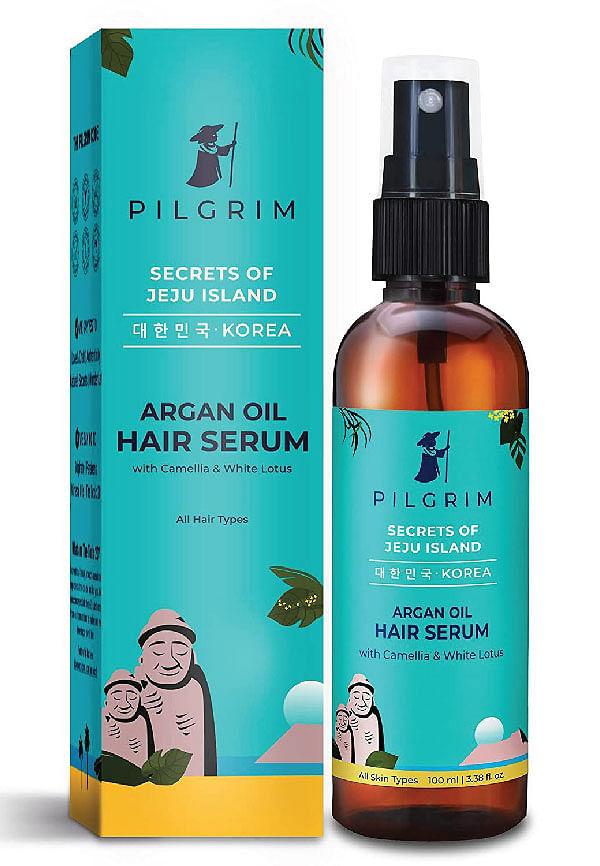
Anti-Frizz Smoothing Hair Serum Spray With Argan Oil
Loved It, Good Quality
5“loved it must buy good quality”
Nice Fragrance, Lightweight
5“very nice fregnce and lightweight”
Nice Fragrance, Lightweight
5“very nice fregnce and lightweight”
Heat protection is non-negotiable if you use styling tools. Always apply a heat protectant product before using any hot tools, and try to keep temperatures below 350°F when possible. Consider air-drying or using lower heat settings to minimize damage over time.
Protective styling methods can also help reduce frizz by minimizing manipulation and environmental exposure. Techniques like braiding, twisting, or using silk scarves can protect your hair while you sleep or during harsh weather conditions.
Yes, but it depends on the cause and extent of damage. If frizz is due to environmental factors or poor haircare habits, you can see improvement within a few weeks of changing your routine. However, if the frizz is caused by chemical or heat damage, it may take several months of consistent care and regular trims to see significant improvement. Severely damaged hair may need to be gradually cut off as healthy hair grows in.
Prevention is key! Use sulfate-free shampoos, always apply heat protectant before styling, sleep on silk or satin pillowcases, and avoid brushing wet hair. Regular deep conditioning treatments and protecting your hair from humidity with anti-frizz products can also help maintain smoothness.
The basic causes are the same, but men often experience frizz due to shorter, more frequent haircuts that can disrupt natural curl patterns, and they may use fewer protective products. Hormonal differences can also affect hair texture, with some men experiencing changes in hair structure during puberty or as they age.
Absolutely! Shampoos with harsh sulfates can strip natural oils and damage the cuticle, leading to increased frizz. Look for sulfate-free formulas with pH-balanced ingredients that clean without over-drying. At Smytten, you can explore different shampoo formulations through trial packs to find what works best for your hair type.
Yes, regular oiling can help reduce frizz by providing moisture and creating a protective barrier on the hair shaft. Oils like argan, coconut, or jojoba can smooth the cuticles and add shine. However, the key is using the right amount—too much can weigh hair down, while too little won't provide adequate protection.
Understanding how to identify frizzy hair causes is your first step toward achieving smoother, more manageable hair. Remember that frizz is essentially a moisture imbalance issue—whether it's caused by environmental factors, damage, or genetics, the solution usually involves restoring and maintaining proper hydration levels in your hair.
The most important thing to remember is that different hair types and damage levels require different approaches. What works for your friend's straight, fine hair might not work for your thick, curly hair. Pay attention to how your hair responds to different products and techniques, and don't be afraid to adjust your routine based on what you observe.
Consistency is crucial when implementing frizz control tips. You might not see dramatic results overnight, but with patience and the right approach, most people can significantly reduce their frizz levels and achieve the smooth, healthy hair they're after.
Finding the right frizzy hair solutions doesn't have to be a guessing game filled with expensive mistakes. Smytten is India's largest product discovery and trial platform, connecting consumers with top lifestyle, beauty, wellness, and grooming brands through curated trial packs. With mini-sized products from over 2,400 trusted brands, you can explore different anti-frizz treatments, shampoos, and styling products before committing to full-size purchases. Each mini is linked with Trial Points, and users can get up to 10 Trial Points for just ₹279, plus Smytten offers 100% cashback on trial purchases, making product discovery both affordable and rewarding. Whether you're dealing with humidity-induced frizz or heat damage, you can try before you buy and find your perfect frizz-fighting routine through authentic brand-verified minis available on Smytten. With over 28 million users and 90% pin code coverage across India, why settle for 'maybe' when you can #TryItAll!
