How to Identify Dandruff vs Scalp Irritation
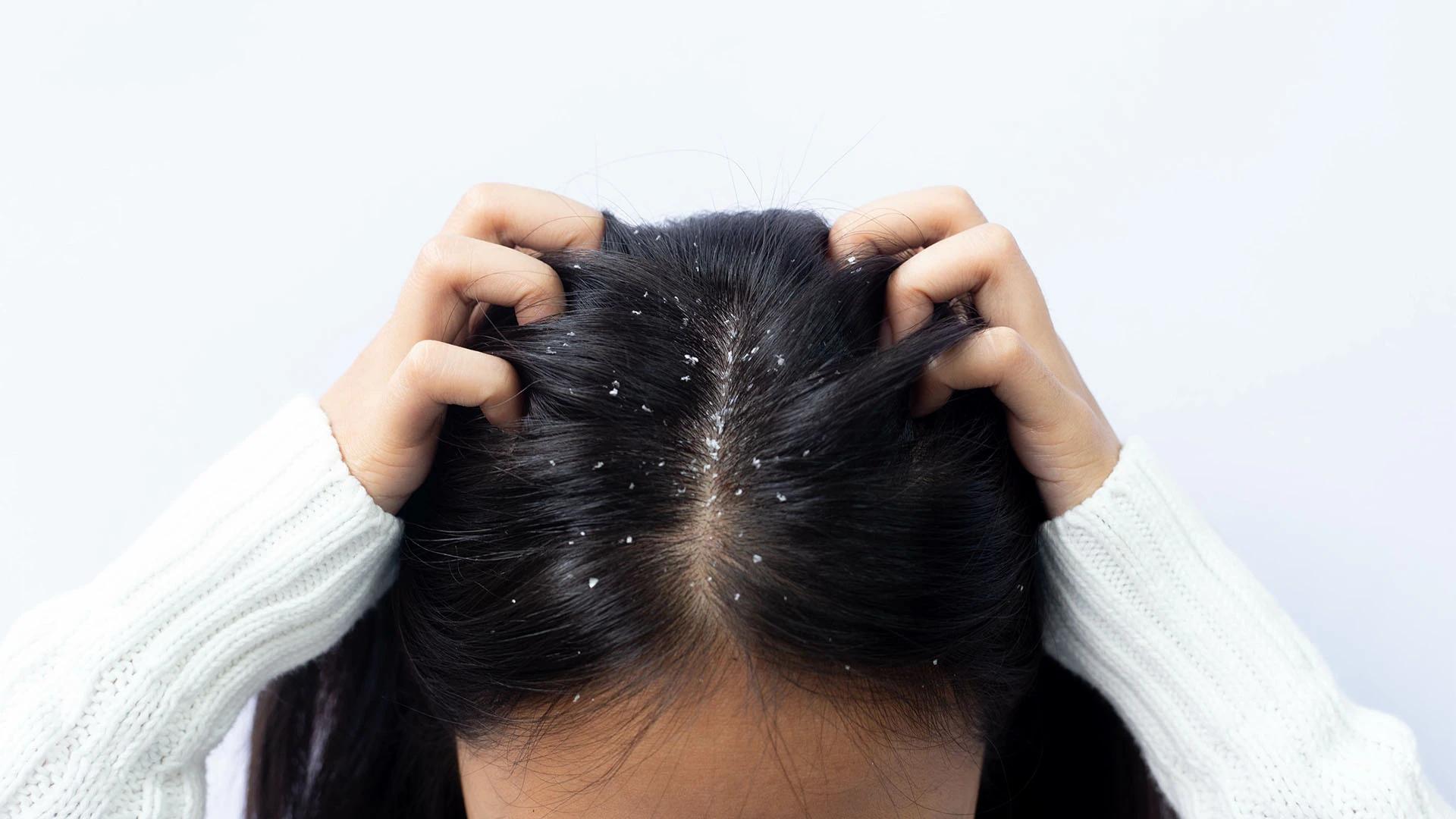

That annoying itch on your scalp has you scratching your head—literally. But here's the thing: not all scalp issues are created equal. The battle between dandruff vs irritation is real, and knowing which one you're dealing with can save you from using the wrong products and making things worse. Whether it's those pesky white flakes falling onto your favourite black top or that tight, uncomfortable feeling after washing your hair, understanding your scalp's SOS signals is the first step to getting relief. Let's decode what your scalp is trying to tell you.
Real talk—dandruff and scalp irritation might seem like the same problem, but they're actually quite different beasts. Think of it like this: one's caused by too much oil partying with yeast, while the other's your scalp crying out for moisture. Getting this distinction right is your ticket to choosing the right haircare approach. The main difference lies in what's happening beneath the surface. Dandruff typically involves an oily scalp that's become a playground for a specific type of yeast, whilst scalp irritation often stems from a dry scalp that's been stripped of its natural oils.
Dandruff happens when your scalp produces excess oil, creating the perfect environment for Malassezia yeast to thrive. This little troublemaker feeds on the oils and causes your skin cells to shed faster than usual, resulting in those characteristic yellowish, greasy flakes. The connection to seborrheic dermatitis is worth noting here—dandruff is actually a mild form of this condition. When the inflammation gets more intense, it can spread beyond your scalp to your eyebrows, nose, and other oily areas of your face.
Scalp irritation, on the other hand, usually signals a moisture crisis. Your scalp becomes dry, tight, and sensitive, often due to overwashing, harsh products, or environmental factors like cold weather or low humidity. Unlike dandruff's oily flakes, irritated scalp produces small, white, dry flakes that feel completely different to the touch. These flakes are actually dead skin cells that have dried out and are flaking off.
Here's your cheat sheet for spotting the difference: • Dandruff flakes: Yellowish, oily, larger, stick to hair • Irritation flakes: White, dry, smaller, fall easily • Scalp feel: Oily vs tight and dry • Itch pattern: Persistent vs comes and goes
Time for some detective work. These simple tests can help you figure out whether you're dealing with dandruff or scalp irritation without needing a dermatology degree. The beauty of these diagnostic methods is that you can do them at home with zero equipment. Think of yourself as a scalp detective gathering evidence to crack the case.
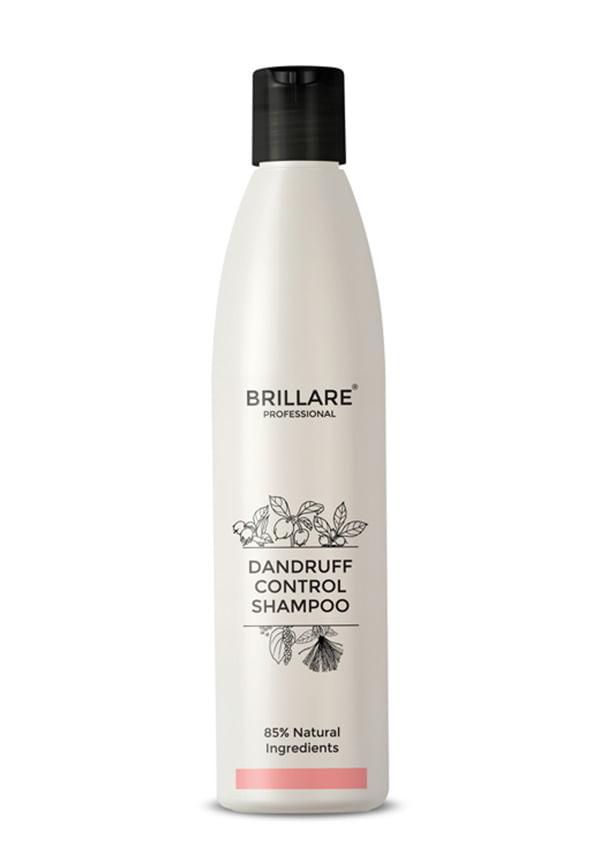
Dandruff Control Shampoo For Itchy, Flaky Scalp
Nourishing & Dandruff-Fighting Shampoo
 5
5“This shampoo deeply nourishes the scalp and strengthens the hair from roots to tips. and removes all dandruff within 2..4 wash”
Love this product, order every time
5“love this product i ordered it every time”
Quick Results, Gentle & Amazing Quality
5“you will see results quickly rather than anything, very gentle small quantity enough , quality amazing”
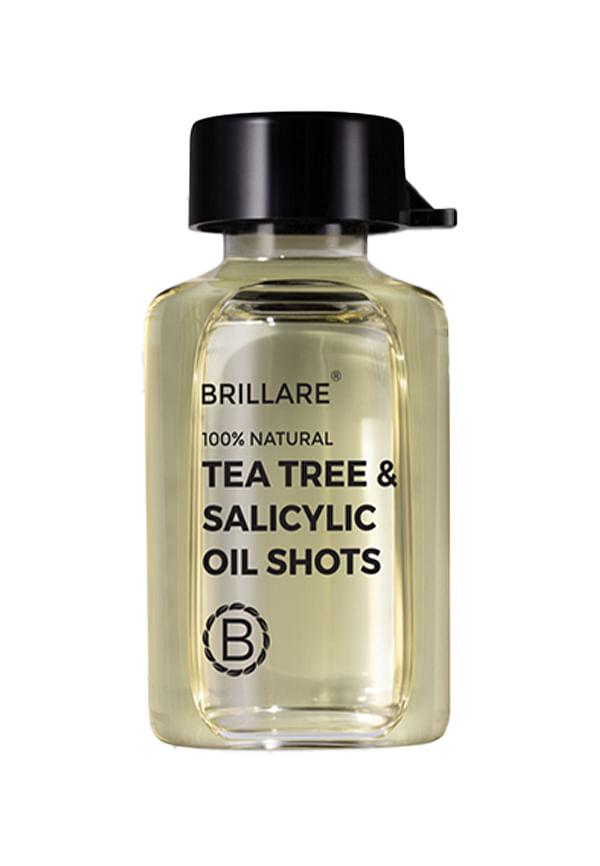
Tea Tree & Salicylic Oil Shots For Dry, Itchy Scalp to Fights Dandruff
Excellent Product Quality
5“nice product awesome quality 👍🏻😁”
Effective Brand
4“love this brand it's effective”
Amazing Product, Will Buy Full Size
5“amazing product going to buy full size”
Here's your step-by-step guide to the shake test: • Lean over a dark towel or surface • Gently shake your head from side to side • Observe what falls out • If you see larger, yellowish flakes that might stick to your hair, you're likely dealing with dandruff The "snow globe effect" happens when you see a shower of flakes—but pay attention to their texture and colour. Dandruff flakes often feel slightly oily when you rub them between your fingers.
This one's all about how your scalp feels to the touch: • Gently run your fingertips across your scalp • Notice if it feels tight, dry, or sensitive • Check for any rough or flaky patches • An irritated scalp often feels like it needs moisture, whilst a dandruff-affected scalp might feel slightly oily
Some situations call for expert help. If you're experiencing severe inflammation, hair loss, or symptoms that don't improve with over-the-counter treatments, it's time to see a dermatologist. They can properly diagnose more serious scalp conditions and rule out issues like psoriasis or fungal infections.
Understanding the "why" behind your scalp drama can help you tackle the problem more effectively. Both conditions have different triggers, which explains why the same treatment won't work for both. Knowing your triggers is like having a roadmap to prevention. Once you identify what's causing your scalp issues, you can make targeted changes to your routine.
The main culprit behind dandruff is Malassezia yeast overgrowth. This yeast naturally lives on everyone's scalp, but some people's skin reacts more strongly to it. When your scalp produces excess oil, it creates a feast for this yeast, leading to inflammation and rapid skin cell turnover. Hormonal changes can also play a role—which is why dandruff often starts during puberty or fluctuates with hormonal cycles. Some people are simply more genetically predisposed to having oily scalps and stronger reactions to Malassezia.
Environmental factors are often the biggest culprits for scalp irritation. Cold, dry weather can strip moisture from your scalp, whilst air conditioning and heating systems can create an environment that dries out your skin. Product-related irritation is another major trigger. Harsh shampoos with sulfates, overwashing, or using products with fragrances and alcohol can all contribute to an irritated scalp. Even well-meaning habits like washing your hair daily can sometimes backfire.
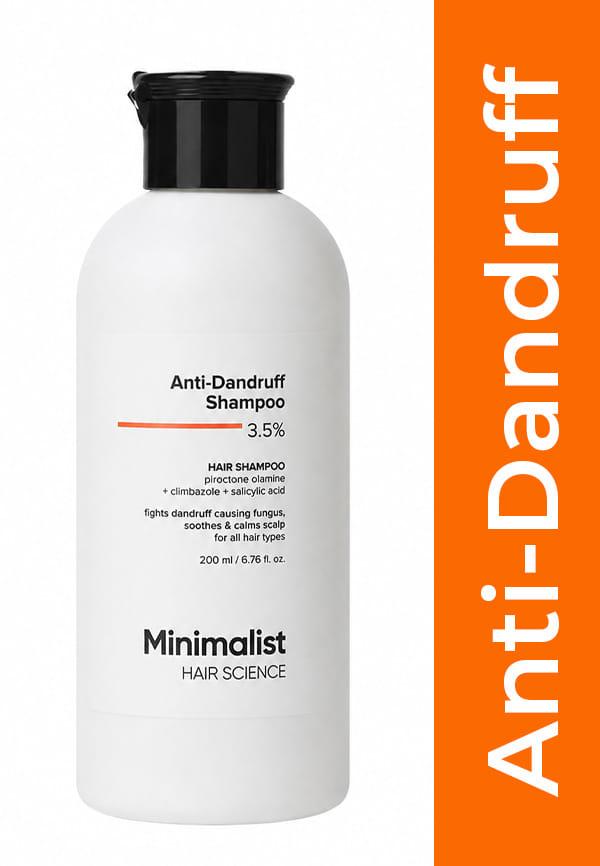
Anti-Dandruff Shampoo 3.5%
Useful and Works Well
5“very useful product works well”
Useful and Works Well
5“very useful product works well”
Useful and Works Well
5“very useful product works well”
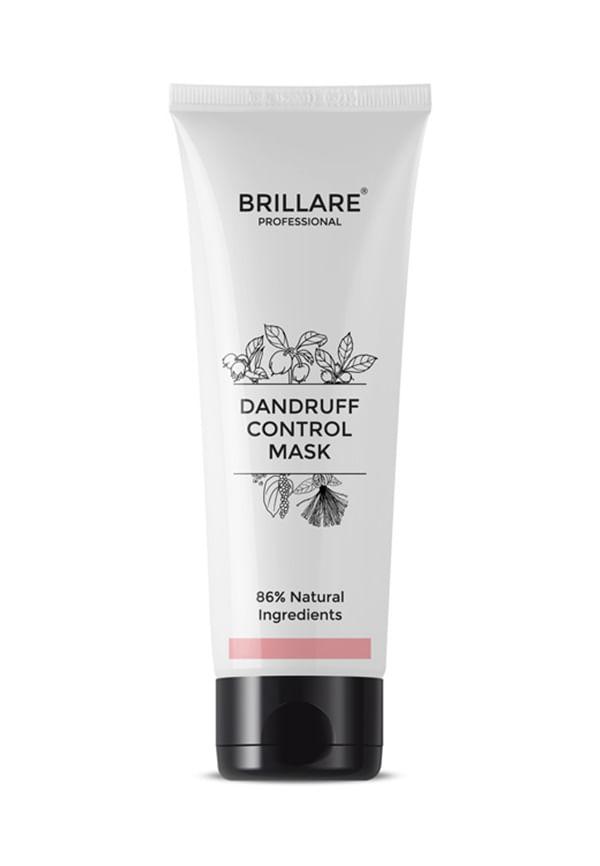
Dandruff Control Mask For Itchy, Flaky Scalp
Excellent Hair Mask
5“Good and effectve hair mask Been using for 2 years ”
Effective for Dandruff
5“go for it guys. it's worked very well. those who have dandruff don't think before buying.”
Seborrheic dermatitis is like dandruff's more intense cousin. It involves more inflammation and can affect areas beyond your scalp, including your face, chest, and back. The flakes are often thicker and more yellowish, and the condition tends to be more persistent than simple dandruff.
Flakes are just the tip of the iceberg when it comes to scalp conditions. Learning to read the full picture of symptoms can help you identify exactly what you're dealing with. Your scalp is constantly communicating with you through various signals—from the type of itch you experience to how your hair feels after washing. Becoming fluent in this "scalp language" is key to effective treatment.
Dandruff comes with its own signature symptoms: • Persistent itchy scalp that's worse when your hair is dirty • Oily flakes that may have a yellowish tint • Scalp that feels oily or greasy between washes • Symptoms that worsen with stress or hormonal changes The itch pattern with dandruff tends to be more consistent and often intensifies when you haven't washed your hair for a while.
Irritated scalp symptoms tell a different story: • Tight, uncomfortable feeling, especially after washing • Small, white, dry flakes that brush off easily • Scalp sensitivity to products or temperature changes • Seasonal variations, often worse in winter The tightness is often the most telling sign—it's like your scalp is literally crying out for moisture.
Some symptoms warrant immediate attention from a healthcare professional. These include thick, silvery scales (which might indicate psoriasis), red patches with defined borders, hair loss, or any signs of infection like pus or extreme tenderness.
Now for the good stuff—how to actually fix the problem. The key is matching your treatment to your specific condition, because what works for dandruff might make scalp irritation worse, and vice versa. With so many haircare products available, finding the right treatment can feel overwhelming. That's where platforms like Smytten come in handy—you can try mini versions of different treatments before committing to full-size products, making it easier to find what works for your specific scalp needs.
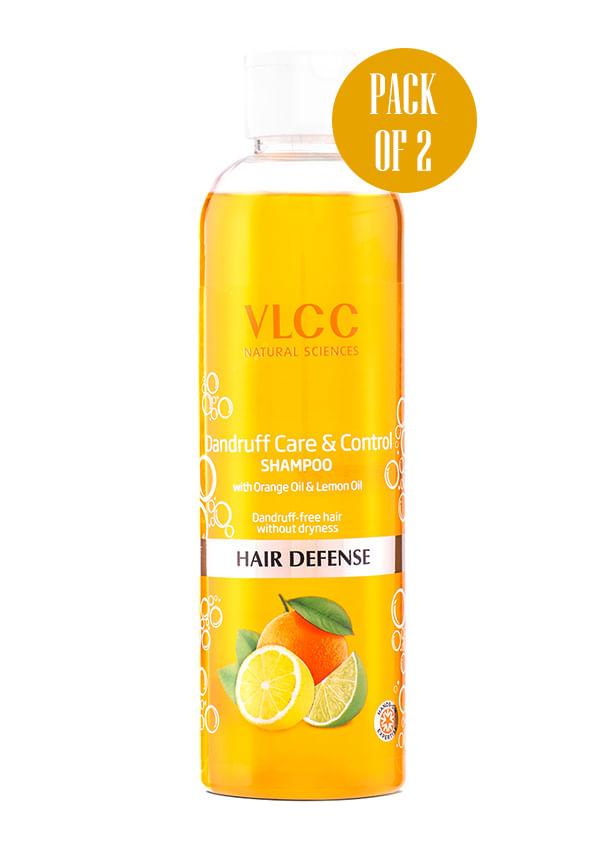
Dandruff Care & Control Shampoo - with Buy One Get One
Nice fragrance, not effective for dandruff
4“Nice fragrance but not much effective for dandruff.”
Excellent Value
5“Just wow! So good & value for money.”
Amazing Hair Product
4“I tried lots of product but it was amazing product for hair”
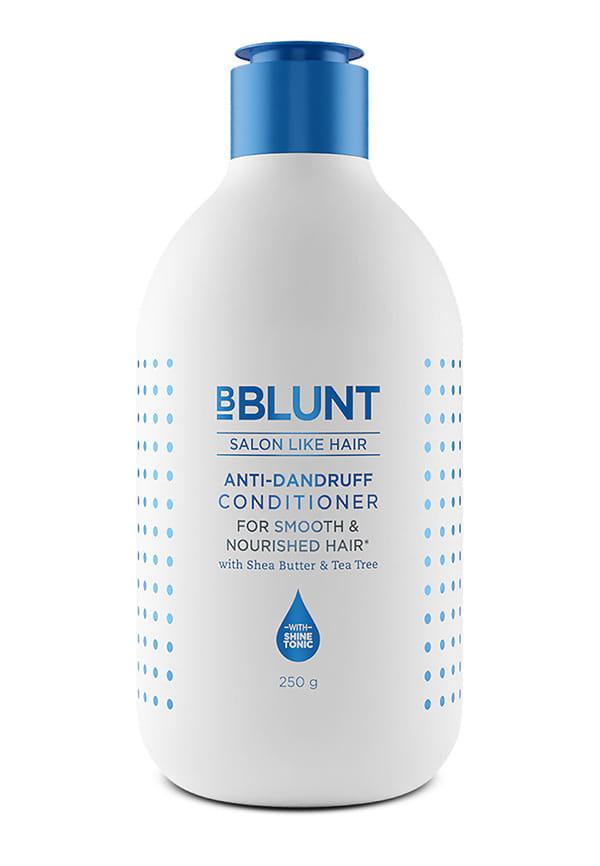
Anti-Dandruff Conditioner For Smooth & Nourished Hair
Good but not revolutionary conditioner
5“nice brand of conditioner but it does not work to me any different I didn't say that but I use it it's actually good but not to good”
Super Texture, Loved It
5“super texture.. I love it.. superb”
Makes hair smooth and manageable
4“nice names hair smooth manageable”
For dandruff, you need products that target the yeast overgrowth and control oil production: • Anti-fungal shampoos with zinc pyrithione, ketoconazole, or selenium sulfide • Washing frequency of 2-3 times per week (not daily) • Letting the shampoo sit on your scalp for 3-5 minutes before rinsing • Following up with a lightweight, non-comedogenic conditioner The goal is to control the yeast without over-drying your scalp, which can actually trigger more oil production.
Irritated scalp treatment focuses on gentle care and moisture restoration: • Sulfate-free, moisturising shampoos • Reducing washing frequency to 2-3 times per week • Using lukewarm (not hot) water • Incorporating scalp oils or treatments with ingredients like aloe vera or ceramides Avoid anything with alcohol, strong fragrances, or harsh chemicals that could further irritate your already sensitive scalp.
Some people deal with both conditions or have symptoms that don't fit neatly into one category. In these cases, you might need to alternate between different types of products or use a gentle approach that addresses both moisture and yeast control.
Prevention is always better than treatment, and maintaining long-term scalp health is about creating sustainable habits rather than quick fixes. Think of scalp care like skincare for your head—it requires consistent, gentle care and attention to what works for your specific needs. The goal is to create an environment where your scalp can maintain its natural balance.
Building a scalp-friendly routine starts with understanding your scalp type: • Choose products based on your specific condition, not just hair type • Incorporate gentle scalp massage to improve circulation • Use a wide-tooth comb to avoid unnecessary irritation • Protect your scalp from environmental stressors with hats or scarves
Your overall health directly impacts your scalp health. Stress can trigger both dandruff flare-ups and scalp sensitivity, whilst a diet rich in omega-3 fatty acids and vitamins can support healthy skin cell turnover. Seasonal adjustments are also crucial—you might need different products or routines in winter versus summer to account for humidity and temperature changes.
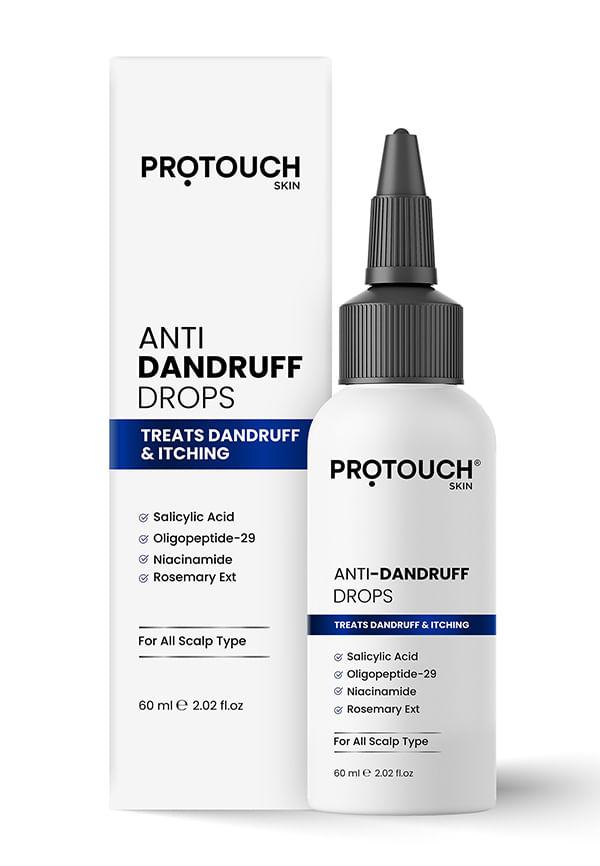
SKIN Anti Dandruff Drops Serum Soothes Itchy, Inflamed Scalp
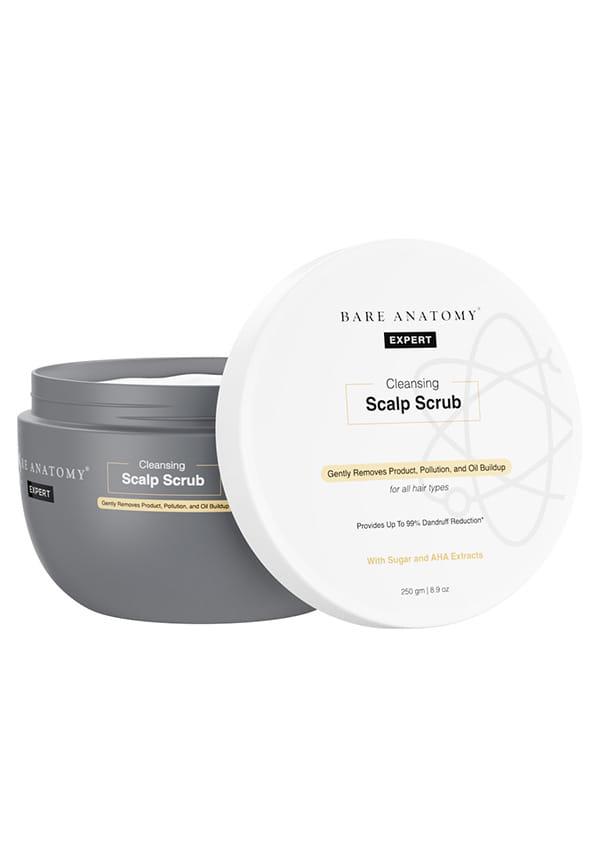
Scalp Scrub | Up To 99% Dandruff Reduction | Dandruff Remover
Makes scalp dry
5“not much good make scalp more dry”
Nice Product, Best Results
5“very nice product best results for using”
Effective Scalp Scrub for Weekly Routine
5“Works fine, good for a healthy and clean feel once a week routine. A good scalp scrub, give it a try”
If your symptoms persist despite consistent treatment, worsen over time, or are accompanied by hair loss or severe inflammation, it's time to consult a dermatologist. They can prescribe stronger treatments and rule out other conditions that might be masquerading as simple dandruff or irritation.
No, they're different conditions with different causes. Dandruff involves excess oil and yeast overgrowth, whilst scalp irritation typically stems from dryness and sensitivity. The flakes, symptoms, and treatments are distinct for each condition.
Look at the flakes and feel your scalp. Dandruff produces oily, yellowish flakes and your scalp feels greasy, whilst dry scalp creates small, white, dry flakes and your scalp feels tight or sensitive.
Yes, it's possible to have combination symptoms, especially if you're using the wrong products or have an underlying condition like seborrheic dermatitis. This is when professional diagnosis becomes particularly helpful.
Most people see improvement within 2-4 weeks of consistent treatment. However, it may take up to 6-8 weeks to see full results, and maintenance treatment is often necessary to prevent recurrence.
The basic treatments are the same, but hormonal differences might affect how each condition manifests. Women might experience fluctuations with their menstrual cycle, whilst men might deal with more persistent oily scalp issues.
Understanding the difference between dandruff vs irritation is your first step towards healthier scalp and hair. Remember, dandruff loves oil and needs anti-fungal treatment, whilst scalp irritation craves moisture and gentle care. The shake test, touch test, and symptom observation can help you identify which condition you're dealing with. When it comes to finding the right products for your specific scalp needs, Smytten makes the journey easier and more affordable. With trial packs from trusted haircare brands, you can test different treatments without the commitment of full-size purchases. After all, why settle for guessing when you can try different solutions and find what actually works for your scalp? Your hair deserves products that understand its unique needs, and with the right approach, that annoying scalp drama can become a thing of the past.
