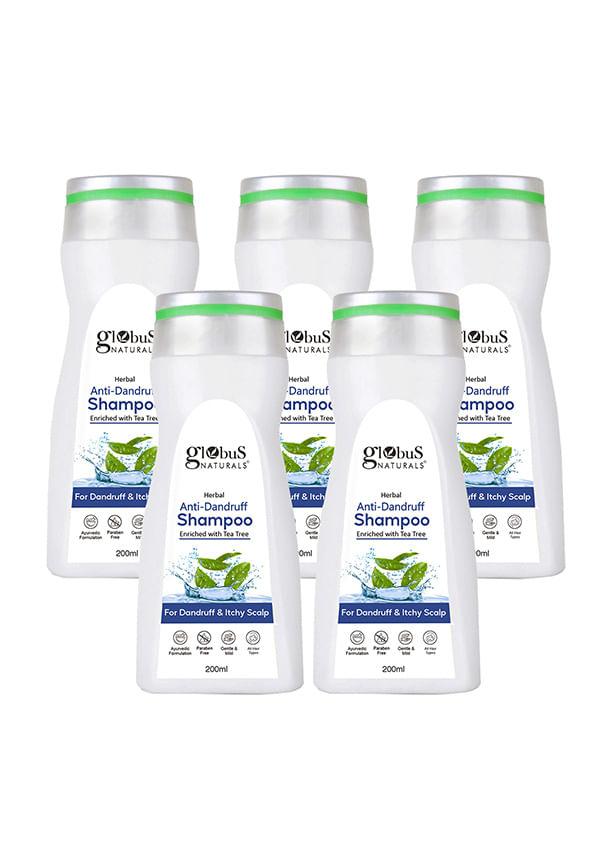
Anti Dandruff Shampoo, For Dandruff and Itchy Scalp
₹ 200283 % OFF
₹ 340
Reviews from genuine users
Good Value for Money
4
“I like the product and two product are 200 ml so is value for money and what it”
Siya Sharma20 Aug 2026
Cooling Anti-Dandruff Shampoo
5
“एंटी डैंड्रफ शैंपू शैंपू बहुत अच्छे हैं इससे गर्मियों में बहुत अच्छा लगता है ठंडा ठंडाफील होता है”
Nilanjana Chowdhury19 Apr 2026
Unexpectedly good quality
5
“I love it not expected this quality super”
Surya Singh19 Mar 2026
Those white flakes on your shoulders aren't just a fashion faux pas—they're your scalp's way of telling you something's up. Whether you've been dealing with dandruff for ages or it's suddenly appeared out of nowhere, understanding the common dandruff causes explained can be your first step towards a flake-free life. Real talk: dandruff affects nearly half the population at some point, so you're definitely not alone in this. The key is figuring out what's actually triggering your specific situation, because not all dandruff is created equal. From fungal overgrowth to stress-related flare-ups, there's usually a clear culprit behind those pesky flakes—and once you identify it, you're halfway to solving the problem.
Understanding Dandruff: What You're Really Dealing With
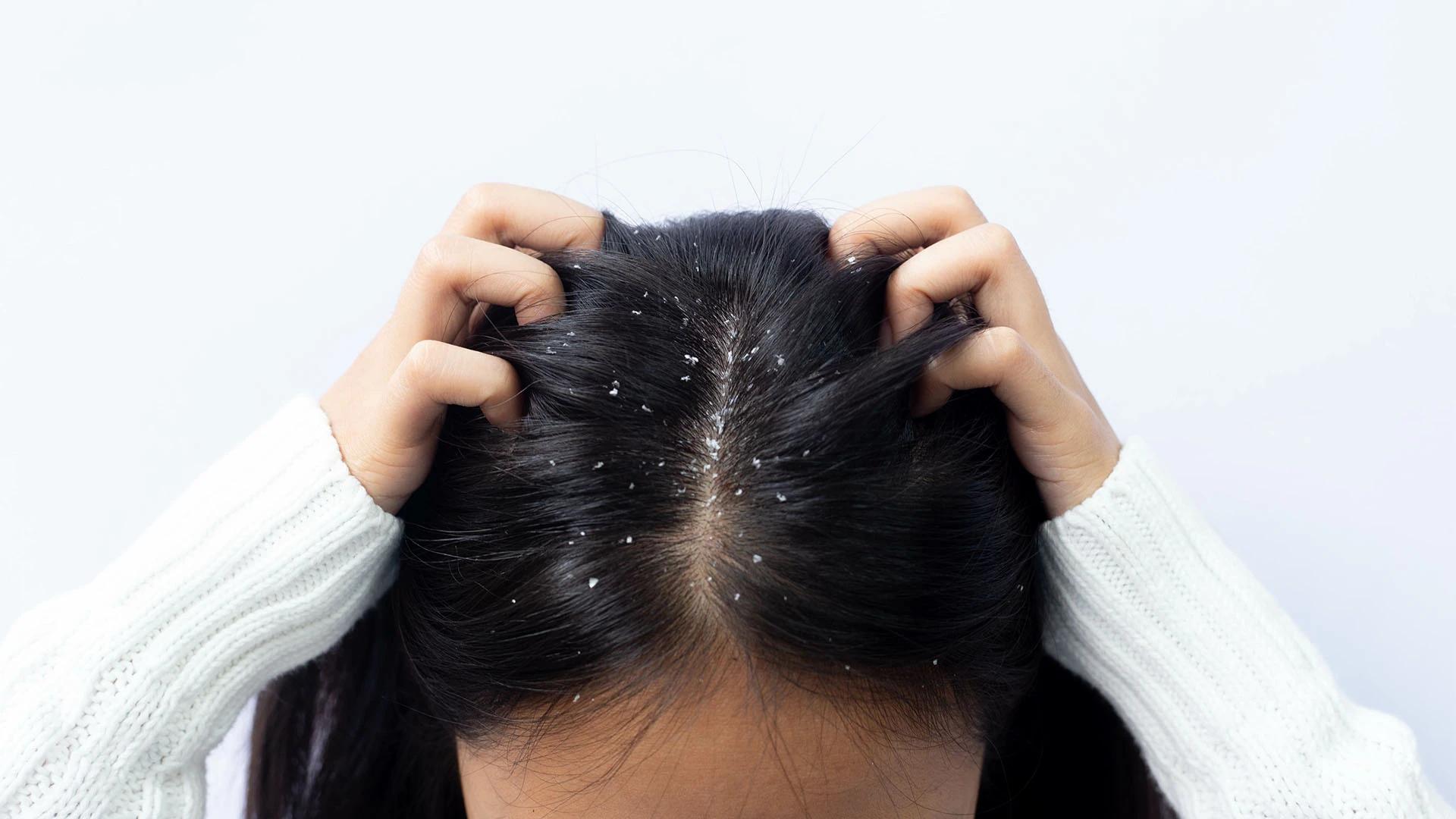
Let's clear something up first—dandruff isn't just "dirty hair" or poor hygiene. It's actually a legitimate scalp condition that happens when your skin cells shed faster than they should. Normal scalp shedding is invisible to the naked eye, but dandruff creates those visible white or yellowish flakes that love to make surprise appearances on your favourite black top.
The dry scalp vs dandruff debate is real, and knowing the difference matters for treatment. Dry scalp typically produces smaller, whiter flakes and feels tight or itchy, especially after washing. Dandruff flakes are usually larger, more oily, and can have a yellowish tint. Plus, dandruff often comes with that persistent itch that seems to get worse when you're stressed or tired.
When dandruff becomes a chronic scalp condition, it can seriously mess with your confidence. You might find yourself constantly checking mirrors, avoiding dark clothing, or feeling self-conscious in social situations. The good news? Most dandruff causes are totally manageable once you know what you're dealing with.
The Most Common Dandruff Causes Explained by Science
Here's where things get interesting—there are actually several different dandruff causes that can trigger those flakes. Understanding which one applies to you is crucial for finding the right treatment approach.
Malassezia Fungus Overgrowth
This tiny yeast naturally lives on everyone's scalp, but sometimes it gets a bit too comfortable and overstays its welcome. When Malassezia feeds on the oils in your scalp, it produces oleic acid, which can irritate your skin and speed up cell turnover. This is actually one of the most common
4.5|(300 ml)
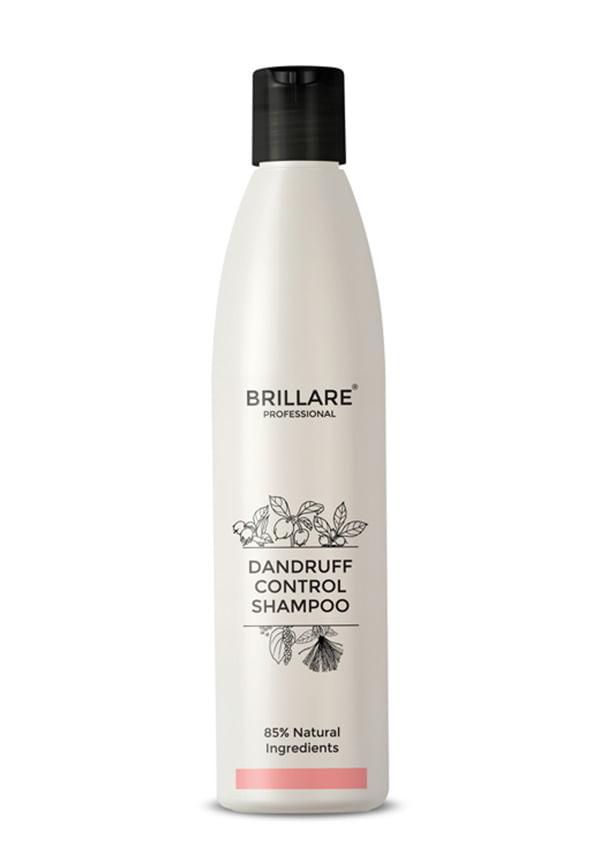
Brillare
Dandruff Control Shampoo For Itchy, Flaky Scalp
₹ 575
Reviews from genuine users
Nourishing & Dandruff-Fighting Shampoo
5
“This shampoo deeply nourishes the scalp and strengthens the hair from roots to tips. and removes all dandruff within 2..4 wash”
Sayali Phadnis24 Feb 2026
Love this product, order every time
5
“love this product i ordered it every time”
Mahvish Aslam22 Jan 2026
Quick Results, Gentle & Amazing Quality
5
“you will see results quickly rather than anything, very gentle small quantity enough , quality amazing”
Pranav Chatterjee21 Jan 2026
causes of dandruff, especially if your flakes are oily and yellowish.
Seborrheic Dermatitis
Seborrheic dermatitis is like dandruff's more intense cousin. It causes red, scaly patches that can extend beyond your scalp to your eyebrows, nose, and chest. The flakes are typically larger and greasier than regular dandruff, and the condition often runs in families. If your dandruff comes with significant redness or affects other areas of your face, this might be your culprit.
Product Sensitivity and Contact Dermatitis
Sometimes the very products meant to help your hair are actually causing the problem. Itchy scalp causes often trace back to harsh sulphates, fragrances, or preservatives in shampoos and styling products. Your scalp might be staging a protest against that new conditioner or the dry shampoo you've been overusing.
Stress and Internal Health Factors
Your mental health and scalp health are more connected than you might think. Stress hormones can disrupt your scalp's natural balance, making you more susceptible to fungal overgrowth and inflammation. Poor sleep, inadequate nutrition, and underlying health conditions can all manifest as flaky scalp causes.
Diagnostic Guide: Identifying Your Specific Dandruff Type
4.1|(200 ml)
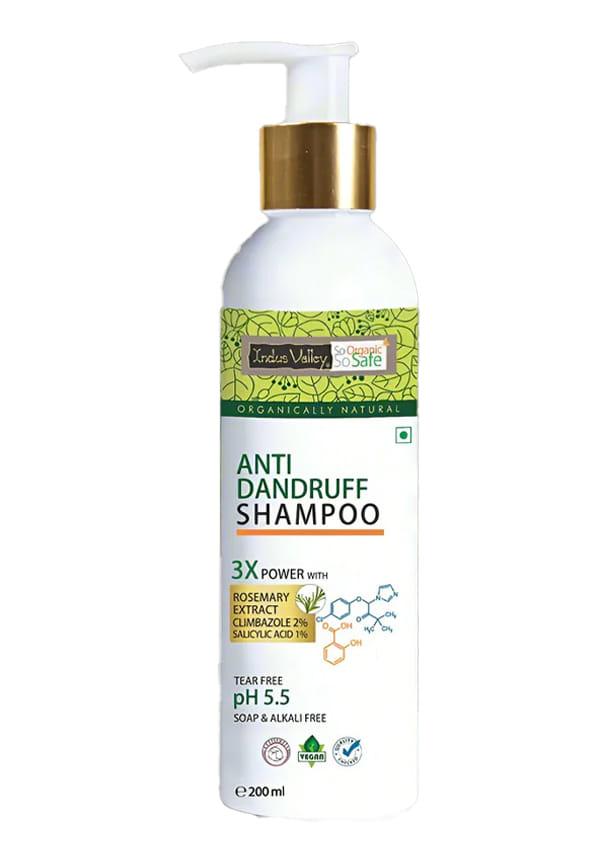
Indus Valley
Anti Dandruff Shampoo
₹ 35025 % OFF
₹ 263
Reviews from genuine users
Amazing Product for Dandruff
5
“I didn't expect it to be this good. It is really an amazing product for person with dandruff.”
Vijay Kumar30 Jul 2026
Amazing Product for Dandruff
5
“I didn't expect it to be this good. It is really an amazing product for person with dandruff.”
Vijay Kumar30 Jul 2026
Amazing Product for Dandruff
5
“I didn't expect it to be this good. It is really an amazing product for person with dandruff.”
Vijay Kumar30 Jul 2026
Now that you know the main players, let's figure out which one's causing your specific situation. Start by observing your flakes—are they small and white, or larger and yellowish? Does your scalp feel oily or dry? When did the problem start, and have you noticed any patterns?
Keep a scalp diary for a week or two. Note when flakes are worse, what products you're using, your stress levels, and any dietary changes. This detective work can reveal surprising connections between your lifestyle and your scalp conditions.
If your dandruff is severe, persistent, or comes with significant redness or hair loss, it's worth seeing a dermatologist. They can perform tests to rule out other conditions and recommend prescription treatments if needed.
Effective Treatment Strategies by Cause Type
Once you've identified your likely trigger, dandruff treatment becomes much more targeted and effective. For fungal overgrowth, look for shampoos containing ketoconazole, selenium sulphide, or zinc pyrithione. These ingredients specifically target the Malassezia yeast.
If product sensitivity is your issue, switch to gentler, fragrance-free formulas and introduce new products one at a time. Sometimes the simplest haircare tips make the biggest difference—like using lukewarm water instead of hot, or reducing how often you wash your hair.
For stress-related dandruff, addressing the root cause through better sleep, exercise, and stress management often helps more than topical treatments alone. Your scalp reflects your overall health, so taking care of yourself holistically can work wonders.
With Smytten's curated trial packs, you can test different anti-dandruff formulations without committing to full-size products. This approach lets you find what works for your specific scalp type without wasting money on products that might not suit you. The platform offers trial sizes from trusted brands, making it easier to discover your perfect dandruff-fighting routine.
Prevention Strategies: Stopping Dandruff Before It Starts
The best dandruff treatment is prevention, and how to prevent dandruff often comes down to maintaining a healthy scalp environment. This means finding the right washing frequency for your hair type—too much can strip natural oils, while too little can allow buildup.
Choose products that match your scalp's needs rather than just your hair type. If you have an oily scalp but dry ends, focus your shampoo on the roots and your conditioner on the lengths. Avoid harsh scrubbing, which can irritate your scalp and worsen inflammation.
Environmental factors matter too. Cold, dry air can trigger flakes, so consider using a humidifier in winter. Similarly, excessive heat styling can disrupt your scalp's natural balance, so give your hair regular heat-free days.
Frequently Asked Questions
4.0|(320 ml)
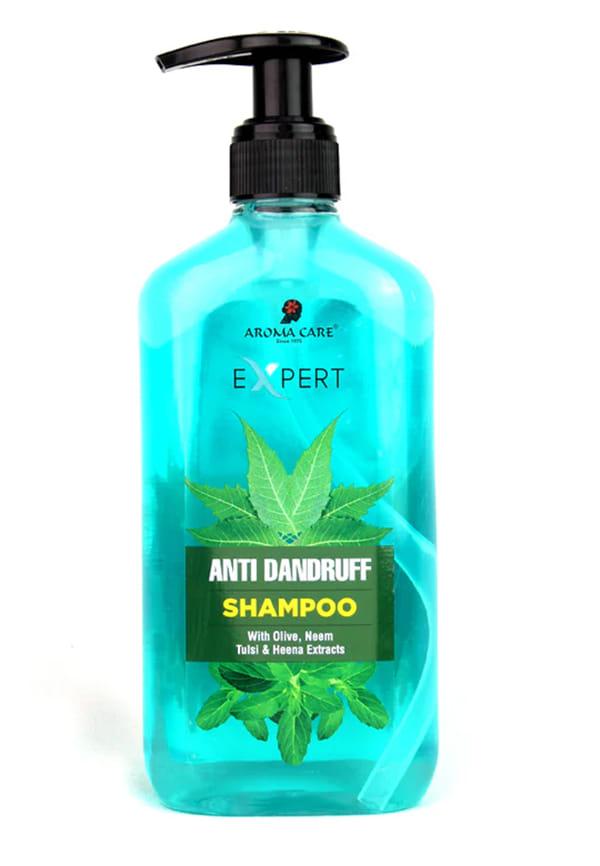
Aroma Care
Anti Dandruff Shampoo
₹ 16510 % OFF
₹ 149
Reviews from genuine users
Dandruff Reduced After One Wash
4
“yup my dandruff is going slowly after one wash I saw the result”
Sukhwinder Saggu10 Aug 2026
Dandruff Reduced After One Wash
4
“yup my dandruff is going slowly after one wash I saw the result”
Sukhwinder Saggu10 Aug 2026
Excellent Shampoo
5
“best shampoo best brand best price”
Manish Gupta11 Jul 2026
What is the main cause of dandruff?
The most common cause is an overgrowth of Malassezia yeast on the scalp, which feeds on natural oils and produces irritating compounds that speed up skin cell turnover.
How can I tell if my dandruff is fungal or just dry skin?
Fungal dandruff typically produces larger, oily, yellowish flakes and may worsen with stress or hormonal changes. Dry scalp creates smaller, white flakes and feels tight or itchy, especially after washing.
Why does my dandruff get worse in winter?
Cold, dry air and indoor heating can dehydrate your scalp, disrupting its natural barrier and making it more susceptible to irritation and flaking.
Can certain foods trigger dandruff outbreaks?
While diet doesn't directly cause dandruff, foods high in sugar or unhealthy fats might contribute to inflammation and hormonal imbalances that can worsen scalp conditions.
Is dandruff contagious?
No, dandruff isn't contagious. While the Malassezia yeast is present on everyone's scalp, whether it causes problems depends on individual factors like genetics, hormones, and immune response.
How long does it take to see improvement with treatment?
Most people notice some improvement within 2-4 weeks of consistent treatment, but it can take 6-8 weeks to see significant results, especially for stubborn cases.
Key Takeaways
Understanding the common dandruff causes explained in this guide puts you in control of your scalp health. Whether you're dealing with fungal overgrowth, product sensitivity, or stress-related flakes, there's usually a clear path to improvement once you identify the trigger.
Remember, finding the right treatment often involves some trial and error. What works for your friend might not work for you, and that's completely normal. The key is being patient and consistent with your approach while paying attention to how your scalp responds.
Smytten makes this journey easier by offering trial sizes from over 1,500 trusted brands, including specialised haircare products for various scalp conditions. With Trial Points, you can explore up to 8 minis for just ₹249, plus enjoy 100% cashback redeemable for future purchases. This approach lets you test different anti-dandruff solutions without the commitment, helping you make smarter, more confident choices for your scalp health. After all, why settle for maybe when you can try it all and find what actually works for you?

 4
4