How to Identify Causes of Hair Thinning in Women


Grooming Combfor Men and Women, Small (1279)
Let's be real—noticing your hair getting thinner can feel pretty overwhelming. Whether it's a wider parting, less volume in your ponytail, or just that nagging feeling that something's changed, causes of hair thinning women experience are more common than you might think. The good news? Understanding what's behind your hair thinning is the first step towards finding the right solution. From hormonal shifts to lifestyle factors, there are multiple reasons why female hair loss happens, and identifying your specific trigger can make all the difference in your treatment journey.
First things first—let's clear up what we're actually talking about. Hair thinning isn't the same as going completely bald overnight. It's more like a gradual process where your hair strands become finer, your scalp becomes more visible, or you notice less density overall. Think of it as your hair's way of sending you a message that something's up. Here's what might surprise you: around 40% of women experience some form of hair loss in women by age 40. That's nearly half of us! Your hair naturally goes through growth cycles—growing, resting, and shedding—but when this cycle gets disrupted, that's when thinning becomes noticeable. Early warning signs worth watching for include finding more hair on your pillow, in the shower drain, or on your brush. You might also notice your ponytail feeling thinner or needing to style your hair differently to cover certain areas. The key is catching these changes early, because the sooner you identify the cause, the better your chances of addressing it effectively.
Now let's dive into the main culprits behind female hair thinning. Understanding these hair thinning causes can help you piece together what might be happening with your own hair.
This is the most common cause of female hair loss, affecting about 30 million women. If your mum, grandmother, or aunts experienced hair thinning, there's a good chance genetics are playing a role in your situation too. Androgenetic alopecia women experience typically shows up as a widening part or thinning at the crown, rather than a receding hairline like men often get. The science bit: your hair follicles are sensitive to DHT (dihydrotestosterone), a hormone that can shrink follicles over time. This makes hair strands progressively thinner and shorter until they eventually stop growing altogether.
Hormonal hair loss is like that friend who shows up uninvited—you never see it coming. Your hormones are constantly fluctuating, and your hair is surprisingly sensitive to these changes. Postpartum hair loss is probably the most dramatic example. After giving birth, oestrogen levels drop significantly, causing hair that was in its 'resting' phase during pregnancy to suddenly shed all at once. Don't panic though—this usually resolves itself within 6-12 months. Menopause brings its own set of challenges. As oestrogen and progesterone levels decline, hair growth slows down and existing hair becomes thinner. PCOS (polycystic ovary syndrome) can also trigger hair thinning due to elevated androgen levels. Thyroid disorders are another sneaky cause. Both an overactive and underactive thyroid can disrupt your hair growth cycle, leading to diffuse thinning across your entire scalp.
Your hair is basically a reflection of your overall health, and when you're lacking certain nutrients, it shows. Iron deficiency is the biggest culprit—your hair follicles need iron to produce healthy hair, and without enough, growth slows down significantly. Vitamin D, B12, and biotin deficiencies can also contribute to thinning. If you've been on a restrictive diet or have absorption issues, your hair might be the first place you notice the effects.
Stress is honestly one of the most underestimated reasons for hair thinning. Whether it's physical stress (like surgery or illness) or emotional stress (work pressure, relationship issues), your body responds by pushing hair follicles into their resting phase prematurely. The tricky thing about stress-related hair loss is the timing—you usually won't notice it until 3-6 months after the stressful event. This delayed reaction makes it harder to connect the dots between what happened and why your hair is thinning now.
Sometimes female hair loss is a symptom of an underlying medical condition that needs attention. Recognising these connections can be crucial for your overall health, not just your hair.

Evior 6 Body Razor Trial Kit For Sensitive Skin
Autoimmune conditions can cause your immune system to attack your hair follicles. Alopecia areata creates circular bald patches, while conditions like lupus can cause more diffuse thinning. If you're experiencing other symptoms like joint pain, fatigue, or skin changes alongside hair loss, it's worth discussing with your doctor.
Certain medications can interfere with your hair growth cycle. Blood thinners, some antidepressants, beta-blockers, and even certain birth control pills can contribute to thinning. If you've recently started a new medication and noticed changes in your hair, don't stop taking it without consulting your doctor—they might be able to suggest alternatives.
Sometimes the issue isn't systemic but localised to your scalp. Seborrheic dermatitis, fungal infections, or chronic inflammation can damage hair follicles and lead to thinning in affected areas.
Your daily habits and environment play a bigger role in hair health than you might realise. Many hair thinning causes are actually within your control to change.
Tight hairstyles might look great, but they can literally pull your hair out over time. Constant tension from tight ponytails, braids, or hair extensions can damage follicles permanently. Heat styling tools and chemical treatments can also weaken hair strands, making them more prone to breakage.
Crash dieting, smoking, excessive alcohol consumption, and poor sleep can all contribute to hair thinning. Your hair follicles need a steady supply of nutrients and oxygen to function properly, and these lifestyle factors can disrupt that supply.
Playing detective with your own hair loss can feel overwhelming, but breaking it down into manageable steps makes it much easier to identify what's going on.
Start by looking at your family history. Do other women in your family have similar hair patterns? Next, think about recent changes in your life—new medications, major stress events, dietary changes, or hormonal shifts like pregnancy or menopause. Keep a hair diary for a few weeks. Note when you notice more shedding, what products you're using, and any other symptoms you're experiencing. This information will be invaluable when you speak to a healthcare professional.
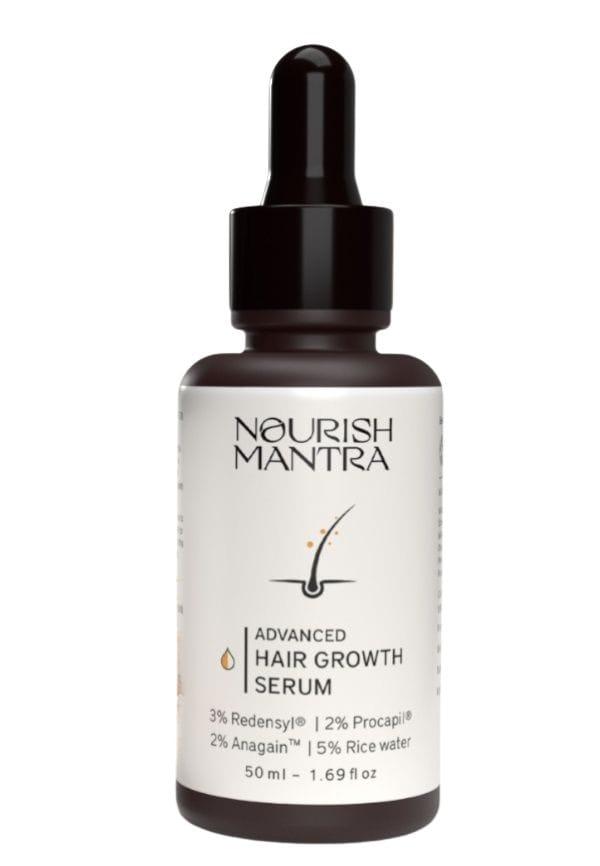
Advanced Hair Growth Serum for Hair Regrowth and Prevention of Hair Thinning - 50 ml
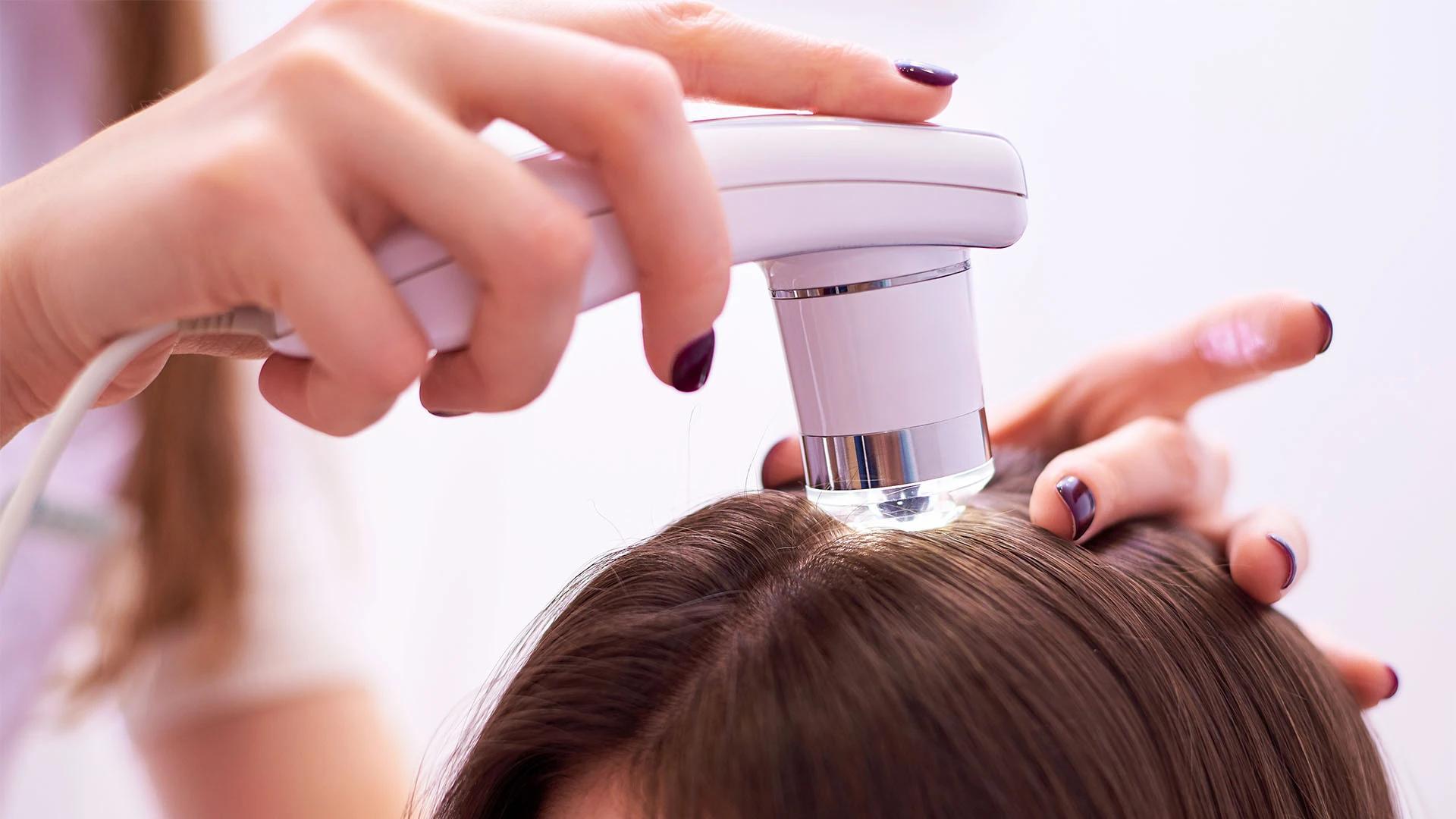
A dermatologist or trichologist can perform specific tests to pinpoint the cause of your hair thinning. Blood tests can reveal hormonal imbalances, nutritional deficiencies, or underlying health conditions. They might also examine your scalp under magnification or perform a gentle pull test to assess the health of your hair follicles.
Take photos of your scalp from different angles in good lighting. This might feel a bit awkward, but having a visual record helps track changes over time. Pay attention to whether the thinning is diffuse (all over) or localised to specific areas, as this can provide clues about the underlying cause.
Once you've identified what's causing your hair thinning, you can explore appropriate hair thinning treatment options. The good news is that many causes of hair thinning are treatable, especially when caught early.
For androgenetic alopecia, minoxidil is often the first line of treatment. It helps stimulate hair growth and can slow down further thinning. Hormone therapy might be recommended for menopausal hair loss, while nutritional supplements can address deficiency-related thinning. Prescription medications like spironolactone can help women with hormonal hair loss by blocking DHT. Your doctor might also recommend treating underlying conditions like thyroid disorders or PCOS.
Stress management techniques like meditation, yoga, or regular exercise can help if stress is contributing to your hair loss. Improving your diet to include more iron-rich foods, protein, and essential vitamins supports overall hair health. Gentle haircare for thinning hair is crucial. Use sulphate-free shampoos, avoid excessive heat styling, and be gentle when brushing or styling. Scalp massage can improve circulation and potentially stimulate hair growth.
For more severe cases, treatments like platelet-rich plasma (PRP) therapy or low-level laser therapy might be worth considering. These treatments aim to stimulate hair follicles and improve hair density.
Prevention is always better than cure, and there are plenty of thinning hair solutions you can implement to protect your hair health long-term.
Develop a gentle routine that nourishes rather than damages your hair. This means using the right products for your hair type, avoiding harsh chemicals, and protecting your hair from environmental damage. When exploring new haircare for thinning hair products, platforms like Smytten make it easier to try different formulations without committing to full-size products. With trial packs from trusted brands, you can discover what works for your specific hair needs without the risk of wasting money on products that don't suit you.
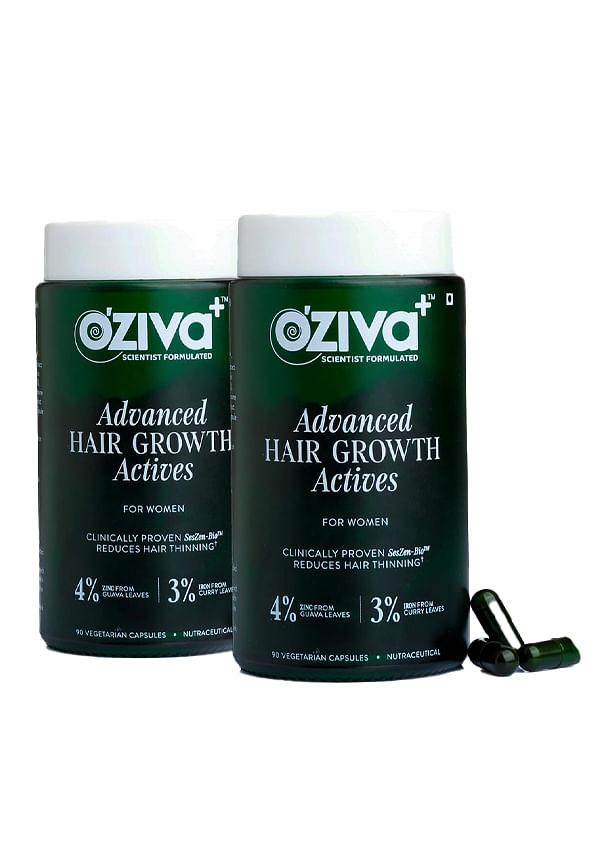
Advanced Hair Growth Actives | Anti-Thinning Hair Formula for Women
Good Product
 5
5“good product”
Good product, I like it
5“good product i like it it feels when I use it”
Nice Product
4“nice product.....thank you smytten”
Eat a balanced diet rich in protein, iron, vitamins, and healthy fats. Consider supplements if you have specific deficiencies, but always consult with a healthcare provider first.
Develop healthy coping mechanisms for stress. Regular exercise, adequate sleep, and mindfulness practices can all help maintain hormonal balance and support healthy hair growth.
DHT (dihydrotestosterone) is the primary hormone responsible for androgenetic alopecia in women. However, fluctuations in oestrogen, progesterone, and thyroid hormones can also contribute to hair thinning.
Iron deficiency is the most common nutritional cause of hair loss in women. Vitamin D, B12, and biotin deficiencies can also contribute to thinning hair.
It depends on the underlying cause. Hair loss due to stress, nutritional deficiencies, or hormonal changes is often reversible with appropriate treatment. However, genetic hair loss typically requires ongoing management rather than complete reversal.
While androgenetic alopecia can begin as early as the teens or twenties, most women notice changes in their thirties or forties. Hormonal changes during menopause often accelerate the process.
Most treatments require 3-6 months of consistent use before you notice significant improvement. Hair growth is a slow process, so patience is key.
Identifying the causes of hair thinning women experience is the first step towards finding effective solutions. Whether it's genetics, hormones, stress, or lifestyle factors, understanding what's behind your hair changes empowers you to take appropriate action. Remember, you're not alone in this journey. With over 25 million users discovering new products through platforms like Smytten, finding the right haircare for thinning hair has never been more accessible. The platform's trial packs let you explore different treatments and products from trusted brands without the commitment of full-size purchases, making it easier to find what works for your specific needs. The key is to be patient with yourself and the process. Hair regrowth takes time, and what works for one person might not work for another. By working with healthcare professionals, maintaining a healthy lifestyle, and using appropriate treatments consistently, many women see significant improvement in their hair health. After all, why settle for 'maybe' when you can explore all your options and find what truly works for you?
