How to Identify and Treat Causes of Dry Hair


Dealing with dry, brittle hair can feel like a never-ending battle. You know the drill—hair that looks dull, feels rough, and refuses to cooperate no matter what you try. If you're constantly battling frizz, split ends, and that straw-like texture, you're definitely not alone. Understanding the causes of dry hair is your first step towards getting back that healthy, bouncy hair you've been missing. Let's dive into what's actually happening to your hair and how you can turn things around with the right approach.
Before jumping into solutions, it's crucial to understand what's making your hair so parched in the first place. The causes of dry hair are more varied than you might think, and identifying your specific triggers will help you choose the most effective treatment.
Your environment plays a massive role in hair dryness causes. UV radiation from the sun doesn't just damage your skin—it breaks down the proteins in your hair shaft, leaving it weak and moisture-depleted. Wind and dry air literally suck the moisture right out of your strands, whilst pollution creates a film that prevents your hair from absorbing the hydration it needs.
Hard water is another sneaky culprit. Those minerals build up on your hair shaft, creating a barrier that blocks moisture and makes your hair feel rough and tangled. If you've ever noticed your hair feels different after moving to a new city, water quality might be the reason.
Sometimes the biggest enemy is hiding in your own routine. Over-washing strips away your hair's natural oils faster than your scalp can replace them. Using harsh, sulfate-laden shampoos is like washing your hair with detergent—it gets things clean but leaves everything bone dry.
Skipping conditioner or using the wrong type for your hair can leave your cuticles raised and vulnerable. Even something as simple as roughly towel-drying can cause friction damage that leads to brittle hair and moisture loss.
Heat styling tools are probably the most obvious hair dryness causes, but the damage goes deeper than you might realise. High temperatures literally evaporate the water content in your hair shaft. Chemical treatments like colouring, bleaching, and perming break down the hair's protective cuticle layer, making it nearly impossible to retain hair moisture.
Without proper heat protection, you're essentially cooking your hair every time you style it. The result? Damaged hair that's lost its ability to hold onto hydration.
Not all hair problems look the same, and knowing exactly what you're dealing with helps you choose the right dry hair remedies. Let's break down the telltale signs.
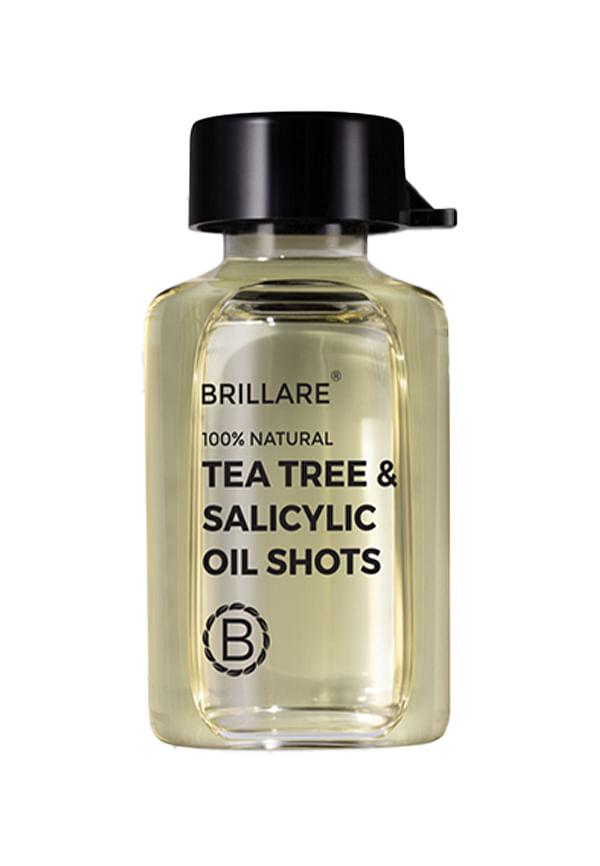
Tea Tree & Salicylic Oil Shots For Dry, Itchy Scalp to Fights Dandruff
Excellent Product Quality
 5
5“nice product awesome quality 👍🏻😁”
Effective Brand
4“love this brand it's effective”
Amazing Product, Will Buy Full Size
5“amazing product going to buy full size”
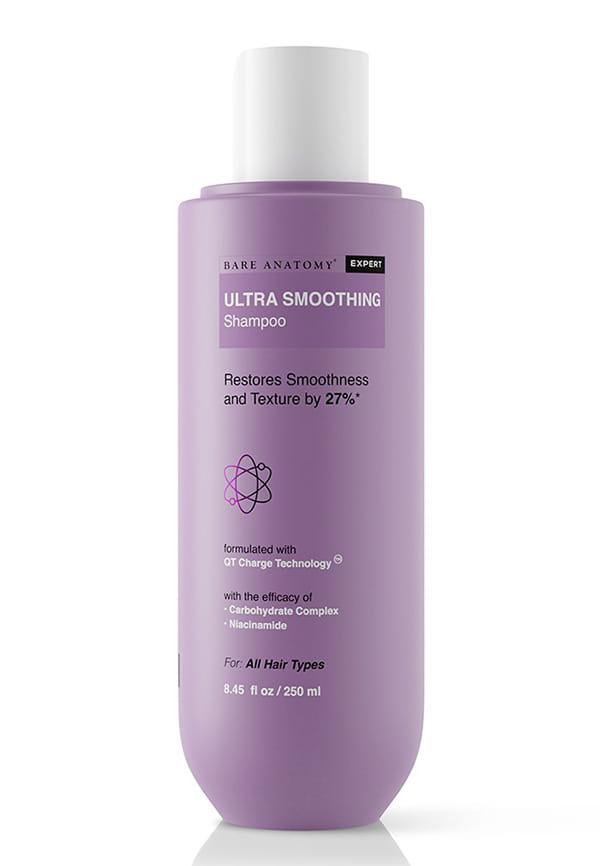
Expert Ultra Smoothing Shampoo To Restore Smoothness
Nice shampoo, use with mask
4“n8ce shampoo but use it with mask”
Excellent Product
5“Best product ever used. Thanksss”
Positive Brand Impression
5“I just love the brand it's cool”
Dry hair has a distinct look and feel that's hard to miss. It appears dull and lacks that healthy shine, almost like it's covered in a fine layer of dust. When you touch it, brittle hair feels rough and coarse, quite different from smooth, healthy strands.
Split ends are another dead giveaway—those frayed, fork-like tips that seem to multiply no matter how often you trim them. Frizz that appears even in humid weather and hair that tangles easily are also classic signs of moisture-starved strands.
Here's where it gets interesting—dehydrated hair and dry hair aren't exactly the same thing. Dry hair lacks natural oils (sebum), whilst dehydrated hair lacks water. Think of it like your skin: you can have oily skin that's still dehydrated.
A simple test: if your hair feels greasy at the roots but dry at the ends, you're likely dealing with dehydration rather than true dryness. This distinction matters because the treatments are slightly different.
Sometimes the problem isn't what you're doing to your hair—it's what's happening inside your body. Nutritional deficiencies and health conditions can significantly impact your hair's ability to stay moisturised.
Zinc deficiency is a major player in hair dryness causes. Your oil glands need zinc to function properly, and without it, they can't produce enough sebum to keep your hair naturally moisturised. Essential fatty acids, particularly omega-3s, are like internal conditioner for your hair.
Vitamins A, C, and E all contribute to hair moisture in different ways. Vitamin A helps produce sebum, vitamin C aids in collagen production for strong hair structure, and vitamin E protects against oxidative damage. Protein deficiency can also lead to weak, brittle hair that breaks easily.
Hypothyroidism is notorious for causing dry, thinning hair. When your thyroid isn't working properly, everything slows down—including oil production in your scalp. Hormonal changes during pregnancy, menopause, or even your monthly cycle can temporarily affect hair moisture levels.
Certain medications, particularly those for acne, depression, or blood pressure, can have dry scalp and hair as side effects. Age is another factor—as we get older, our sebaceous glands naturally produce less oil.
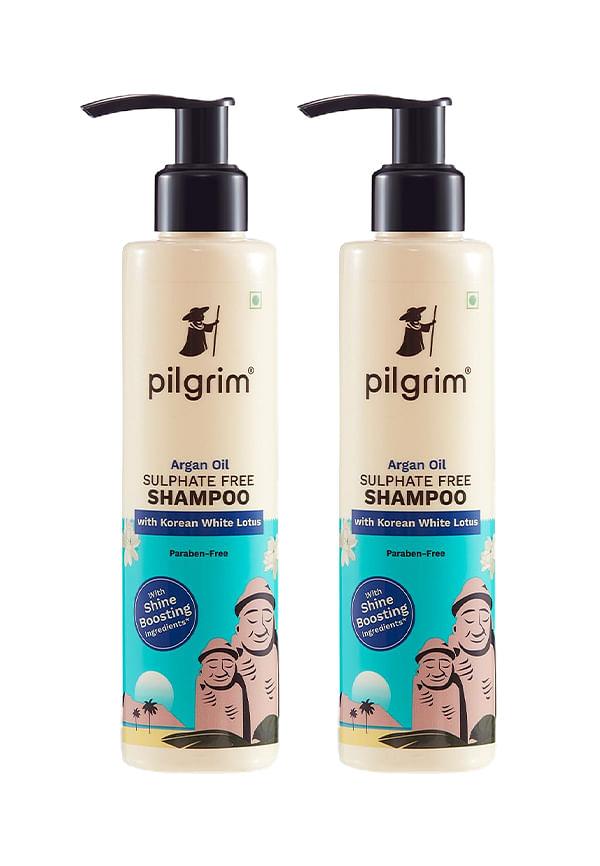
Mild Sulphate Free Shampoo (Argan Oil) | For Dry Frizzy Hair
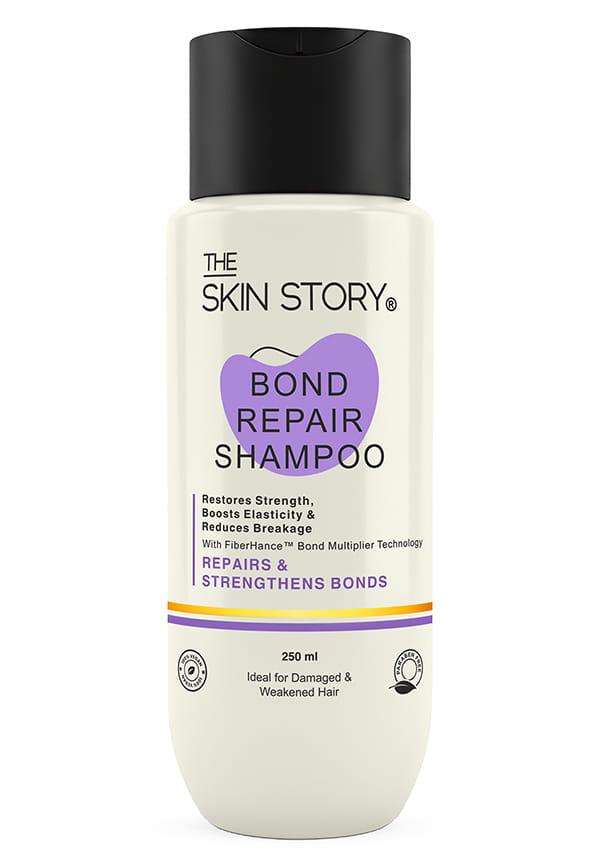
Professional Bond Repair Shampoo For Damaged Hair
Loved This Shampoo, Highly Recommend
5“i loved this shampoo it really really works this shampoo is such a love i recommend this shampoo to everyone I know”
Now for the good stuff—actually fixing the problem. The key to successful dry hair remedies is consistency and patience. Your hair didn't become dry overnight, and it won't be fixed overnight either.
Deep conditioning masks are your first line of defence against dehydrated hair. Look for masks with ingredients like hyaluronic acid, glycerin, or ceramides—these are moisture magnets that help your hair hold onto hydration. Use them weekly, or twice weekly if your hair is severely damaged.
Natural oils can work wonders for hair moisture. Argan oil is lightweight and absorbs quickly, making it perfect for fine hair. Coconut oil penetrates the hair shaft better than most oils, whilst jojoba oil closely mimics your scalp's natural sebum. Apply these to damp hair for better absorption.
Leave-in treatments and serums create a protective barrier that locks in moisture throughout the day. They're particularly helpful if you live in a dry climate or work in air-conditioned environments.
Sometimes you need to call in the professionals. Salon deep conditioning treatments use steam and professional-grade products that penetrate deeper than anything you can do at home. Keratin treatments can help smooth the cuticle and reduce moisture loss, though they're not suitable for everyone.
Hair glossing treatments seal the cuticle and add a protective layer that helps retain hair hydration. If your hair is severely damaged, a professional consultation can help determine whether it's worth trying to repair or if a fresh start with a cut might be better.
Prevention is always better than cure, and with the right daily routine, you can keep your hair healthy and hydrated. These hair care tips focus on gentle, moisture-preserving practices.
Less is definitely more when it comes to washing dry hair. Aim for 2-3 times per week maximum, and always use lukewarm water—hot water strips away natural oils and opens the cuticle, leading to more moisture loss. Sulfate-free shampoos are gentler and won't over-cleanse your already dry strands.
When conditioning, focus on the mid-lengths and ends where dryness is usually worst. Leave the conditioner on for at least 3-5 minutes to give it time to penetrate. Consider using a wide-tooth comb to distribute the product evenly whilst it's in your hair.
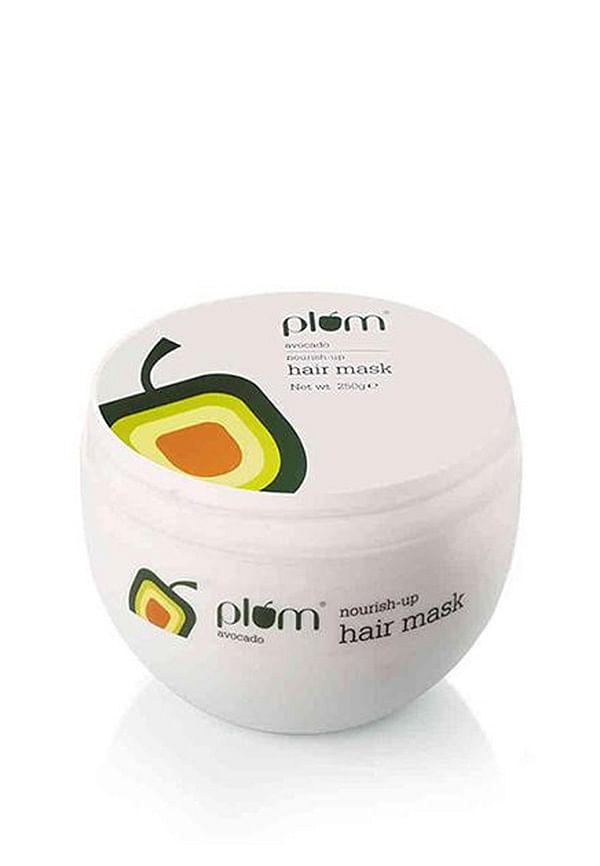
Avocado Nourish-Up Hair Mask
Perfect Hair Mask
5“This hair mask is perfect for hair ”
Perfect Hair Mask
5“This hair mask is perfect for hair ”
Perfect Hair Mask
5“This hair mask is perfect for hair ”
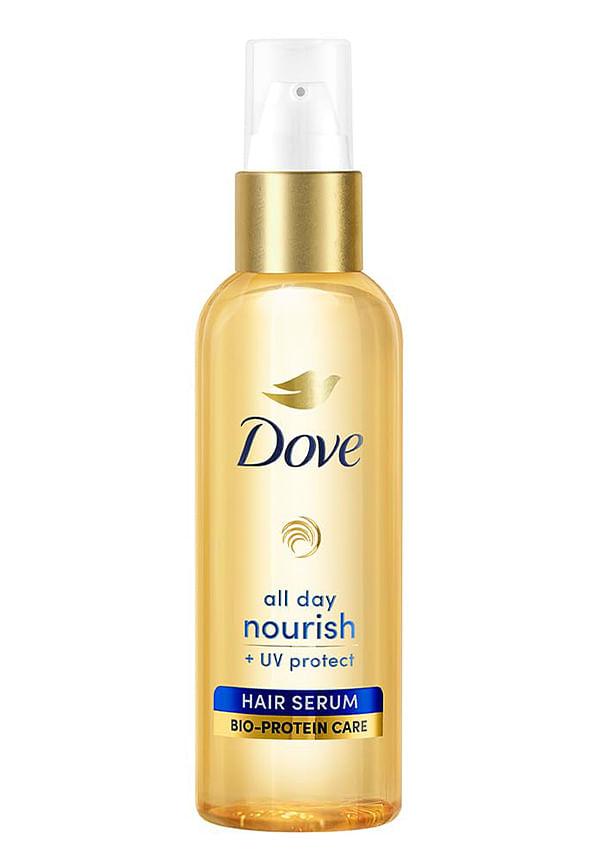
Dove All Day Nourish + UV Protect Hair Serum
Best Product Ever
5“best product I have ever useddd”
Really Nice, Highly Recommend
5“It's really nice. highly recommend”
Good Product
5“products is good i like it so much”
If you must use heat tools, never skip the heat protectant. These products create a barrier between your hair and the high temperatures, significantly reducing moisture loss. Keep your tools on the lowest effective setting—you might need to go slower, but your hair will thank you.
Air-drying is your hair's best friend. If you're short on time, try the 'plopping' method with a microfibre towel or cotton t-shirt to gently remove excess water without causing friction damage.
Real change often comes from within. What you eat and how you live can dramatically impact your hair's health and moisture levels over time.
Omega-3 fatty acids from fish, walnuts, and flaxseeds act like internal moisturisers for your hair. Staying properly hydrated is crucial—aim for at least 8 glasses of water daily. Your hair is essentially made of protein, so ensure you're getting enough from sources like eggs, lean meats, or plant-based alternatives.
Consider supplements if your diet is lacking. Biotin, vitamin D, and omega-3 supplements can support overall hair health, though it's always best to consult with a healthcare provider first.
UV protection isn't just for your skin. Hair sunscreens or UV-protective styling products can prevent sun damage that leads to dryness. In dry climates, consider using a humidifier in your bedroom to add moisture to the air.
If you have hard water, a shower filter can make a noticeable difference in how your hair feels. Protective styles like loose braids or silk scarves can shield your hair from environmental damage whilst you sleep.
Finding the right products for your specific hair needs doesn't have to break the bank. Smytten offers curated trial packs from over 1,500 trusted haircare brands, letting you test different dry hair remedies before committing to full-size purchases. With options from brands like Love, Beauty & Planet and other trusted names, you can discover what works for your unique hair type without the guesswork.
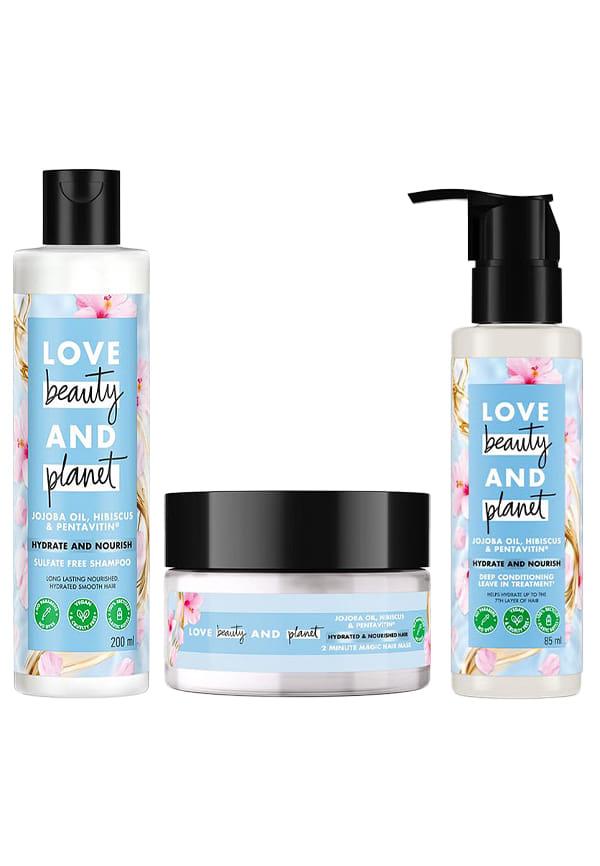
Jojoba Oil, Hibiscus & Pentavitin Hydrate & Nourish Hair Kit
Amazing Smell, Lightweight
4“I tried the leave in serum the smell is amazing nd texture is so light weight”
Great Combo Offer
5“Its a great combo offer. Just go for it.”
Hydrating and good smell
5“Very hydrating, loved it, smells good”
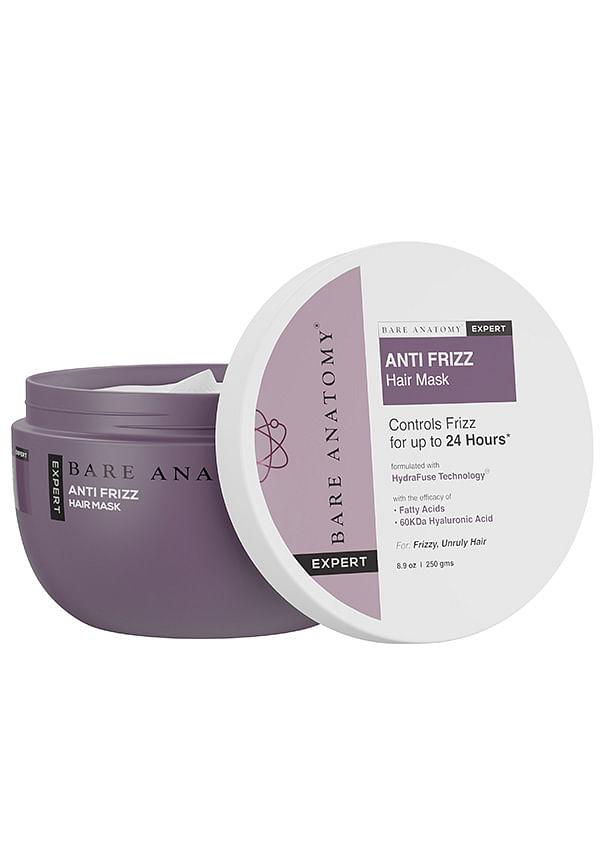
Anti-Frizz Hair Mask For Smooth Hair With Hyaluronic Acid
Best for Frizzy Hair
5“this is the best product to control firizzy hair”
Hydrating Hair Mask for Winters
5“really hydrating hair mask for the winters”
Effective frizz control, environmentally sensitive
5“It made my hair smooth and freeze free in just one wash ,though the freeze remains depending on the environment.”
Sudden changes in hair texture often point to environmental factors, hormonal shifts, or changes in your routine. New medications, seasonal weather changes, moving to a different climate, or even stress can trigger sudden dryness. Consider what's changed in your life recently and adjust your hair care tips accordingly.
Natural dry hair remedies include reducing wash frequency, using natural oils like coconut or argan oil, avoiding heat styling, and eating a diet rich in omega-3 fatty acids. Deep conditioning with natural ingredients like avocado or honey can also help restore hair moisture without harsh chemicals.
Hormonal fluctuations are often the primary culprit, especially during menstruation, pregnancy, or menopause. Heat styling, chemical treatments, and over-washing are also common hair dryness causes that disproportionately affect women due to styling habits and longer hair lengths.
With consistent care, you should see improvement in 4-6 weeks. However, severely damaged hair may take 2-3 months to fully recover. Remember, hair grows slowly, so patience is key when implementing new hair hydration routines.
Whilst brittle hair and split ends can't be reversed, you can prevent further damage and improve the overall health of new growth. Severely damaged sections may need to be trimmed, but with proper care, new hair can grow in healthy and strong.
Dry scalp involves flaking, itching, and irritation at the roots, whilst dry hair affects the hair shaft itself. You can have one without the other, and treatments differ—scalp treatments focus on the skin, whilst hair treatments target the strands.
Tackling the causes of dry hair requires a multi-pronged approach that addresses both external damage and internal health. Whether you're dealing with environmental damage, heat styling consequences, or nutritional deficiencies, the key is identifying your specific triggers and treating them consistently.
Remember, healthy hair is a marathon, not a sprint. Start with one or two changes—perhaps switching to a sulfate-free shampoo and adding a weekly deep conditioning mask—then gradually build your routine. Track what works and what doesn't, and don't be afraid to experiment with different products until you find your perfect match. With patience and the right approach, you can absolutely restore your hair's natural moisture and get back to having hair that looks and feels amazing.
