How to Identify and Repair Hair Cuticle Damage


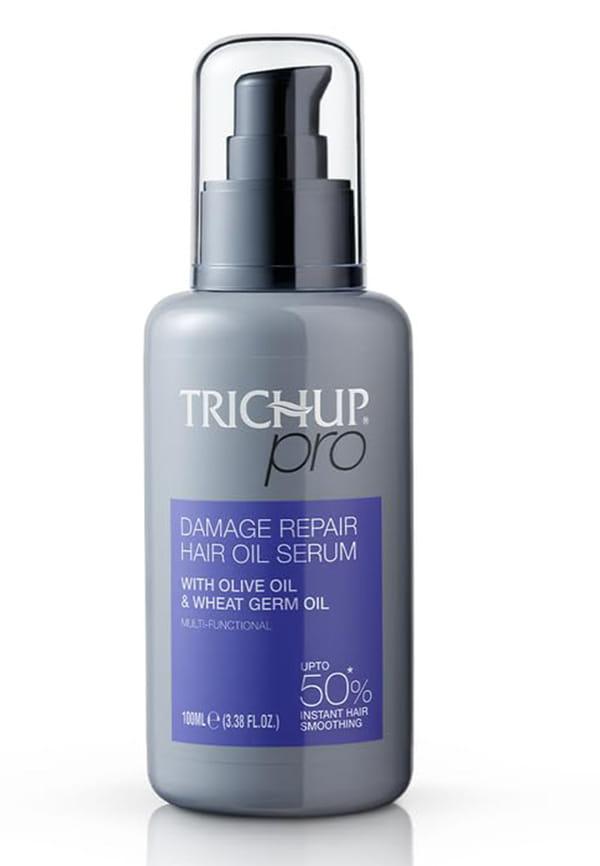
Trichup Pro Damage Repair Hair Oil Serum for Dry & Frizzy Hair Control Breakage
Your hair's been acting up lately, hasn't it? That once-smooth mane now feels rough, looks dull, and seems to tangle at the slightest breeze. If you're nodding along, you're likely dealing with hair cuticle damage—one of the most common yet misunderstood haircare issues. Understanding hair cuticle damage is your first step towards getting your locks back to their former glory. Think of your hair cuticle as tiny protective scales that shield your hair shaft from the world. When these scales get damaged, your hair health takes a serious hit, leading to everything from frizzy hair to stubborn split ends.
Let's get real about what's actually happening on your head. Your hair shaft consists of three layers, and the outermost one—the cuticle—is basically your hair's bodyguard. Picture it like overlapping roof tiles that lie flat when healthy, creating a smooth, shiny surface that reflects light beautifully.
When understanding hair cuticle damage becomes crucial is when these protective scales start lifting, cracking, or completely breaking off. This exposes the inner cortex of your hair shaft, making it vulnerable to moisture loss, protein depletion, and further damage. Your hair health depends entirely on this outer layer doing its job properly.
Here's why cuticle integrity matters so much:
Moisture retention: Healthy cuticles lock in hydration and keep your hair supple
Shine and smoothness: Flat cuticles reflect light evenly, giving you that glossy finish
Protection: They shield the delicate inner structure from environmental damage
Colour preservation: Intact cuticles help maintain hair colour and prevent fading
Spotting cuticle damage isn't rocket science, but knowing what to look for can save you months of ineffective damaged hair treatment. Your hair basically tells you everything you need to know—you just need to listen.
When your cuticles are lifted or damaged, they can't reflect light properly. Instead of that mirror-like shine, you're left with hair that looks flat and lifeless, no matter how much you brush it.
Run your fingers from the roots to the tips of your hair. If it feels bumpy or catches along the way, those are lifted cuticles creating friction. Healthy hair should feel smooth in both directions.
Frizzy hair is often a cry for help from damaged cuticles. When the protective layer is compromised, your hair absorbs moisture from the air unevenly, causing those annoying flyaways that refuse to stay put.
Damaged cuticles create a rough surface that catches on other hair strands. If you're spending ages detangling your hair every morning, cuticle damage might be the culprit.
Split ends are basically your hair's way of waving a white flag. When cuticles can't protect the inner hair shaft anymore, the hair becomes weak and prone to breaking, especially at the ends where damage accumulates over time.
Damaged cuticles create gaps that allow moisture to escape quickly. You might notice your hair feels dry shortly after conditioning, or it takes forever to dry naturally but feels parched within hours.
If your hair colour seems to wash out faster than it should, damaged cuticles might be letting the colour molecules escape. This is particularly noticeable with vibrant or darker shades.
Hair porosity is basically how easily your hair absorbs and releases moisture, and it's directly linked to your cuticle condition. Think of it as your hair's thirst level—some hair drinks up moisture quickly, whilst others are more selective.
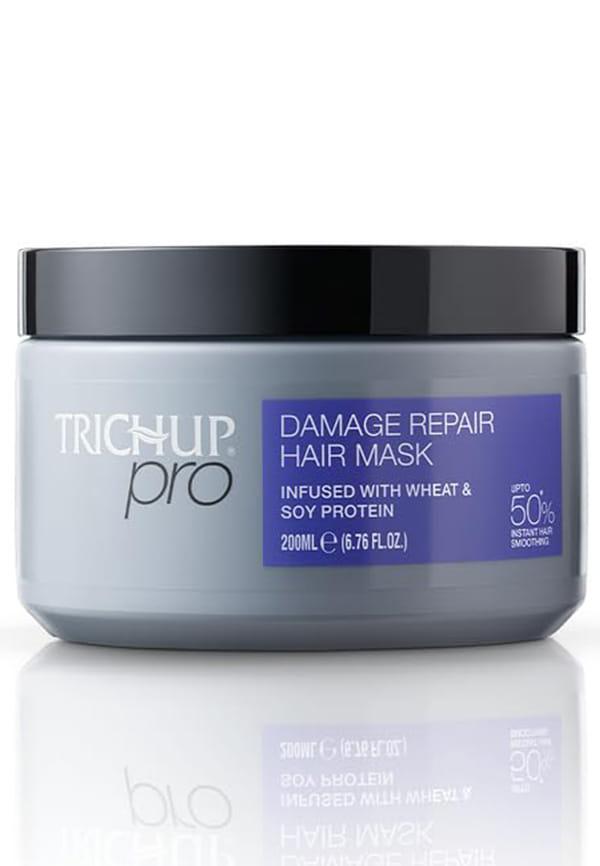
Trichup Pro Damage Repair Hair Mask for Dry Frizzy Hair Intensely Binds
Understanding hair cuticle damage becomes much easier when you know your hair's porosity level. Here's how to test it at home:
Drop a clean strand of hair into a glass of water. Low porosity hair floats, medium porosity hair sinks slowly, and high porosity hair sinks immediately. This tells you how open your cuticles are.
Run your fingers up a hair strand from tip to root. If it feels bumpy or rough, you're dealing with raised cuticles and higher porosity. Smooth strands indicate healthier, lower porosity hair.
Your porosity level reveals a lot about your cuticle condition:
Low porosity: Cuticles are tightly closed, making it hard for moisture to get in or out
Medium porosity: Balanced cuticles that allow proper moisture exchange
High porosity: Damaged or overly open cuticles that can't retain moisture effectively
Knowing what's causing your cuticle damage helps you avoid making the same mistakes twice. Most hair breakage and damage comes from our daily habits rather than genetics, which means it's totally preventable with the right approach.
Your straightener, curling iron, and blow dryer are probably the biggest culprits. High temperatures literally cook your cuticles, causing them to lift and crack. Even one session at too high a temperature can cause lasting damage.
Hair colouring, perming, and relaxing treatments use harsh chemicals that deliberately open your cuticles to deposit or remove colour and change hair structure. Without proper aftercare, these cuticles might never fully close again.
UV rays, pollution, and hard water minerals all take their toll on your cuticles. Sun exposure is particularly sneaky—you might not notice the damage until it's quite advanced.
Aggressive brushing, tight ponytails, and even sleeping on rough pillowcases create friction that gradually wears down your cuticles. It's death by a thousand tiny cuts.
Washing your hair too frequently or using shampoos with harsh sulphates strips away natural oils and can cause cuticles to swell and lift repeatedly.
Sometimes your hair needs more than a good chat and a deep conditioner. Professional damaged hair treatment options can provide the intensive repair your cuticles need to get back on track.
Hair cuticle repair at the salon level involves treatments that can actually restructure and seal damaged cuticles. Here's what actually works:
Hair protein treatments fill in gaps in damaged cuticles and strengthen the hair shaft. These work particularly well for chemically processed or heat-damaged hair that's lost its structural integrity.
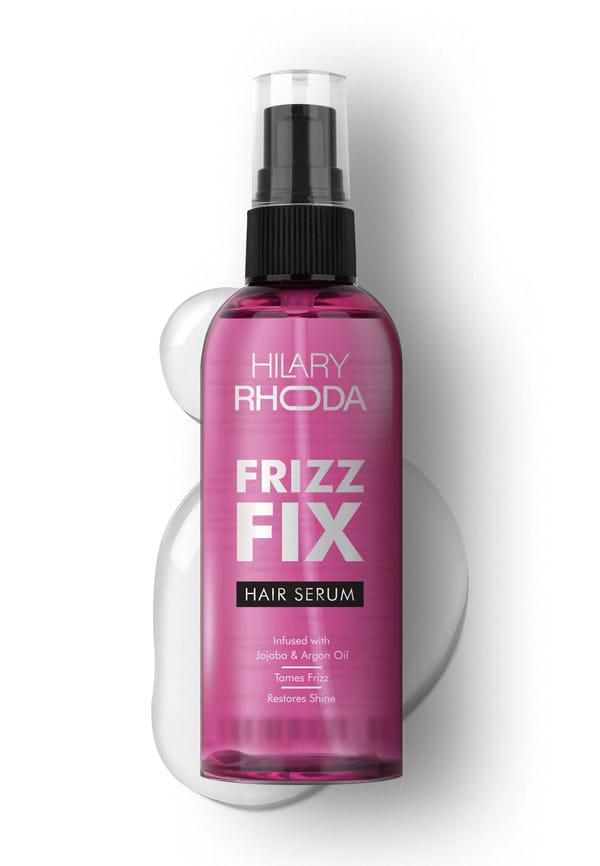
Frizz Fix Hair Serum
Lightweight, Non-Greasy, Effective
 5
5“so light-weighted, non greasy, works wonder on hair”
Excellent Product Quality
5“very good quality of the product”
Excellent Product Quality
5“very good quality of the product”
Professional masks containing ceramides and lipids help rebuild the hair's protective barrier. These ingredients are small enough to penetrate damaged cuticles and create a smoother surface.
Treatments that work at the molecular level can actually repair broken bonds within the hair shaft. These are particularly effective for severely damaged hair that's been over-processed.
Professional treatments that restore your hair's natural pH help cuticles lie flat and smooth. This is especially important after chemical processing.
The key is knowing when to seek professional help versus trying at-home solutions. If your hair feels mushy when wet, breaks easily, or has lost significant elasticity, it's time to visit a professional.
Not every cuticle crisis requires a salon intervention. Understanding hair cuticle damage means knowing when you can handle the repair work yourself with natural ingredients and proper techniques.
Your kitchen probably contains several effective hair cuticle repair ingredients. Here's what actually works:
Rice water contains amino acids that can temporarily fill in cuticle gaps. Egg masks provide protein that strengthens damaged areas. Both work best on high porosity hair that's lost structural integrity.
Argan oil, coconut oil, and jojoba oil can smooth down lifted cuticles and add a protective layer. The key is using them sparingly—a little goes a long way.
The acidic pH of diluted apple cider vinegar helps close cuticles and remove product buildup. Mix one part vinegar with three parts water for a gentle rinse.
Ending your wash routine with cold water helps seal cuticles shut. It's not the most comfortable experience, but your hair will thank you for the extra shine.
Loose braids, silk scrunchies, and avoiding tight styles prevent further mechanical damage whilst your cuticles heal.
Prevention is always better than cure, especially when it comes to hair health. Building cuticle protection into your daily routine means less damage control later on.
Your damaged hair treatment routine should focus on gentle handling and consistent protection. Here's how to structure your daily care:
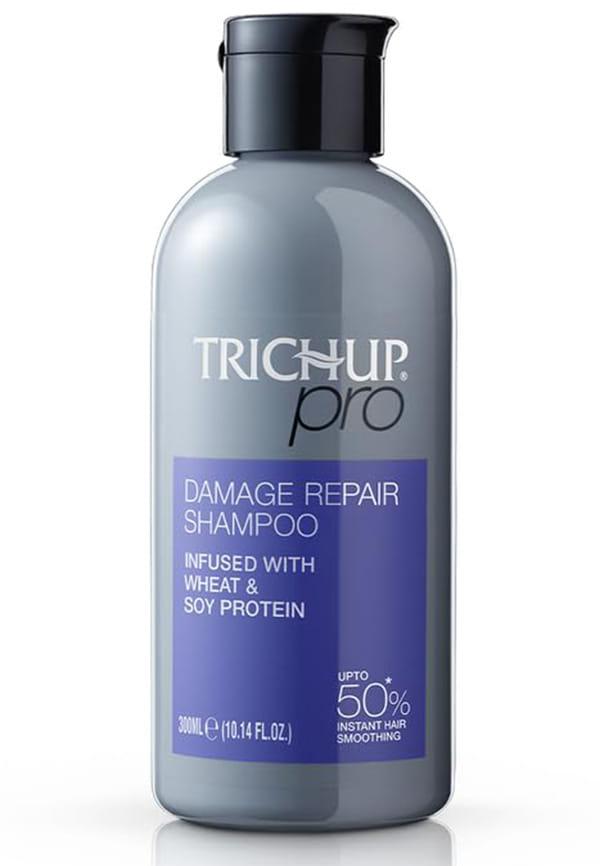
Trichup Pro Damage Repair Shampoo for Dry Frizzy Hair Instant Dual Action
Use sulphate-free shampoos and focus cleansing on your scalp rather than the lengths of your hair. The suds will clean your hair as you rinse without over-stripping.
Never skip heat protectant, and keep styling tools below 180°C. Air-drying whenever possible gives your cuticles a break from thermal stress.
Start detangling from the ends and work your way up. Use a wide-tooth comb on wet hair and a natural bristle brush on dry hair to minimise cuticle lifting.
Silk or satin pillowcases reduce friction whilst you sleep. Loose braids or a silk scarf protect your hair from rubbing against rough cotton.
Consistency matters more than intensity. A weekly deep conditioning treatment works better than sporadic intensive sessions.
Finding the right products for your specific hair needs doesn't have to involve expensive trial and error. Smytten offers curated trial packs from over 1,500 trusted haircare brands, letting you test different treatments before committing to full-size purchases. With options from brands like Love, Beauty & Planet and other professional-grade products, you can discover what works for your unique cuticle repair needs without the financial risk.
Look for dullness, rough texture, excessive frizz, tangling, breakage, and rapid moisture loss. The float test can also reveal high porosity, which indicates cuticle damage.
Cuticles can close temporarily within minutes using cold water or acidic rinses, but repairing actual damage takes 6-8 weeks of consistent treatment. Severely damaged cuticles may never fully recover.
Unfortunately, severely damaged cuticles cannot be completely restored. However, you can improve their appearance and function with protein treatments, proper care, and protective styling until the damaged hair grows out.
Dry hair lacks moisture but has intact cuticles, whilst damaged hair has compromised cuticles that can't retain moisture properly. Dry hair responds well to hydrating treatments, but damaged hair needs protein and structural repair.
Use cold water rinses, diluted apple cider vinegar treatments, and natural oils like argan or jojoba. Avoid heat styling and harsh chemicals whilst focusing on gentle, pH-balanced products.
Understanding hair cuticle damage is the foundation of effective haircare. Your cuticles are working hard to protect your hair shaft every day, and they deserve some TLC in return. Whether you're dealing with minor frizz or serious breakage, the right combination of gentle handling, targeted treatments, and protective styling can help restore your hair's natural beauty.
Remember, hair repair is a marathon, not a sprint. Consistency with your routine matters more than expensive products or dramatic treatments. Start with identifying your specific type of damage, choose appropriate repair methods, and be patient with the process.
The journey to healthier hair doesn't have to be overwhelming or expensive. With Smytten's trial packs, you can explore different haircare solutions from trusted brands without committing to full-size products. This approach lets you find what truly works for your hair type and damage level, making your path to cuticle repair both affordable and effective. After all, why settle for damaged hair when you can discover the perfect treatment and truly try it all?
