How to Hydrate Your Scalp in Dry Winter Air
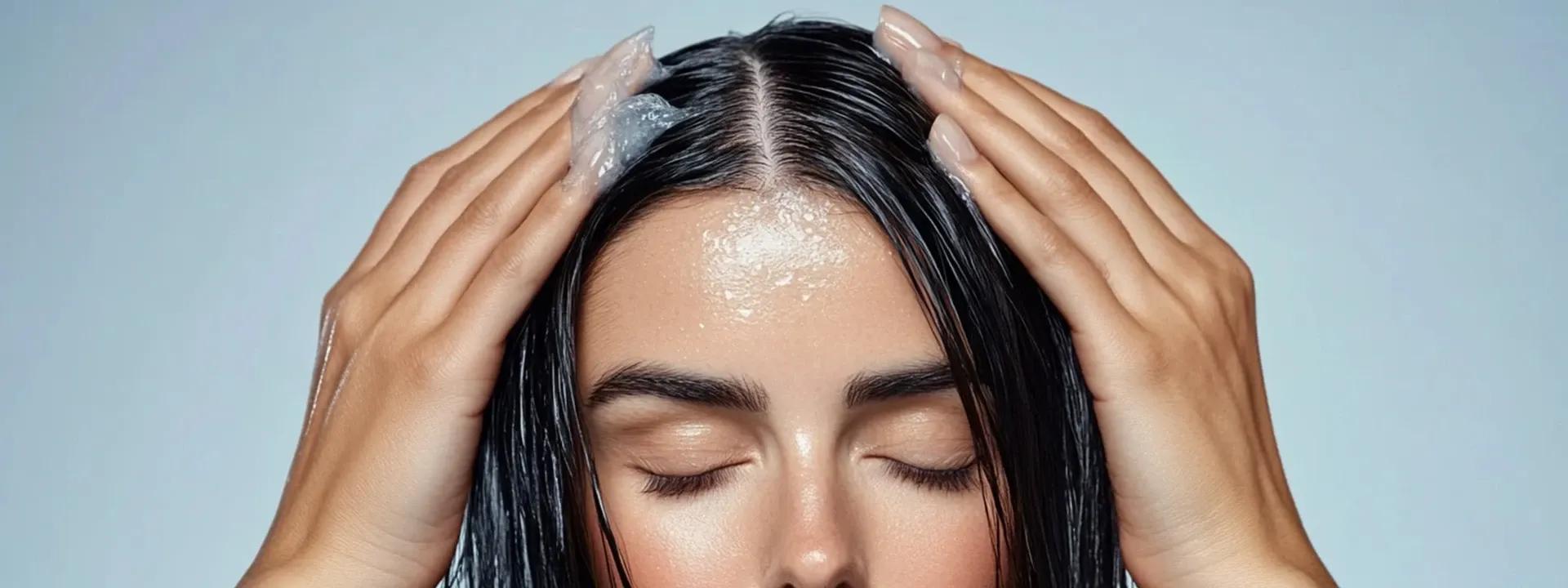

Winter's here, and whilst you're busy layering up your wardrobe, your scalp might be sending out some serious SOS signals. That tight, itchy feeling? The annoying flakes that seem to appear out of nowhere? Your scalp is basically crying out for some proper hydration. The thing is, scalp hydration in dry winter air isn't just about slapping on any old product and hoping for the best. It's about understanding what your scalp actually needs when the temperature drops and the heating cranks up. Let's dive into everything you need to know about keeping your scalp happy, healthy, and properly moisturised through the chilly months.
Real talk—winter is basically your scalp's worst enemy. The combination of cold outdoor air and heated indoor spaces creates the perfect storm for scalp dryness. When humidity levels plummet, your scalp loses moisture faster than you can say "bad hair day."
Winter air is notorious for its low humidity levels, which means there's less moisture in the environment for your scalp to absorb. Think of it like this: your scalp is constantly losing water to the dry air around it, kind of like how a sponge dries out when left in the sun.
Low humidity levels strip moisture directly from your scalp's surface
Indoor heating systems further reduce air moisture and create an even drier environment
Temperature fluctuations between cold outdoors and warm indoors stress your scalp's natural barrier
Reduced sebum production happens naturally in colder months, leaving your scalp less protected
Your scalp has its own way of telling you it needs help. These signs are pretty hard to miss once you know what to look for.
Persistent itchiness that gets worse throughout the day
White flakes that are different from dandruff (they're smaller and less oily)
Tight, uncomfortable feeling especially after washing your hair
Hair that feels drier and more brittle than usual
Here's where things get interesting. Winter scalp care isn't just about switching to a different shampoo—it's about completely rethinking your approach to scalp health. Your summer routine probably won't cut it when the temperature drops.
A proper healthy scalp routine for winter starts with understanding that your scalp's needs change with the seasons. Just like you wouldn't wear shorts in a snowstorm, your scalp care routine needs seasonal adjustments too.
Pre-winter prep involves gradually introducing more moisturising products before the cold hits
Daily maintenance focuses on gentle cleansing and consistent hydration
Weekly treatments provide deeper nourishment and repair
Environmental protection includes wearing hats and using humidifiers
The biggest shift in scalp care for winter is frequency and intensity. You'll likely need to wash less often but moisturise more frequently.
Reduce washing frequency to 2-3 times per week instead of daily
Switch to gentler formulas that don't strip natural oils
Use lukewarm water instead of hot to prevent further drying
Apply treatments in the evening when your scalp can recover overnight
Now for the good stuff—actual scalp hydration remedies that work. These aren't just trendy treatments you see on social media; they're tried-and-tested methods that address the root causes of winter scalp dryness.
Sometimes the best dry scalp treatment comes from your kitchen cupboard. Natural oils and ingredients can provide immediate relief without harsh chemicals.
Coconut oil treatments penetrate the scalp deeply and provide lasting moisture
Jojoba oil mimics your scalp's natural sebum and absorbs quickly
Argan oil masks offer antioxidants alongside hydration
Aloe vera gel soothes irritation whilst adding moisture
Honey and oatmeal masks gently exfoliate whilst hydrating
When home remedies aren't enough, professional scalp dryness solutions can provide more intensive care. These treatments often contain higher concentrations of active ingredients.
Hyaluronic acid serums hold up to 1000 times their weight in water
Ceramide treatments repair the scalp's natural barrier
Prescription options for severe dryness or underlying conditions
Professional scalp facials that deep-clean and hydrate simultaneously
Choosing the right hydrating scalp products can feel overwhelming with so many options available. The key is understanding what ingredients actually work and how to use them properly.
These scalp moisturising tips will help you navigate the product maze and find what actually works for your specific needs.
Look for glycerin and hyaluronic acid as primary hydrating ingredients
Avoid sulfates and alcohol which can further dry your scalp
Choose products with ceramides to repair your scalp's moisture barrier
Apply products to damp scalp for better absorption
Layer lightweight products rather than using one heavy treatment
Different product types serve different purposes in your winter scalp care arsenal. Understanding when and how to use each type maximises their effectiveness.
Leave-in scalp serums provide daily hydration without weighing hair down
Moisturising shampoos cleanse without stripping natural oils
Deep conditioning masks offer intensive weekly treatments
Scalp oils create a protective barrier against environmental damage
Creating a consistent routine is crucial for maintaining scalp hydration throughout winter. Your morning and evening routines should work together to provide round-the-clock moisture and protection.
Your morning routine sets the tone for the entire day. It should focus on gentle hydration and protection from environmental stressors.
Gentle scalp massage with fingertips to stimulate circulation
Apply lightweight serum to damp scalp for easy absorption
Use a wide-tooth comb to distribute products evenly
Protect with a silk-lined hat when heading outdoors
Evenings are perfect for more intensive treatments since your scalp can recover overnight without environmental interference.
Pre-treatment scalp massage with warm oil for 5-10 minutes
Apply overnight masks to clean, slightly damp scalp
Sleep on silk pillowcases to reduce friction and moisture loss
Use a humidifier in your bedroom to maintain air moisture
Once you've mastered the basics, these advanced techniques can take your scalp hydration game to the next level. These methods focus on maximising product absorption and addressing specific winter scalp challenges.
Proper massage technique isn't just about feeling good—it actually improves blood circulation and helps products penetrate deeper into your scalp.
Use circular motions starting from the hairline and working backwards
Apply gentle pressure with fingertips, not nails
Spend 3-5 minutes massaging during product application
Consider scalp massage tools for more consistent pressure
Your scalp's hydration levels are influenced by more than just the products you use. These lifestyle factors play a crucial role in maintaining healthy moisture levels.
Drink plenty of water to hydrate from the inside out
Eat omega-3 rich foods to support scalp health
Manage stress levels as stress can worsen scalp conditions
Get adequate sleep for optimal scalp repair and regeneration
When you're exploring different products for your winter scalp care routine, platforms like Smytten make it easier to find what works for your specific needs. With trial packs from trusted haircare brands, you can test different scalp treatments without committing to full-size products—perfect for finding your ideal winter scalp care routine.
During winter, reduce washing to 2-3 times per week. Over-washing strips natural oils that protect your scalp from dryness. If your hair gets oily quickly, try dry shampoo between washes instead.
Dry scalp produces small, white flakes and feels tight or itchy. Dandruff creates larger, yellowish flakes that are often oily and may have a smell. Dry scalp needs moisture, whilst dandruff requires antifungal treatment.
Whilst some face moisturisers might work temporarily, scalp-specific products are formulated to penetrate through hair and address scalp-specific needs. They're usually lighter and won't weigh your hair down.
With consistent care, you should notice reduced itchiness within a few days. Visible improvements in flaking and overall scalp health typically appear within 2-3 weeks of starting a proper routine.
Heat styling can worsen scalp dryness, so use heat protectants and lower temperatures. Air-drying is best, but if you must use heat tools, apply a leave-in treatment first and keep tools moving to avoid concentrated heat on your scalp.
Dealing with scalp hydration in dry winter air doesn't have to be a constant battle. With the right approach—combining gentle products, consistent routines, and lifestyle adjustments—you can keep your scalp comfortable and healthy all season long. Remember, finding the perfect routine often involves some trial and error, so don't get discouraged if the first products you try aren't quite right.
The key is being patient with your scalp and consistent with your care routine. Start with gentle, hydrating products and gradually build up to more intensive treatments as needed. Your scalp will thank you for the extra attention, and you'll likely notice that your hair looks healthier too. After all, healthy hair starts with a healthy, well-hydrated scalp—and that's definitely worth the effort.
