How to Hair Treatment for Frizzy Hair: Taming Tips

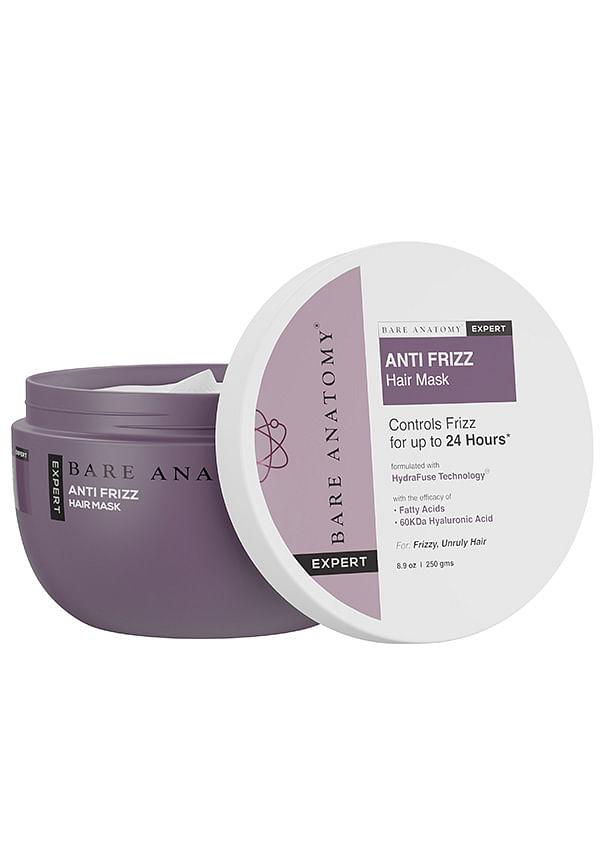
Anti-Frizz Hair Mask For Smooth Hair With Hyaluronic Acid
Best for Frizzy Hair
 5
5“this is the best product to control firizzy hair”
Hydrating Hair Mask for Winters
5“really hydrating hair mask for the winters”
Effective frizz control, environmentally sensitive
5“It made my hair smooth and freeze free in just one wash ,though the freeze remains depending on the environment.”
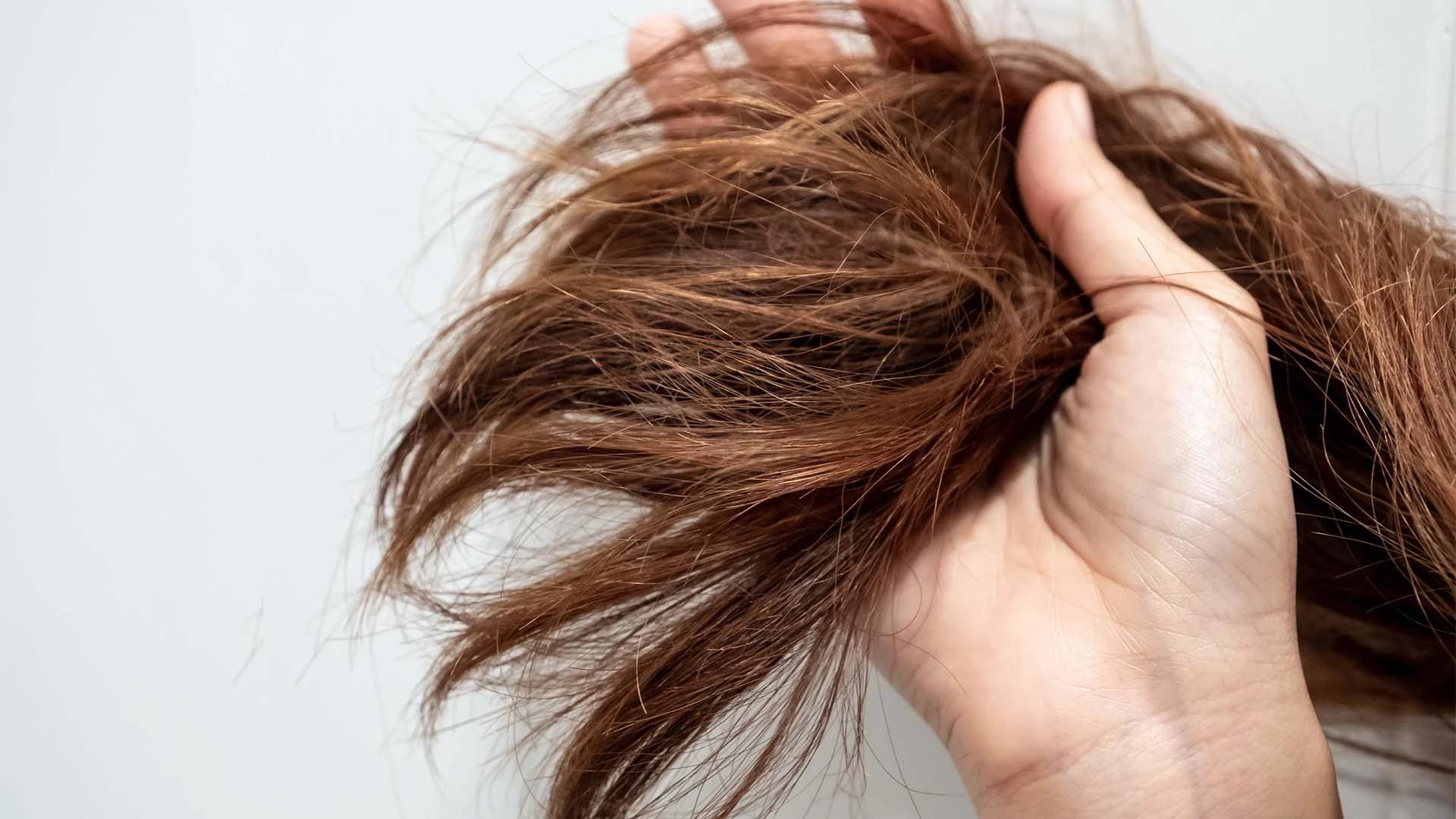
Frizzy hair can feel like your biggest beauty nemesis—one minute it's behaving, the next it's staging a full rebellion against your plans. But here's the thing: hair treatment for frizzy hair isn't about fighting your natural texture; it's about working with it. Whether you're dealing with humidity-induced chaos or just naturally unruly strands, the right approach can transform your hair from frustrated to fabulous. Real talk, understanding your hair's specific needs is half the battle won. Let's dive into everything you need to know about taming frizz and finding frizzy hair solutions that actually work for your lifestyle and hair type.
Let's get nerdy for a hot minute because understanding why your hair gets frizzy is the first step to solving it. Your hair cuticle is like tiny overlapping scales that should lie flat against your hair shaft. When these cuticles lift up—thanks to damage, humidity, or genetics—moisture from the air sneaks in and causes your hair to swell and frizz.
Hair porosity basically tells you how well your hair absorbs and holds moisture. High porosity hair (often damaged or chemically treated) absorbs moisture quickly but loses it just as fast, leading to frizz. Low porosity hair struggles to let moisture in but holds onto it once it's there.
Humidity is the obvious culprit, but it's not the only one. Hard water, pollution, UV rays, and even your pillowcase can contribute to frizz. Heat styling without protection is another major player in the frizz game.
Your kitchen might just be hiding some of the best frizz control ingredients. These DIY treatments are brilliant for regular hair hydration without breaking the bank.
Mix avocado, honey, and olive oil for the ultimate hydrating mask. The avocado provides healthy fats, honey acts as a humectant (moisture magnet), and olive oil seals everything in. Leave it on for 20-30 minutes before washing.
Argan oil is your frizz-fighting superhero—it's lightweight but incredibly nourishing. Coconut oil works wonders for thicker hair types, while jojoba oil mimics your scalp's natural sebum. Apply these oils to damp hair for best results.
This old-school remedy helps smooth your hair cuticles and restore pH balance. Mix one part ACV with three parts water and use it as a final rinse after shampooing.
Sometimes your frizz needs the big guns, and that's where professional hair smoothing treatment options come in. These treatments can be game-changers, but they're also investments that need careful consideration.
Keratin treatments coat your hair with a protein layer that smooths cuticles and reduces frizz for 3-4 months. They're particularly effective for moderately frizzy hair but won't completely straighten your texture.
This treatment uses a liquid keratin formula that's blow-dried and flat-ironed into your hair. It maintains more of your natural texture while eliminating frizz and reducing drying time.
Despite the name, this treatment doesn't involve actual botox. It's a deep conditioning treatment that fills in hair fibre gaps, making your hair smoother and more manageable.
Consistency is everything when it comes to hair care for frizz. Your daily routine should focus on maintaining moisture balance and protecting your hair from damage.
Use lukewarm water instead of hot, and focus shampoo on your scalp rather than your lengths. Consider co-washing (conditioner-only washing) between shampoo days to maintain moisture levels.
Regular towels can rough up your cuticles and cause frizz. Pat your hair dry with a microfibre towel or even a cotton t-shirt. Never rub or twist your hair when it's wet—it's at its most vulnerable state.
Apply leave-in conditioner to damp hair, focusing on mid-lengths and ends. This creates a protective barrier and provides ongoing moisture throughout the day.
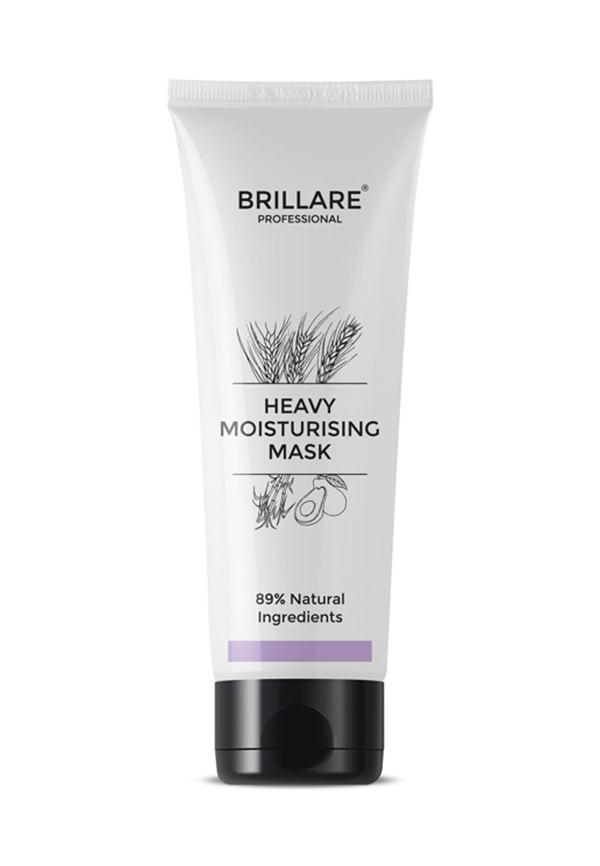
Conditioner For Dry, Frizzy Hair
Best Conditioner Ever
4“best conditioner i have ever used”
Great for Dry Hair
5“very good moisturizer for dry hair”
Great for dry scalp and shiny hair
5“I love it ...it moistures my dry scalp ..give a shining and smooth look to my hair.”
Sleep with your hair in a loose braid or silk scrunchie to prevent tangles and friction. During the day, avoid constantly touching or running your fingers through your hair.
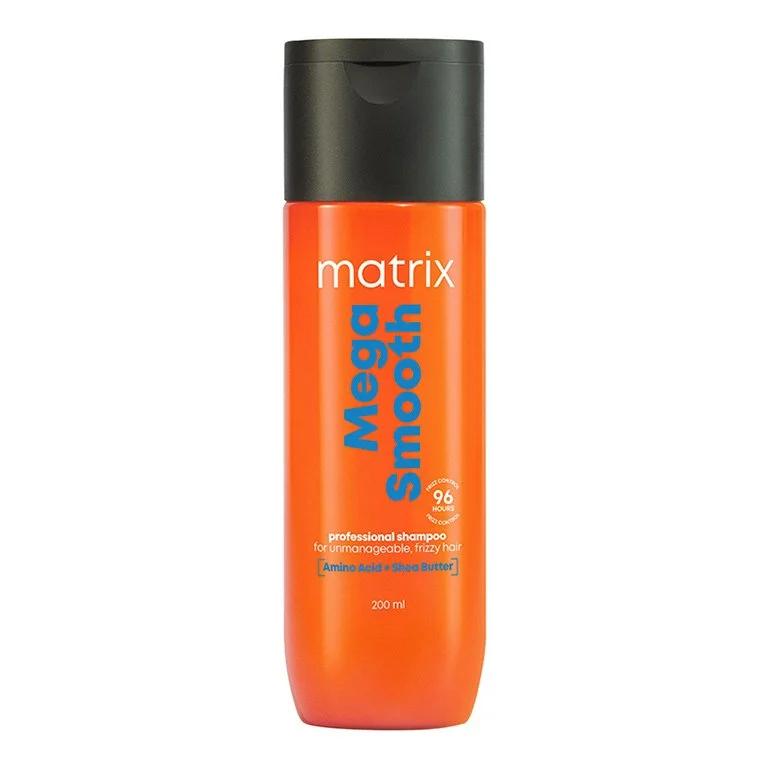
Not all anti frizz products are created equal. Matrix Mega Smooth Professional Shampoo is a good pick if your hair feels dry, frizzy, coarse or difficult to manage after every wash. Enriched with shea butter and amino acids, this professional smoothing shampoo gently cleanses while helping moisturise and tame rebellious strands. It helps defy frizz for up to 4 days and leaves hair feeling defrizzed, smooth and shiny, making it a useful first step in an anti-frizz hair routine.
Sulfates can strip your hair of natural oils, leading to dryness and frizz. Look for gentle cleansers like cocamidopropyl betaine or sodium cocoyl isethionate instead.
Hyaluronic acid, glycerin, and panthenol are moisture magnets that help keep your hair hydrated. These ingredients work particularly well in leave-in treatments and serums.
If your frizz is caused by damage, hair repair treatment products with hydrolysed proteins can help fill in gaps in your hair shaft. However, use these sparingly—too much protein can make hair brittle. Exploring new haircare products doesn't have to mean committing to full-size bottles that might not work for you. Smytten offers curated trial packs from over 1,500 trusted brands, letting you discover what works for your specific frizz concerns before making larger purchases.
Managing frizz isn't just about the products you use—your overall health and lifestyle play huge roles in your hair's behaviour. Think of hair moisturizing as both an inside and outside job.
Omega-3 fatty acids, biotin, and vitamin E support hair health from within. Include foods like salmon, nuts, seeds, and leafy greens in your diet for stronger, more resilient hair.
Dehydration affects your hair just like it affects your skin. Aim for 8 glasses of water daily, and invest in a silk or satin pillowcase to reduce friction while you sleep.
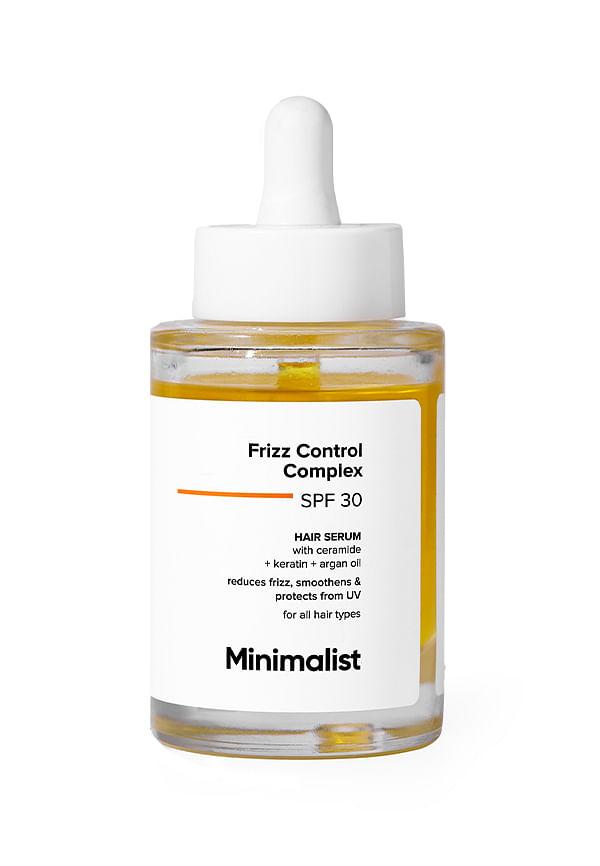
Frizz Control Complex SPF 30 Hair Serum
Lightweight & Non-Greasy Product
5“it's really good... I love it... it's light weight... non greasy ...”
Lightweight & Non-Greasy Product
5“it's really good... I love it... it's light weight... non greasy ...”
Lightweight & Non-Greasy Product
5“it's really good... I love it... it's light weight... non greasy ...”
Split ends travel up your hair shaft, causing more frizz and damage. Regular trims every 6-8 weeks keep your ends healthy and your overall texture smoother.
Chronic stress can affect your hair's growth cycle and texture. Practice stress management techniques like meditation, exercise, or whatever helps you unwind.
Frizz happens when your hair cuticles lift and allow moisture from the environment to enter your hair shaft. This can be due to genetics, damage from heat styling or chemical treatments, humidity, or lack of moisture in your hair.
While you can't permanently change your hair's natural texture, you can significantly reduce frizz through proper care, the right products, and professional treatments. Consistency is key to maintaining smooth hair remedies.
Most hair types benefit from deep conditioning once a week. If your hair is very damaged or chemically treated, you might need it twice weekly. Listen to your hair—over-conditioning can make it limp and greasy.
Professional treatments can be worth it if you have severe frizz and the budget for maintenance. However, a good at-home routine with quality products can achieve excellent results for most people.
Always use a heat protectant, work with damp (not soaking) hair, and use the lowest effective temperature. Consider air-drying or using heat-free styling methods when possible.
Taming frizzy hair is absolutely achievable with the right combination of understanding, products, and techniques. Remember that what works for your friend might not work for you—hair is incredibly individual. Start with the basics: gentle cleansing, proper hydration, and protection from damage. From there, you can experiment with different treatments and styling methods until you find your perfect routine. The journey to smoother, more manageable hair doesn't have to be expensive or overwhelming. With platforms like Smytten, you can try different haircare products in mini sizes before committing to full-size purchases. This approach lets you discover what truly works for your unique frizz patterns without the risk of wasted money on products that don't deliver. After all, why settle for 'maybe' when you can find your perfect frizzy hair solutions through smart experimentation?
