How to Hair Fall Treatment at Home Naturally?

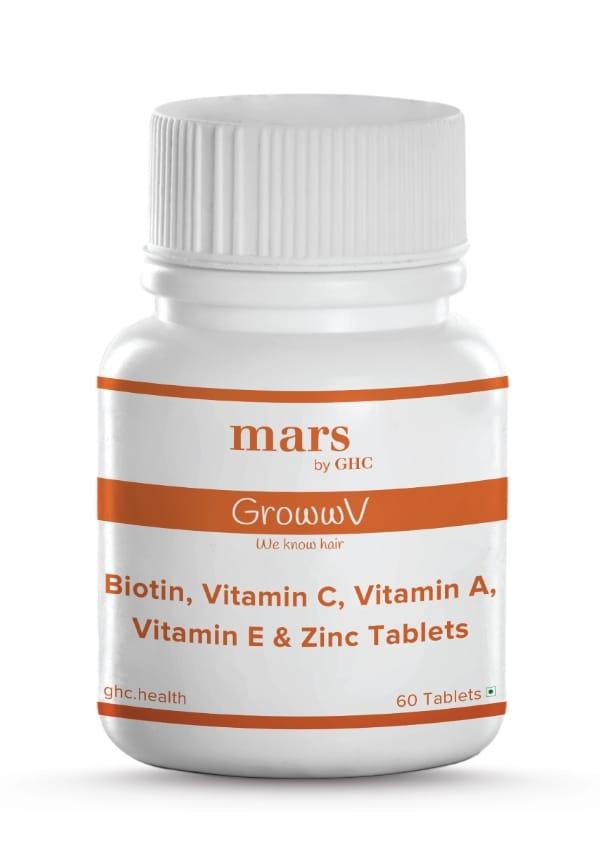
Biotin Natural Supplement to Control Hair Fall
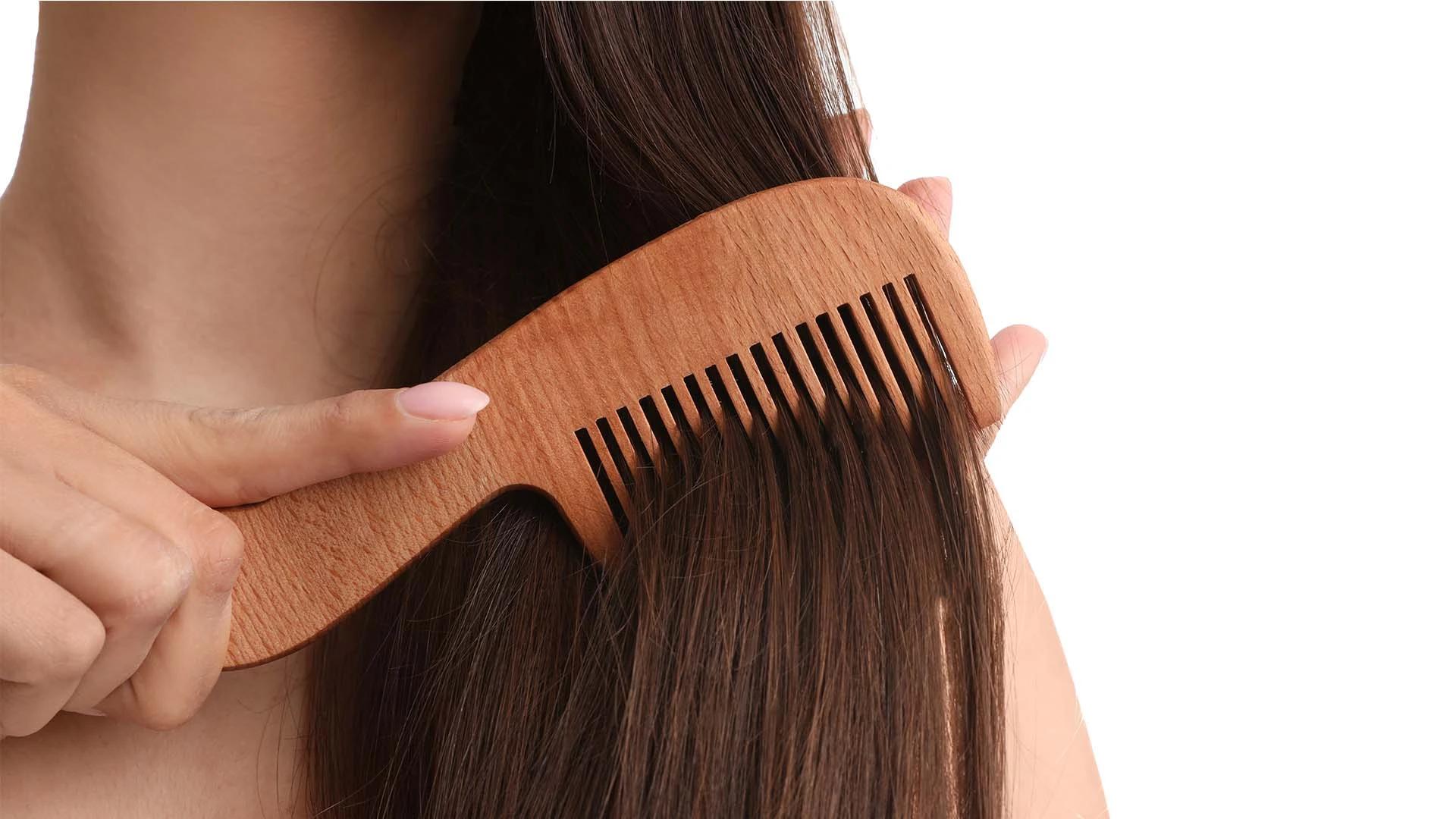
Seeing strands of hair on your pillow, in the shower drain, or tangled in your brush can be quite alarming. But here's the thing—some hair fall is completely normal (we lose about 50-100 strands daily). However, when it feels excessive, it's time to explore hair fall treatment at home using natural methods. The good news? Your kitchen and bathroom probably already have everything you need to start your journey towards healthier, stronger hair. Let's dive into proven natural remedies that actually work, without breaking the bank or exposing your scalp to harsh chemicals.
Before jumping into hair loss remedies, it's crucial to understand why hair fall happens in the first place. Think of your hair like a plant—it needs the right nutrients, environment, and care to thrive. Nutritional deficiencies are often the sneaky culprits behind excessive hair fall. When your body lacks iron, zinc, biotin, or protein, your hair follicles simply can't produce strong, healthy strands. It's like trying to build a house without proper materials—things are bound to fall apart. Hormonal imbalances can wreak havoc on your hair cycle too. Whether it's thyroid issues, pregnancy, or hormonal fluctuations during your cycle, these changes can shift your hair from its growth phase to its shedding phase prematurely. Stress and lifestyle factors play a massive role in hair health. When you're constantly stressed, your body produces cortisol, which can actually shrink hair follicles. Poor sleep, smoking, and excessive heat styling add fuel to the fire. Genetic predisposition might be something you can't change, but understanding your family history helps you take preventive measures early. If hair thinning runs in your family, starting natural treatments sooner rather than later can make a real difference.
Ready to tackle hair fall with ingredients you probably already have? These home remedies for hair have been tried and tested by generations, and there's science backing most of them.
Coconut oil isn't just trendy—it's genuinely brilliant for hair health. The lauric acid in coconut oil penetrates hair shafts better than most other oils, providing deep nourishment from within. Warm 2-3 tablespoons of virgin coconut oil and massage it into your scalp using circular motions for 5-10 minutes. This scalp massage for hair growth improves blood circulation, which means more nutrients reach your hair follicles. Leave it on for at least 30 minutes (or overnight if you're feeling ambitious) before washing with a gentle shampoo.
Aloe vera is like a cool drink of water for your scalp, especially if you're dealing with irritation or inflammation that might be contributing to hair fall. Extract fresh aloe vera gel from a leaf and apply it directly to your scalp. The enzymes in aloe vera help remove dead skin cells that might be clogging hair follicles. Plus, its moisturising properties create an optimal environment for natural hair growth. Leave it on for 45 minutes before rinsing with lukewarm water.
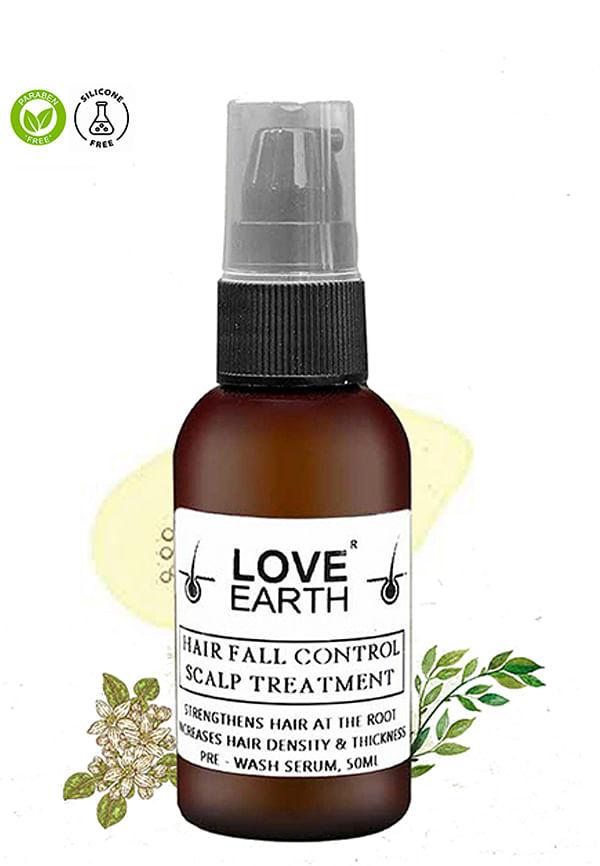
Hair Fall Control Scalp Treatment
Yes, it sounds odd, but onion juice is packed with sulfur, which boosts collagen production and helps regenerate hair follicles. It's one of the most effective ways to stop hair fall naturally. Blend one medium onion and strain the juice. Apply it to your scalp, focusing on areas where hair thinning is most noticeable. Leave it on for 20-30 minutes before washing thoroughly. The smell disappears completely after washing, so don't worry about that.
Fenugreek seeds are protein powerhouses that strengthen hair shafts and reduce breakage. They're particularly effective for hair thinning solutions. Soak 2 tablespoons of fenugreek seeds overnight, then grind them into a paste with a little water. Apply this mask to your scalp and hair, leave for 30 minutes, then rinse. The proteins and nicotinic acid in fenugreek stimulate hair growth and add natural shine.
Essential oils like rosemary, peppermint, and lavender have shown promising results in studies for promoting hair growth. They're among the best hair strengthening treatments you can create at home. Mix 3-4 drops each of rosemary and peppermint essential oil with 2 tablespoons of carrier oil (jojoba or sweet almond work beautifully). Massage this blend into your scalp and leave for at least an hour. The tingling sensation means it's working to improve circulation.
Real talk—what you eat matters just as much as what you put on your hair. A healthy hair diet provides the building blocks your follicles need to produce strong, resilient strands. Protein-rich foods are non-negotiable since hair is essentially made of protein. Include eggs, fish, lentils, Greek yoghurt, and nuts in your daily meals. Your hair follicles will thank you for the amino acids. Iron and zinc sources are crucial for preventing deficiency-related hair fall. Spinach, pumpkin seeds, chickpeas, and lean meats are excellent choices. If you're vegetarian, pair iron-rich foods with vitamin C to boost absorption. Omega-3 fatty acids add lustre and strength to hair while reducing inflammation that might contribute to hair fall. Walnuts, flaxseeds, and fatty fish like salmon are your best friends here. Hydration might seem basic, but dehydrated hair becomes brittle and prone to breakage. Aim for 8-10 glasses of water daily, and you'll notice the difference in your hair's texture and resilience. Vitamins for hair health include biotin (found in eggs and avocados), vitamin D (get some sunshine!), and vitamin E (nuts and seeds). These work together to support the hair growth cycle.
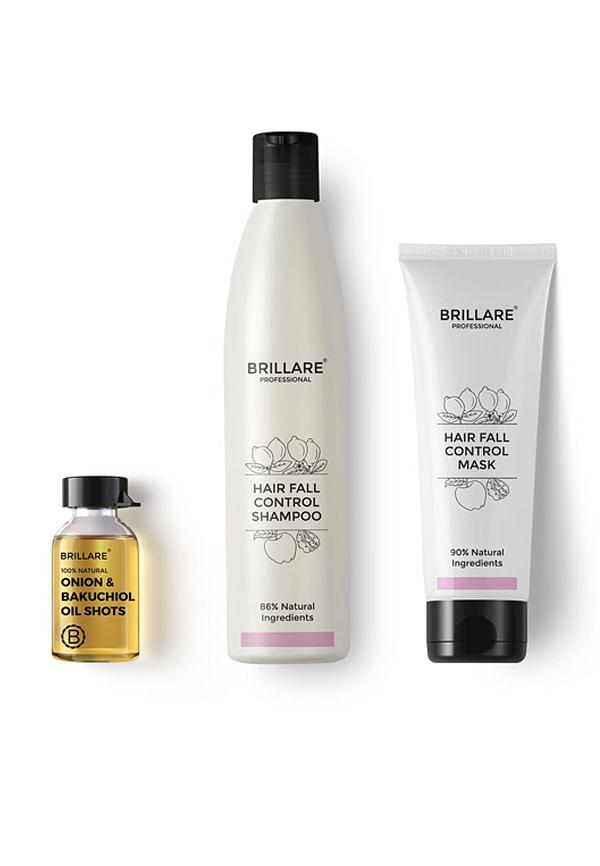
Anti Hair Fall Treatment Combo
Excellent Product Combo
 5
5“best combo I have purchased .”
Loved the product
5“loved it! love the product 👍👍👍”
Positive Product Review
5“a good product...good packaging...does the job...”
Sometimes the best hair care tips have nothing to do with products and everything to do with how you live your life. Stress management is crucial for hair fall control. Try meditation, yoga, or even just 10 minutes of deep breathing daily. When your stress levels drop, your hair often starts recovering naturally. Reducing heat styling gives your hair a chance to recover from damage. If you must use heat tools, always apply a heat protectant and keep temperatures moderate. Air-drying might take longer, but your hair will be stronger for it. Sleep and hair health are more connected than you might think. During deep sleep, your body repairs and regenerates, including hair follicles. Aim for 7-9 hours of quality sleep nightly. Exercise and circulation go hand in hand. Regular physical activity improves blood flow to your scalp, delivering nutrients where they're needed most. Even a 20-minute walk daily can make a difference.
Building a gentle, consistent routine is key to long-term hair health. Think of it as your daily investment in stronger, more resilient hair. Gentle washing techniques start with lukewarm water (hot water strips natural oils) and a sulfate-free shampoo. Focus the shampoo on your scalp, not the lengths of your hair, and massage gently with your fingertips, not nails. Proper conditioning is where many people go wrong. Apply conditioner from mid-length to ends, avoiding the scalp area. Leave it on for 2-3 minutes before rinsing thoroughly. This step is crucial for preventing tangles and breakage. Scalp massage methods can be incorporated into your routine easily. While shampooing or applying oil treatments, use circular motions with gentle pressure. This stimulates blood flow and can help with relaxation too. Protective hairstyling means avoiding tight ponytails, harsh brushing when wet, and sleeping on cotton pillowcases. Switch to silk or satin pillowcases to reduce friction, and use wide-tooth combs on damp hair. When you're ready to explore professional haircare products alongside these natural remedies, platforms like Smytten make it incredibly easy to try different formulations without committing to full-size purchases. With curated trial packs from trusted brands, you can discover what works best for your specific hair type and concerns—because why settle for 'maybe' when you can try it all?
While natural remedies work brilliantly for many people, sometimes professional intervention is necessary. Knowing when to seek help can save you months of trial and error. Signs of serious hair loss include sudden, patchy hair loss, scalp irritation or pain, hair loss accompanied by other symptoms like fatigue or weight changes, and family history of autoimmune conditions. If you notice these warning signs, it's time to consult a dermatologist or trichologist. They can run tests to rule out underlying conditions and recommend appropriate treatments.
Most people notice reduced hair fall within 4-6 weeks of consistent natural treatment. However, visible hair growth takes 3-4 months since that's how long the hair growth cycle takes to complete.

Anti - Hair Fall Hair Oil
Generally yes, but always do a patch test first, especially with essential oils or onion juice. If you have sensitive skin or scalp conditions, consult a dermatologist before trying new treatments.
Absolutely! Hair fall mechanisms are largely the same regardless of gender. However, men experiencing male pattern baldness might need additional medical interventions alongside natural treatments.
Oil treatments can be done 2-3 times weekly, while gentler treatments like aloe vera can be used daily if needed. Listen to your scalp—if it feels irritated, reduce frequency.
Not at all! Start with one or two treatments that appeal to you and see how your hair responds. You can always add more remedies later or rotate between different treatments.
Treating hair fall naturally at home isn't about finding a magic bullet—it's about creating a holistic approach that addresses the root causes while nourishing your hair from the outside in. The combination of proper nutrition, gentle care, stress management, and targeted natural treatments can work wonders for most people experiencing hair fall. Remember, consistency is your best friend when it comes to natural hair care. These remedies work gradually but effectively, and the results tend to be longer-lasting than quick fixes. Your hair has been with you through everything, so it deserves the patience and care that natural treatments provide. Whether you're dealing with seasonal hair fall, stress-related shedding, or just want to maintain healthy hair, these time-tested methods offer a safe, affordable path to stronger, more resilient locks. Your future self—with a healthier, fuller head of hair—will definitely thank you for starting today.
