How to Grow Beard Faster: Expert Beard Growth Tips
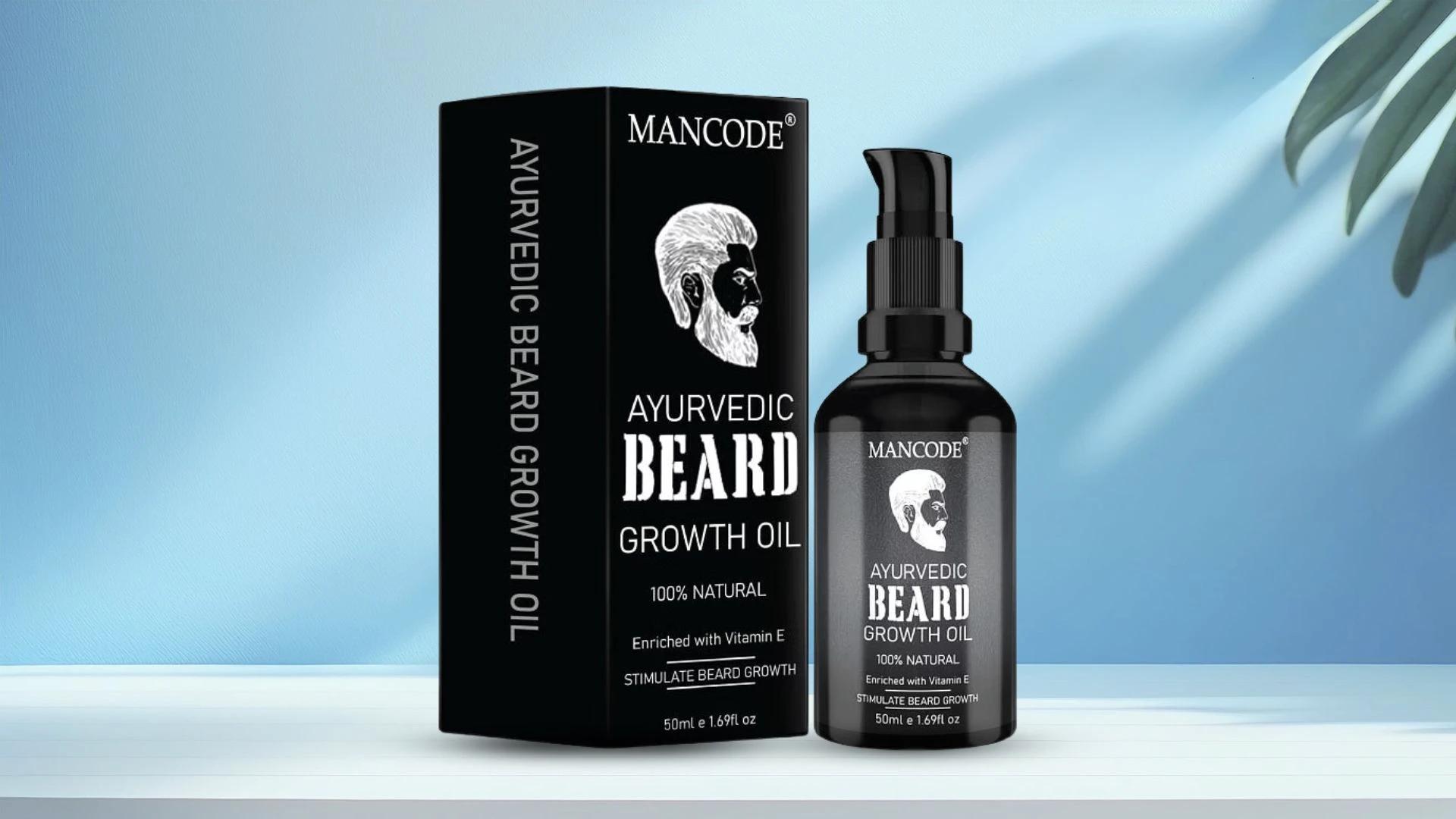

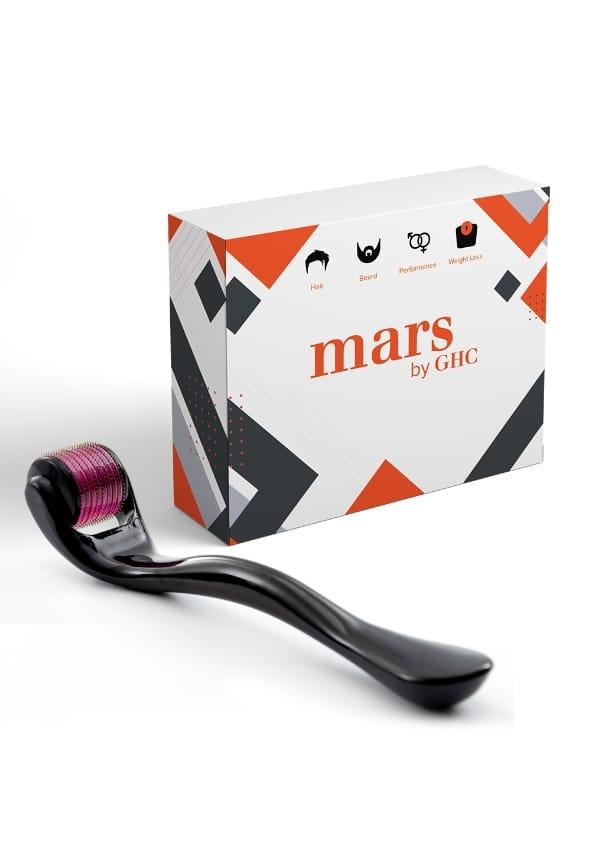
Beard Growth Stimulator
Let's be real—waiting for your beard to grow can feel like watching paint dry. You've probably tried everything from rubbing weird oils on your face to googling "how to grow beard faster" at 2 AM. The good news? There are actually science-backed ways to speed up the process and get that fuller, thicker beard you're after. We're talking proper beard growth tips that go beyond old wives' tales and actually work. From tweaking your daily routine to finding the right beard growth products, we'll walk you through everything you need to know about facial hair growth that actually makes sense.
Before diving into the how-to, it helps to understand what's actually happening under your skin. Facial hair growth isn't just random—there's a whole cycle at play that determines how fast (or slow) your beard fills in.
Your beard grows in three distinct phases, just like the hair on your head. The anagen phase is where the magic happens—this is when your hair is actively growing. It can last anywhere from two to six years, which explains why some people can grow epic beards whilst others max out at a certain length.
The catagen phase is basically a transition period where growth slows down, and the telogen phase is when the hair rests before eventually falling out to make room for new growth. On average, facial hair grows about 0.125 to 0.25 inches every two weeks, but this varies massively from person to person.
Genetics play a huge role, but they're not the whole story. Hormones like testosterone and DHT (dihydrotestosterone) are the real drivers behind beard grooming potential. Higher levels generally mean faster, thicker growth, but age matters too—most people hit their beard growth peak in their twenties and thirties.
Lifestyle factors like diet, sleep, stress levels, and even how you care for your skin can significantly impact how quickly your beard develops. The good news is that many of these factors are totally within your control.
Ready to give your beard the best possible chance to thrive? These natural beard growth methods are backed by science and don't require any dodgy supplements or expensive treatments.
What you eat directly impacts how well your hair grows. Think of it as fuel for your follicles—the better the fuel, the better the results.
Protein-rich foods are your best friend here. Red meat, fish, eggs, and legumes provide the building blocks your hair needs to grow strong and healthy. Without enough protein, your beard might grow slowly or feel weak and brittle.
Essential vitamins like biotin, vitamin D, and B-complex vitamins support healthy hair growth from the inside out. You'll find these in foods like nuts, leafy greens, and fatty fish.
Key minerals including zinc, iron, and selenium are crucial too. Brazil nuts, spinach, and lean meats are excellent sources. Don't forget about hydration—your hair follicles need proper moisture to function optimally.
Regular exercise naturally boosts testosterone levels, which directly impacts how to stimulate beard growth. You don't need to become a gym obsessive—even moderate exercise like brisk walking or cycling can make a difference.
Sleep is equally important because that's when your body produces growth hormones. Aim for seven to nine hours of quality sleep each night. Poor sleep doesn't just make you feel rubbish—it can actually slow down hair growth.
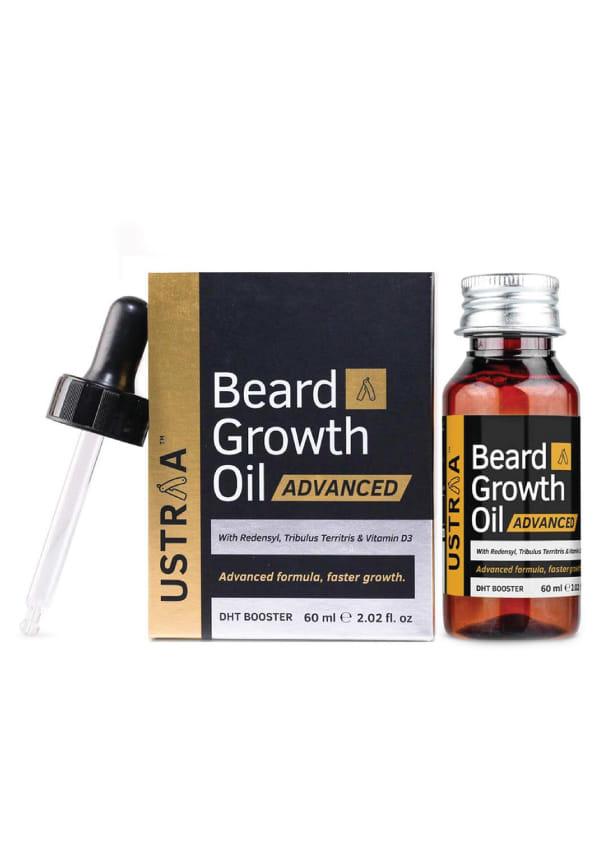
Beard Growth Oil Advanced
Excellent Product
 5
5“Nice company nice product 10 rating product”
Managing stress through meditation, yoga, or whatever works for you also helps. Chronic stress can mess with your hormone levels and slow down growth.
Healthy skin equals healthy beard growth. Weekly exfoliation helps remove dead skin cells that can clog hair follicles and slow down growth. Use a gentle scrub or exfoliating brush—nothing too harsh that might damage your skin.
Moisturising creates the ideal environment for hair growth. Dry, flaky skin can actually impede new hair from breaking through the surface. Choose a moisturiser that won't clog your pores.
Whilst natural beard growth methods form the foundation, the right products can definitely give you an edge. Here's what actually works and what's just marketing fluff.
Beard oil isn't just about making your beard smell nice—it actually supports growth by keeping both your hair and the skin underneath healthy. The best oils contain ingredients like jojoba oil, which closely mimics your skin's natural oils, argan oil for moisture, and castor oil, which some studies suggest might promote hair growth.
Apply beard oil to slightly damp skin and hair, working it in with your fingers. A few drops go a long way—you want to moisturise, not create an oil slick. The key is consistency rather than quantity.
Minoxidil is probably the most scientifically proven beard growth product available. Originally developed for scalp hair loss, many people use it off-label for patchy beard areas with good results.
Apply it twice daily to clean, dry skin in the areas where you want more growth. Results typically take three to six months to become noticeable, and you need to keep using it to maintain the benefits. Some people experience skin irritation, so start slowly and see how your skin reacts.
Derma rolling involves using a small roller covered in tiny needles to create micro-injuries in your skin. This might sound scary, but the theory is that it stimulates blood flow and encourages hair growth.
Use a 0.5mm derma roller once or twice a week on clean skin. Roll in different directions—vertical, horizontal, and diagonal—but don't press too hard. Always sterilise your roller before and after use to prevent infection.
Consistency is everything when it comes to beard care routine. Having a solid morning and evening routine sets you up for success and helps maximise your growth potential.
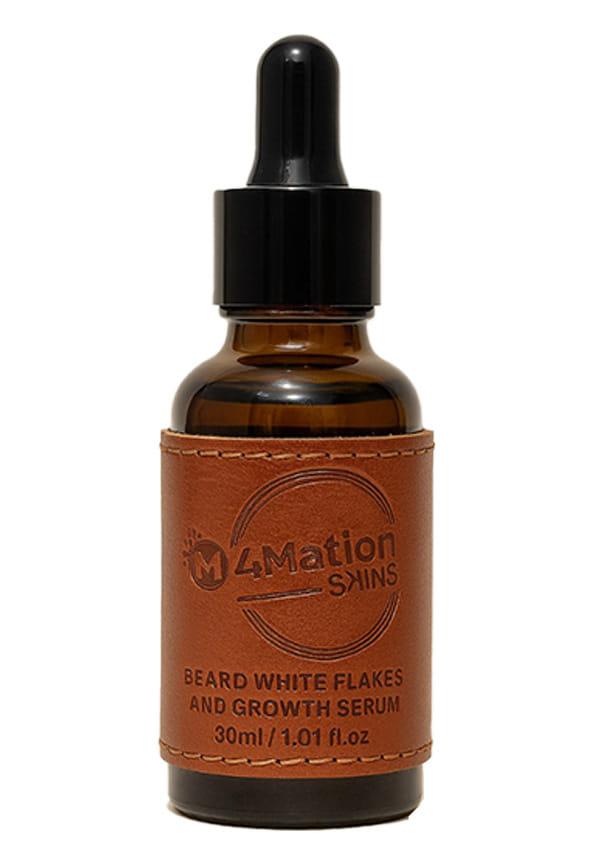
Beard White Flakes & Growth Oil
Start your day by gently cleansing your face and beard area with a mild cleanser. Over-washing can strip natural oils and irritate your skin, so keep it simple.
Apply your beard oil or moisturiser whilst your skin is still slightly damp—this helps lock in moisture. If you're using any growth-promoting products, morning is usually the best time for application.
Brush your beard (if it's long enough) or massage the area with your fingers to stimulate blood circulation. This simple step can actually make a difference over time.
Evenings are perfect for more intensive treatments. If you're using minoxidil or other growth products, this is often when you'd apply your second dose of the day.
Consider using a slightly heavier oil or balm at night since you don't need to worry about looking greasy. Your skin does most of its repair work whilst you sleep, so give it the nutrients it needs.
If you're derma rolling, evening is the ideal time since your skin might be slightly red afterwards.
Managing expectations is crucial when learning how to grow beard faster. Everyone's timeline is different, but here's what most people can expect during their beard growth journey.
The first two weeks are all about getting through the initial stubble phase. Your face might feel itchy as new hair breaks through the skin—this is completely normal.
Months one and two are often called the "awkward phase" for good reason. Your beard might look patchy or uneven, and you'll be tempted to trim it. Resist the urge—let it grow.
By month three and beyond, you should start seeing more even coverage and can begin shaping your beard. This is when you'll really see if your growth efforts are paying off.
Teenagers often struggle with patchy growth because their hormone levels are still stabilising. Patience is key here—many people don't achieve full beard potential until their mid-twenties.
Your twenties and thirties are typically peak beard years when testosterone levels are highest. This is when most beard growth tips will be most effective.
After forty, hormone levels naturally decline, which can slow growth. The strategies we've discussed become even more important for maintaining healthy growth.
Not everyone's beard journey goes smoothly. Here's how to handle the most common issues that crop up when trying to achieve a thicker beard.
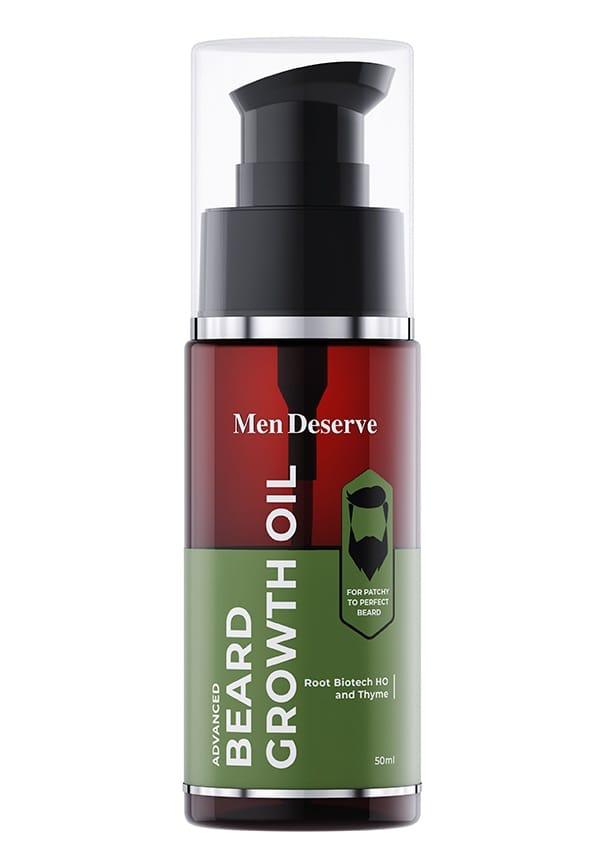
Advanced Beard Growth Oil
Patchy beards are incredibly common, especially in the early stages. Sometimes it's just a matter of time—areas that look sparse at two months might fill in beautifully by six months.
Strategic styling can help minimise the appearance of patches. A shorter, well-trimmed beard often looks fuller than a longer, patchy one. Consider working with a professional barber who understands beard growth patterns.
For persistent patches, minoxidil or derma rolling might help, but remember that some degree of patchiness is normal and doesn't mean you can't have a great-looking beard.
If you've got family members with slow or sparse facial hair growth, you might be working against your genetics. But that doesn't mean you should give up—it just means you need to be more strategic.
Focus on maximising what you can control: diet, sleep, stress management, and proper beard grooming. These factors can help you reach your genetic potential, even if that potential is different from someone else's.
Set realistic expectations based on your family history, but don't let genetics be an excuse not to try. Many people are surprised by what they can achieve with the right approach.
When exploring different beard growth products and techniques, having access to trial sizes can be incredibly helpful. Smytten offers curated trial packs from over 1,500 trusted brands, letting you test various beard oils, balms, and grooming products before committing to full-size purchases. With over 25 million users discovering new products through affordable trials, you can find what works for your specific beard growth needs without the guesswork.
Growing a faster, thicker beard isn't about finding a magic solution—it's about consistency with proven methods. Focus on the fundamentals: proper nutrition, adequate sleep, regular exercise, and a solid beard care routine. The right beard growth products can definitely help, but they work best when combined with healthy lifestyle choices.
Remember that everyone's beard journey is different. What works brilliantly for your mate might not be your perfect solution, which is why trying different approaches is so valuable. Whether you're exploring new beard oil formulations or testing different beard grooming techniques, patience and persistence are your best tools for achieving the beard you want. After all, why settle for 'maybe' when you can try it all and find what actually works for you?
