How to Get Rid of Hair Fall: Expert Tips & Remedies


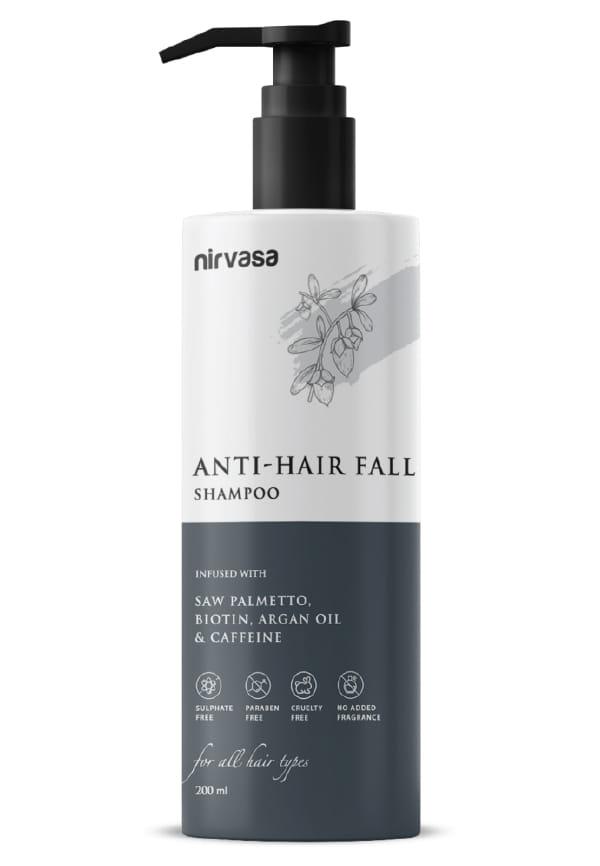
Anti-Hair Fall Shampoo for Men and Women
Good Quality, Small Quantity
 5
5“it was great nice and quality , but the quantity is low comparatively but okay... good for hairfall”
Hair fall can feel like a proper nightmare, especially when you're finding strands everywhere—your pillow, the shower drain, even your laptop keyboard. Let's be real, seeing your hair thin out or noticing more shedding than usual is genuinely stressful. The good news? Understanding how to get rid of hair fall isn't rocket science, and there are loads of proven ways to tackle it. From simple lifestyle tweaks to targeted treatments, we're diving into everything you need to know about hair loss prevention and getting your locks back to their healthiest state. Ready to stop hair shedding and feel confident about your hair again?
First things first—not all hair fall is created equal. Your hair naturally goes through a growth cycle, and losing around 50-100 strands daily is completely normal. But when you're dealing with excessive hair loss, that's when alarm bells should ring.
The hair growth cycle has three phases: anagen (growth), catagen (transition), and telogen (resting). When this cycle gets disrupted, you might notice more hair in your brush or clogging up the drain. Several culprits can mess with this natural process.
Nutritional deficiencies top the list. Your hair needs proper fuel—think iron, zinc, protein, and vitamins. Without these, your strands become weak and prone to falling out.
Hormonal imbalances are another major player. PCOS, thyroid issues, or even postpartum hormonal shifts can trigger significant hair shedding. Stress doesn't help either—chronic stress pushes more hair follicles into the resting phase.
Genetic predisposition plays a role too. If your family has a history of hair thinning, you might be more susceptible to androgenetic alopecia, the most common type of hair loss.
Before jumping into hair fall solutions, you need to figure out what type of hair loss you're dealing with. Different types require different approaches, so getting this right is crucial.
Androgenetic alopecia typically shows up as a receding hairline or crown thinning. Telogen effluvium causes diffuse thinning all over your scalp. Alopecia areata creates patchy bald spots, whilst traction alopecia results from tight hairstyles pulling on your hair.
Try the pull test: gently tug a small section of hair. If more than 2-3 strands come out, you might be dealing with excessive shedding.
Check your family history—genetics account for about 80% of hair loss cases. Notice if your hair loss follows a pattern or if it's happening all over your scalp.
If you're losing more than 100 strands daily for several weeks, or if you notice sudden bald patches, it's time to consult a dermatologist. They can perform proper tests and recommend targeted hair thinning treatment options.
Your hair is basically a reflection of your overall health, and what you eat plays a massive role in hair fall control. Think of nutrition as the foundation—without it, even the best topical treatments won't work their magic.
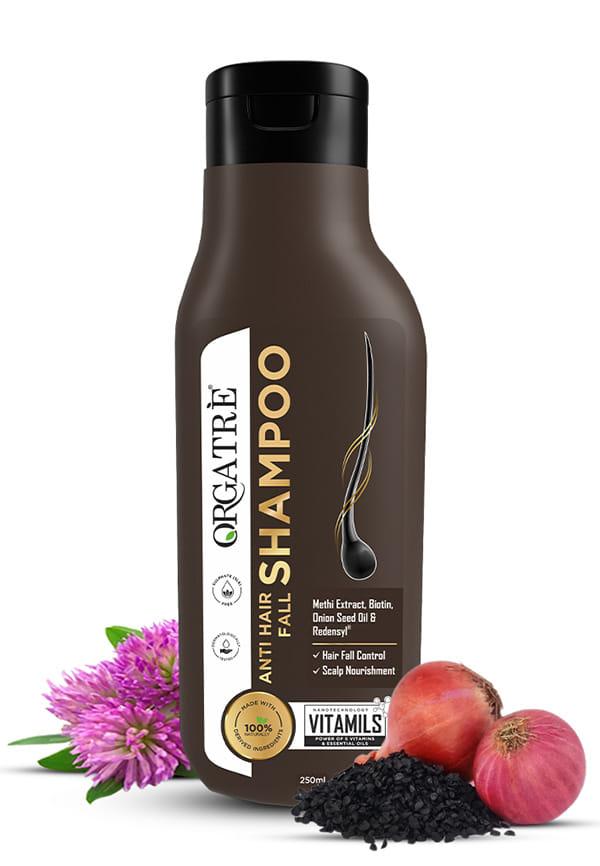
Anti hair Fall Shampoo
Amazing Shampoo
4“This is an amazing shampoo thus my hair soft and silky”
Great product at a discount
5“great product got at 50% off with lovely smell”
Effective Shampoo
5“shampoo bahut hi asardar hai दो-तीन wash Mein Pata Chal jata hai”
Protein is non-negotiable since hair is made of keratin, a protein structure. Load up on lean meats, fish, eggs, and plant-based options like lentils and quinoa.
Iron deficiency is linked to hair loss, especially in women. Include spinach, red meat, and pumpkin seeds in your diet.
Vitamin D helps create new hair follicles. Get some sun exposure or consider supplements if you're deficient.
Biotin and B vitamins support hair structure and growth. You'll find these in eggs, nuts, and leafy greens.
Start your day with a protein-rich breakfast—eggs with spinach or Greek yoghurt with berries work brilliantly. Include omega-3 rich foods like salmon, walnuts, and chia seeds to nourish your scalp.
Stay hydrated too. Dehydration affects your hair's elasticity and can make it more prone to breaking.
When it comes to reducing hair fall naturally, there are loads of tried-and-tested remedies that actually work. These hair fall remedies are gentle, affordable, and worth adding to your routine.
Scalp massage deserves serious credit for boosting circulation and encouraging hair regrowth. Spend 5-10 minutes daily massaging your scalp with your fingertips—no fancy tools needed.
Rosemary oil has been shown to be as effective as minoxidil in some studies. Mix a few drops with a carrier oil like coconut or jojoba before applying.
Peppermint oil increases blood flow to hair follicles. The tingling sensation means it's working, but always dilute it properly to avoid irritation.
Coconut oil penetrates the hair shaft better than most oils, reducing protein loss. Apply it as an overnight treatment once or twice a week.
Aloe vera soothes scalp inflammation and has enzymes that promote healthy hair growth. Use fresh gel directly from the plant for best results.
Green tea rinses are packed with antioxidants that can block DHT, a hormone linked to hair loss. Brew strong green tea, let it cool, and use it as a final rinse after shampooing.
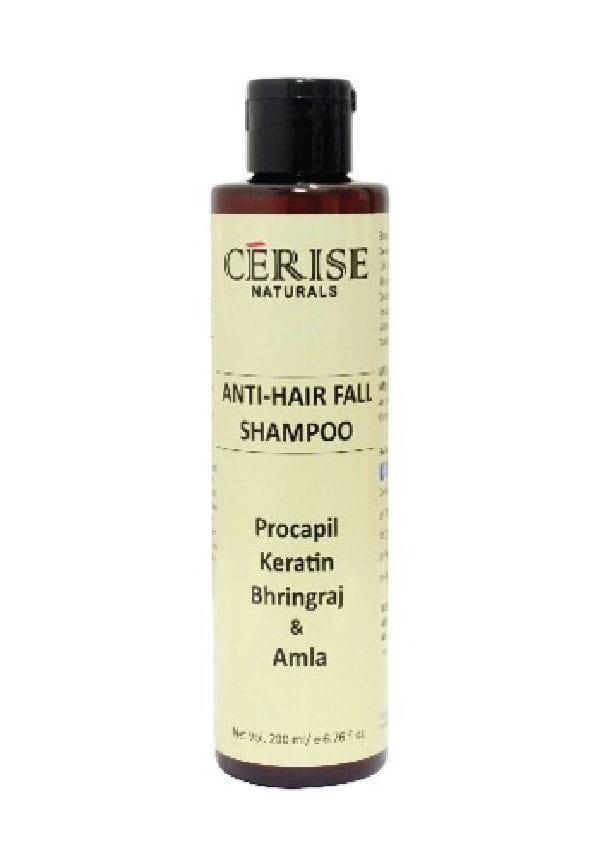
Anti Hair Fall Shampoo
Great Shampoo
4“really good outcome from this shampoo”
Sometimes natural remedies need backup, and that's where professional treatments come in. These options can be game-changers for managing hair fall when home remedies aren't cutting it.
Minoxidil remains the gold standard for over-the-counter hair loss treatment. It works by increasing blood flow to hair follicles and extending the growth phase. Results typically show up after 3-6 months of consistent use.
Low-level laser therapy stimulates cellular activity in hair follicles. It's non-invasive and can be done at home with FDA-approved devices.
Microneedling creates tiny wounds in the scalp, triggering the body's healing response and potentially boosting hair growth when combined with topical treatments.
PRP (Platelet-Rich Plasma) therapy uses your own blood to deliver growth factors directly to hair follicles. It's gained popularity for good reason—the results can be impressive.
If you've tried natural approaches for 3-6 months without seeing improvement, or if your hair loss is severe or sudden, don't hesitate to see a specialist. They can rule out underlying conditions and suggest targeted treatments.
Your daily habits have a huge impact on hair health, and making a few strategic changes can significantly help combat excessive hair loss. These lifestyle tweaks work alongside other treatments to give you the best shot at healthy hair.
Stress management isn't just good for your mental health—it's crucial for your hair too. Chronic stress pushes hair follicles into the resting phase prematurely, leading to increased shedding.
Gentle washing is key. Over-washing strips natural oils, whilst under-washing can clog follicles. Find your sweet spot—usually 2-3 times per week works for most people.
Heat styling can weaken hair structure over time. When you do use hot tools, always apply a heat protectant and keep temperatures below 180°C.
Tight hairstyles cause traction alopecia. Give your hair a break from tight ponytails, braids, or extensions, especially overnight.
Quality sleep affects hormone production, which directly impacts hair growth. Aim for 7-9 hours nightly and consider using a silk pillowcase to reduce friction.
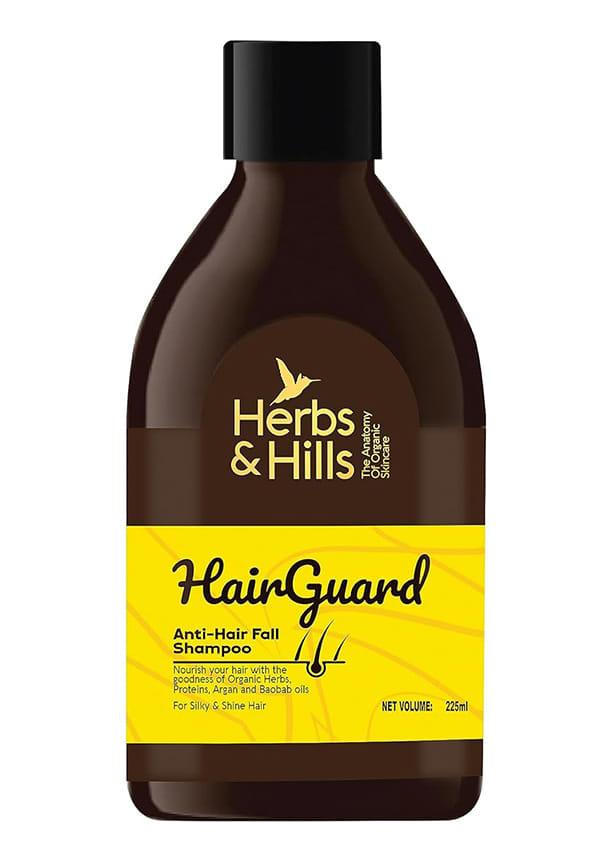
Hair Guard Anti-hair Fall Shampoo
Poor sleep increases cortisol levels, which can accelerate hair loss. Creating a consistent bedtime routine helps regulate these hormones naturally.
Dehydration affects your hair's flexibility and strength. Aim for at least 8 glasses of water daily, and you'll likely notice your hair feels stronger and looks shinier.
When exploring hair regrowth tips and treatments, platforms like Smytten make it easier to discover what works for your specific needs. With trial packs from trusted haircare brands, you can test different shampoos, serums, and treatments without committing to full-size products. This approach is particularly helpful when dealing with hair fall, as finding the right products often requires some experimentation.
Yes, losing 50-100 hairs daily is completely normal. Your hair naturally sheds as part of its growth cycle. However, if you're consistently losing more than 100 strands or notice sudden increases in shedding, it might indicate an underlying issue that needs attention.
It depends on the cause. Hair loss due to nutritional deficiencies, stress, or hormonal imbalances can often be reversed with proper treatment. However, genetic hair loss (androgenetic alopecia) is progressive and requires ongoing management rather than a permanent cure.
Most treatments take 3-6 months to show noticeable results. Hair growth is a slow process, and since hair grows about half an inch per month, patience is essential. Some people might see reduced shedding within 4-8 weeks of starting treatment.
Natural remedies can be quite effective, especially for mild hair loss or as preventive measures. However, severe or genetic hair loss often requires medical intervention for best results. Combining natural approaches with medical treatments usually yields the most comprehensive results.
Supplements can help if you have nutritional deficiencies that are contributing to hair loss. However, if your diet is already balanced, additional supplements might not provide extra benefits. It's best to get blood tests done to identify any deficiencies before starting supplements.
Getting rid of hair fall isn't about finding one magic solution—it's about understanding your specific situation and taking a comprehensive approach. Whether you're dealing with stress-related shedding, nutritional deficiencies, or genetic predisposition, there are effective strategies to help manage hair fall and promote healthier growth.
Start with the basics: proper nutrition, gentle hair care, and stress management. These form the foundation for any successful hair loss prevention strategy. Natural remedies like scalp massage and essential oils can complement these efforts beautifully.
Don't hesitate to seek professional help if home remedies aren't working after a few months. Sometimes underlying medical conditions need addressing, and treatments like minoxidil or PRP therapy can be genuinely transformative.
Remember, consistency is everything when it comes to hair health. Whether you're trying new products through trial packs or sticking to a hair care routine, give treatments time to work. Your hair—and your confidence—will thank you for the patience and care you invest in finding the right solutions.
