How to Get Rid of Flaky Scalp: Dry Itchy Scalp Remedies

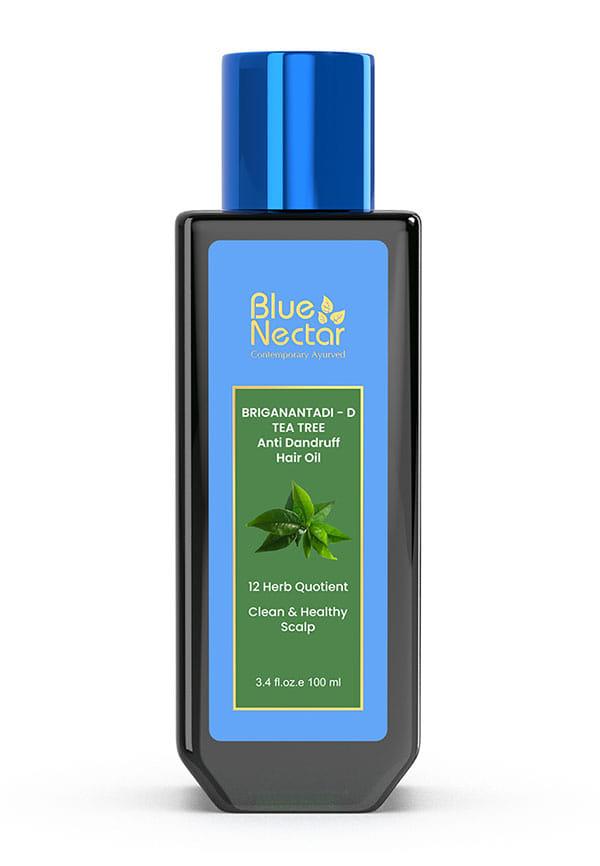
Tea Tree Anti Dandruff and Healthy Scalp Oil 12 Herbs
Dealing with a flaky scalp can feel like an endless battle, especially when those white specks keep showing up on your favourite dark tops. Whether you're dealing with dry patches, stubborn dandruff, or that annoying itch that just won't quit, you're definitely not alone in this struggle. The good news? There are proven dry itchy scalp remedies that actually work, and we're about to dive into everything you need to know about how to get rid of flaky scalp for good. From understanding what's really causing those flakes to discovering the most effective treatments—both natural and medicated—this guide has your back. Plus, with platforms like Smytten offering trial-sized haircare products, you can test different solutions without committing to full-size bottles that might not work for your specific scalp needs.
TL;DR
Flaky scalp can be caused by dryness, dandruff, or seborrheic dermatitis—each requiring different treatment approaches
Medicated shampoos with zinc pyrithione or salicylic acid provide quick relief for most scalp conditions
Natural remedies like tea tree oil and apple cider vinegar can effectively treat mild to moderate flakiness
Proper scalp exfoliation and consistent care routines prevent future flare-ups
Severe or persistent symptoms may require dermatologist consultation for targeted treatment
Before jumping into treatments, let's get real about what's actually happening up there. Your flaky scalp isn't just being dramatic—there are legitimate reasons behind those annoying white specks, and identifying the cause is half the battle won.
Here's where things get interesting—dry scalp and dandruff might look similar, but they're completely different beasts. Dry scalp produces small, white flakes that feel tight and itchy, usually caused by lack of moisture or harsh weather. Dandruff, on the other hand, creates larger, oily yellowish flakes and is typically caused by an overgrowth of yeast called Malassezia.
This is the more intense cousin of regular dandruff. Seborrheic dermatitis scalp shows up as red, inflamed patches with thick, greasy scales. It's not just about flakes anymore—your scalp might feel sore, look irritated, and the flaking can be pretty stubborn.
Your scalp doesn't just decide to be flaky overnight. Environmental factors like cold weather and low humidity can strip moisture from your scalp. Over-washing with harsh shampoos, stress, hormonal changes, and even that buildup from styling products can all contribute to the problem.
When your scalp is driving you absolutely mad with itching and flaking, you need solutions that work right now. These immediate relief methods won't cure the underlying issue, but they'll give you some much-needed peace while you work on longer-term solutions.
Start with a cool water rinse—hot water will only make the irritation worse. Gently massage your scalp with your fingertips (not nails!) to improve circulation without causing damage. Apply a small amount of pure aloe vera gel directly to the most irritated areas for instant cooling relief.
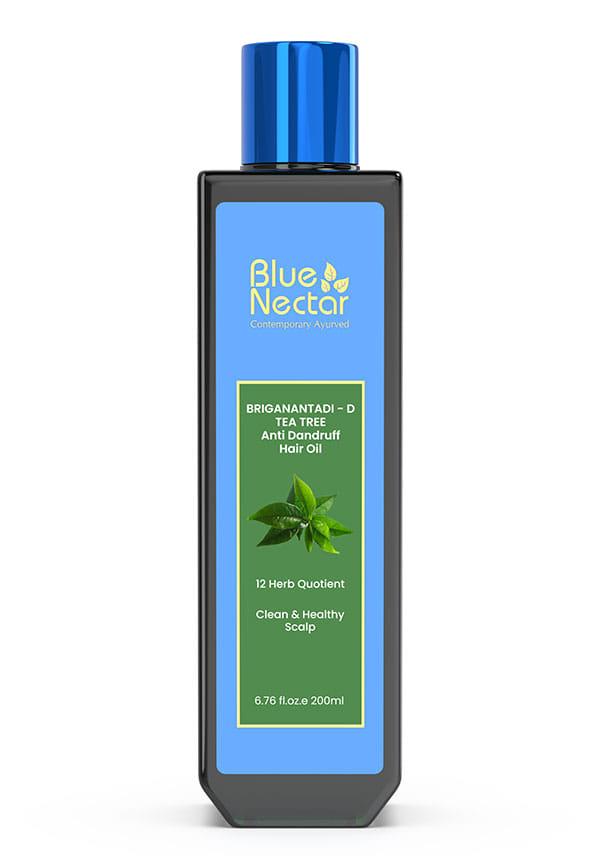
Tea Tree Anti Dandruff and Healthy Scalp Oil 12 Herbs
If you're dealing with visible flakes right before an important meeting, gentle scalp exfoliation with a soft-bristled brush can help remove loose flakes. Just remember—this is temporary relief, not a cure. Avoid the temptation to scratch or pick at your scalp, as this can lead to further irritation and even infection.
Let's talk about the heavy hitters—medicated shampoos that are specifically formulated to tackle different types of scalp issues. These aren't your regular shampoos, and knowing how to use them properly makes all the difference in your results.
Zinc pyrithione is your go-to for mild to moderate dandruff—it's antifungal and antibacterial, making it perfect for most common scalp issues. Selenium sulfide works brilliantly for stubborn flakes and helps slow down skin cell turnover. For more severe cases, ketoconazole brings serious antifungal power to the table. Salicylic acid offers gentle scalp exfoliation, helping to remove buildup and dead skin cells.
Here's where most people go wrong—they don't give the active ingredients enough time to work. Use the double-lather technique: first wash removes surface dirt and oil, second wash lets the medication penetrate. Leave the second lather on for at least 5 minutes before rinsing. Start with 2-3 times per week, then adjust based on your scalp's response.
Sometimes the best solutions are sitting right in your kitchen or bathroom cabinet. These home remedies for flaky scalp can be incredibly effective, especially for mild to moderate cases, and they're gentle enough for regular use.
Coconut oil is a total game-changer—it's deeply moisturising and has natural antimicrobial properties that help fight the yeast that causes dandruff. Tea tree oil brings serious anti-inflammatory and antifungal benefits, but always dilute it with a carrier oil first. Jojoba oil is technically a wax that closely mimics your scalp's natural sebum, making it perfect for balancing oil production.
An apple cider vinegar rinse helps balance your scalp's pH and removes product buildup—mix one part ACV with two parts water and use as a final rinse. Aloe vera gel straight from the plant provides cooling relief and helps heal irritated skin. A gentle baking soda scrub can help with scalp buildup removal, but use it sparingly as it can be drying.
Scalp exfoliation is like giving your scalp a fresh start—removing dead skin cells, product buildup, and creating the perfect environment for healthy hair growth. But there's definitely a right and wrong way to go about it.
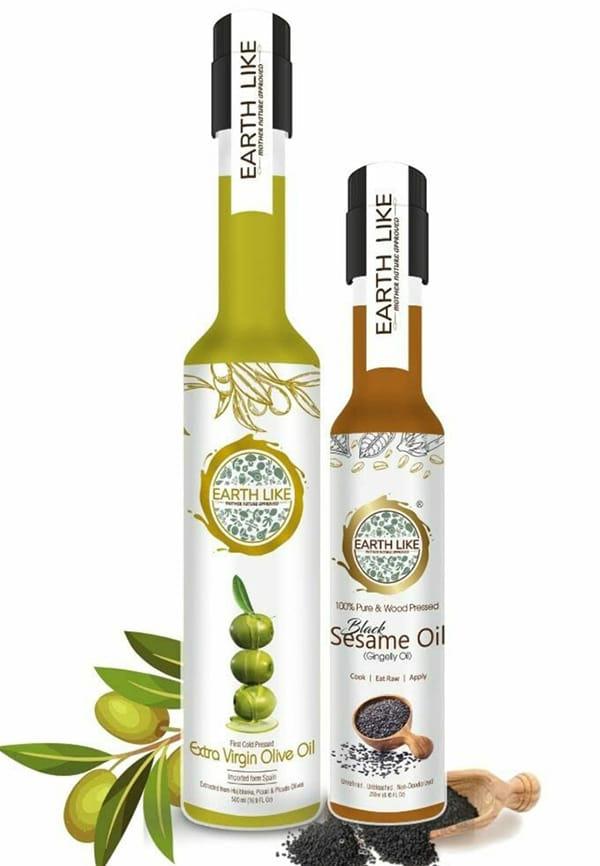
Olive Oil & Cold Pressed Black Sesame Oil Combo for Hair, Skin & Massage
Good Product, Best from Smytten
 5
5“good one.... best product from smytten application”
Good Product, Best from Smytten
5“good one.... best product from smytten application”
Proper scalp brushing with a soft-bristled brush can work wonders when done correctly. Use gentle, circular motions and never brush a wet scalp. DIY sugar or salt scrubs mixed with a carrier oil can provide deeper exfoliation—just remember to be gentle and avoid over-scrubbing.
Chemical exfoliants like AHA and BHA can be gentler than physical scrubs while being incredibly effective. Look for scalp-specific products with salicylic acid or glycolic acid. Always patch test first and start with lower concentrations to see how your scalp responds.
When you're dealing with an oily flaky scalp, the approach needs to be different. This condition often involves excess oil production combined with flaking, creating a particularly frustrating combination that requires targeted treatment.
Clarifying shampoos can help remove excess oil and buildup, but use them strategically—once or twice a week maximum. Clay-based scalp masks can absorb excess oil while providing gentle exfoliation. Look for ingredients like zinc, which helps regulate oil production without stripping your scalp completely.
This condition often requires stronger treatments and consistent management. Anti-inflammatory ingredients like niacinamide can help calm irritated skin. If over-the-counter treatments aren't cutting it after 4-6 weeks, it's time to chat with a dermatologist about prescription options.
The best flaky scalp treatment is preventing it from happening in the first place. Building good scalp care habits now will save you from dealing with major flare-ups later.
Find your optimal washing frequency—this varies hugely from person to person. Some people need daily washes, others do better with 2-3 times per week. Water temperature matters more than you think—lukewarm is ideal, hot water strips natural oils. Read ingredient lists and avoid harsh sulfates if your scalp is sensitive.
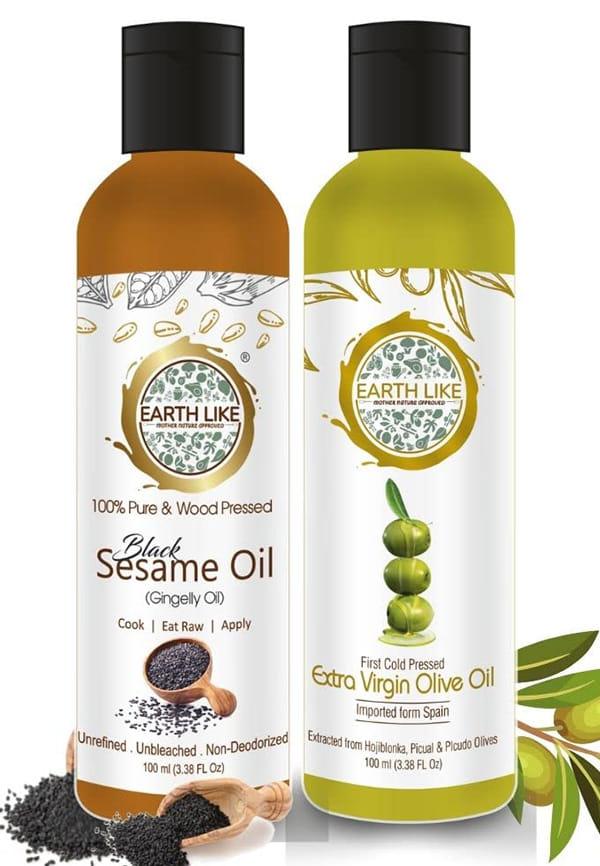
Olive Oil & Cold Pressed Black Sesame Oil Combo for Hair, Skin & Massage
Great Olive Oil for Body
4“The olive oil 🫒 is great for body”
Excellent Baby Massage Oil
5“Good for massage i am using it for my baby ”
Excellent Product and Delivery
5“nice packaging.. delivered early than expected.. useful for travelling... overall nice quality...”
Hydration affects your scalp just like the rest of your skin—aim for adequate water intake daily. Stress management isn't just good for your mental health; chronic stress can trigger scalp issues. Quality sleep helps your body repair and regenerate skin cells, including those on your scalp.
Most people start seeing improvement within 2-4 weeks of consistent treatment. Natural remedies might take a bit longer, while medicated shampoos often show results sooner. The key is consistency—don't give up after just a few days.
It's generally best to introduce one new treatment at a time so you can identify what's working. However, you can often combine gentle natural remedies with medicated shampoos. Just avoid over-treating, which can irritate your scalp further.
The basic science is the same regardless of gender—flaky scalp causes and treatments don't discriminate. However, some products are formulated with different fragrances or textures that might appeal to different preferences. Focus on the active ingredients rather than the marketing.
If you've tried over-the-counter treatments consistently for 6-8 weeks without improvement, it's time for professional help. Also see a dermatologist if you have severe itching, pain, hair loss, or signs of infection like pus or excessive redness.
Absolutely! Since scalp conditions vary so much from person to person, being able to try different formulations in trial sizes can save you from investing in full-size products that might not work for your specific needs. It's a smart way to test what works before committing.
Getting rid of a flaky scalp isn't about finding one magic solution—it's about understanding your specific condition and choosing the right combination of treatments. Whether you're dealing with simple dryness, stubborn dandruff, or more complex seborrheic dermatitis, there are effective solutions available. Start with identifying your scalp type and the likely cause of your flaking. For mild cases, natural remedies like tea tree oil or apple cider vinegar rinses can work brilliantly. More persistent issues often respond well to medicated shampoos with proven active ingredients. Remember that consistency is key—most treatments need 4-6 weeks to show their full effects. Don't forget about prevention through proper scalp care routines and lifestyle factors that support overall scalp health.
Finding the right scalp treatment can feel like a journey, but you don't have to navigate it alone or waste money on products that don't work for you. Smytten is India's largest product discovery and trial platform, connecting consumers with top lifestyle, beauty, wellness, and grooming brands. With curated trial packs from over 2,400 trusted brands including Cetaphil, Dot & Key, WishCare, and many others, you can explore different scalp treatments before committing to full-size purchases. Each mini is linked with Trial Points, and you can get up to 10 Trial Points for just ₹279, plus enjoy 100% cashback on trial purchases. This makes finding your perfect scalp care routine both affordable and risk-free. With over 28 million users and 90% pin code coverage across India, Smytten helps you make smarter, more confident choices about your haircare. After all, why settle for 'maybe' when you can #TryItAll!
