How to Get Rid of Dandruff: Effective Scalp Care Tips
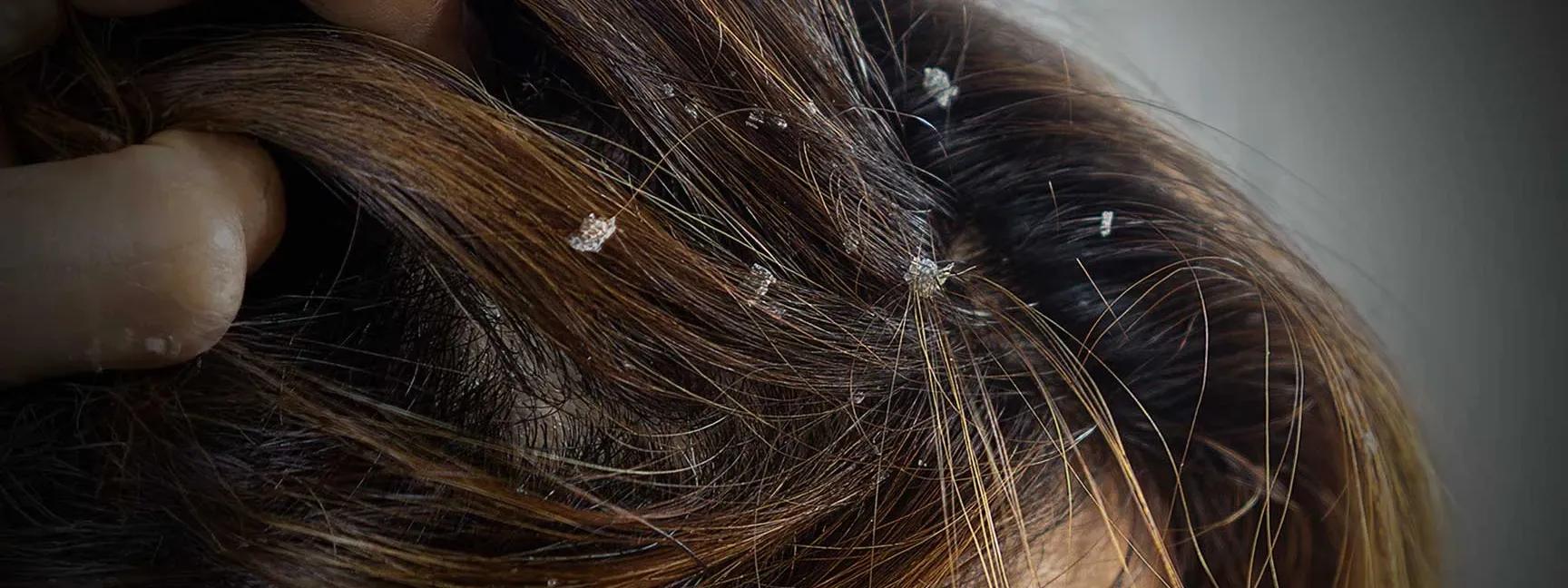

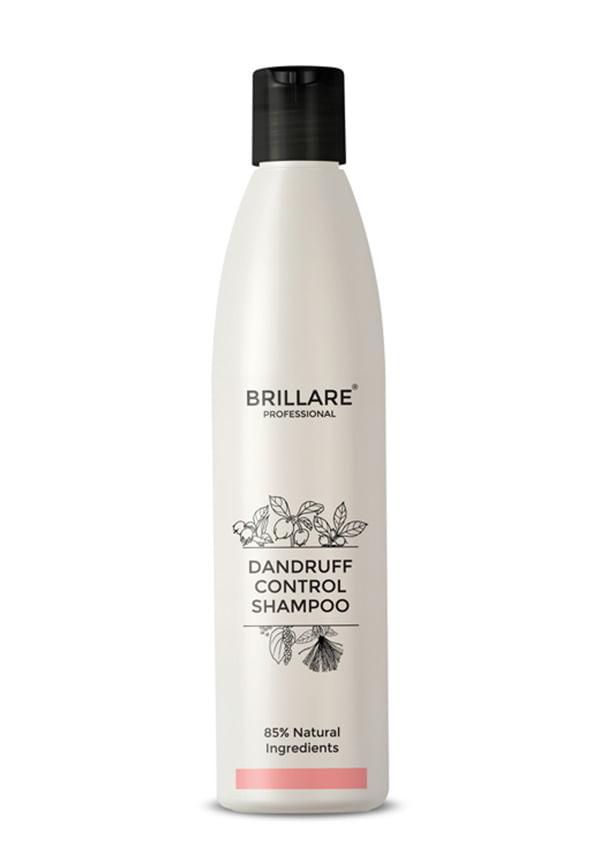
Dandruff Control Shampoo For Itchy, Flaky Scalp
You know that moment when you're getting ready for something important, and you catch a glimpse of your shoulders in the mirror? Those tiny white flakes scattered across your favourite black top like unwanted confetti. Real talk — dandruff is one of those things that can knock your confidence sideways, even though it's incredibly common. The good news? Getting rid of those pesky flakes isn't as complicated as you might think, and there are loads of effective ways to tackle the issue head-on.
Before diving into solutions, let's get real about what's happening up there on your scalp. Dandruff isn't just about having a dry scalp — that's actually a common misconception. The main culprit is usually a fungus called Malassezia that naturally lives on everyone's scalp. When this little troublemaker decides to multiply faster than usual, it feeds on the oils your scalp produces and creates irritation that leads to those flaky bits.
Seborrheic dermatitis is another major player in the dandruff game. This condition causes red, scaly patches and can make your scalp feel itchy and inflamed. Unlike simple dryness, seborrheic dermatitis involves actual inflammation and often requires more targeted dandruff treatment approaches.
Environmental factors can also mess with your scalp's balance. Things like harsh weather, using too many styling products, or even stress can trigger flare-ups. Hormonal changes, particularly during puberty or times of high stress, can also ramp up oil production and create the perfect environment for dandruff-causing fungi to thrive.
When it comes to tackling dandruff head-on, medicated shampoos are often your best first move. These aren't your regular cleansing shampoos — they're formulated with specific active ingredients designed to target the root causes of flaking and irritation.
Ketoconazole is probably the heavyweight champion of anti-dandruff ingredients. This antifungal powerhouse directly targets the Malassezia fungus and can provide serious relief for stubborn cases. You'll find it in stronger concentrations in prescription formulas, but there are also over-the-counter options available.
Zinc pyrithione is another solid choice that works by slowing down the production of skin cells on your scalp whilst also fighting bacteria and fungi. It's gentler than some other options, making it perfect for regular use without causing excessive dryness.
Selenium sulfide tackles dandruff from multiple angles — it reduces the fungus population and slows down cell turnover on your scalp. Coal tar might sound a bit intense, but it's incredibly effective at reducing inflammation and slowing down the rapid skin cell production that leads to flaking.
Here's where most people go wrong — they treat medicated shampoo like regular shampoo. For maximum effectiveness, you need to let the active ingredients do their work. Massage the shampoo into your scalp, then leave it on for about five to ten minutes before rinsing. This gives the ingredients time to penetrate and start tackling the problem.
Start by using your chosen anti-dandruff shampoo two to three times a week, then adjust based on how your scalp responds. Some people find they need it more frequently initially, then can scale back to maintenance mode once things improve.
If you prefer taking a more natural approach, there are several home remedies that can provide genuine relief for mild to moderate dandruff. These natural dandruff cures work best when used consistently and can be particularly effective for those dealing with dry scalp solutions alongside flaking.
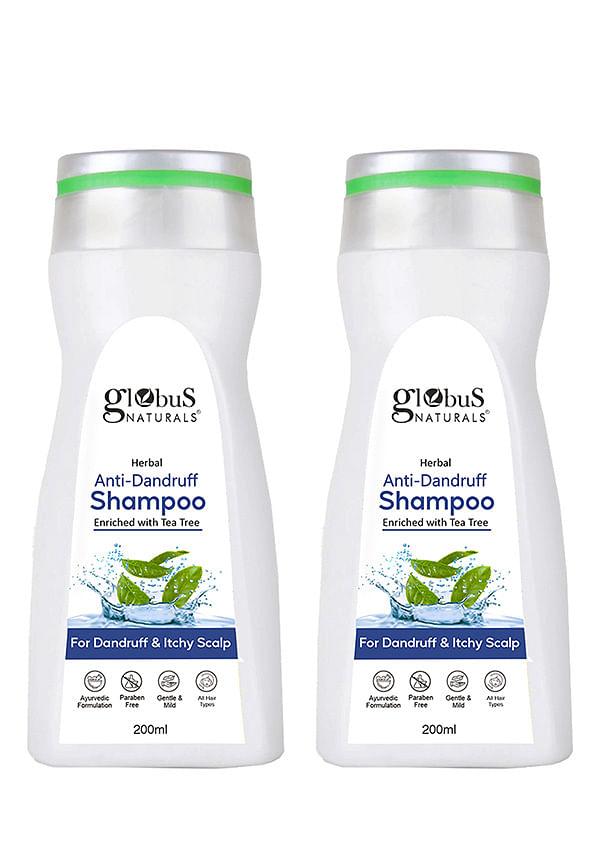
Anti Dandruff Shampoo, For Dandruff and Itchy Scalp
Tea tree oil has natural antifungal properties that can help control the Malassezia fungus. Mix a few drops with a carrier oil like coconut oil and massage into your scalp before shampooing. Just remember to always dilute it — pure tea tree oil can be too harsh for direct scalp application.
Apple cider vinegar works by restoring your scalp's natural pH balance, creating an environment that's less friendly to dandruff-causing fungi. Mix equal parts water and ACV, apply to your scalp after shampooing, leave for a few minutes, then rinse thoroughly.
Coconut oil isn't just trendy — it genuinely has antimicrobial properties that can help with dandruff whilst moisturising your scalp. Warm a small amount and massage it into your scalp before bed, then shampoo it out in the morning. This works particularly well for those dealing with both dandruff and dryness.
Aloe vera gel can provide immediate relief for itchy, inflamed scalps. Apply pure aloe vera gel directly to your scalp, leave for about 30 minutes, then rinse with lukewarm water. It's incredibly soothing and can help calm irritation whilst you're working on the underlying dandruff issue.
Baking soda acts as a gentle exfoliant that can help remove buildup and dead skin cells. Mix a tablespoon with water to create a paste, massage into wet hair, then rinse thoroughly. Use this sparingly — once a week maximum — as it can be drying if overused.
Lemon juice contains natural acids that can help balance your scalp's pH and has antifungal properties. Apply fresh lemon juice to your scalp, leave for five minutes, then rinse and shampoo as usual. Be careful if you have any cuts or irritation, as the acid can sting.
Preventing dandruff is often easier than treating it once it's established. Your daily routine plays a huge role in maintaining a healthy scalp environment that's less prone to flaking and irritation.
Water temperature matters more than you might think. Hot water can strip your scalp of natural oils, leading to overproduction of sebum and potential irritation. Stick to lukewarm water for washing and cool water for your final rinse to help seal the hair cuticles.
When brushing your hair, use gentle strokes and avoid aggressive scrubbing of your scalp. A good brush can help distribute natural oils from your scalp down the hair shaft, but overdoing it can cause irritation and inflammation.
Product buildup is a real issue for many people. Styling products, dry shampoos, and even some conditioners can accumulate on your scalp and create an environment where dandruff-causing fungi thrive. Make sure you're thoroughly cleansing your scalp regularly and consider using a clarifying shampoo once a week.
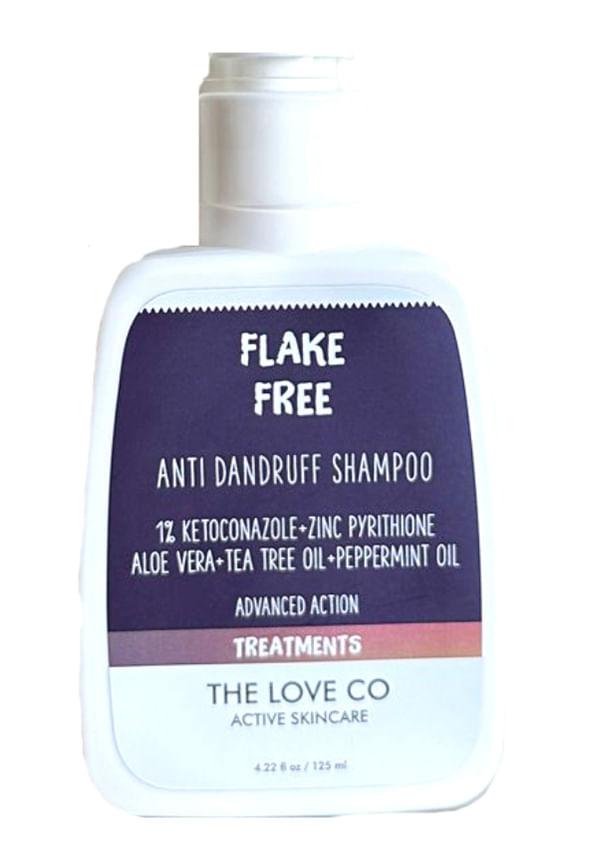
Anti Dandruff Shampoo - Flake Free - 125ml
Stress is a major trigger for dandruff flare-ups. When you're stressed, your body produces more hormones that can increase oil production and inflammation. Finding healthy ways to manage stress — whether that's exercise, meditation, or just taking time for yourself — can genuinely help with scalp health.
Your diet also plays a role in scalp health. Foods rich in zinc, B vitamins, and omega-3 fatty acids can support healthy skin and scalp function. On the flip side, excessive sugar and processed foods might contribute to inflammation throughout your body, including your scalp.
Sometimes you need fast-acting solutions, especially when dealing with severe flaking or an important event coming up. These intensive treatments can provide more immediate relief whilst you work on long-term scalp care strategies.
For immediate relief from intense itching and flaking, try a cool compress with diluted tea tree oil. Mix a few drops of tea tree oil with cool water, soak a clean cloth, and apply to your scalp for 10-15 minutes. This can provide quick relief from inflammation and itching.
A paste made from oatmeal and water can also provide immediate soothing relief. Oatmeal has natural anti-inflammatory properties and can help calm irritated skin. Apply the paste to your scalp, leave for 15-20 minutes, then rinse thoroughly.
For stubborn dandruff that doesn't respond to regular shampooing, consider doing a weekly deep treatment. Mix equal parts baking soda and your regular shampoo to create a more intensive cleansing treatment that can help remove buildup and dead skin cells.
Overnight oil treatments can be incredibly effective for severe cases. Combine coconut oil with a few drops of tea tree oil, massage into your scalp before bed, and shampoo out in the morning. This gives the treatment maximum time to work whilst you sleep.
While most dandruff cases can be managed with over-the-counter treatments and home remedies, there are times when professional intervention is necessary. Recognising when to escalate your treatment approach can save you time and prevent the condition from worsening.
If your scalp becomes severely inflamed, develops thick, crusty patches, or if you notice hair loss alongside the flaking, it's time to see a dermatologist. These symptoms might indicate a more serious condition like severe seborrheic dermatitis or even psoriasis.
Dandruff that spreads beyond your scalp to your face, ears, or chest area also warrants professional evaluation. This spreading pattern often indicates seborrheic dermatitis rather than simple dandruff and typically requires prescription treatments.
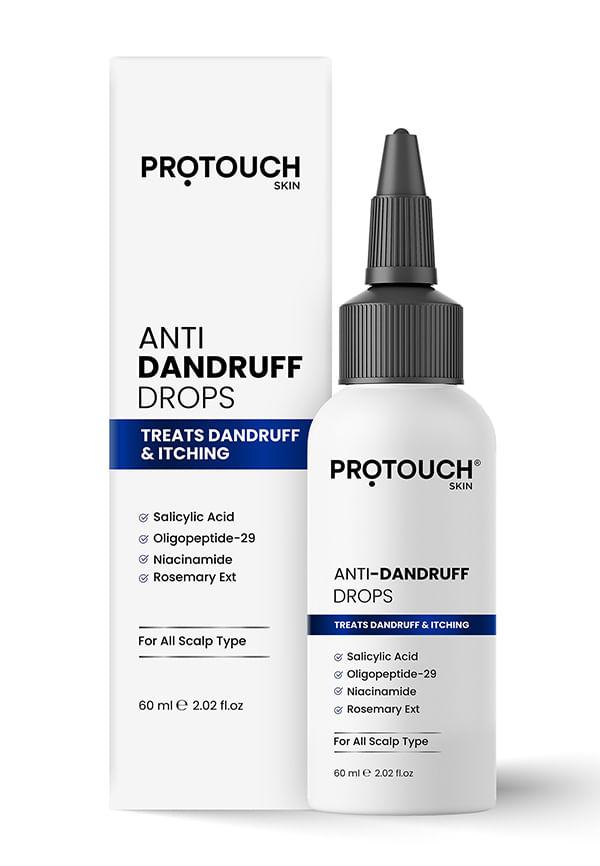
SKIN Anti Dandruff Drops Serum Soothes Itchy, Inflamed Scalp
Dermatologists can prescribe stronger medicated shampoos with higher concentrations of active ingredients than what's available over the counter. They might also recommend topical steroids for severe inflammation or antifungal medications for persistent cases.
Professional treatments might include combination therapies that address multiple aspects of the condition simultaneously. Your dermatologist can also help identify any underlying conditions or triggers that might be contributing to your dandruff issues.
Most people start seeing improvement within 2-4 weeks of consistent treatment with anti-dandruff shampoo or natural remedies. However, severe cases might take 6-8 weeks to fully resolve. The key is consistency — sporadic treatment won't give you the results you're looking for.
Dandruff can be effectively controlled long-term, but it's often a recurring condition rather than something that's permanently "cured." Many people find they need ongoing maintenance with appropriate products and scalp care routines to keep flaking at bay.
No, dandruff isn't contagious. While the Malassezia fungus that contributes to dandruff is naturally present on everyone's scalp, dandruff itself can't be passed from person to person through sharing brushes, hats, or other personal items.
Cold weather and indoor heating can dry out your scalp, leading to increased flaking. Additionally, wearing hats and scarves more frequently can trap moisture and create an environment where dandruff-causing fungi thrive. Adjusting your scalp care routine seasonally can help manage these fluctuations.
Yes, stress can definitely trigger or worsen dandruff. When you're stressed, your body produces hormones that can increase oil production and inflammation on your scalp. Managing stress through exercise, adequate sleep, and relaxation techniques can genuinely help with scalp health.
Getting rid of dandruff isn't about finding one magic solution — it's about understanding what's causing your specific scalp issues and choosing the right combination of treatments. Whether you opt for medicated shampoos, natural remedies, or a combination of both, consistency is absolutely crucial for seeing real results.
Remember that what works for your friend might not work for you, and that's completely normal. Your scalp is unique, and finding your perfect routine might take some experimentation. Start with gentler approaches and gradually work up to stronger treatments if needed.
The most important thing is not to get discouraged if you don't see immediate results. Scalp health improvements take time, and maintaining those improvements requires ongoing care. With the right approach and a bit of patience, you can definitely get your dandruff under control and feel confident in your own skin again. Not sure which anti-dandruff products might work best for your specific scalp concerns? Smytten offers trial-size versions of many effective dandruff treatments — a smart way to test different formulations before committing to full-size bottles.
