How to Get Natural Black Hair Color at Home: A Simple Guide
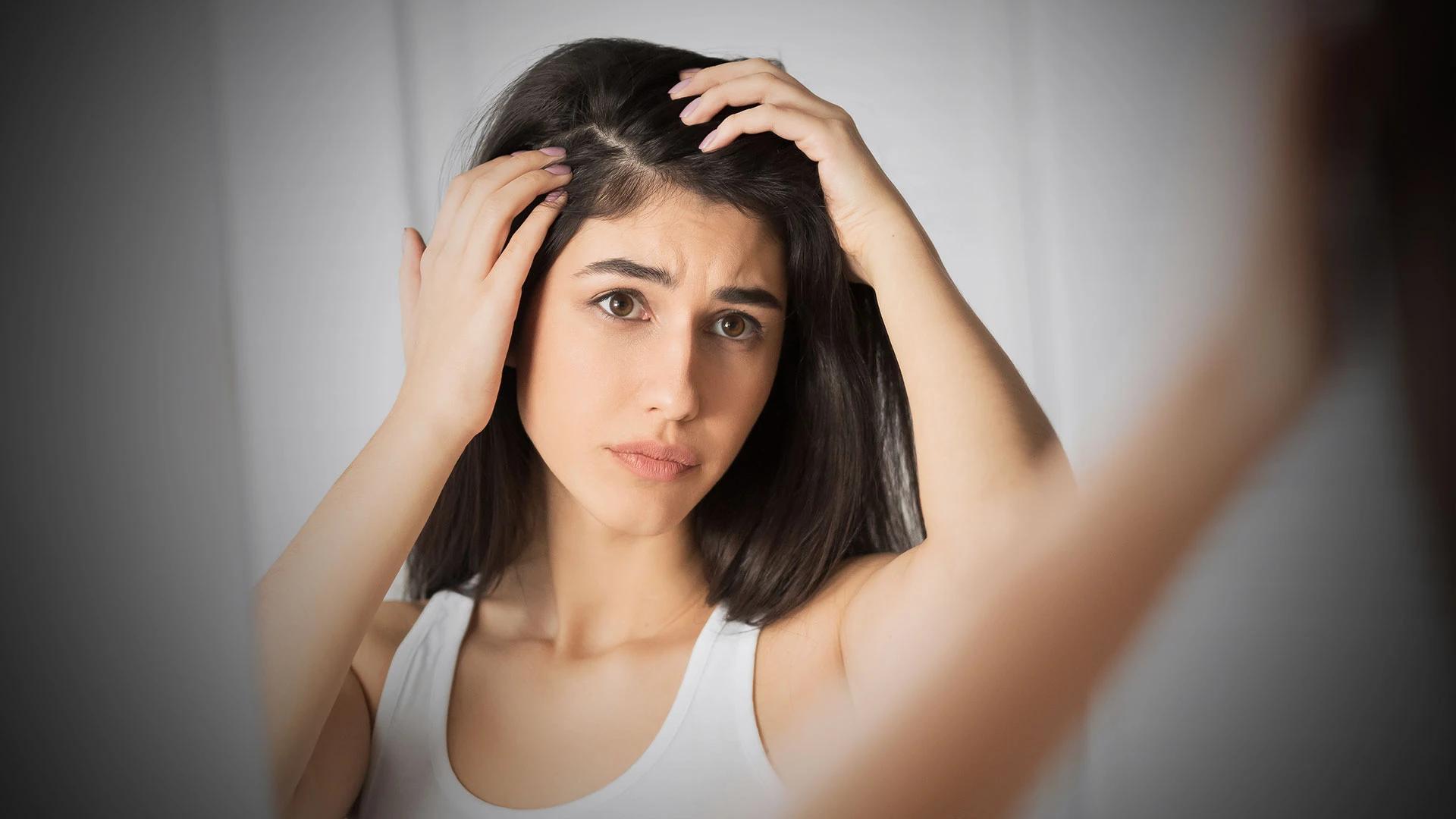

Ever stared at your reflection and thought, "My hair needs a complete reset"? You're not alone. Whether you're dealing with stubborn greys, faded colour, or just craving that rich, glossy black that screams healthy hair, the idea of achieving natural-looking black hair colour at home can feel both exciting and terrifying. The good news? You don't need a salon appointment or harsh chemicals to get that perfect shade. With the right techniques and a bit of patience, your kitchen might just become your new favourite hair studio.
Let's be real—not all black hair dyes are created equal. When you're going for natural-looking black hair colour at home, you've got two main paths: chemical-based dyes and natural alternatives. Each has its place, but understanding the difference can save you from a hair disaster.
Chemical dyes work fast and give you that instant gratification we all crave. They penetrate the hair shaft quickly, delivering consistent results in one go. But here's the catch—they can be harsh on your scalp and hair, especially if you're dealing with sensitivity issues. Natural alternatives, on the other hand, work more gradually but are gentler on your hair and scalp. Think of it as the difference between a quick sprint and a steady marathon.
Henna powder is your best mate for permanent natural colour. When mixed with indigo, it creates a deep, rich black that can last for months. Black tea and coffee offer temporary darkening effects—perfect for those "just testing the waters" moments. Amla oil combined with curry leaves provides gradual darkening over time, whilst black walnut hulls deliver serious pigmentation power.
Ready to dive into some tried-and-tested methods? These aren't just random internet hacks—they're techniques that actually deliver results when done properly.
This is the gold standard for natural black hair dye at home. Mix 100g henna powder with warm water to create a yoghurt-like paste. Let it sit for 4-6 hours. Apply this to clean, damp hair, section by section. After 2-3 hours, rinse thoroughly and immediately apply indigo paste (mixed fresh with warm water). Leave the indigo on for 1-2 hours, then rinse with cool water. The result? Deep, natural-looking black that can last 4-6 weeks.
Brew 2 cups of strong black coffee and 2 cups of black tea. Let them cool, then mix together. Apply to clean, damp hair and leave for 20 minutes. This method works brilliantly for subtle darkening and adding shine. It's particularly effective for covering light greys and adding depth to already dark hair.

Salon Secret High Shine Crème Hair Colour - Natural Black - Pack of 2
Boil fresh curry leaves in coconut oil until they turn black. Strain and mix with amla powder to create a paste. Apply to hair and scalp, massaging gently. Leave for 45 minutes before washing with a mild shampoo. This method gradually darkens hair over multiple applications whilst nourishing the scalp.
Getting even coverage at home isn't rocket science, but it does require some strategy. Start with clean, slightly damp hair—this helps the colour distribute more evenly. Always do a strand test 48 hours before full application. Trust me, your future self will thank you for this extra step.
Section your hair into four quadrants, then work in smaller 1-inch sections within each quadrant. Apply colour from roots to tips, ensuring every strand is saturated. Use a wide-tooth comb to distribute the product evenly. The key is patience—rushing this step is where most people go wrong.
Start at the back of your head where hair is typically thickest and takes longest to process. Work your way forward, saving the hairline for last since it processes faster. Keep a damp cloth nearby to wipe away any drips immediately—black dye stains are no joke.
Natural dyes need time to work their magic. Don't peek too early—let the process happen. When it's time to rinse, use cool water first to seal the colour, then gradually increase temperature. Skip the shampoo for the first rinse; just use conditioner to help remove excess dye whilst keeping the colour locked in.
Your colour journey doesn't end when you rinse out the dye. The first 48 hours are crucial for colour longevity. Avoid washing your hair during this period—I know it feels weird, but your hair needs time to fully absorb and lock in the colour.
When it comes to long-term maintenance, think of your coloured hair as a delicate fabric that needs special care. Use sulphate-free shampoos, limit heat styling, and always apply a heat protectant when you do use hot tools. Weekly deep conditioning treatments aren't just nice-to-have—they're essential for keeping your colour vibrant and your hair healthy.
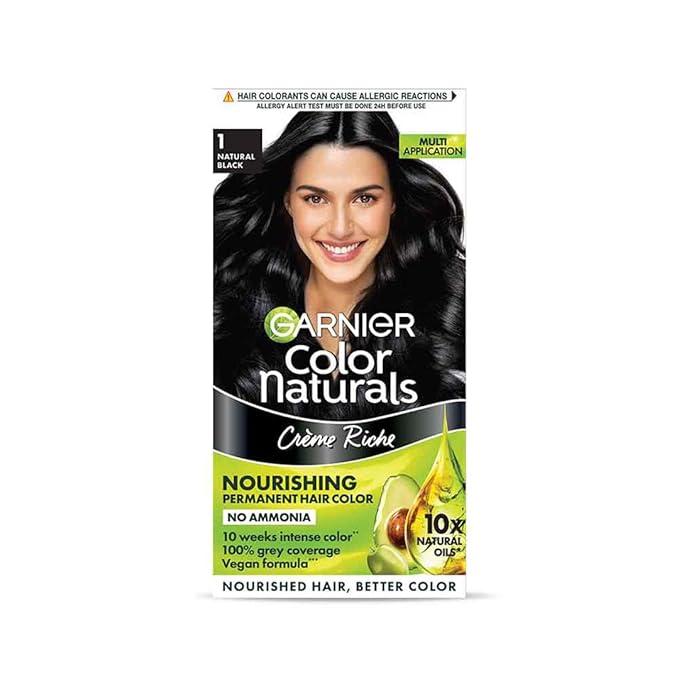
For those seeking reliable results with professional-quality products, the Garnier Color Naturals Crème Hair Color Shade 1 Natural Black offers excellent coverage and long-lasting colour. Its ammonia-free formula is gentler on hair whilst delivering rich, natural-looking black colour that complements the DIY methods mentioned above, especially when you want consistent results without the guesswork.
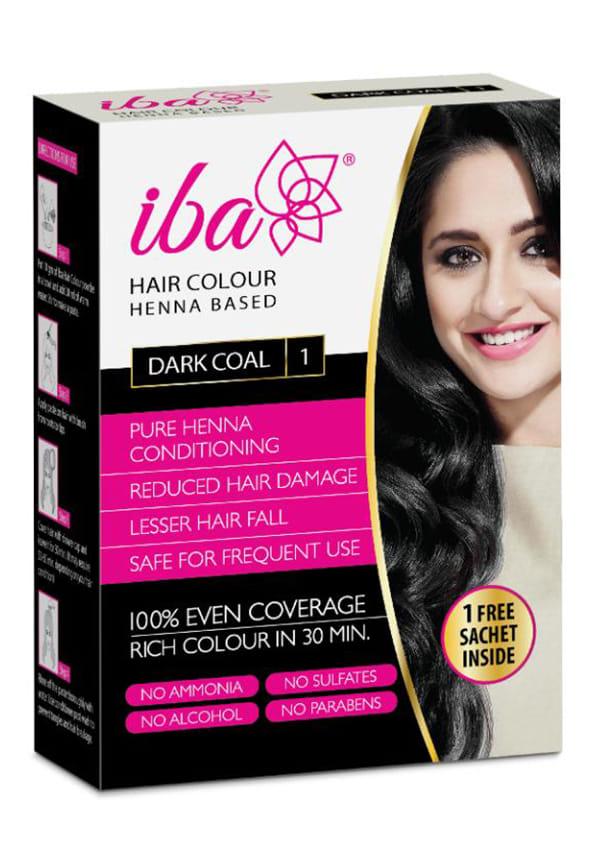
Halal Care Hair Colour
Over-washing is the biggest culprit for premature colour fade. Aim for 2-3 washes per week maximum. Hot water is another colour killer—stick to lukewarm temperatures. And please, resist the urge to experiment with other chemical treatments immediately after colouring. Your hair needs recovery time.
Sometimes things don't go according to plan, and that's okay. Uneven colour usually happens when sections aren't saturated properly or processing times vary across your head. If you notice patchy areas, you can spot-treat them with the same mixture, focusing on the lighter sections.
Allergic reactions, whilst rare with natural ingredients, can still happen. Always patch test behind your ear 48 hours before full application. If you experience any irritation, rinse immediately with cool water and discontinue use.
Hair porosity plays a huge role in colour uptake. If your hair is very porous (from previous chemical treatments or heat damage), it might grab colour too quickly but also release it faster. Pre-treating with a protein mask can help balance porosity. For resistant hair, you might need longer processing times or multiple applications.
Let's talk numbers. Natural DIY black hair colour methods typically cost between ₹200-500 per application, depending on ingredients. Store-bought permanent black hair dye ranges from ₹150-800. However, natural methods often require multiple applications for full coverage, which can add up.
Results-wise, chemical dyes give you immediate, intense colour that lasts 6-8 weeks. Natural methods provide more subtle, gradual results that might last 3-4 weeks but are much gentler on your hair and scalp. It's really about what you prioritise—speed and intensity versus gentleness and hair health.
Natural doesn't always mean risk-free, but it significantly reduces your exposure to harsh chemicals like ammonia and parabens. Your scalp will thank you, especially if you colour regularly. Plus, you're doing your bit for the environment by avoiding chemical runoff.

Henna Natural - Black
Natural black hair dye typically lasts 3-4 weeks, whilst chemical dyes can last 6-8 weeks. However, natural dyes fade more gradually and gracefully, often leaving your hair in better condition. The longevity also depends on your hair type, porosity, and maintenance routine.
Yes, natural ingredients are generally gentler on sensitive scalps. However, always do a patch test first. Henna, amla, and coffee-based dyes are usually well-tolerated, but individual reactions can vary. If you have severe sensitivities, consult a dermatologist before trying any new hair treatments.
Natural dyes can cover grey hair, but it often requires multiple applications for complete coverage. Henna and indigo combinations work best for stubborn greys. The process is more gradual than chemical dyes, so patience is key. You might need 2-3 applications spaced a week apart for full grey coverage.
You can safely use natural hair dyes every 3-4 weeks. Some gentle methods like coffee rinses can be used weekly. Unlike chemical dyes, natural ingredients are less likely to cause cumulative damage, making them suitable for regular use.
Start with clean, slightly damp hair. Avoid using heavy conditioners or styling products beforehand as they can create a barrier. Do a strand test 48 hours prior, and ensure your hair is in good condition—deep condition a week before if needed, but not on the same day as colouring.
Getting natural-looking black hair colour at home isn't just possible—it's actually quite achievable with the right approach and realistic expectations. Whether you choose the permanent route with henna and indigo or prefer gentler methods like coffee and tea rinses, the key is understanding your hair type and being patient with the process.
Remember, the best black hair dye for you depends on your specific needs, hair condition, and lifestyle. Natural methods offer a gentler approach that's kinder to your hair and scalp, whilst chemical options provide faster, more dramatic results. There's no wrong choice—just different paths to the same gorgeous destination.
For those looking to explore different hair colour options before committing to a full-size product, Smytten's curated selection includes various hair colouring products from trusted brands. Not sure which approach works best for your hair type? Many of these products are available in trial sizes, letting you test different formulations and shades before investing in full bottles—a smart way to find your perfect match without the guesswork.
