How to Get Curly Hair Men Naturally: Boost Your Curls


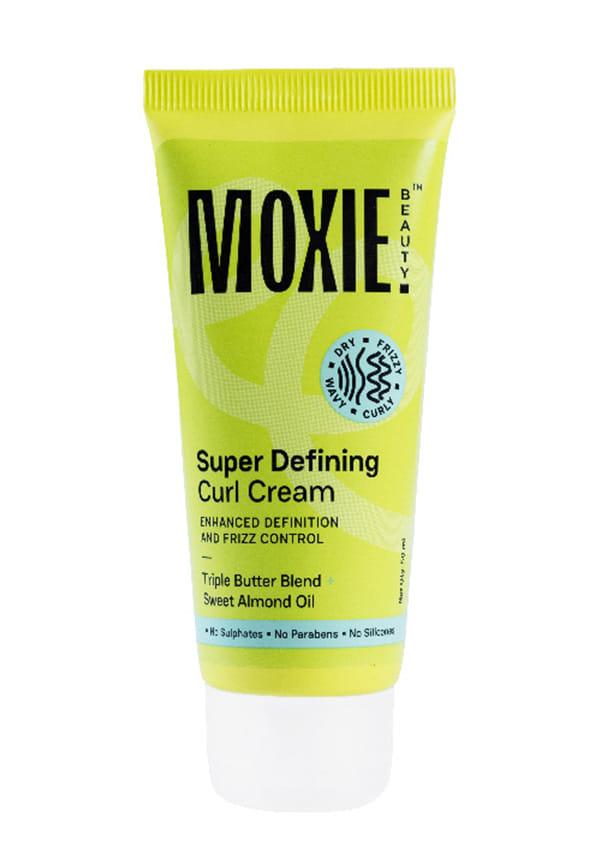
Super Defining Curl Cream for Curly Hair
Ever caught yourself staring at mates with naturally bouncy curls and wondering why your hair just sits there, flat and lifeless? You're not alone. Loads of blokes have hidden curl potential that's been suppressed by years of harsh shampoos, rough towelling, and basically treating their hair like it's made of steel wool. The good news? You don't need expensive treatments or chemical perms to unlock those natural waves and curls. With the right techniques and a bit of patience, you can work with what you've got to boost your natural texture and maybe even surprise yourself with what your hair can actually do.
Before diving into methods to achieve curly hair for men, let's get real about what you're working with. Your hair's natural texture is determined by the shape of your hair follicles – round follicles produce straight hair, while oval or asymmetrical follicles create waves and curls. But here's the thing: many men have follicles that aren't perfectly round, meaning there's often more curl potential hiding beneath years of aggressive brushing and harsh products.
To assess your men's hair texture natural potential, try this simple test. After your next wash, skip the towel and brush entirely. Instead, gently squeeze out excess water with your hands and let your hair air dry without touching it. You might be surprised to see some waves or even loose curls forming that you never knew existed.
Traditional grooming routines often work against natural curl formation. Daily shampooing strips away protective oils, whilst aggressive towel drying and constant brushing literally trains your hair to lie flat. Many blokes unknowingly suppress their natural texture through these habits, making naturally wavy or loosely curled hair appear completely straight.
Understanding how your hair actually works is key to successful men's natural curl enhancement. Your hair shaft consists of three layers: the cuticle (outer protective layer), cortex (middle layer containing proteins), and medulla (inner core). In curly hair, the cortex has an uneven distribution of proteins, creating the bend and twist that forms curls. The cuticle also lies differently on curly hair, which affects how light reflects off it and how products absorb.
Curly hair tends to be more porous and fragile than straight hair because of its structure. The bends and curves create weak points where the hair can break more easily. This is why gentle handling is crucial when you're trying to boost natural curls men have been hiding.
Most men's grooming products are designed for straight hair. Sulfate-based shampoos strip away natural oils that curly hair desperately needs for definition and moisture. Daily washing disrupts the natural oil distribution, whilst alcohol-based styling products can leave curls dry, frizzy, and undefined.
Creating a proper men's curly hair routine starts with completely rethinking how often and how you wash your hair. The biggest game-changer for most blokes is dramatically reducing wash frequency. Where you might currently shampoo daily, curly hair thrives when washed only 2-3 times per week maximum.
Your scalp produces natural oils (sebum) that travel down the hair shaft more easily on straight hair. With curly hair, these oils struggle to navigate the bends and curves, leaving the ends dry whilst the roots can appear greasy. Washing less frequently allows these natural oils to distribute better, providing the moisture your curls need to form properly.
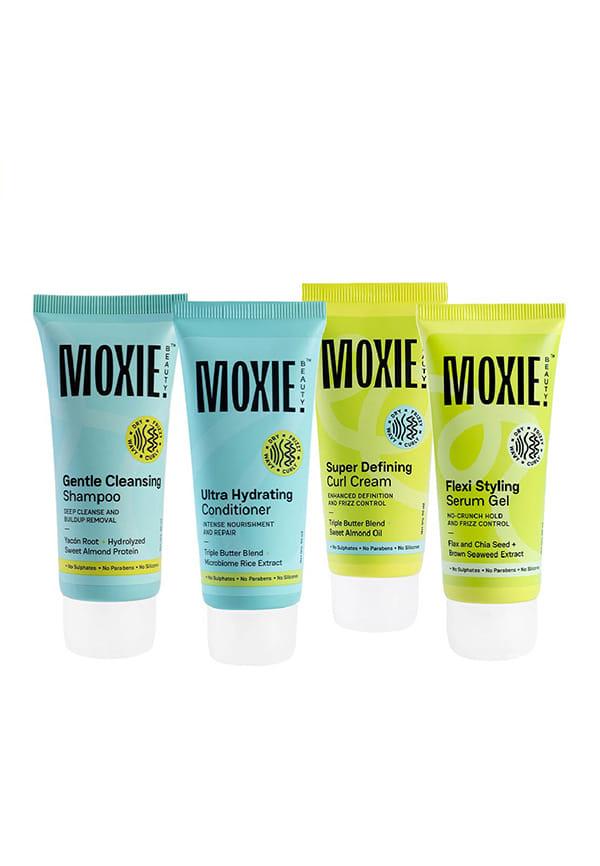
Curly Travel Routine - Shampoo, Conditioner, Curl Cream & Styling Serum Gel for Curly Hair
When you do wash, technique matters massively. Use lukewarm water (hot water strips oils), apply shampoo only to your scalp, and let the suds rinse through the lengths. Focus on massaging your scalp with your fingertips, not your nails, to stimulate circulation without causing irritation.
Co-washing (conditioner-only washing) can be a game-changer for natural methods for men's curls. On non-shampoo days, use a cleansing conditioner to refresh your hair without stripping oils. This maintains moisture whilst still removing buildup and sweat.
The way you handle your hair after washing is crucial for curl formation. Traditional towel drying is basically curl kryptonite – the rough terry cloth creates friction that breaks up curl patterns and causes frizz. Instead, you need to work with your hair's natural tendency to form waves and curls.
Scrunching is the foundation technique for how to get wavy hair men naturally. With soaking wet hair, cup sections in your palm and gently squeeze upwards towards your scalp. This encourages your hair to form its natural curl pattern whilst removing excess water. The key is being gentle – aggressive scrunching will just create frizz.
Plopping involves wrapping your wet hair in a microfibre towel or cotton t-shirt to absorb water without disturbing curl formation. Lay the fabric flat, flip your head forward so your hair falls onto it, then wrap it up and leave for 10-20 minutes. This technique helps define men's curls naturally whilst reducing drying time.
For longer hair, overnight techniques can help train your hair into better curl patterns. Try the "medusa clipping" method – twist small sections of damp hair and clip them up whilst you sleep. Silk or satin pillowcases reduce friction that can flatten curls overnight.
The right products can make or break your curl enhancement journey. Unlike straight hair that can handle heavier products, curls need lightweight formulations that provide hold without weighing hair down. The goal is to enhance what's naturally there, not create something artificial.
Curl creams provide moisture and light hold, perfect for looser waves and fine hair. Gels offer stronger hold and definition but can feel crunchy until you "scrunch out the crunch" once dry. For most men starting their curl journey, a lightweight cream applied to soaking wet hair works best.
Flaxseed gel is a brilliant natural curl products for men option you can make yourself. Boil 2 tablespoons of flaxseeds in 2 cups of water until the mixture becomes gel-like, then strain. This provides excellent hold and shine without any harsh chemicals. Aloe vera gel mixed with a few drops of essential oil also works well for light hold and moisture.
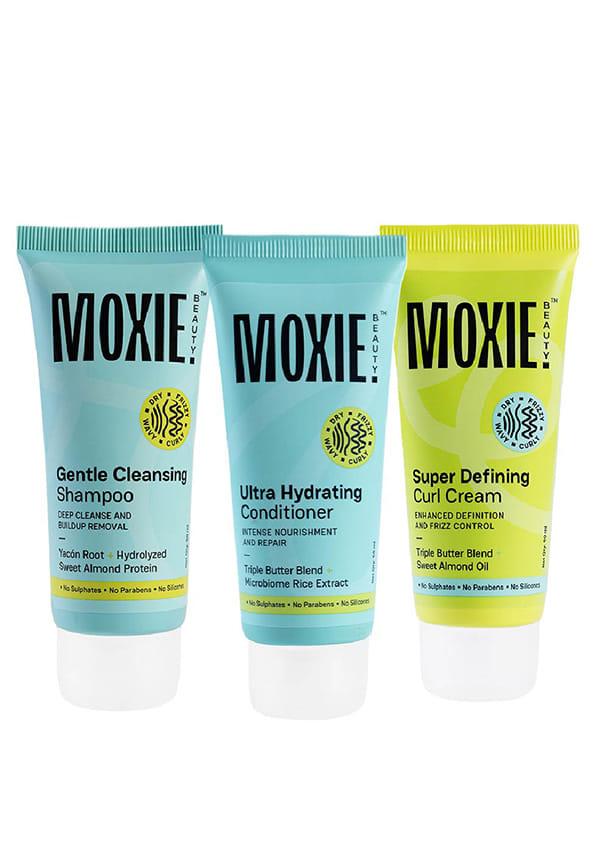
Curly Essentials Travel Trio - Shampoo, Conditioner & Curl Cream for Curly Hair
Sulfates, drying alcohols (like denatured alcohol), and heavy silicones can all work against curl formation. Look for products labelled as "curly girl approved" or specifically designed for textured hair. These typically contain gentler cleansing agents and curl-enhancing ingredients.
Your haircut can either enhance or completely kill your natural curl potential. Many barbers aren't trained in cutting curly hair, which behaves completely differently from straight hair when cut. A good curly cut should work with your natural growth patterns and curl formation, not against them.
For loose waves, textured crops with longer tops work brilliantly. Tighter curls benefit from more length overall to weigh down the curl pattern slightly. Undercuts can work well but need to be blended carefully to avoid harsh lines that clash with the natural texture.
Layers remove weight from the hair, allowing curls to spring up more freely. They also help create shape and prevent the dreaded triangle effect that can happen when curly hair grows out. The key is having layers cut when your hair is dry and in its natural curl pattern, not when it's wet and stretched out.
Find a barber who understands textured hair or specifically advertises curly cuts. Bring photos of the style you want and be clear about your goals. A good curly cut might look messy when you leave the chair but should settle into a great shape over the next few days.
Developing your natural curl pattern is a marathon, not a sprint. It can take months of consistent care to see significant changes in your hair's texture and curl definition. The key is patience and consistency with your routine.
The Curly Girl Method, originally designed for women, can be adapted for men's shorter styles. The core principles remain the same: no sulfates, no silicones, no heat, and gentle handling. For blokes, this might mean using a cleansing conditioner instead of shampoo and air-drying instead of blow-drying.
Curly hair needs a careful balance of protein and moisture. Too much protein makes hair brittle and prone to breakage, whilst too much moisture can make curls limp and undefined. Pay attention to how your hair feels – if it's stretchy and mushy when wet, you need more protein. If it feels dry and snaps easily, you need more moisture.
Consistency is everything when training your hair into better curl patterns. Stick to your routine for at least 6-8 weeks before making major changes. Document your progress with photos – the changes can be subtle day-to-day but dramatic over months.
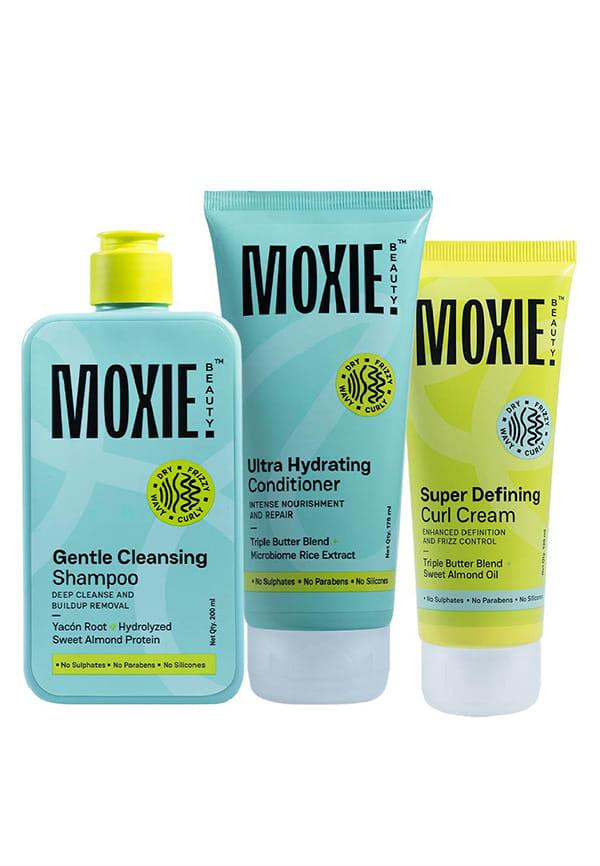
Just-The-Essentials Curly Trio - Shampoo, Conditioner & Curl Cream for Curly Hair
Whilst you can't completely change your hair's genetic structure, many men have hidden wave or curl patterns that can be enhanced through proper care. If your hair has any natural texture at all, you can likely boost it significantly with the right techniques and products.
Most men start seeing improvements in curl definition within 2-4 weeks of changing their routine. Significant transformation can take 3-6 months as your hair grows out and adapts to gentler handling and proper moisture levels.
Wavy hair forms loose S-shaped patterns, whilst curly hair creates tighter spirals or coils. Wavy hair is generally easier to manage and style, whilst curly hair requires more specific products and techniques but offers more dramatic texture.
Natural curl enhancement works by bringing out your existing texture, not creating something that isn't there. The results can be long-lasting with consistent care, but you'll need to maintain your routine to keep the improvements.
You can enhance any existing texture through natural methods, but truly straight hair (from perfectly round follicles) will always return to its natural state. However, many men discover they have more natural texture than they realised once they stop suppressing it.
Avoid sulfate shampoos, products with drying alcohols, heavy silicones, and anything that promises to "straighten" or "smooth" hair. These work against curl formation and can damage your hair's natural texture over time.
Most men with curly or wavy hair should wash only 2-3 times per week maximum. Some can go even longer between washes, depending on their scalp type and lifestyle. On non-wash days, you can refresh curls with water or a leave-in conditioner.
Whilst you can enhance your natural texture immediately with proper techniques and products, significant curl development takes time. You might see some improvement after your first proper wash and style session, but lasting results require consistent care over weeks and months.
Getting curly hair naturally as a man is all about working with what you've got rather than fighting against it. The journey requires patience, the right products, and a complete mindset shift about how you care for your hair. Remember that everyone's hair is different, so what works for your mate might not work for you – it's about finding your own routine through experimentation.
The most important changes you can make are reducing wash frequency, switching to sulfate-free products, and learning to handle your hair gently. These simple adjustments can reveal curl patterns you never knew existed. Whether you're aiming for loose waves or defined curls, consistency is key to seeing lasting results.
If you're keen to experiment with different curl-enhancing products without committing to full-size bottles, Smytten offers trial-size versions of many curl creams, gels, and leave-in treatments from trusted brands. It's a smart way to test what works for your specific hair type before investing in larger products – because finding your perfect curl routine shouldn't break the bank.
