How to Fix Hair Frizz: Quick Remedies for Smooth Hair

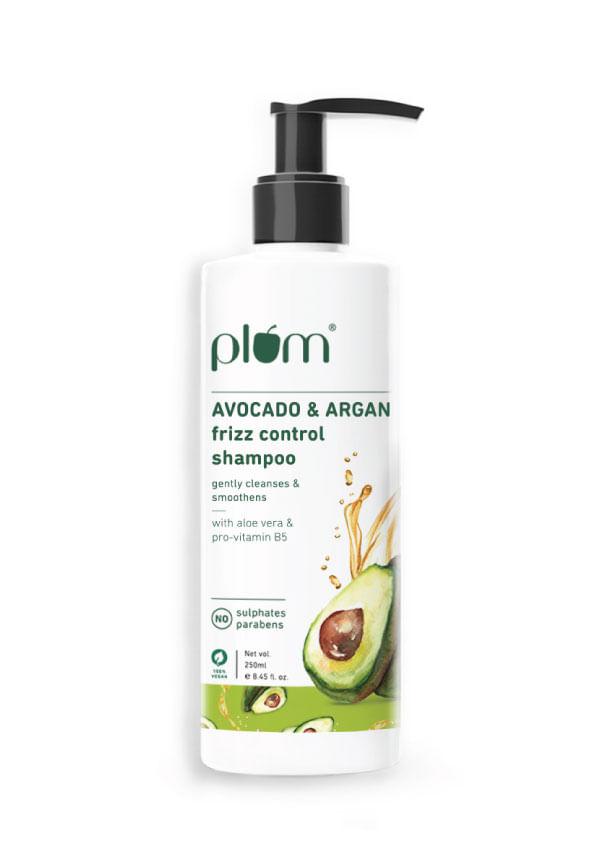
Avocado & Argan Frizz Control Shampoo For Curly, Wavy, Frizzy Hair
Picture this: you've just spent ages perfecting your hair, only to step outside and watch it transform into a frizzy mess within minutes. Sound familiar? That frustrating moment when humidity hits, or you wake up looking like you've been through a wind tunnel, is something most of us know all too well. The good news? Learning how to fix hair frizz doesn't have to involve expensive salon treatments or hours of styling. With the right frizzy hair solutions and a few clever tricks, you can get smooth, manageable hair that actually stays put. Let's dive into the real-deal remedies that work.
Before we jump into hair frizz remedies, it helps to understand what's actually happening up there. Your hair cuticle—the outer layer of each strand—is meant to lie flat like overlapping roof tiles. When it's healthy and moisturised, your hair looks smooth and shiny. But when those cuticles lift up, moisture from the air sneaks in, causing your hair to swell and create that dreaded frizz.
Humidity is the biggest culprit here. When there's moisture in the air, damaged or dry hair acts like a sponge, absorbing water and expanding unevenly. That's why your hair might look perfect indoors but turn into a frizzy disaster the moment you step outside on a humid day.
Heat styling is another major factor. Those high temperatures from blow dryers, straighteners, and curling irons can damage your hair cuticles over time, making them more prone to lifting. Chemical treatments like colouring, perming, or relaxing can also weaken your hair structure, leading to increased frizz.
Sometimes, it's just genetics. If you naturally have curly or wavy hair, your hair follicles produce strands that are more oval-shaped rather than perfectly round. This irregular shape makes it harder for natural oils to travel down the hair shaft, leaving your ends drier and more susceptible to frizz.
Over-washing can strip your hair of its natural oils, leaving it dry and frizzy. Using harsh shampoos with sulfates or products with drying alcohols can make the problem worse. Even something as simple as sleeping on a cotton pillowcase can create friction that roughens up your cuticles overnight.
When you're running late and your hair decides to have a frizzy moment, these emergency frizz control tips will save the day. These quick solutions work by temporarily smoothing down lifted cuticles and creating a barrier against humidity.
A good anti-frizz serum is your best friend for instant smoothing. Apply a small amount (think pea-sized for shoulder-length hair) to damp palms, then gently press and smooth it through the mid-lengths and ends of your hair. Avoid the roots unless your hair is very thick and coarse. The key is even distribution—too much product in one spot can weigh your hair down or make it look greasy.
If you've got a few extra minutes, a quick flat iron session can work wonders. Use a low to medium heat setting (around 150-180°C) and work in small sections. Run the iron slowly down each section just once—multiple passes can cause more damage. Always use a heat protectant spray first, even for quick touch-ups.
Anti-humidity sprays create an invisible shield around your hair strands. Spray it on dry hair before heading out, focusing on the areas that tend to get frizzy first—usually around your hairline and the ends. For an extra boost, try the "scrunching" method: spray the product into your palms and gently scrunch it into your hair to enhance natural texture while controlling frizz.
Your washing routine is where frizz prevention really begins. Getting this right can make all the difference in how your hair behaves throughout the week. The goal is to clean your scalp without stripping your hair of the natural oils it needs to stay smooth and healthy.
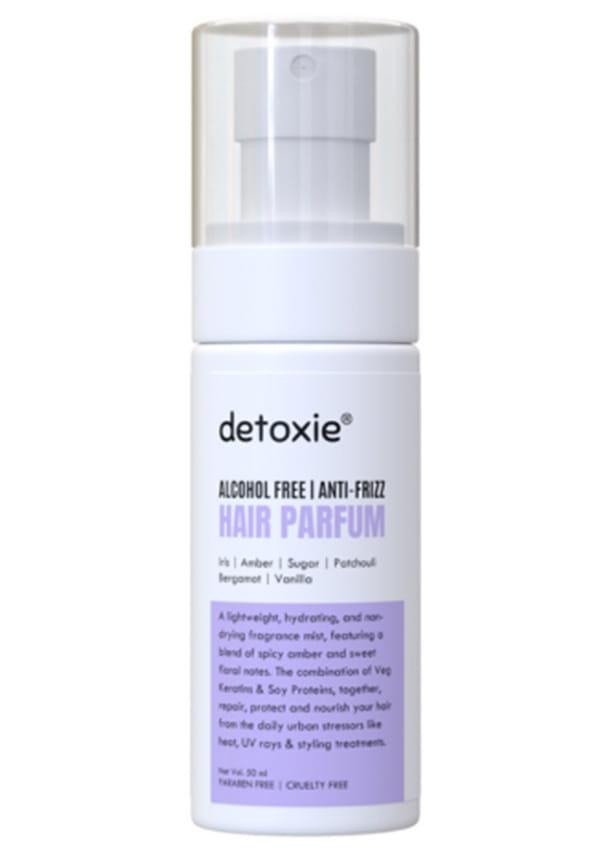
Alcohol Free Anti-Frizz Hair Parfum
Sulfate-free shampoos are a game-changer for managing frizzy hair. These gentler formulas clean without being overly harsh, helping to preserve your hair's natural moisture barrier. Look for ingredients like coconut-derived cleansers or mild surfactants that won't strip your hair.
Frequency matters too. Most people with frizzy hair benefit from washing just 2-3 times per week. This gives your natural oils time to travel down your hair shaft, providing built-in moisture and frizz protection. On non-wash days, you can refresh your scalp with dry shampoo or a gentle co-wash if needed.
Water temperature is crucial—stick to lukewarm water rather than hot. Hot water can open up your hair cuticles too much, leading to moisture loss and increased frizz. Think of it like washing a delicate fabric—gentle is always better.
Conditioner is where the real magic happens for frizz control. Apply it from your mid-lengths to the ends, avoiding your roots unless your hair is extremely dry. Let it sit for at least 2-3 minutes to allow the moisturising ingredients to penetrate your hair shaft.
The final rinse is key: use cool water to seal your cuticles and lock in moisture. This simple step can make your hair noticeably smoother and shinier. It might feel a bit shocking at first, but your hair will thank you for it.
Once a week, treat your hair to a deep conditioning mask. These intensive treatments contain higher concentrations of moisturising and smoothing ingredients that can penetrate deeper into your hair shaft. Apply the mask to clean, damp hair and leave it on for 10-20 minutes before rinsing thoroughly.
You can find excellent hair masks in the haircare section that contain ingredients like argan oil, shea butter, or keratin proteins. These ingredients help to temporarily fill in gaps in damaged cuticles, creating a smoother surface that reflects light better and resists frizz.
How you dry and style your hair after washing can make or break your frizz-fighting efforts. The right techniques can help maintain the smooth cuticles you've worked so hard to achieve in the shower.
Ditch the regular towel and switch to a microfiber towel or even a cotton t-shirt for drying your hair. These materials are much gentler and create less friction, which means fewer lifted cuticles and less frizz. Instead of rubbing your hair, gently squeeze or press the fabric against your hair to absorb excess water.
Let your hair air dry to about 60-70% before applying any heat. This reduces the amount of heat exposure your hair needs and helps preserve moisture. If you're in a hurry, use the cool shot button on your blow dryer to help set your style without adding extra heat.
When you do use heat tools, always start with a heat protectant product. These create a barrier between your hair and the high temperatures, reducing damage and helping to maintain smoothness. Apply the protectant to damp hair before blow-drying, and reapply if you're using additional heat tools.
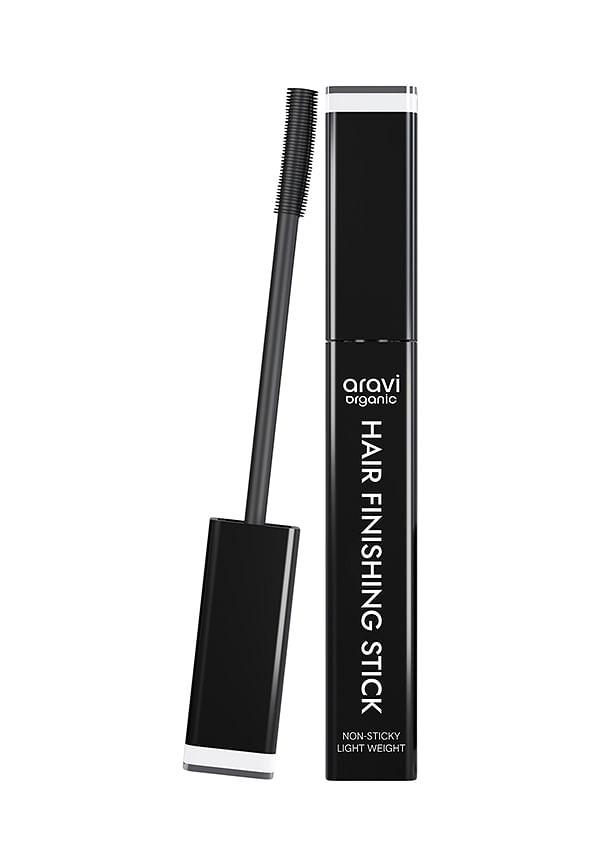
Hair Finishing Stick - Flyaway Natural Styling Frizz Control
For blow-drying, use a downward motion with your brush, following the direction of your hair cuticles. This helps smooth them down rather than lifting them up. Use a medium heat setting and finish with a blast of cool air to seal everything in place.
Your pillowcase can be working against you while you sleep. Cotton creates friction that can rough up your cuticles overnight. Switch to a silk or satin pillowcase, or wrap your hair in a silk scarf before bed. These smoother materials allow your hair to glide rather than catch and tangle.
Try loose protective styles like a low ponytail or loose braid to keep your hair contained without creating kinks. In the morning, you can refresh your style with a light mist of water mixed with a leave-in conditioner.
Not all anti frizz products are created equal. Understanding which ingredients actually work can help you choose products that deliver real results rather than just temporary fixes.
Argan oil is a superstar ingredient for taming frizzy hair. It's lightweight enough not to weigh your hair down but rich enough to provide lasting moisture and shine. Jojoba oil closely mimics your hair's natural sebum, making it excellent for balancing moisture levels. Coconut oil can be amazing for very dry, coarse hair, but use it sparingly as it can be heavy on finer textures.
Look for leave-in treatments that contain these oils along with humectants like glycerin or hyaluronic acid. These ingredients help your hair retain moisture from the environment without becoming frizzy. Apply these products to damp hair for the best absorption and distribution.
Keratin treatments can provide longer-lasting frizz control by temporarily filling in gaps in your hair cuticles. Professional salon treatments typically last 3-4 months, while at-home versions might give you 4-6 weeks of smoother hair. These treatments work best on hair that's already in relatively good condition.
At-home smoothing treatments are more budget-friendly and less time-consuming than salon visits. Look for products that contain hydrolyzed keratin or amino acids, which can help strengthen and smooth your hair over time with regular use.
Silicones get a bad rap, but they're actually excellent for frizz control when used correctly. Cyclomethicone and dimethicone create a protective coating around your hair shaft that repels humidity and adds shine. Water-soluble silicones are easier to wash out and less likely to cause buildup.
Natural butters like shea butter and murumuru butter provide deep moisture and help seal the hair cuticle. Protein treatments containing hydrolyzed wheat protein or silk protein can temporarily strengthen damaged areas and create a smoother surface.
While there's no true "permanent" fix for frizzy hair (since new hair grows out with the same characteristics), you can definitely improve your hair's overall condition and manageability with consistent care.

Hair Finishing Stick - Flyaway Natural Styling Frizz Control
Regular trims every 6-8 weeks prevent split ends from traveling up the hair shaft and creating more frizz. Even if you're growing your hair out, removing just a quarter-inch of damaged ends can make a huge difference in how smooth your hair looks and feels.
Protective styling techniques like loose braids, buns, or twists can shield your hair from environmental damage and friction. Avoid tight elastic bands that can create breakage, and opt for silk scrunchies or spiral hair ties instead.
Consider your lifestyle factors too. Chlorine from swimming pools, UV exposure, and even hard water can contribute to dry hair frizz. Use a clarifying shampoo monthly to remove buildup, and consider installing a shower filter if you live in an area with hard water.
Professional treatments like regular deep conditioning sessions or occasional protein treatments can help maintain your hair's health over time. The key is consistency—sporadic treatments won't give you the long-term results you're looking for.
Yes, with consistent use of the right products and techniques, you can significantly improve your hair's texture and smoothness. While you can't change your natural hair structure, proper moisture balance, regular conditioning treatments, and protective styling can make frizzy hair much more manageable and silky-looking. The key is patience and consistency with your haircare routine.
For overnight frizz control, apply a leave-in treatment or hair oil to damp hair before bed, then sleep on a silk or satin pillowcase. Try protective styles like loose braids or a silk scarf wrap. In the morning, refresh with a light water and leave-in conditioner spray, then gently scrunch or smooth with your hands.
Natural methods include reducing wash frequency to 2-3 times per week, using cool water for final rinses, air-drying when possible, and applying natural oils like argan or jojoba to damp hair. Gentle drying with microfiber towels and sleeping on silk pillowcases also help maintain smoothness without chemical treatments.
Humidity causes frizz because damaged or dry hair cuticles lift up and allow moisture from the air to enter the hair shaft. This causes the hair to swell unevenly, creating that frizzy, uncontrolled texture. Hair with lifted or damaged cuticles is more porous and therefore more susceptible to humidity-induced frizz.
Most people with frizzy hair should wash 2-3 times per week maximum. Over-washing strips natural oils that help control frizz and keep hair smooth. On non-wash days, you can refresh your scalp with dry shampoo or rinse with water only if needed. This allows your hair's natural oils to provide moisture and frizz protection.
Managing frizzy hair doesn't have to be a daily battle. With the right combination of gentle washing techniques, proper drying methods, and quality anti frizz products, you can achieve smoother, more manageable hair that looks great even on humid days. Remember, consistency is key—these techniques work best when they become part of your regular routine rather than occasional fixes.
The most important thing is understanding your hair's specific needs. What works for your friend might not work for you, and that's perfectly normal. Pay attention to how your hair responds to different products and techniques, and adjust accordingly.
If you're looking to explore different haircare products without committing to full sizes, Smytten offers an excellent way to discover what works best for your hair type. With curated selections from trusted brands and the convenience of trying before you buy, you can find your perfect frizz-fighting routine without the guesswork. Not sure which format works for your hair? Smytten also offers trial-size versions of many haircare products—a smart way to test different formulations before committing to a full bottle.
