How to Fix Dry Itchy Scalp This Monsoon Season


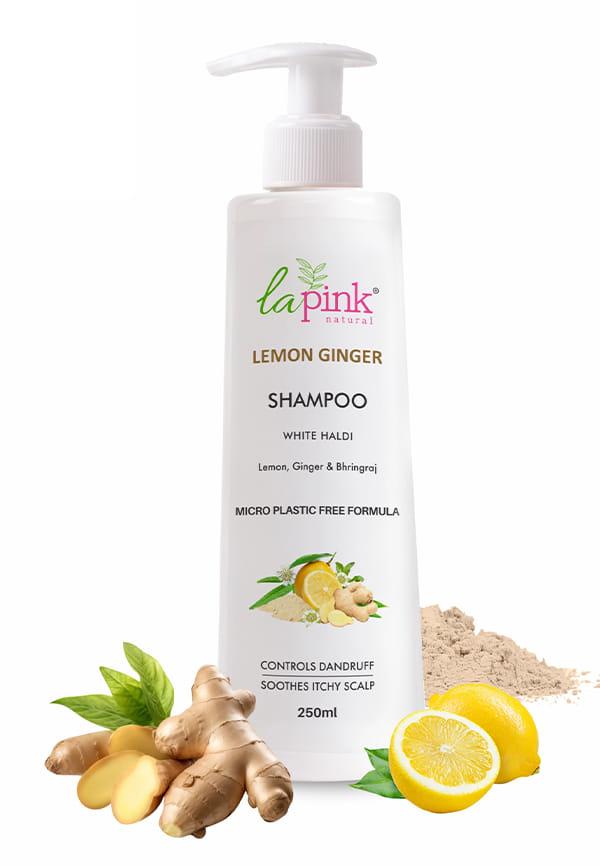
Lemon Ginger Shampoo with White Haldi to Control Dandruff & Soothe Itchy Scalp
Mixed Cleansing and Drying Effects
 4
4“best for cleansing the scalp. but makes hair way too dry after usage”
Monsoon season brings that much-needed relief from scorching summer heat, but let's be real—it also brings a whole new set of hair and scalp challenges. If you've been dealing with a dry, itchy scalp that seems to get worse during the rainy season, you're definitely not alone. The combination of humidity, pollution, and sudden weather changes can wreak havoc on your scalp health, leaving you scratching your head (literally) about what's going wrong. Your scalp is working overtime to maintain its natural balance due to constant switching between air-conditioned spaces and humid outdoors, or increased pollution that rain brings down. The good news? There are proven ways to tackle this seasonal scalp drama and get back to comfortable, healthy hair days. With the right approach and some smart product choices—like those you can discover through trial packs on Smytten—you can turn this monsoon scalp situation around. Let's dive into everything you need to know about fixing that dry, itchy scalp and keeping it happy throughout the rainy season.
Monsoon weather creates the perfect storm for scalp issues through humidity fluctuations, pollution, and increased fungal growth
Immediate relief comes from gentle cooling techniques, diluted apple cider vinegar rinses, and targeted oil treatments
Long-term solutions involve adjusting your hair washing frequency, using anti-fungal ingredients, and maintaining proper scalp hygiene
Natural remedies like tea tree oil, aloe vera, and coconut oil can provide effective monsoon scalp itch relief
Professional help is needed if itching persists beyond two weeks or shows signs of infection
The monsoon season creates a unique set of conditions that can turn even the healthiest scalp into an itchy, uncomfortable mess. Understanding what's happening up there is your first step towards finding relief.
Here's the thing about monsoon weather—it's basically a rollercoaster for your scalp. One minute you're in humid, sticky air that makes everything feel damp, and the next you're in an air-conditioned space that strips moisture from your skin faster than you can say "frizz control." This constant back-and-forth between extreme humidity and dry indoor environments confuses your scalp's natural oil production. Your sebaceous glands either go into overdrive trying to compensate for the dryness, or they shut down completely, leaving your scalp parched and irritated.
Monsoon brings its own special cocktail of scalp issues. Dandruff tends to flare up because the increased humidity creates the perfect breeding ground for Malassezia, a yeast naturally present on the scalp that overgrows in humid conditions. Then there's the pollution factor—rainwater isn't exactly the pure, cleansing force we'd like it to be. It picks up pollutants from the air and deposits them right onto your scalp, clogging pores and causing irritation. Add frequent sweating from the humidity, and you've got a recipe for clogged follicles and that persistent itch that just won't quit.
When your scalp is driving you absolutely mad with itching, you need relief that works fast. These emergency techniques can give you the breathing room you need while you work on longer-term solutions.
The quickest way to calm an angry, itchy scalp is with a cool water rinse. Not cold enough to shock your system, but cool enough to reduce inflammation and provide instant relief. Gently massage your scalp with your fingertips (never your nails) while the cool water runs over it. For extra soothing power, try applying a small amount of aloe vera gel directly to the most irritated spots. The cooling and anti-inflammatory properties work almost immediately to reduce that burning, itchy sensation.
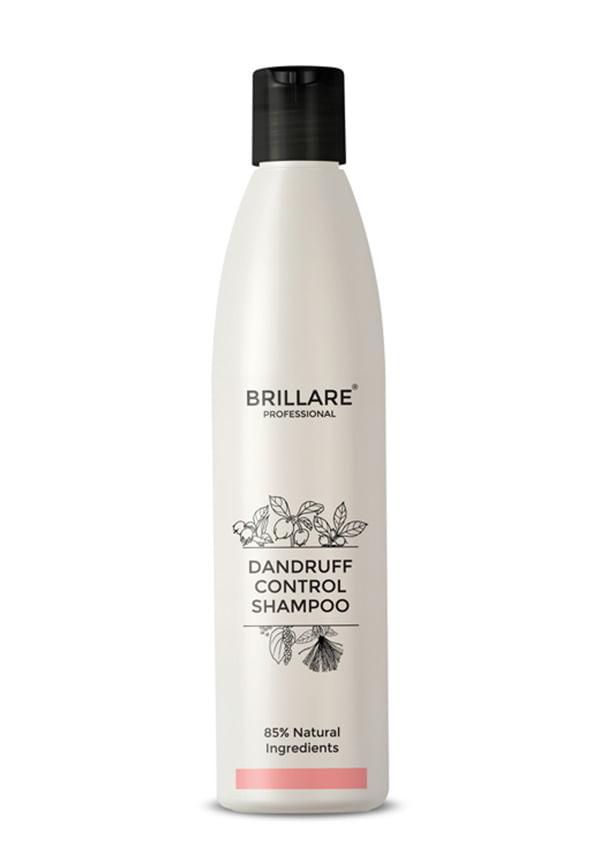
Dandruff Control Shampoo For Itchy, Flaky Scalp
Nourishing & Dandruff-Fighting Shampoo
5“This shampoo deeply nourishes the scalp and strengthens the hair from roots to tips. and removes all dandruff within 2..4 wash”
Love this product, order every time
5“love this product i ordered it every time”
Quick Results, Gentle & Amazing Quality
5“you will see results quickly rather than anything, very gentle small quantity enough , quality amazing”
Your kitchen probably has everything you need for immediate relief. Apple cider vinegar diluted with equal parts water makes an excellent scalp rinse—the acidity helps restore your scalp's natural pH balance and has antifungal properties that tackle the root cause of monsoon-related itching. Mix it up, apply it to your scalp, let it sit for 5-10 minutes, then rinse thoroughly. Tea tree oil is another powerhouse, but always dilute it with a carrier oil like coconut oil (about 3-4 drops per tablespoon) and perform a patch test first, especially if you have sensitive skin. The antimicrobial properties help fight the fungal overgrowth that thrives in monsoon conditions.
Once you've got the immediate itching under control, it's time to focus on addressing the underlying dryness that's making your scalp so reactive to monsoon conditions.
Coconut oil remains the gold standard for monsoon scalp care, but the trick is in how you use it. Warm it slightly (not hot), and massage it into your scalp in sections, focusing on the areas that feel the driest. Leave it on for at least 30 minutes before washing—this gives the oil time to penetrate and nourish without just sitting on the surface. Neem oil is particularly brilliant for monsoon conditions because of its powerful antifungal properties. It's quite potent, so mix it with a gentler carrier oil like jojoba. Jojoba oil itself is fantastic for humid weather because it's lightweight and won't leave your hair feeling greasy even in high humidity.
Sometimes the best remedies are hiding in your pantry. Lemon juice mixed with water (1:2 ratio) works as a natural clarifying treatment that removes build-up while providing antimicrobial benefits. A yogurt and honey mask combines the gentle exfoliating properties of lactic acid with honey's moisturising and antibacterial benefits. Mix equal parts, apply to your scalp, leave for 20 minutes, then rinse. For gentle physical exfoliation, oatmeal paste (finely ground oats mixed with water) helps remove dead skin cells that can contribute to itching and flaking.
While home remedies work wonders for many people, sometimes you need to bring in the professionals. Knowing when to make that call can save you weeks of frustration.
If your scalp itching persists for more than two weeks despite consistent home treatment, it's time to see a dermatologist. Watch out for signs like severe redness, open sores from scratching, thick, yellow or green flakes, or if the itching is so intense it's disrupting your sleep. These could indicate a bacterial or fungal infection that needs prescription treatment. Also, if you notice hair loss in the affected areas, don't wait—early intervention can prevent permanent damage.
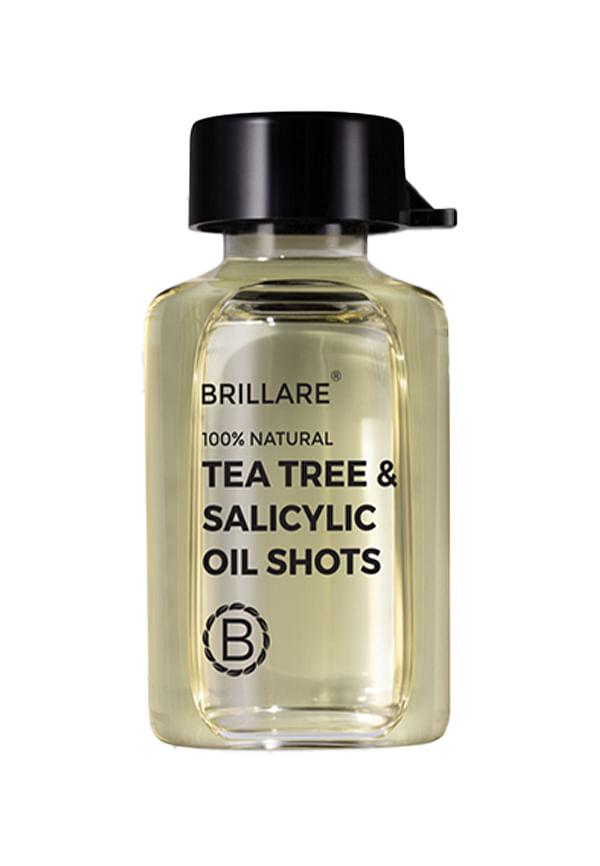
Tea Tree & Salicylic Oil Shots For Dry, Itchy Scalp to Fights Dandruff
Excellent Product Quality
5“nice product awesome quality 👍🏻😁”
Effective Brand
4“love this brand it's effective”
Amazing Product, Will Buy Full Size
5“amazing product going to buy full size”
When choosing medicated shampoos for monsoon scalp issues, look for ingredients like ketoconazole for fungal problems, zinc pyrithione for dandruff, or salicylic acid for build-up removal. The key during monsoon is finding formulations that work in high humidity without over-drying your scalp. Use medicated shampoos 2-3 times a week maximum, alternating with a gentle, moisturising shampoo to maintain balance.
Your regular haircare routine needs some serious adjustments during monsoon season. What works in dry weather might actually make your scalp problems worse when humidity levels spike.
Here's where frequent hair washing itchy scalp concerns come into play. During monsoon, you might need to wash your hair more often than usual due to increased sweating and pollution exposure, but the key is doing it right. Use lukewarm water—hot water strips natural oils and makes itching worse, while cold water doesn't cleanse effectively. Focus your shampoo on the scalp, not the lengths of your hair, and massage gently with your fingertips in circular motions. This stimulates blood flow and helps remove build-up without irritating already sensitive skin.
Got caught in the rain? Don't just let your hair air-dry. Rinse immediately with clean water if possible—this removes pollutants and acidic rainwater that can irritate your scalp. If you can't rinse right away, at least gently squeeze out excess water and avoid rubbing your scalp. When you get home, cleanse thoroughly but gently, and make sure to dry your hair completely. Damp hair in humid conditions is basically a welcome mat for fungal growth.
Prevention is always better than cure, especially when it comes to monsoon scalp issues. Building a solid routine now can save you from weeks of discomfort later.
Start your day by gently massaging your scalp with clean fingers to stimulate circulation and distribute natural oils. If you're heading out into humid weather, consider a light dusting of dry shampoo at the roots—it absorbs excess oil and sweat before they can cause problems. In the evening, if you've been out in pollution or humidity, a quick rinse with plain water can remove surface irritants without over-cleansing. Once a week, treat your scalp to a deep conditioning treatment or oil massage to maintain moisture levels.
Your diet plays a bigger role in scalp health than you might think. Increase your intake of omega-3 fatty acids (think fish, walnuts, flaxseeds) to support skin barrier function. Stay hydrated—when you're dehydrated, your scalp is too. Aim for at least 8 glasses of water daily, more if you're sweating a lot. Sleep hygiene matters too; change your pillowcase frequently during monsoon season, as it can harbour bacteria and fungi that contribute to scalp problems.
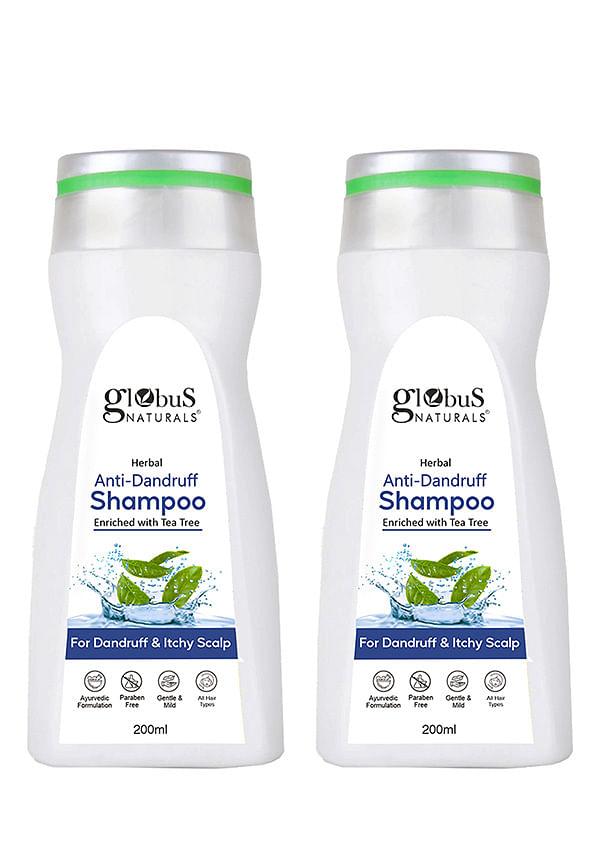
Anti Dandruff Shampoo, For Dandruff and Itchy Scalp
Effective for Itchy Scalp, Small Packing
5“small packing, but a great offer in price product is nice on scalp to reduce itchy issues effectively”
Nice Shampoo
5“dis shampoo is very nice liked it”
Nice Shampoo
5“dis shampoo is very nice liked it”
During monsoon, you might need to wash your hair every other day or even daily if you have an oily scalp that's prone to itching. The key is using a gentle, sulfate-free shampoo and focusing on the scalp rather than the hair lengths. If daily washing feels too harsh, try alternating between a full wash and a simple water rinse with a tiny bit of conditioner on the ends.
Absolutely. The constant switching between humid outdoor air and dry, air-conditioned indoor spaces can seriously mess with your scalp's moisture balance. Try using a humidifier in air-conditioned rooms when possible, and consider a lightweight leave-in treatment to protect your scalp from moisture loss.
Night-time itching often gets worse because that's when your body temperature rises slightly, making you more aware of any irritation. Plus, if you've been exposed to pollution or humidity during the day, those irritants have had time to build up. A cool shower before bed and sleeping with a fan can help reduce night-time scalp discomfort.
Avoid heavy silicones and sulfates during monsoon season. Silicones can trap moisture and create a breeding ground for fungi, while sulfates can strip your scalp of natural oils, making it more reactive. Look for products with tea tree oil, neem, or salicylic acid instead—these ingredients help combat the fungal overgrowth that thrives in humid conditions. You can discover gentle, effective formulations through trial packs on Smytten before committing to full-size products.
Dealing with a dry, itchy scalp during monsoon doesn't have to be a seasonal nightmare. The key is understanding that monsoon conditions create a perfect storm of humidity, pollution, and temperature fluctuations that can throw your scalp's natural balance completely off track. Immediate relief comes from cooling techniques and gentle, natural remedies like diluted apple cider vinegar and tea tree oil treatments. For long-term success, focus on adjusting your washing frequency, using the right products for humid conditions, and maintaining consistent scalp hygiene. Remember that what works for your friend might not work for you—scalp care is highly individual, especially during challenging weather conditions. Prevention through daily maintenance and lifestyle adjustments will always be more effective than trying to fix problems after they've developed. Most importantly, don't ignore persistent symptoms that could indicate a more serious condition requiring professional treatment.
Finding the right products for your monsoon scalp care routine doesn't have to involve expensive trial and error. Smytten is India's largest product discovery and trial platform, connecting consumers with top lifestyle, beauty, wellness, and grooming brands. At its core, Smytten offers curated trial packs - mini-sized products from over 2,400 trusted brands such as Cetaphil, Dot & Key, True Elements, Oziva, Renee, Swiss Beauty Love, Beauty & Planet, WishCare, Carlton London and Bella Vita. This lets users explore and experience products before committing to full-size purchases. Each mini is linked with Trial Points, and users can get up to 10 Trial Points for just ₹279. Plus, Smytten offers 100% cashback* on the purchase of these minis, redeemable in the shop section for future orders, making product discovery both affordable and rewarding. With over 28 million users and 100 million trial minis delivered across 90% pin code coverage, Smytten helps consumers make smarter, more confident choices. After all, why settle for 'maybe' when you can #TryItAll!
