How to Fix Damaged Hair: Expert Repair Guide

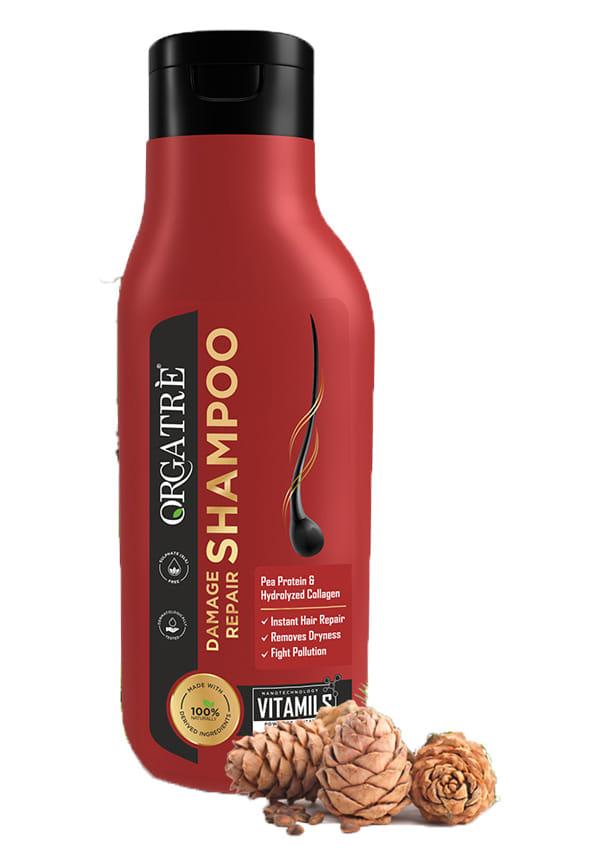
Damage Repair Shampoo
Amazing Shampoo
 5
5“This is an amazing shampoo thus my hair soft and silky”
Positive Hair Result
5“healthy and smooth hair as expected”
Mixed experience with shampoo
4“Its nice shampoo but it causes hair fall too much but after using this my hair quality became good”
Let's be real—damaged hair happens to the best of us. Whether it's from that one too many blow-dry sessions, a chemical treatment gone wrong, or just life being life, we've all been there staring at split ends wondering how to fix damaged hair. The good news? Your hair isn't beyond saving. With the right hair repair approach and some patience, you can bring your strands back from the brink. Think of this as your complete roadmap to hair restoration, covering everything from identifying what's actually wrong to creating a routine that works for your lifestyle and budget.
Before diving into how to fix damaged hair, you need to know what you're dealing with. Not all damage looks the same, and different problems need different solutions.
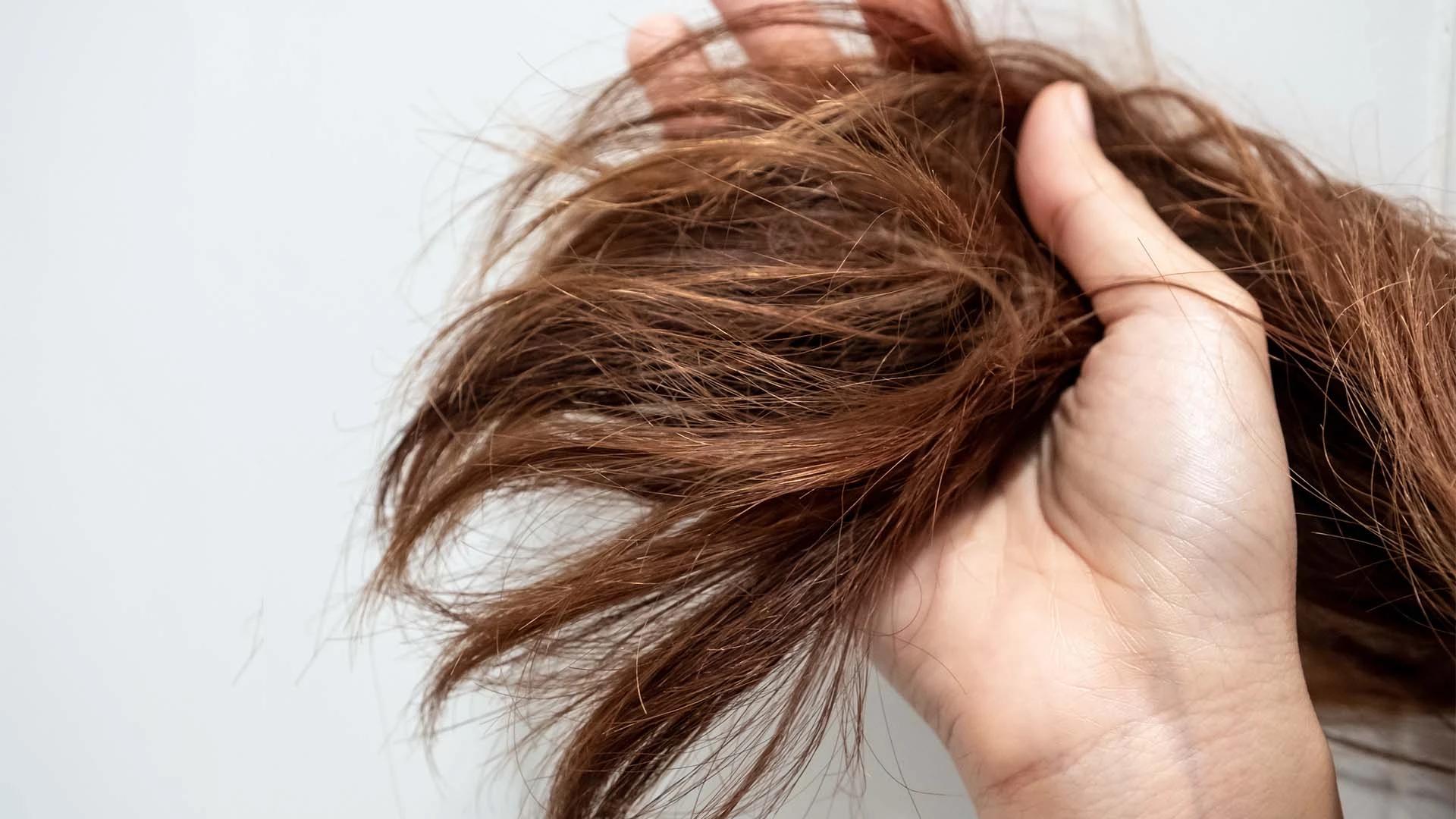
These are the classic signs everyone knows about. Split ends look like tiny forks at the end of your hair strands, whilst hair breakage shows up as shorter pieces sticking out from your main length. Run your fingers through your hair—if you feel rough, uneven textures, that's breakage talking.
Here's where it gets tricky. Dry hair lacks moisture but the structure is still intact. Damaged hair has actual structural problems—think of it like the difference between a thirsty plant and one with broken stems.
Chemical damage from colouring or relaxing treatments often leaves hair feeling stretchy when wet and brittle when dry. Heat damage creates a similar effect but usually comes with a rough, straw-like texture that just won't smooth down no matter what you do.
Now that you know what you're working with, let's talk about the foundation of any good damaged hair treatment plan. These aren't glamorous steps, but they're the ones that make everything else work better.
Wet hair is vulnerable hair. Always detangle from the ends up using a wide-tooth comb, and never brush soaking wet strands. Your hair will thank you for the extra care.
Sulphates strip away natural oils your damaged hair desperately needs. A gentle, sulphate-free shampoo won't foam as much, but it'll clean without making things worse.
Hot water opens up hair cuticles too much, leading to more moisture loss. Lukewarm washing followed by a cool rinse helps seal everything back up.
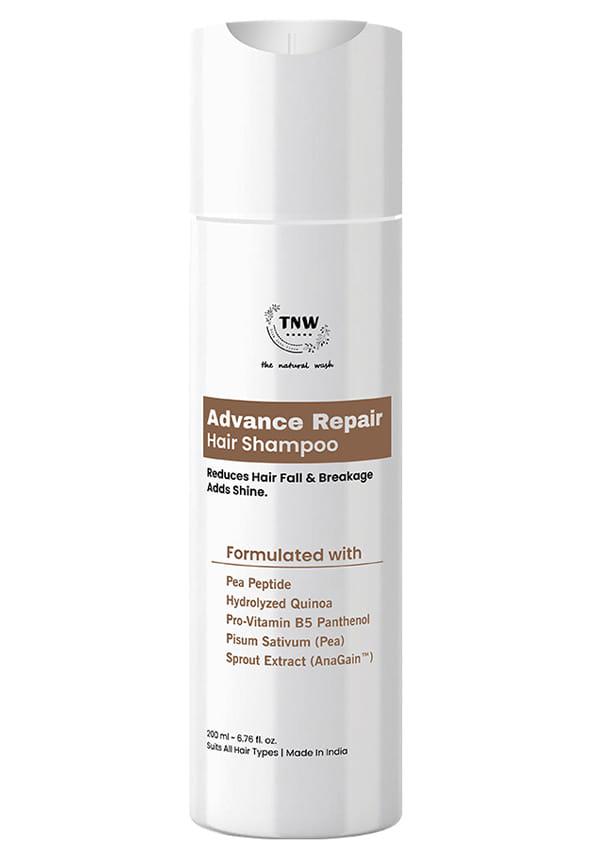
Advance Repair Hair Shampoo
Silk or satin pillowcases reduce friction whilst you sleep. If that's not in the budget, a silk scrunchie for a loose ponytail works too.
This is where the real magic happens. Deep conditioning isn't just about slapping on any old conditioner—it's about giving your hair the intensive care it needs to rebuild and strengthen.
Apply your treatment to damp (not soaking) hair, focusing on mid-lengths to ends. Leave it on for the recommended time—usually 10-20 minutes—then rinse thoroughly. Consistency beats intensity here.
Professional formulations often contain proteins and ceramides that actually rebuild hair structure. DIY masks can be lovely for moisture, but they won't fix structural damage the way targeted treatments can.
Damaged hair usually needs both, but in the right proportions. If your hair feels stretchy when wet, you need protein. If it feels brittle and snaps easily, moisture is your priority.
A good leave-in conditioner acts like a daily shield. Apply to damp hair before styling for ongoing protection and easier detangling.
You don't have to give up your styling tools completely, but you do need to be smarter about how you use them. Here's how to keep your hair healthy whilst still looking fab.
Apply heat protectant to every section before styling. It creates a barrier between your hair and the heat, reducing direct damage.
Fine or damaged hair should never go above 150°C. Thick, healthy hair can handle up to 180°C, but why risk it? Lower temperatures with multiple passes work better than one high-heat blast.
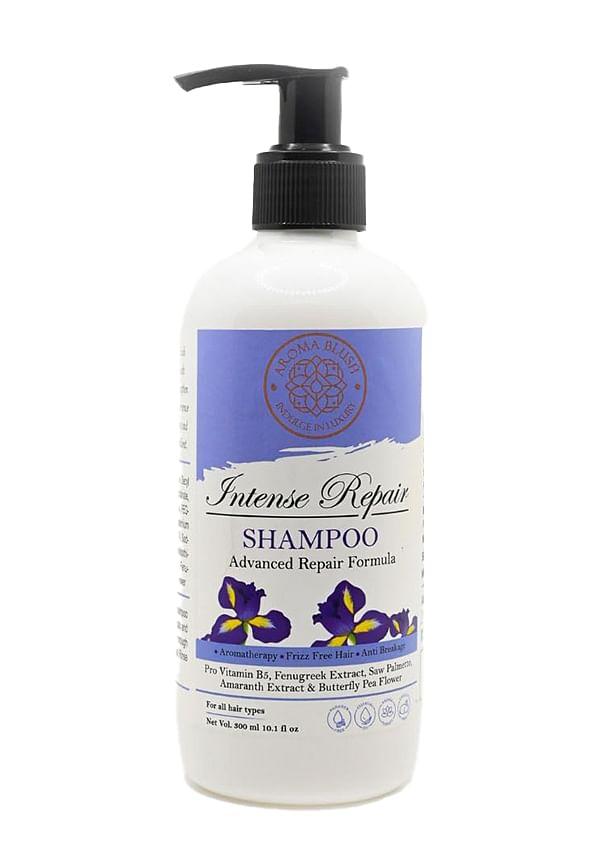
Intense Repair Shampoo
Good for hair
5“this product 3vwry good for hair”
Nourishing & Hydrating for Soft Hair
5“very nourishing and hydrating made my hair very soft”
Amazing Hair Repair Product
5“Amazing product for hair repair ”
Braids, twists, and foam rollers can create gorgeous styles without any heat. Air-drying with the right products often gives better results than you'd expect.
Sometimes the best solutions come from your kitchen cupboard. Natural ingredients can be incredibly effective for hair conditioning and repair, especially when you know how to use them properly.
Jojoba oil mimics your scalp's natural sebum, making it perfect for all hair types. Coconut oil penetrates the hair shaft better than most oils, whilst argan oil is brilliant for adding shine without weighing hair down.
Mayonnaise masks provide protein and moisture, avocado adds healthy fats, and honey is a natural humectant that draws moisture from the air. Always patch test first, and remember that natural doesn't always mean gentle.
Warm oils slightly before applying—they penetrate better. Focus on mid-lengths to ends, and always shampoo thoroughly afterwards to avoid buildup.
Whilst home remedies have their place, sometimes you need the big guns. Professional-grade products contain ingredients that can actually repair damage at a molecular level.
Keratin proteins fill in gaps in damaged hair cuticles. Ceramides help rebuild the hair's protective barrier. Amino acids provide building blocks for stronger strands.
If your hair is severely damaged—think extreme breakage or chemical burns—a professional treatment might be worth the investment. Salon treatments often use stronger formulations that aren't available for home use.
Start with the basics: gentle shampoo, good conditioner, weekly deep treatment. Add targeted treatments gradually based on your hair's response. With platforms like Smytten, you can try different haircare products in mini sizes before committing to full-size purchases, making it easier to find what works for your specific damage type without the risk of wasting money on products that don't suit your hair.
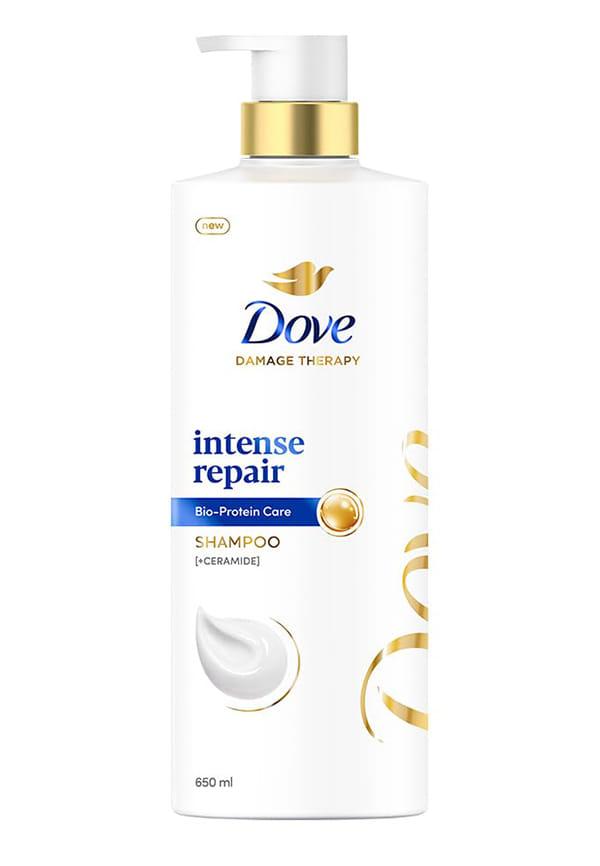
Intense Repair Shampoo
Excellent for Dry Hair
5“very good on very very dry hair. the best”
Excellent Product, Must Buy
5“it's an excellent product. must buy!!”
Awesome Product for Hair Nourishment
5“Awsome product and give nourishment to hair”
Yes, but with realistic expectations. You can improve the condition significantly and prevent further damage, but severely damaged sections might need trimming. The key is consistent care and patience.
Start with gentle handling, use sulphate-free products, deep condition weekly, protect from heat, and trim regularly. It's not about one miracle product—it's about changing your entire approach to hair care tips.
Expect to see improvements in 6-8 weeks with consistent care. Full recovery can take 3-6 months depending on damage severity. Focus on preventing new damage whilst treating existing issues.
Oils can improve hair condition by adding moisture and reducing friction, but they don't actually repair structural damage. They're brilliant for prevention and maintenance, though.
Focus on intensive conditioning treatments, protein masks, and protective styling. Whilst you can't completely fix split ends without cutting, you can prevent them from getting worse and improve overall hair health.
There's no true overnight fix, but an intensive hair mask left on for several hours (or overnight with a shower cap) can provide dramatic improvement in texture and manageability.
Use natural oils, DIY protein masks, gentle handling techniques, and heat-free styling. Natural methods work well for mild to moderate damage but severe cases might need professional products.
Combine gentle cleansing, regular deep conditioning, protective styling, and consistent trimming. Home care can be very effective when done properly and consistently.
Learning how to fix damaged hair isn't about finding one magic solution—it's about creating a routine that works for your lifestyle and sticking with it. The most important thing to remember is that healthy hair is a marathon, not a sprint. Small, consistent changes in how you handle, wash, and style your hair will give you better results than any expensive treatment you use once.
The beauty of hair repair is that you have so many options to explore. From natural DIY treatments to professional-grade products, there's something for every budget and preference. Smytten makes this exploration easier by offering trial-sized products from trusted haircare brands, so you can discover what works for your specific hair needs without committing to full-size products. With over 1,500 brands available in mini sizes, you can build your perfect hair restoration routine through trial and discovery, ensuring you never have to settle for products that don't deliver results.
Remember, your hair's journey back to health is unique to you. What works for your friend might not work for you, and that's completely normal. Be patient with the process, celebrate small improvements, and don't be afraid to adjust your routine as your hair's needs change. After all, why settle for damaged hair when you can try it all and find what truly works?
