How to Fix Chemically Damaged Hair: Repair Brittle Strands

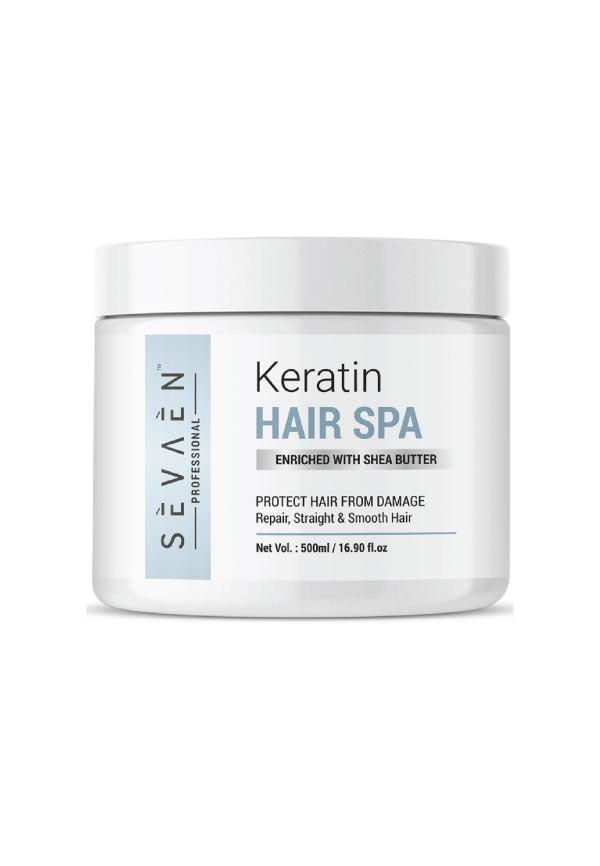
Keratin Hair Spa Cream For Hair Dry&Damage repair And strengthening&Smoothing Hair With Deep Conditioning Treatment
Superb for Hair
 5
5“Superb soo good cant explain mu hair feels soo good now ”
Superb for Hair
5“Superb soo good cant explain mu hair feels soo good now ”
Superb for Hair
5“Superb soo good cant explain mu hair feels soo good now ”
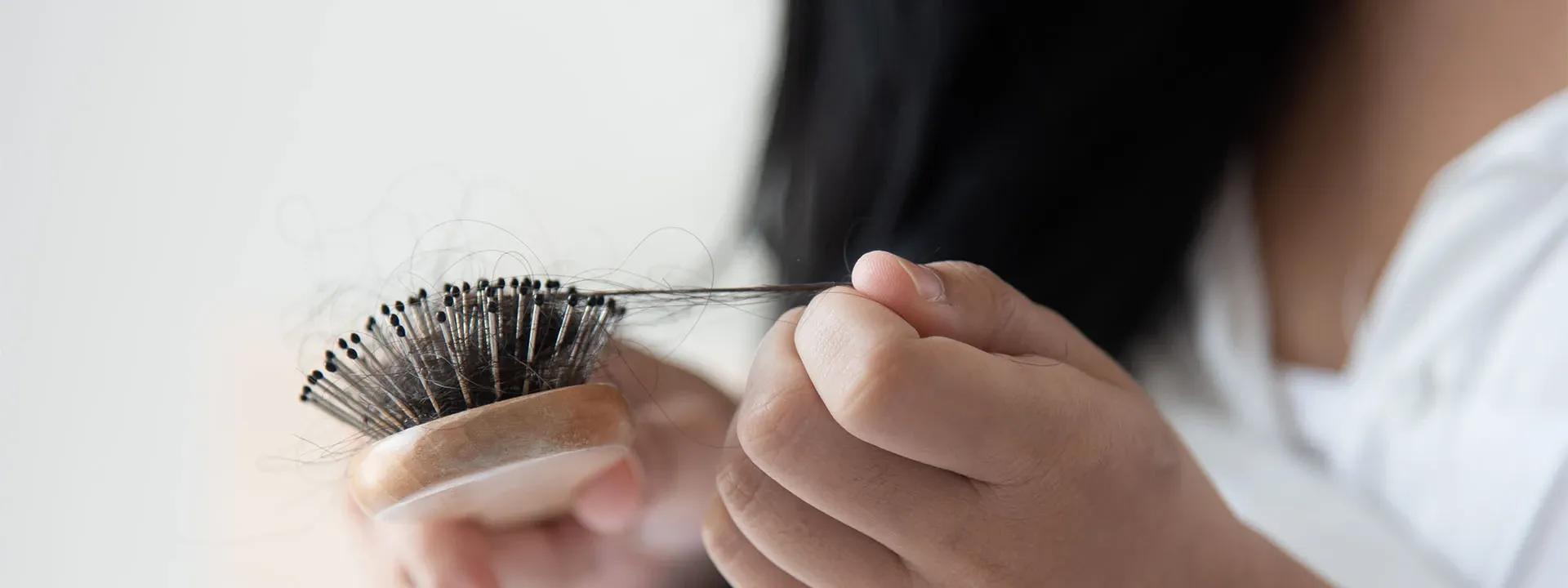
Let's be real—chemically damaged hair can feel like a complete disaster. Whether it's from bleaching gone wrong, an overly aggressive relaxer, or one too many colour treatments, brittle strands that snap at the slightest touch are nobody's idea of fun. But here's the thing: whilst your hair might feel like straw right now, it's not a lost cause. With the right approach to hair repair treatment and some patience, you can actually restore your strands back to health. The key is understanding what's happened to your hair at a molecular level and then giving it exactly what it needs to recover. From protein treatments that rebuild broken bonds to deep conditioning masks that restore moisture, there's a whole arsenal of solutions waiting to help. And with platforms like Smytten offering trial-sized versions of top haircare brands, you can test different treatments without committing to full-size products—because finding your perfect hair recovery routine shouldn't break the bank.
Chemical damage breaks protein bonds in hair, causing brittleness, breakage, and loss of elasticity
Recovery requires both protein treatments to rebuild structure and moisture treatments to restore hydration
Stop all harsh chemical processes immediately and implement a gentle, sulfate-free wash routine
Use weekly deep conditioning masks and daily leave-in treatments to strengthen damaged strands
Heat-free styling and protective measures prevent further damage whilst hair heals
When you're dealing with chemically damaged hair, it helps to know exactly what's gone wrong inside your strands. Chemical processes like bleaching, perming, and relaxing don't just change your hair's appearance—they literally break down the protein structure that keeps your hair strong and flexible.
Spotting chemical damage isn't always obvious at first, but these telltale signs will give you a clear picture of what you're working with:
Excessive brittleness that makes your hair snap when you stretch it
Extreme porosity where your hair soaks up water instantly but dries out just as fast
Split ends and fraying that seem to appear overnight
Loss of elasticity where wet hair breaks instead of stretching
Rough, straw-like texture that feels completely different from your natural hair
Dullness and lack of shine even when your hair is clean and styled
Here's where it gets science-y but stick with us—understanding this will help you choose the right treatments. Your hair is made up of protein chains called keratin, held together by different types of bonds. Chemical treatments break these bonds to change your hair's structure, but sometimes they break too many, leaving your hair structurally compromised. This is why basic moisturising treatments often aren't enough for recovering from chemical damage—you need products that can actually rebuild those broken protein connections.
When it comes to fixing chemically damaged hair, not all treatments are created equal. The most effective solutions work at a molecular level to rebuild the protein structure that's been compromised.
The gold standard for chemical damage repair involves treatments that can penetrate deep into the hair shaft and reconnect broken protein chains:
K18 Leave-In Molecular Repair Hair Mask uses patented peptides that mimic hair's natural building blocks
Olaplex treatments work by rebuilding disulfide bonds that chemical processes break
Bond-building treatments that contain ingredients like bis-aminopropyl diglycol dimaleate
Protein reconstructors that temporarily fill in gaps in damaged hair cuticles
Salon treatments typically offer higher concentrations of active ingredients and can provide more dramatic results, but they're also pricier. At-home protein treatments are gentler and perfect for maintenance between salon visits. The key is finding the right balance—too much protein can make hair feel stiff and brittle, whilst too little won't provide the structural support damaged hair needs.
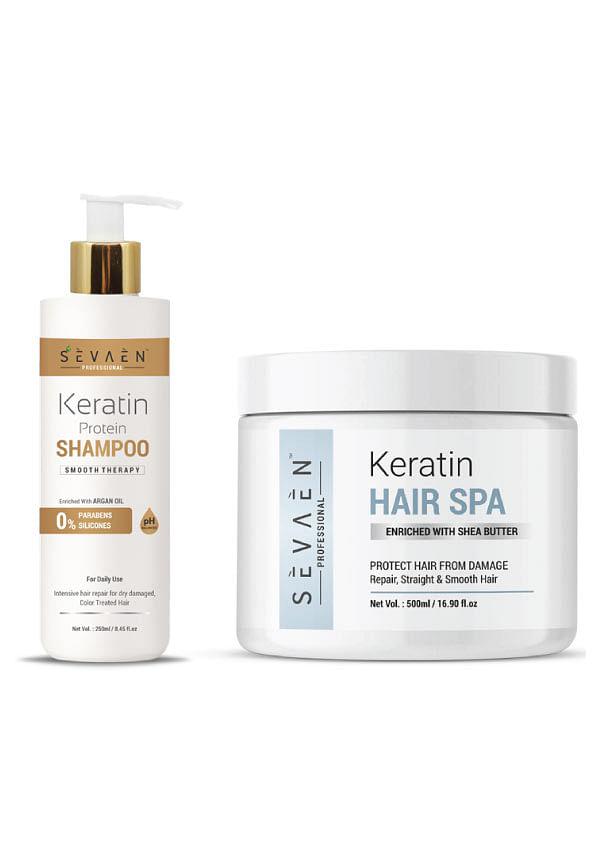
Keratin Shampoo And Hair Spa Cream For Hair Dry&Damage repair And strengthening&Smoothing Hair With Deep Conditioning Treatment
Soft & Shiny Hair
5“Leaves hair very soft and shiny”
Positive Product Review
5“nice product........good to use”
Positive Spa Cream Review
4“nice products...... spa cream is very nice”
Recovery from chemical damage isn't just about using the right products—it's about creating the optimal environment for your hair to heal. Think of it as putting your hair in recovery mode.
This might seem obvious, but it's worth saying: if your hair is chemically damaged, it needs a complete break from any further chemical processing. That means no more bleaching, colouring, perming, or relaxing until your hair has had time to recover. Even seemingly gentle treatments like highlights can cause further damage to already compromised strands.
Sometimes the kindest thing you can do for damaged hair is to cut off the worst of it. Split ends and severely damaged sections won't magically repair themselves, and they can actually travel up the hair shaft, causing more breakage. A good trim removes the most damaged parts and gives you a fresh starting point for your recovery journey.
Damaged hair needs a much gentler approach to cleansing. Switch to sulfate-free shampoos that won't strip away what little moisture your hair has left. Reduce your washing frequency to 2-3 times per week, and always finish with a cool water rinse to help seal the hair cuticles.
This is where the real magic happens. Deep conditioning treatments and hair masks for chemical damage can make a dramatic difference in how your hair looks and feels, but you need to choose the right ones for your specific damage type.
Your damaged hair needs intensive moisture and protein support, which means weekly deep conditioning sessions are non-negotiable:
Moisture-focused masks for dry, brittle hair that lacks hydration
Protein treatments for hair that stretches too much when wet
Combination treatments that provide both moisture and protein
Bond-building masks that work to repair structural damage
Apply your chosen mask to damp hair, focusing on the mid-lengths and ends where damage is typically worst. Leave on for the recommended time (usually 10-20 minutes) and rinse thoroughly with cool water.
Sometimes the best treatments come straight from your kitchen. These natural ingredients can provide serious repair benefits:
Egg and honey masks provide protein and moisture in one treatment
Avocado and olive oil deliver deep conditioning and essential fatty acids
Rice water rinses strengthen hair and add shine naturally
Coconut oil treatments penetrate the hair shaft to provide lasting moisture
Whilst weekly treatments are crucial, what you do daily makes just as much difference. Your routine should focus on protecting your hair from further damage whilst supporting its natural healing process.
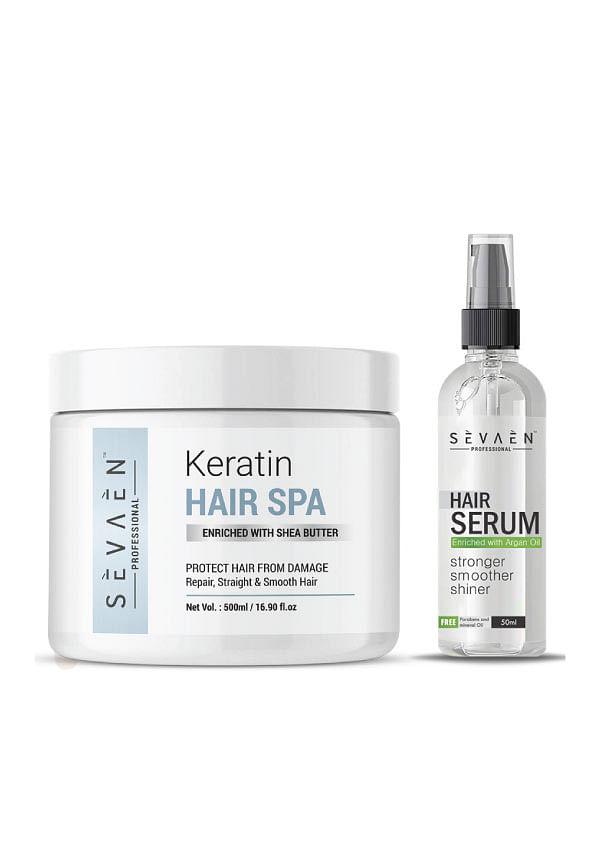
Keratin Hair Spa Cream And Hair Serum For Hair Dry&Damage repair And strengthening&Smoothing Hair With Deep Conditioning Treatment
Best Product Ever
5“best product ever loved it !!!!!”
Unexpectedly good, very moisturizing
5“I didn’t expect it to turn out so good. The mask is sooo mosturizing, that I am going to buy this again and again. ”
Effective Hair Combo
4“Nice combo for hair and also effictive”
Start each day by giving your hair the protection it needs:
Leave-in conditioner applied to damp hair for ongoing moisture
Heat protectant if you absolutely must use styling tools
Protective styling that minimises manipulation and friction
UV protection because sun damage can worsen chemical damage
Your nighttime routine is all about giving your hair the best possible environment to repair itself whilst you sleep. Apply nourishing oils like argan or castor oil to the ends of your hair, sleep on a silk pillowcase to reduce friction, and use gentle detangling techniques if you need to brush your hair.
One of the biggest challenges when dealing with chemically damaged hair is styling it without causing further harm. The good news is that heat-free styling methods can actually give you better results than traditional hot tools.
Heat styling on already damaged hair is like adding insult to injury. Your compromised strands simply can't handle the high temperatures that styling tools require:
Air-drying techniques that enhance your natural texture
Overnight curl methods using braids, twists, or foam rollers
Protective styling that keeps hair tucked away and safe
When heat is unavoidable, use the lowest effective temperature with a quality heat protectant
The less you manipulate damaged hair, the better chance it has to recover. Low-manipulation styles like loose braids, gentle buns, or protective scarves can keep your hair safe whilst it heals. Avoid tight elastics, metal clips, or anything that might cause additional breakage.
Sometimes the most effective hair repair treatments are hiding in your kitchen cupboard. Natural remedies can be incredibly powerful for restoring brittle hair, and they're often gentler than commercial treatments.
These everyday ingredients pack serious hair-healing power:
Apple cider vinegar rinses balance pH and smooth the hair cuticle
Coconut oil pre-wash treatments prevent protein loss during shampooing
Aloe vera gel soothes irritated scalps and provides lightweight moisture
Green tea rinses provide antioxidants that protect against further damage
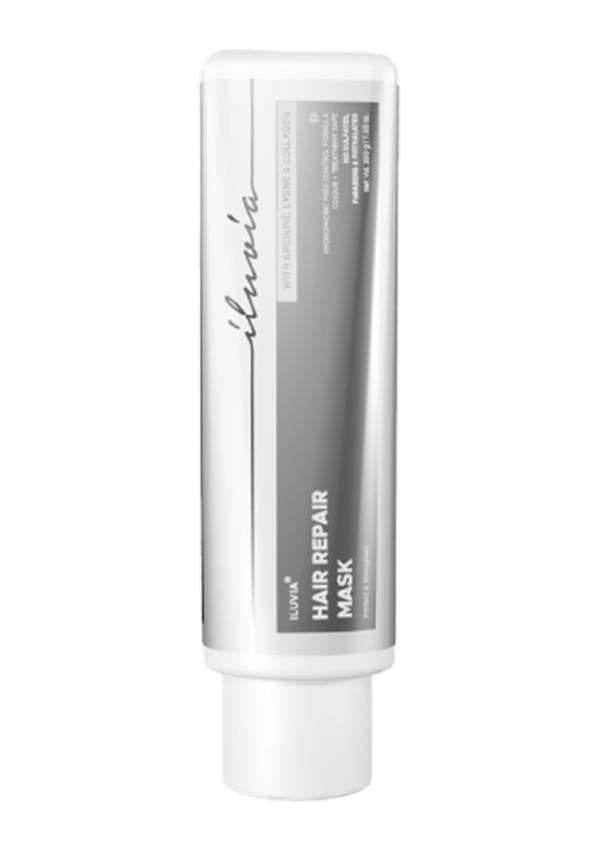
Hair Repair Mask | For damaged, dry, dull hair
Great for Dry Hair
5“Good for dry hair and make it more better ”
Positive App Experience
5“very good nice experience with this app , I referred a lot of people but never benefit given to me by this app, 😞”
Best Shampoo Ever
5“my favourite shampoo ever ......”
The key to successful hair recovery is consistency. Create a weekly schedule that includes protein treatments, moisture masks, and gentle styling. Track your progress by taking photos and noting how your hair feels—this will help you adjust your routine as your hair improves.
Hair that's already grown out of your scalp can't technically "heal" like skin does, but you can dramatically improve its condition with the right treatments. Severely damaged sections might need to be trimmed, but with proper care, you can restore strength, moisture, and manageability to compromised strands.
Recovery time depends on the extent of damage and your hair's natural growth rate. You might see improvements in texture and manageability within 2-4 weeks of starting a proper repair routine, but full recovery can take 3-6 months as new, healthy hair grows in.
You can definitely improve the condition of damaged hair without cutting, but severely split or broken ends won't magically reconnect. Focus on preventing further damage and improving the overall health of your hair, but be realistic about what treatments can achieve.
Protein treatments rebuild the structural integrity of damaged hair by filling in gaps in the hair shaft, whilst moisture treatments focus on hydration and flexibility. Chemically damaged hair usually needs both, but the balance depends on your specific damage type.
Try the stretch test: take a wet strand of hair and gently stretch it. If it stretches a lot before breaking, you need protein. If it snaps immediately without stretching, you need moisture. Many people with chemical damage need both. Platforms like Smytten make it easy to trial different protein and moisture treatments to find what works best for your hair.
Natural treatments can significantly improve the condition of chemically damaged hair, but they work more slowly than commercial treatments. Ingredients like coconut oil, honey, and avocado can provide moisture and some protein, but for severe damage, you'll likely need specialised repair products.
Fixing chemically damaged hair requires a multi-pronged approach that addresses both the structural and moisture needs of your strands. The most important steps are stopping further chemical processing, implementing a gentle cleansing routine, and using targeted treatments that rebuild protein bonds whilst restoring hydration. Remember that recovery takes time—your hair didn't become damaged overnight, and it won't heal overnight either. Be patient with the process and consistent with your routine. Focus on protecting your hair from further damage whilst supporting its natural recovery with the right combination of protein and moisture treatments. Most importantly, don't try to rush the process with more chemicals or heat styling, as this will only set back your progress.
Recovering from chemical hair damage might feel overwhelming, but with the right approach and products, you can absolutely restore your strands to health. The key is finding treatments that work for your specific type of damage, and that's where trial-sized products become invaluable. Smytten is India's largest product discovery and trial platform, connecting consumers with top lifestyle, beauty, wellness, and grooming brands. At its core, Smytten offers curated trial packs - mini-sized products from over 2,400 trusted brands such as Cetaphil, Dot & Key, True Elements, Oziva, Renee, Swiss Beauty Love, Beauty & Planet, WishCare, Carlton London and Bella Vita. This lets you explore different hair repair treatments and protein therapies before committing to full-size purchases. Each mini is linked with Trial Points, and you can get up to 10 Trial Points for just ₹279. Plus, Smytten offers 100% cashback on the purchase of these minis, redeemable in the shop section for future orders, making product discovery both affordable and rewarding. Whether you're looking for bond-building treatments, deep conditioning masks, or gentle cleansing products, you can try before you buy to find exactly what your damaged hair needs. After all, why settle for 'maybe' when you can #TryItAll!
