How to Find Your Perfect Curly Hair Type Solution

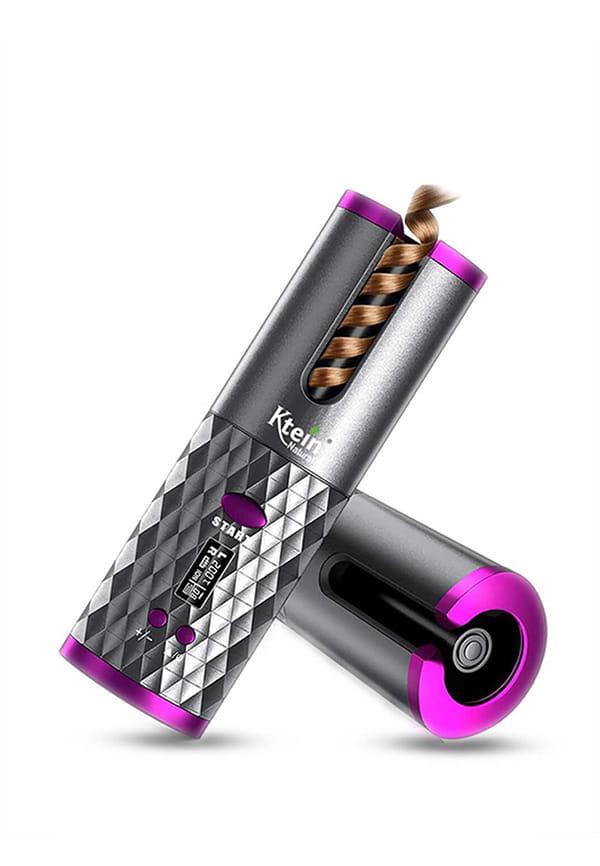
Elegance Curl Pro: Professional Hair Styler Kit for Effortless Waves and Curls
Let's be real—figuring out your curly hair type solutions can feel like solving a puzzle with missing pieces. One day your curls are bouncing perfectly, the next they're a frizzy mess that defies all logic. The truth is, curly hair care isn't one-size-fits-all, and what works for your friend might leave your natural curls looking less than stellar. Understanding your specific curl pattern, porosity, and density is the game-changer you've been waiting for. Once you crack the code of your unique curl personality, finding the right curly hair products and routine becomes so much easier. Ready to discover what your curls have been trying to tell you all along?
Before diving into curly hair type solutions, you need to know exactly what you're working with. Think of this as getting to know your curls on a deeper level—their quirks, their needs, and their potential. The curl classification system isn't just fancy haircare jargon; it's your roadmap to defined curls. From loose waves to tight coils, each pattern has its own personality and requirements.
Wavy hair (Type 2) ranges from barely-there bends to more pronounced S-patterns. Type 2A waves are subtle and fine, often getting weighed down easily. Type 2B creates more defined waves with some frizz, whilst Type 2C gives you strong waves that border on curly territory. Curly hair (Type 3) is where things get interesting. Type 3A curls are loose and springy, Type 3B forms tighter corkscrews, and Type 3C creates dense, fine curls that pack serious volume. Coily hair (Type 4) showcases the tightest curl patterns. Type 4A has soft coils, Type 4B creates Z-patterns, and Type 4C features the tightest, most fragile curl structure.
Start with freshly washed hair—no products, just your natural texture. Let it air dry completely and examine different sections. Your crown might be 3B whilst your nape could be 3A. Most people have multiple curl patterns, so don't stress about fitting into one perfect category.
Porosity determines how your hair absorbs and retains moisture. Low porosity hair repels water initially but holds onto moisture longer. High porosity hair drinks up products quickly but loses moisture just as fast. Density refers to how many strands you actually have—fine hair needs lightweight products, whilst thick hair can handle richer formulations.
Now that you know your curl personality, let's talk solutions. Each curl type has specific needs, and understanding these differences is crucial for managing curly hair effectively. The key is matching your curly hair products to your specific pattern and porosity. What gives your friend amazing curl definition might leave your hair limp or crunchy.
Waves need gentle encouragement, not heavy-handed styling. Look for lightweight mousses and curl creams that enhance your natural pattern without weighing it down. Scrunching with a microfibre towel helps encourage wave formation whilst reducing frizzy hair issues. For Type 2A, less is definitely more. A light leave-in conditioner and volumising mousse might be all you need. Type 2B and 2C can handle slightly richer products but still benefit from lightweight formulations.
Type 3 curls thrive on moisture and gentle handling. These curls need more hydration than waves but less heavy oils than coily hair. Curl creams and gels work brilliantly for curl definition, especially when applied to soaking wet hair using the praying hands method. The key to managing curly hair in this category is finding the right balance between moisture and hold. Too little moisture leads to frizz, whilst too much can cause curls to lose their shape.
Coily hair requires the most intensive moisture and gentle handling. These natural curls benefit from rich butters, oils, and leave-in conditioners. The LOC (Liquid, Oil, Cream) or LCO method works wonders for sealing in moisture. Protective styling becomes crucial here—not just for length retention, but for maintaining healthy curl structure. Regular deep conditioning treatments are non-negotiable for Type 4 hair.
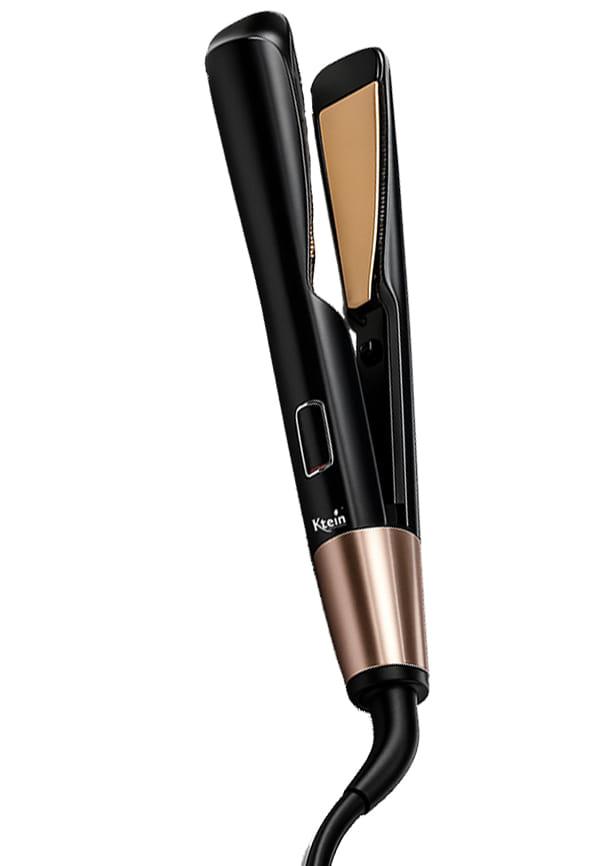
2-in-1 Hair Styler – Curl, Wave & Straighten with Twisted Ceramic Plate
Creating an effective curly hair routine isn't about copying someone else's method—it's about understanding what your specific curls need and when they need it. Consistency matters more than perfection. Start with basic steps and gradually add treatments as you understand your hair better.
Pre-wash treatments can transform your entire wash day experience. Oil treatments help protect your hair during cleansing, whilst scalp massages promote healthy growth. For high porosity hair, protein treatments before washing can help strengthen weakened cuticles. Detangling should always happen on wet, conditioned hair. Use a wide-tooth comb or your fingers, starting from the ends and working upwards. This prevents breakage and makes the washing process much gentler.
Sulphate-free shampoos are generally gentler, but some curls need occasional clarifying to remove product buildup. Co-washing (conditioner-only washing) works brilliantly for dry curl types but might not provide enough cleansing for oily scalps. The frequency depends on your lifestyle and hair needs. Some people wash weekly, others need to cleanse every few days. Listen to your scalp and adjust accordingly.
Conditioning is where the magic happens for curly hair care. Apply conditioner from mid-length to ends, avoiding the roots. Use this time to gently detangle and encourage curl formation. Leave-in conditioners provide ongoing moisture between wash days. Apply to damp hair for better absorption and distribution. The amount needed varies by hair density and porosity.
Navigating the world of curly hair products can feel overwhelming, but understanding your specific needs makes choosing much simpler. With platforms like Smytten offering trial-sized versions of popular haircare brands, you can test products before committing to full sizes. This approach is particularly valuable for curly hair, where finding the right product combination often requires experimentation.
Gentle, moisturising shampoos work best for most curl types. Look for ingredients like coconut-derived cleansers rather than harsh sulphates. Clarifying shampoos should be used sparingly—perhaps once a month or when you notice product buildup. Co-washes bridge the gap between shampoo and conditioner, providing gentle cleansing whilst adding moisture. They're particularly beneficial for Type 3 and 4 hair that tends towards dryness.
Curl creams provide moisture and light hold, perfect for enhancing natural curl patterns. Gels offer stronger hold and can help combat humidity-induced frizz. Mousses add volume whilst defining curls, making them ideal for fine, wavy hair. Layering products can create custom solutions—start with leave-in conditioner, add curl cream for moisture, then finish with gel for hold. The key is applying products to soaking wet hair for even distribution.
Deep conditioning masks should be part of every curly hair routine. Protein treatments help strengthen damaged hair, whilst moisture masks provide intensive hydration. The frequency depends on your hair's porosity and condition. Heat protectants are essential if you occasionally use heat styling tools. Look for products that provide thermal protection whilst maintaining curl definition.
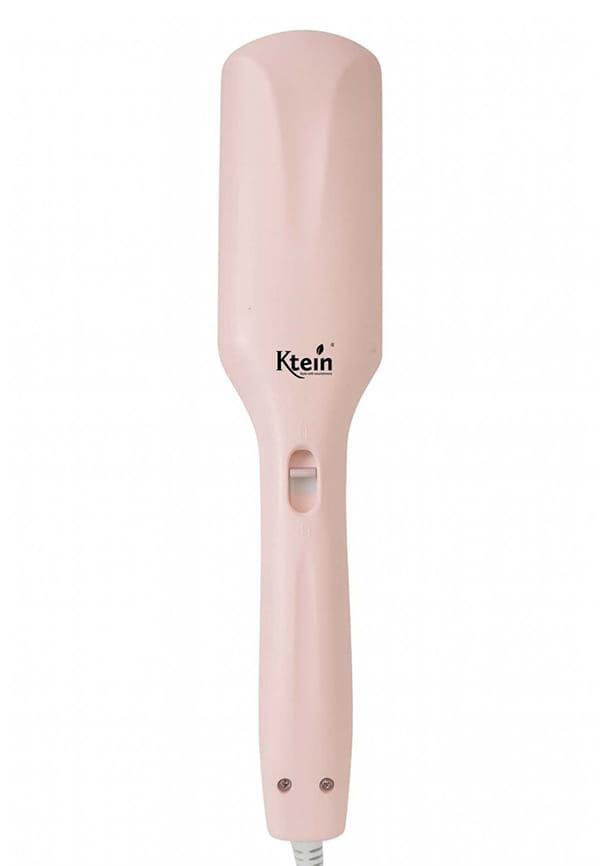
32mm Tourmaline Ceramic Hair Curler & V-Shaped Waver
Even with the right routine and products, curly hair can be unpredictable. Understanding common issues and their solutions helps you adapt when things don't go according to plan. Environmental factors, hormonal changes, and even stress can affect your curl pattern. Flexibility in your routine is key to maintaining healthy, defined curls.
Frizz often indicates moisture imbalance or mechanical damage. Check your drying method—rough towels and aggressive scrunching can disrupt curl formation. Microfibre towels or cotton t-shirts are gentler alternatives. Humidity affects different curl types differently. Some curls thrive in moisture, whilst others become unmanageable. Anti-humidity products can help, but sometimes embracing a slightly different texture is the better approach.
Curl placement affects your overall shape. Strategic layering can enhance your natural curl pattern and reduce bulk in heavy areas. Root clipping whilst drying can add volume to flat areas. Sometimes the issue isn't your products—it's your cut. Curly hair needs specific cutting techniques that work with, not against, your natural pattern.
Winter air is drier, so your curls might need richer products and more frequent deep conditioning. Summer humidity might require lighter products and stronger hold gels. Seasonal adjustments don't mean completely changing your routine—small tweaks in product weight or application frequency can make a significant difference.
Whilst many curly hair solutions can be managed at home, sometimes professional intervention provides better results. Understanding when to invest in professional services versus when DIY solutions suffice helps you make informed decisions about your curl care.
Specialised curl cuts like the DevaCut work with your natural curl pattern to enhance shape and reduce styling time. If your curls feel damaged or you're struggling with shape issues, professional treatments might be worth the investment. Colour services on curly hair require specific expertise. Curls are more fragile than straight hair, so professional colourists who understand curl structure can prevent damage.
DIY deep conditioning treatments using natural ingredients like honey, avocado, or coconut oil can be just as effective as salon treatments. The key is understanding your hair's specific needs and choosing ingredients accordingly. Regular trims at home are possible with the right tools and techniques, though major shape changes are best left to professionals.
Weekly routines might include one wash day with deep conditioning. Monthly treatments could involve protein treatments or clarifying washes. Seasonal adjustments help your curls adapt to changing environmental conditions. Track what works and what doesn't. Your curl needs might change over time, so flexibility in your routine is essential.
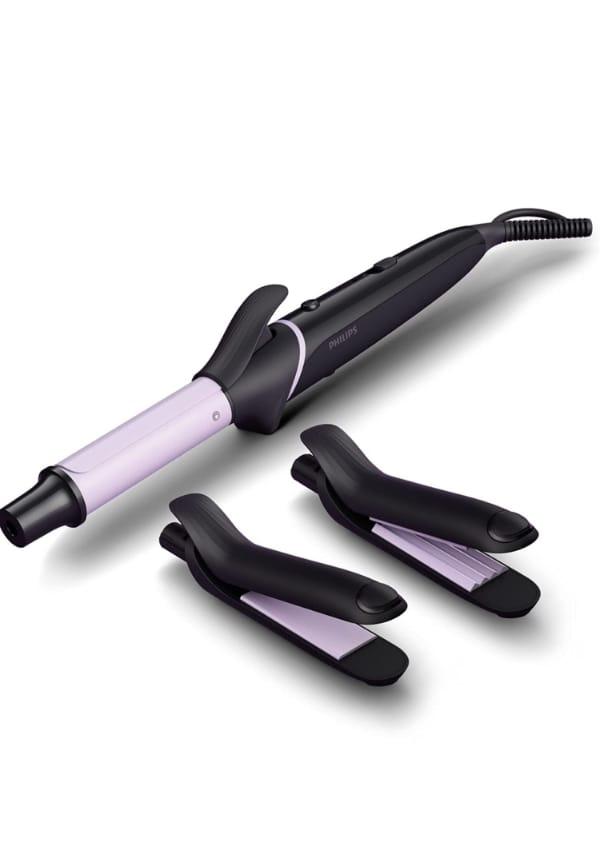
Crimp, Straighten or Curl with the single tool, quickly and without fear of heat damage
The best curly hair type solutions depend on your specific curl pattern, porosity, and lifestyle. Generally, gentle cleansing, adequate moisture, and products matched to your curl type provide the foundation for healthy curls.
Start simple with a gentle shampoo, moisturising conditioner, leave-in conditioner, and one styling product. Gradually add treatments and adjust products based on how your curls respond.
Anti-frizz serums, curl creams with humidity protection, and gels that provide hold without crunchiness work well. The key is applying products to wet hair and avoiding touching curls whilst they dry.
Most curly hair benefits from washing 1-3 times per week, depending on scalp oiliness, product buildup, and lifestyle factors. Over-washing can strip natural oils, whilst under-washing can lead to scalp issues.
Mild damage can often be improved with regular deep conditioning, protein treatments, and gentle handling. Severe damage might require professional intervention or significant length removal.
Wavy hair typically needs lighter products and less frequent washing, whilst coily hair requires richer formulations and more intensive moisture. The tighter the curl, the more moisture and gentle handling it usually needs.
Satin or silk pillowcases reduce friction, whilst protective styles like loose pineappling or medusa clipping preserve curl formation. Some people refresh with water and leave-in conditioner in the morning.
Using products meant for straight hair, brushing dry curls, over-washing, applying products to dry hair, and using rough towels are frequent mistakes that can damage curl structure and increase frizz.
Finding your perfect curly hair type solutions is a journey, not a destination. Your curls are unique, and what works for others might need tweaking for your specific needs. The key is understanding your curl pattern, porosity, and density, then building a routine that supports your hair's natural behaviour. Remember that consistency matters more than perfection. Start with basic steps and gradually refine your approach as you learn what your curls love. Don't be afraid to experiment—platforms like Smytten make it easier to try new curly hair products without the commitment of full-size purchases. With trial packs from trusted haircare brands, you can discover what works for your specific curl type before investing in larger sizes. Your curls deserve products and techniques that enhance their natural beauty. Whether you're dealing with loose waves or tight coils, the right combination of knowledge, products, and patience will help you achieve the defined, healthy curls you've been dreaming of. After all, why settle for 'maybe' when you can find exactly what your curls need?
