How to Find Porosity Levels for Healthy Hair

Salon Secret High Shine Conditioning Hair Colour
Ever wondered why your mate's haircare routine works like magic on them but leaves your locks looking meh? The secret might be hiding in something called hair porosity. Think of it as your hair's personality—some strands are super social and soak up everything, while others are a bit more selective about what they let in. Learning how to find porosity levels is like getting the cheat code to your hair's needs. Once you crack this, you'll know exactly what products will make your hair thrive and which ones to skip. Let's dive into the world of hair porosity and discover what your strands are really trying to tell you.
Hair porosity is basically how well your hair can absorb and hold onto moisture. Picture your hair strand like a roof—the outer layer (called the cuticle) has tiny scales that can be tightly shut, slightly open, or wide open. This hair structure determines how easily water, oils, and products can get in and stay put.
The cuticle layers are your hair's protective barrier. When they're healthy and lying flat, they create a smooth surface that reflects light (hello, shine!). But when they're raised or damaged, your hair becomes more porous. This affects everything from how your hair feels to how long your colour lasts and how well your styling products work.
Understanding your hair's porosity is crucial for hair health because it helps you choose the right products and techniques. Using heavy oils on low porosity hair? You'll end up with greasy, weighed-down strands. Skipping moisture on high porosity hair? Prepare for frizz city. Getting this right means healthier, more manageable hair that actually responds to your hair care efforts.
Not all hair is created equal, and that's where hair porosity types come into play. Think of these as your hair's three distinct personalities, each with their own quirks and needs.
Low porosity hair has cuticles that are tightly closed, creating a smooth, almost impenetrable surface. This hair type is like that friend who takes forever to warm up to new people—it's selective about what it lets in. Water and products tend to sit on the surface rather than penetrating quickly.
The upside? Once moisture gets in, it stays put beautifully. The downside? Getting products to actually penetrate can be a proper challenge. You might notice that conditioners and masks seem to just sit on your hair without really doing much, or that your hair takes ages to get fully wet in the shower.
Medium porosity hair is basically the Goldilocks of hair types—not too tight, not too open, but just right. The cuticles are slightly raised, allowing for balanced moisture absorption and retention. This is generally considered the healthiest porosity level because it maintains that sweet spot between protection and permeability.
If you've got medium porosity hair, you're pretty lucky. Your strands typically respond well to most products and styling techniques without too much fuss. You can experiment with different formulations and usually see good results.
High porosity hair has cuticles that are raised or damaged, often from chemical processing, heat styling, or environmental factors. Think of it as porous hair that's super thirsty—it drinks up moisture quickly but struggles to keep it locked in.
This hair type absorbs products rapidly but can also lose moisture just as fast, leading to dryness and frizz. You might notice that your hair gets wet quickly in the shower but also dries out faster than your mates' hair. The key challenge here is finding ways to seal in that moisture once it's absorbed.
Hot Curl Brushfor Hair Styling, Drying, Healthy Hair and Add Volume, Large (H2-PRL)
Ready to become a hair detective? These porosity test methods will help you figure out exactly what type of hair you're working with. The best part? You probably already have everything you need at home.
This is probably the most popular way to find porosity levels, and for good reason—it's simple and pretty reliable. Start with clean hair (product buildup can skew results), and gently pull out a few strands from different areas of your head.
Fill a clear glass with room temperature water and drop your hair strands in. Now comes the waiting game—give it about 5-10 minutes and see what happens. Low porosity hair will float on top because the tightly closed cuticles repel water. Medium porosity hair typically floats in the middle of the glass, while high porosity hair sinks to the bottom as it quickly absorbs water and becomes heavy.
Grab a spray bottle filled with water and section off a small piece of clean, dry hair. Give it a few spritzes and watch how your hair reacts. Low porosity hair will have water beading up and rolling off the surface—it's like your hair is wearing a raincoat.
Medium porosity hair will absorb the water at a moderate pace, while high porosity hair will soak it up almost immediately. This test is brilliant because you can see the results in real-time and it doesn't require any waiting around.
Sometimes your fingers can tell you everything you need to know. Take a single strand of hair and run your fingers from the tip towards the root. Low porosity hair will feel smooth and almost slippery because those cuticles are lying flat.
Medium porosity hair has a slight texture but still feels relatively smooth. High porosity hair will feel rough or bumpy as your fingers catch on the raised cuticles. This test works best when your hair is completely dry and product-free.
Pay attention to how long your hair takes to air dry after washing. Low porosity hair can take what feels like forever to dry completely—sometimes 6-8 hours or even overnight. This happens because water sits on the surface rather than being absorbed quickly.
Medium porosity hair typically dries in 2-4 hours, while high porosity hair might be dry within an hour or two. Keep in mind that hair thickness and length also affect drying time, so consider these factors when interpreting your results.
Apply a small amount of lightweight oil (like argan or jojoba) to a section of clean, damp hair. Watch how quickly it absorbs. Low porosity hair will leave the oil sitting on the surface for a while, making your hair look greasy.
Medium porosity hair absorbs the oil at a steady pace, while high porosity hair drinks it up almost immediately, often leaving you wanting to apply more. This test is particularly useful because it mimics how your hair will react to leave-in treatments and styling products.
Halal Care Hair Colour
Now that you know the individual tests, let's put together a proper testing strategy. Start with freshly washed hair that's free from any styling products, oils, or treatments. This gives you the most accurate baseline to work from.
Don't rely on just one test—combine at least two or three methods for the most reliable results. The float test and spritz test work particularly well together, while the touch test can help confirm what you're seeing. Take notes or even photos so you can track any changes over time.
Remember that your hair might have different porosity levels in different areas. The hair around your face and nape might be more damaged from styling tools, while the hair underneath could be in better condition. Test multiple sections to get a complete picture of your hair's needs.
Once you've cracked the code on your hair's porosity, it's time to tailor your routine accordingly. Each porosity type has its own preferences when it comes to products, techniques, and styling approaches.
Your tightly sealed cuticles need a bit of encouragement to let moisture in. Heat is your best friend here—use warm water when washing and consider using a hair steamer or sitting under a hooded dryer when doing deep treatments. The heat helps lift those stubborn cuticles just enough to let the good stuff in.
Stick to lightweight, water-based products that won't just sit on your hair's surface. Look for ingredients like glycerin and aloe vera that can penetrate more easily. Avoid heavy creams and butters that will just weigh your hair down and create buildup.
You've hit the hair lottery with medium porosity, so your routine can be pretty straightforward. Your hair can handle a variety of products and techniques without too much drama. Focus on maintaining this healthy balance with regular protein treatments and moisture masks.
You can experiment with different product weights and formulations to see what your hair likes best. Just keep an eye on any changes—chemical treatments or excessive heat styling can push you towards higher porosity over time.
Your hair is thirsty and needs all the moisture it can get. Heavy creams, butters, and oils are your friends here. Look for products with ingredients like shea butter, coconut oil, and proteins that can help fill in the gaps in your cuticles.
Seal in moisture with heavier products and consider using the LOC (liquid, oil, cream) method to layer hydration. Protein treatments can help temporarily fill in the damaged cuticles, but don't overdo it—too much protein can make your hair brittle.
One of the biggest mistakes people make is assuming their hair porosity never changes. Chemical treatments, heat styling, sun exposure, and even hard water can alter your hair's porosity over time. What worked for your hair last year might not be the best approach now.
Another common error is using the wrong products for your porosity type. Heavy oils on low porosity hair or lightweight products on high porosity hair will leave you frustrated and wondering why nothing seems to work. When you understand your hair's porosity, product shopping becomes so much easier.
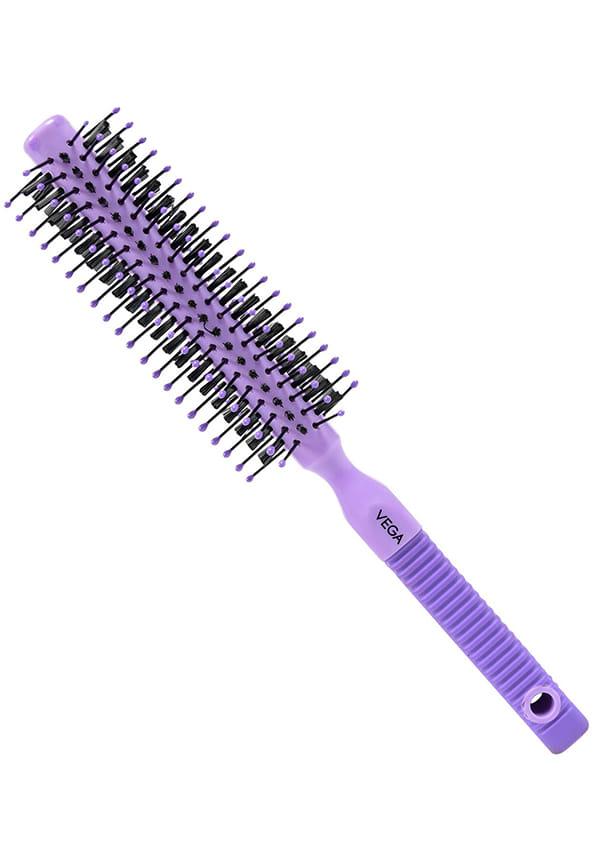
Round Hair Brushfor Adding Curls, Volume & Waves In Hairs| Men and Women| All Hair Types, Color May Vary (R2-RB)
Don't forget that porosity is just one piece of the puzzle. Your hair's thickness, curl pattern, and overall health also play roles in determining the best care routine. Use porosity as a guide, but listen to what your hair is telling you through touch, appearance, and how it responds to different treatments.
This is where platforms like Smytten become incredibly valuable for your haircare journey. With curated trial packs from trusted brands, you can test different products suited to your specific porosity type without committing to full-size purchases. Whether you need lightweight formulas for low porosity hair or intensive treatments for high porosity strands, you can explore what works best for your unique hair structure.
Medium porosity hair is considered the healthiest because it maintains the perfect balance between moisture absorption and retention. The cuticles are slightly raised, allowing for optimal product penetration while still providing good protection.
Test your hair porosity every 3-6 months or after any chemical treatments like colouring, relaxing, or perming. Environmental factors and styling habits can also change your hair's porosity over time.
Absolutely. Chemical processing, heat styling, sun exposure, and environmental damage can increase your hair's porosity. While you can't reverse damage completely, proper care can help improve your hair's condition.
High porosity hair benefits from heavy creams, butters, and oils that can seal in moisture. Look for products with ingredients like shea butter, coconut oil, and proteins. Low porosity hair needs lightweight, water-based products that won't cause buildup.
Use the spritz test, touch test, or drying time method as alternatives to the float test. These methods don't require removing hair strands and can give you reliable results about your hair's porosity level.
Not necessarily. While damage often increases porosity, some people naturally have higher porosity hair. However, most high porosity hair results from chemical processing, heat damage, or environmental factors.
Understanding how to find porosity levels is like having a roadmap to better hair health. Once you know whether your hair is the selective type that needs gentle coaxing or the thirsty type that drinks up everything, you can make smarter choices about products and techniques.
Remember, there's no "bad" porosity type—just different needs that require different approaches. Low porosity hair might need more patience and heat to accept treatments, while high porosity hair craves intensive moisture and protection. Medium porosity hair gets to enjoy the best of both worlds with its balanced nature.
The key is to work with your hair's natural characteristics rather than against them. Regular testing helps you stay on top of any changes, especially if you love experimenting with new styles or treatments. With Smytten's extensive range of haircare trial packs from over 1,500 trusted brands, you can discover products perfectly suited to your porosity type without the guesswork. From lightweight formulas for low porosity hair to intensive treatments for high porosity strands, you can explore what works best for your unique hair needs. After all, why settle for 'maybe' when you can find your perfect haircare match and truly #TryItAll?
