How to Do a Hair Porosity Test & Find Solutions

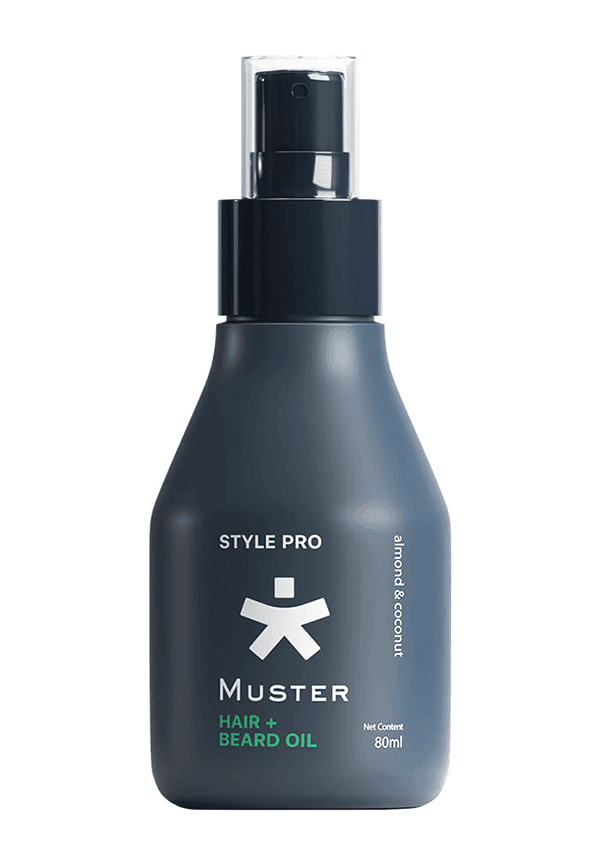
Style Pro Hair & Beard Oil
Great Product
 5
5“nice product very useful good results”
Price Concerns
5“Cheaper But still Higher discount is needed”
Great Product Quality
5“nice product nice quality nice”
Ever wondered why some products work magic on your friend's hair but leave yours looking flat or frizzy? The answer might lie in something called hair porosity—basically how well your hair absorbs and holds onto moisture. Think of it as your hair's drinking habits: some strands are like sponges that soak up everything, while others are more like waterproof jackets that repel moisture. Understanding your hair's porosity level is honestly a game-changer for your haircare routine. Once you know whether you have low, medium, or high porosity hair, you can finally stop playing guessing games with products and start giving your hair exactly what it needs. The best part? You can figure this out at home with simple tests that take just a few minutes. With platforms like Smytten offering trial-sized versions of top haircare brands, you can test products that match your porosity type without committing to full-size purchases—because let's be real, nobody wants another expensive product sitting unused in their bathroom cabinet.
TL;DR
Hair porosity determines how well your hair absorbs and retains moisture—it's the key to choosing the right products
Three simple at-home tests (float, slide, and spray) can reveal whether you have low, medium, or high porosity hair
Low porosity hair needs lightweight, water-based products and heat to help absorption
High porosity hair requires heavy creams, sealing oils, and protein treatments to lock in moisture
Medium porosity hair is the sweet spot that's easiest to maintain with balanced products
Hair porosity explained simply: it's your hair's ability to absorb and hold onto moisture. Picture your hair strand as having tiny overlapping scales called cuticles—kind of like roof shingles. When these cuticles are tightly closed, your hair has low porosity. When they're wide open or damaged, you've got high porosity hair. And when they're just right? That's medium porosity, which is basically the Goldilocks zone of hair health.
Here's why this matters more than you might think. Your hair's porosity level affects everything from how long it takes to dry after washing to whether that expensive hair mask actually does anything. If you've ever felt like products just sit on top of your hair or disappear without a trace, porosity is likely the culprit. Understanding this helps you choose products that actually work with your hair's natural structure instead of fighting against it.
Ready to solve the mystery of your hair's porosity? These three tests are your detective tools, and the best part is you probably already have everything you need at home. Just make sure your hair is clean and free from any styling products before you start—otherwise, you'll get skewed results.
This is probably the most popular hair porosity test, and for good reason—it's super straightforward. Fill a clear glass with room temperature water and drop a clean strand of your hair into it. Now comes the waiting game, but it's worth it for the insights you'll get.
If your hair floats on the surface for several minutes, you've got **low porosity hair**. Those tightly closed cuticles are basically giving water the cold shoulder. Hair that slowly sinks to the middle of the glass indicates **medium porosity**—your cuticles are playing nice with moisture. And if your strand drops to the bottom like a stone? That's **high porosity hair** with cuticles that are wide open and ready to absorb everything.
This one's all about texture, and it's perfect if you want instant results. Take a strand of clean, dry hair and slide your fingers from the tip towards the root. Pay attention to how it feels under your fingertips.
Smooth sailing with barely any bumps? You're looking at low porosity hair with those cuticles lying flat. Feel some texture but nothing too dramatic? That's medium porosity. But if it feels rough, bumpy, or catches on your fingers, you've got high porosity hair where the cuticles are raised and possibly damaged.
Grab a spray bottle filled with water and mist a section of clean, dry hair. Watch what happens in the first few seconds—this test is all about that initial reaction.
Water beading up and rolling off like your hair is waterproof? Low porosity confirmed. If the water sits on the surface for a moment before slowly absorbing, you're in medium porosity territory. Instant absorption where the water seems to disappear immediately? High porosity hair is drinking up that moisture fast.
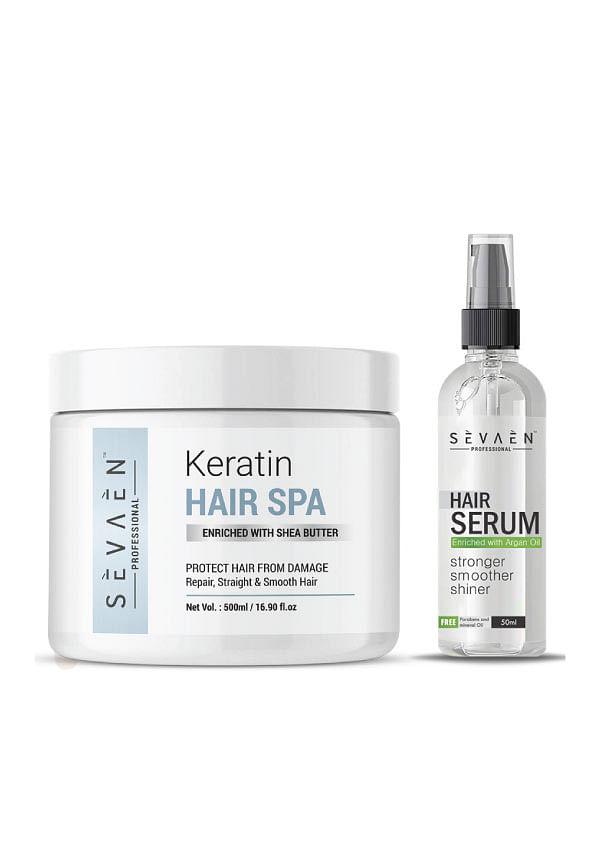
Keratin Hair Spa Cream And Hair Serum For Hair Dry&Damage repair And strengthening&Smoothing Hair With Deep Conditioning Treatment
Best Product Ever
5“best product ever loved it !!!!!”
Unexpectedly good, very moisturizing
5“I didn’t expect it to turn out so good. The mask is sooo mosturizing, that I am going to buy this again and again. ”
Effective Hair Combo
4“Nice combo for hair and also effictive”
Now that you've done the tests, let's decode what your results actually mean for your daily haircare routine. Each porosity type has its own personality, and once you understand yours, everything starts to make sense.
Low porosity hair is basically the introvert of the hair world—it takes time to warm up to new products. Those tightly closed cuticles mean your hair is naturally resistant to moisture, which can be both a blessing and a curse.
You'll notice water beads up on your hair when you first get in the shower, and it takes forever to get fully wet. Products tend to sit on the surface rather than penetrating, which can lead to buildup. Your hair probably takes ages to dry naturally, but once it's styled, it tends to hold that style for days. The downside? Getting moisture and treatments to actually penetrate can feel like trying to get into an exclusive club.
Consider yourself lucky if you landed here—medium porosity hair is basically winning the genetic lottery. Your cuticles are just open enough to let moisture in but closed enough to keep it there.
Your hair probably accepts most products well, dries at a reasonable pace, and holds styles without too much fuss. You can experiment with different treatments and products without worrying about damage or buildup. The key is maintaining this balance through gentle care and not overdoing it with harsh treatments.
High porosity hair is the extrovert—it absorbs everything quickly but struggles to hold onto moisture. This usually happens due to chemical processing, heat damage, or environmental factors that have lifted or damaged the cuticles.
Your hair gets wet instantly in the shower and dries super fast, sometimes too fast. It's prone to frizz, especially in humid weather, because those open cuticles let moisture in and out freely. Products seem to disappear into your hair, and you might find yourself using more product than friends with other porosity types. The good news? Your hair is very responsive to treatments when you use the right approach.
If you've got low porosity hair, your mission is all about convincing those stubborn cuticles to open up and let the good stuff in. It's not about forcing your way in—it's about gentle persuasion and smart techniques.
Heat is your best friend when it comes to encouraging those cuticles to lift slightly. Try washing your hair with warm (not hot) water, and consider using a steamer or sitting under a hooded dryer when doing deep treatments. The gentle heat helps products penetrate better without causing damage.
Regular clarifying shampoo sessions are crucial for removing buildup that can make low porosity hair even more resistant to moisture. Aim for once a week or every other week, depending on how much product you use. Apple cider vinegar rinses can also help remove buildup while maintaining your hair's natural pH balance.
Think lightweight and water-based when shopping for low porosity hair products. Heavy creams and butters will just sit on your hair like an unwelcome guest. Look for products with humectants like glycerin that can attract moisture to your hair.
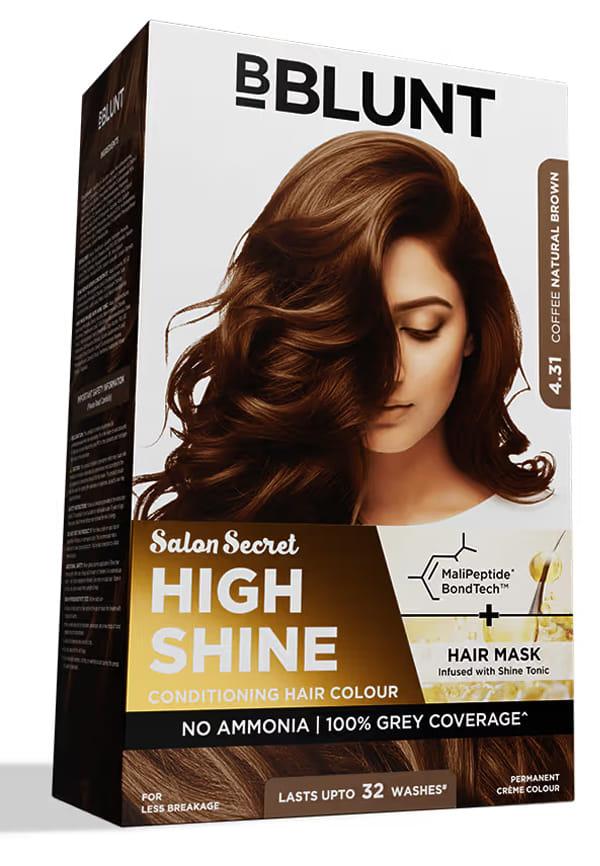
Salon Secret High Shine Conditioning Hair Colour
Good Product, Suits Hair
4“really good product. suits my hair”
Good Product for Hair Shine & Color
5“good product gives shine to hair and colour stays for longer time”
Does what it says
5“Nice. Does exactly what it says on the pack.”
Avoid protein-heavy treatments unless your hair is damaged—low porosity hair can easily become protein overloaded, leading to stiff, brittle strands. Instead, focus on moisturising treatments with ingredients like aloe vera, honey, and light oils like argan or jojoba.
High porosity hair needs a completely different approach—it's all about sealing in moisture and filling in those gaps where the cuticles are damaged or lifted. Think of it as giving your hair a protective shield.
Cold water rinses are your secret weapon for temporarily closing those cuticles and sealing in moisture. After conditioning, give your hair a final rinse with cool water to help smooth down the cuticles.
Protein treatments are essential for high porosity hair because they help fill in the gaps in damaged cuticles. Look for treatments with hydrolysed proteins that can penetrate the hair shaft. However, balance is key—too much protein can make your hair brittle, so alternate protein treatments with moisturising ones.
Heavy, creamy formulations are perfect for high porosity hair. Think rich leave-in conditioners, hair butters, and sealing oils like coconut oil, which has molecules small enough to penetrate the hair shaft.
Layer your products strategically: start with a water-based leave-in conditioner, follow with a cream, and seal everything in with an oil. This technique, often called the LOC method (Liquid, Oil, Cream) or LCO method, helps lock moisture into those thirsty strands.
Creating a routine that works with your hair's porosity level is like having a personalised roadmap to healthy hair. Each porosity type needs its own approach, but consistency is key across the board.
For **low porosity hair**, focus on clarifying once a week to remove buildup, followed by a lightweight deep conditioning treatment with heat. Use water-based leave-ins and avoid heavy oils that can weigh your hair down.
**Medium porosity hair** can handle a more flexible routine. Deep condition every 1-2 weeks, alternate between protein and moisture treatments based on your hair's needs, and maintain with balanced products that aren't too heavy or too light.
**High porosity hair** needs intensive moisture weekly. Deep condition with protein treatments every 2-3 weeks, use heavy leave-ins daily, and seal with oils. Consider protective styles to minimise further damage from environmental factors.
While at-home treatments can work wonders, sometimes professional help is worth the investment. If you have severely damaged high porosity hair, a salon treatment with professional-grade proteins and moisture can jumpstart your hair's recovery.
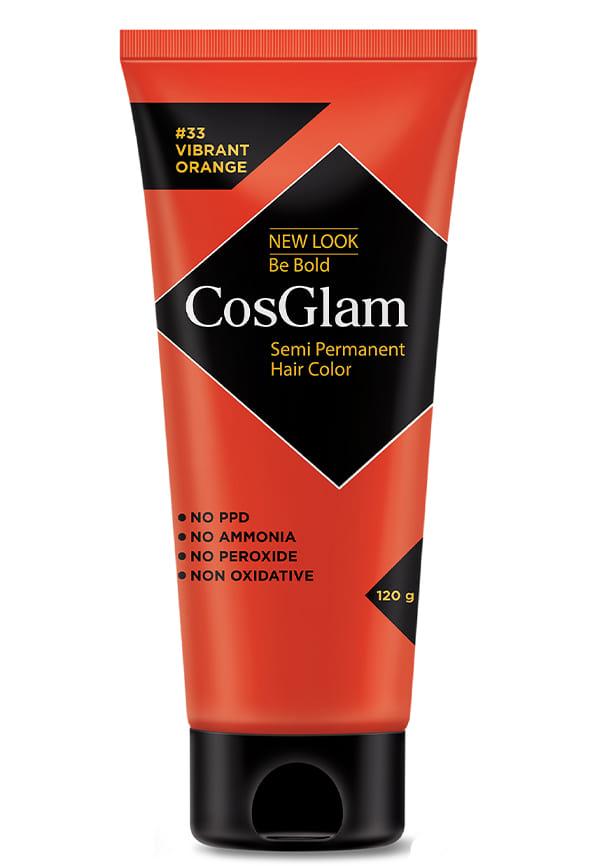
Nisha Cosglam Semi Permanent Hair Color, PPD & Ammonia Free | Electric Teal | 120gm Tube | Pack of 1
Pleasant Use, No Skin Benefits
5“perfect good and does nothing to the skin it's just fascinating to use”
For DIY enthusiasts, simple ingredients like honey, avocado, and eggs can create effective treatments. Low porosity hair benefits from honey and aloe vera masks, while high porosity hair loves protein-rich egg treatments and heavy oil masks.
The most reliable method is the float test using clean, product-free hair in a glass of room temperature water. Combine this with the slide test for texture to get a complete picture of your hair's porosity level.
Frizzy hair is typically high porosity because the raised cuticles allow moisture to enter and exit freely, causing the hair shaft to swell and create frizz, especially in humid conditions.
Key indicators include water beading on your hair, products sitting on the surface, slow drying time, and difficulty getting your hair fully wet in the shower. Your hair might also resist chemical processes like colouring.
Yes, hair porosity can change due to chemical processing, heat styling, environmental damage, and ageing. Most people start with low to medium porosity and develop higher porosity through damage over time.
Medium porosity is considered ideal because it allows for optimal moisture absorption and retention without being too resistant or too porous. However, any porosity type can be healthy with proper care.
Test your hair porosity every 3-6 months or after significant chemical treatments. This helps you adjust your product choices accordingly, and with Smytten's trial packs, you can experiment with new formulations as your hair's needs change.
Understanding your hair porosity is honestly one of the best things you can do for your haircare routine. It takes the guesswork out of product selection and helps you understand why certain techniques work better than others. Remember, there's no "bad" porosity type—just different needs that require different approaches.
The key is working with your hair's natural characteristics rather than against them. Low porosity hair needs gentle encouragement to accept moisture, medium porosity hair thrives with balanced care, and high porosity hair requires intensive moisture and protection. Once you know your hair's porosity level, you can make informed decisions about products, treatments, and styling techniques.
Discovering your hair's porosity level is just the beginning of your journey to healthier hair. With this knowledge, you can make smarter choices about the products you invest in and the treatments you try. Smytten makes this exploration even easier by offering trial packs from over 2,400 trusted haircare brands, so you can test products that match your specific porosity type without the commitment of full-size purchases. With 100% cashback on trial minis and the convenience of trying before you buy, you can experiment with confidence until you find your perfect haircare match. After all, why settle for 'maybe' when you can #TryItAll and discover what truly works for your unique hair needs?
