How to Discreetly Remove Private Part Hair with Ease

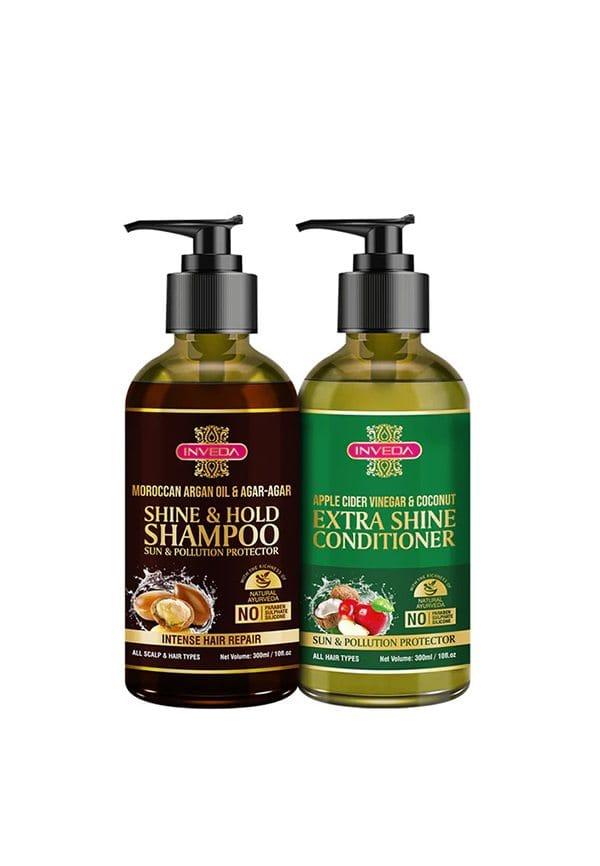
Anti Hairfall Expert Kit
Let's be real—private part hair removal can feel like navigating a minefield of awkward conversations, confusing products, and endless worry about what's actually safe down there. Whether you're prepping for a special occasion or just want to feel more comfortable in your own skin, intimate hair removal doesn't have to be stressful or risky. The key is finding the right method for your body and comfort level, while keeping things gentle and discreet. From simple trimming to more advanced techniques, there are plenty of ways to manage intimate hair maintenance without compromising your skin's health or your peace of mind.
When it comes to private part hair removal, you've got options—and that's actually brilliant news. Each method comes with its own set of benefits and considerations, so understanding what works best for your lifestyle and skin sensitivity is crucial. The main techniques fall into a few categories: temporary solutions like shaving and trimming, semi-permanent options like waxing and hair removal creams, and longer-lasting treatments like laser removal. Your choice might depend on factors like pain tolerance, budget, time constraints, and how long you want results to last.
Trimming offers the gentlest approach with minimal irritation risk, perfect for beginners or sensitive skin types. Shaving provides smooth results but requires regular maintenance and careful technique. Waxing delivers longer-lasting smoothness but comes with more discomfort upfront. Hair removal creams work chemically to dissolve hair but need patch testing for safety.
Safety should always be your top priority when dealing with sensitive area hair care. The intimate zone has thinner, more delicate skin that's prone to irritation, so gentle approaches work best.
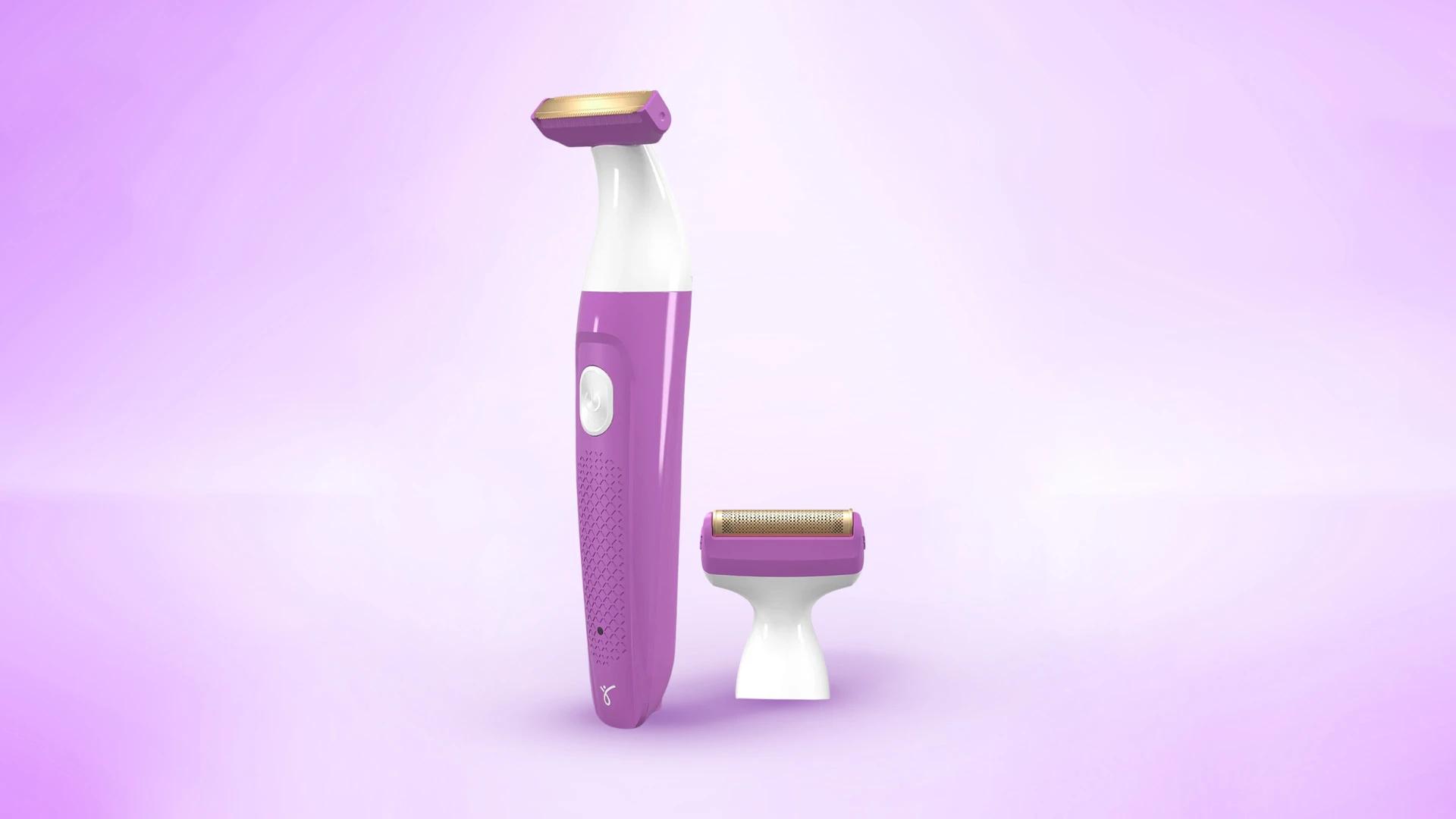
Trimming is honestly the most foolproof method for intimate hair trimming. It reduces length without completely removing hair, which means less irritation and virtually zero risk of cuts or ingrown hairs. Use small scissors designed for body grooming or an electric trimmer with a guard. Always trim when hair is completely dry, and work in good lighting to avoid accidents.
Shaving can give you that smooth feeling, but technique matters hugely. Always use a sharp, clean razor—dull blades cause more irritation and increase cut risk. Shave in the direction of hair growth first, then against it if needed for closer results. Never dry shave; use a gentle shaving cream or gel designed for sensitive skin.
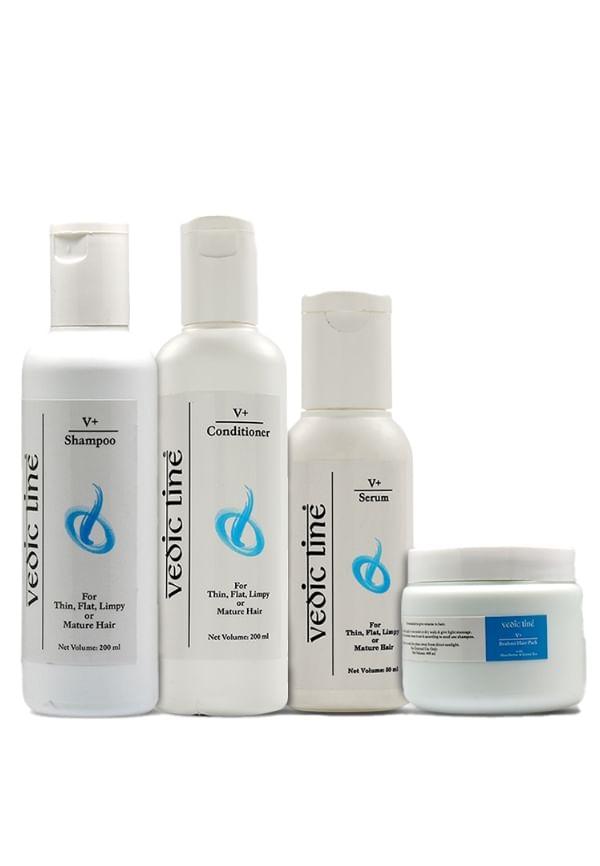
Anti-Thinning Hair Treatment Kit
Waxing removes hair from the root, giving you weeks of smoothness. Professional waxing ensures proper technique and hygiene, but at-home kits can work if you're comfortable with the process. The hair needs to be about 6mm long for effective waxing, and you'll want to avoid waxing during your period when skin sensitivity peaks.
Specialised intimate area hair removal creams dissolve hair at skin level. Look for products specifically formulated for delicate hair removal techniques in sensitive zones. Always patch test 24-48 hours before full application, and never exceed recommended timing—chemical burns are a real risk if you leave cream on too long.
For those seeking longer-term solutions, advanced methods offer promising results, though they typically require more investment in time and money. Laser hair removal has become increasingly popular for intimate hair maintenance because it can provide permanent hair reduction. Professional treatments work by targeting hair follicles with concentrated light, gradually reducing hair growth over multiple sessions. Home laser devices are available but tend to be less powerful than professional equipment.
Professional treatments offer stronger technology and expert application, but they're more expensive and require multiple appointments. At-home devices provide convenience and privacy but may take longer to show results.
Epilators mechanically remove hair from the root using rotating tweezers. They can be quite uncomfortable initially but get easier with regular use. Results last similar to waxing—about 2-4 weeks.
No matter which method you choose for private hair grooming, preventing complications should be a priority. The most common issues include ingrown hairs, razor burn, and general irritation. Ingrown hairs happen when hair grows back into the skin instead of outward. Regular exfoliation helps prevent this, but be gentle—harsh scrubbing can cause micro-tears. Use a soft cloth or gentle exfoliating product 2-3 times per week.
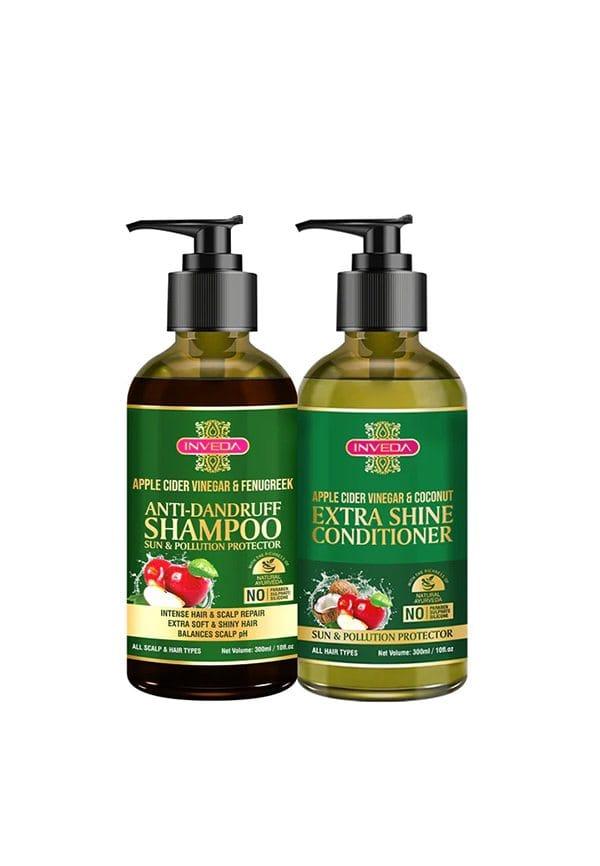
Anti Dandruff Expert Kit
After any hair removal, your skin needs TLC. Avoid tight clothing for 24-48 hours to prevent friction irritation. Skip fragranced products, hot baths, and intense exercise immediately after hair removal. Cool compresses can soothe any immediate discomfort.
If you experience persistent irritation, signs of infection like pus or excessive redness, or severe ingrown hairs, consult a dermatologist. Some skin types are simply more prone to complications with certain hair removal methods.
Everyone's body and preferences are different, which means your approach to bikini line hair management should be personalised to your specific situation. Age can affect skin sensitivity and hair growth patterns. Younger skin might be more resilient but also more reactive to new products. Mature skin may require gentler approaches and more moisturising care. Hormonal changes during pregnancy, menopause, or due to medications can also impact how your skin responds to different hair removal methods.
Understanding your hair growth cycle helps optimise timing for different methods. Hair grows in phases, and some methods work better at specific growth stages. For waxing, hair should be in the active growth phase and long enough for the wax to grip effectively.
Comfort and privacy are often just as important as results when it comes to discreet hair removal solutions. Creating a routine that feels manageable and stress-free makes the whole process much more pleasant. Timing matters—plan hair removal when you have adequate time and won't be rushed. This reduces mistakes and stress. If you're trying a new method, test it on a small area first, ideally when you have a few days to monitor your skin's reaction.
Having the right tools makes everything easier and safer. A good basic kit includes quality razors or trimmer, gentle shaving cream, soothing aftercare products, and clean towels. Store everything in a clean, dry place to prevent bacterial growth.
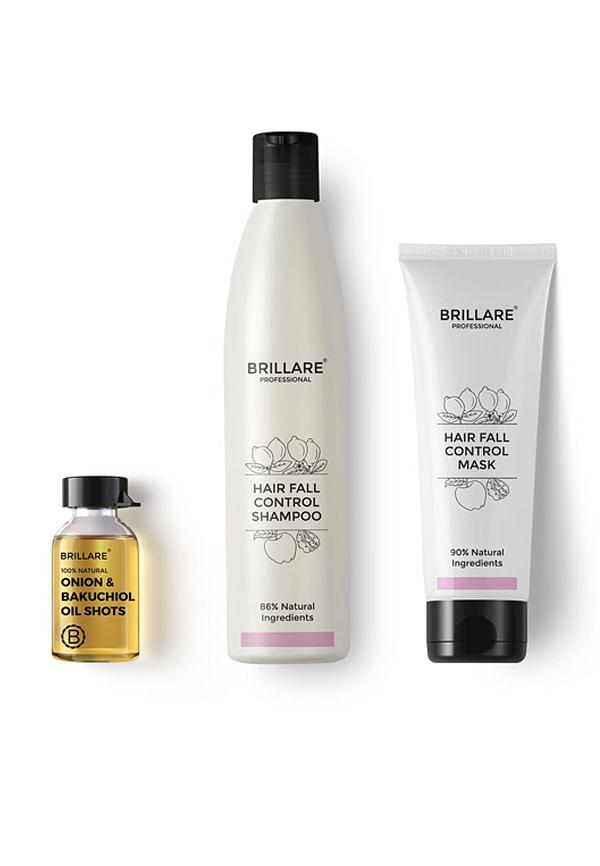
Anti Hair Fall Treatment Combo
Excellent Product Combo
 5
5“best combo I have purchased .”
Loved the product
5“loved it! love the product 👍👍👍”
Positive Product Review
5“a good product...good packaging...does the job...”
If you're using methods like waxing or epilating, pain management techniques can help. Taking an over-the-counter pain reliever 30 minutes before treatment can reduce discomfort. Some people find that scheduling treatments for after their period, when pain tolerance is typically higher, works better. Speaking of trying new products, Smytten makes it easy to test different hair removal and skincare products before committing to full sizes. With over 1,500 trusted brands and curated trial packs, you can discover what works best for your skin without the risk of wasting money on products that might not suit you. The platform's Trial Points system lets you explore up to 8 minis for just ₹249, with 100% cashback redeemable for future purchases.
This depends entirely on your personal preference and chosen method. Trimming can be done weekly, shaving every few days, waxing every 3-6 weeks, and laser treatments are spaced 6-8 weeks apart initially.
Only use creams specifically formulated for intimate areas. Always patch test first and never exceed recommended application times. If you have sensitive skin or allergies, consult a dermatologist before trying chemical hair removal.
Trimming is virtually painless, followed by shaving when done properly. Hair removal creams cause no physical pain during application, though some people experience mild tingling. Waxing and epilating are the most uncomfortable initially.
Use gentle, fragrance-free products, avoid tight clothing for 24-48 hours, skip hot baths immediately after treatment, and moisturise with soothing, unscented lotions. Cool compresses can help reduce immediate irritation.
While some people try sugar waxing or turmeric-based pastes, these aren't necessarily safer or more effective than commercial products designed for intimate areas. Natural doesn't always mean gentler, especially for sensitive skin.
Finding your perfect approach to personal grooming for private areas is all about experimenting safely and listening to your body. What works brilliantly for your friend might not suit your skin type or lifestyle, and that's completely normal. Start with gentler methods like trimming or careful shaving, then explore other options if you want different results. Remember that there's no 'right' way to manage intimate hair—it's entirely your choice whether you remove it, trim it, or leave it natural. The most important thing is that whatever you choose feels comfortable and confident for you. With the right technique, quality products, and a bit of patience, you can achieve the results you want while keeping your skin healthy and happy.
