How to Diagnose and Tackle Your Thin Hair Challenges

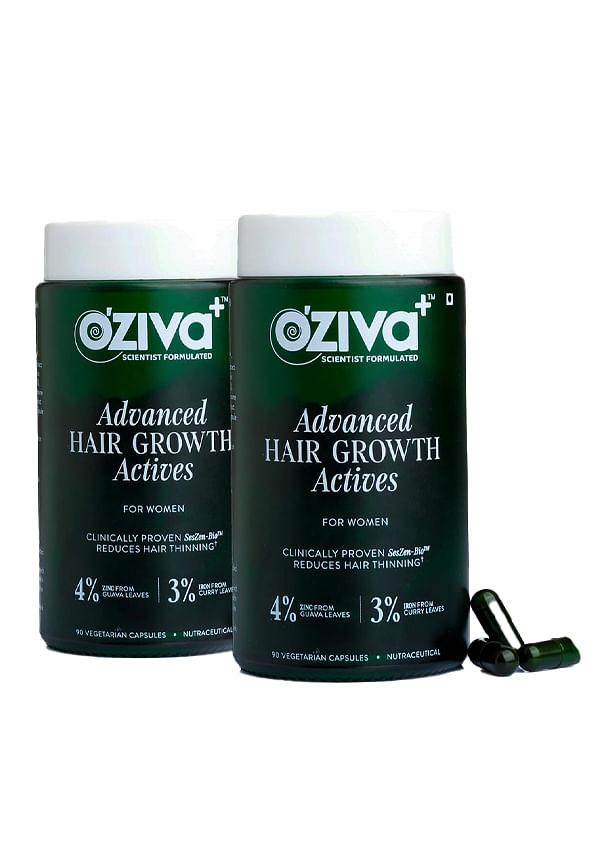
Advanced Hair Growth Actives | Anti-Thinning Hair Formula for Women
Dealing with thin hair can feel like a proper nightmare, especially when you're not sure if what you're seeing is normal or something to worry about. Let's be real—understanding thin hair problem starts with knowing what you're actually dealing with. Whether it's genetics playing tricks on you, lifestyle choices catching up, or something else entirely, getting to the bottom of your hair concerns is the first step towards finding solutions that actually work. The good news? Most hair thinning issues are totally manageable once you know what's causing them and which approaches might just become your new fave.
First things first—let's clear up the confusion between thin hair, fine hair, and actual hair loss. They're not the same thing, and knowing the difference is crucial for understanding thin hair problem properly. Fine hair refers to the actual diameter of each strand. You can have loads of fine hair that looks perfectly full. Thin hair, on the other hand, is about hair density—basically, how many strands you've got per square inch of scalp. Hair loss is when you're actively losing more hair than you're growing back.
Spotting early signs can help you tackle thin hair causes before they become major concerns. Here's what to watch for: • Your scalp becomes more visible, especially under bright lights • Your ponytail feels noticeably smaller than it used to • You're finding more hair on your pillow, in the shower, or on your brush • Your parting looks wider than before • Photos show your scalp more clearly than in the past
Try the ponytail test—measure your ponytail's circumference with a hair tie. If it's gotten smaller over time, that's a sign of reduced hair density. You can also do a gentle pull test: grasp about 60 strands between your thumb and forefinger, then pull slowly. Losing more than 6 strands might indicate thinning.
Understanding what's causing your hair to thin is half the battle won. Thin hair causes are surprisingly varied, and often it's a combination of factors rather than just one culprit. Genetics play a massive role in hair density and thickness. If your parents or grandparents dealt with thinning hair, you might be predisposed to it too. This doesn't mean you're doomed—it just means you'll want to be more proactive about scalp health and haircare routines.
Hormones can be absolute chaos for your hair. PCOS, thyroid disorders, and menopause all mess with hormone levels that directly impact hair growth cycles. Even pregnancy and postpartum periods can trigger temporary hair thinning. Stress hormones like cortisol can push hair follicles into a resting phase, leading to increased shedding. This type of hair loss usually shows up 2-3 months after the stressful event, which is why it can be tricky to connect the dots.
Your hair is basically a reflection of your overall health. Iron deficiency is one of the most common thin hair causes, especially in women. Protein deficiency, low vitamin D, and insufficient B vitamins can all contribute to hair thinning remedies becoming necessary.
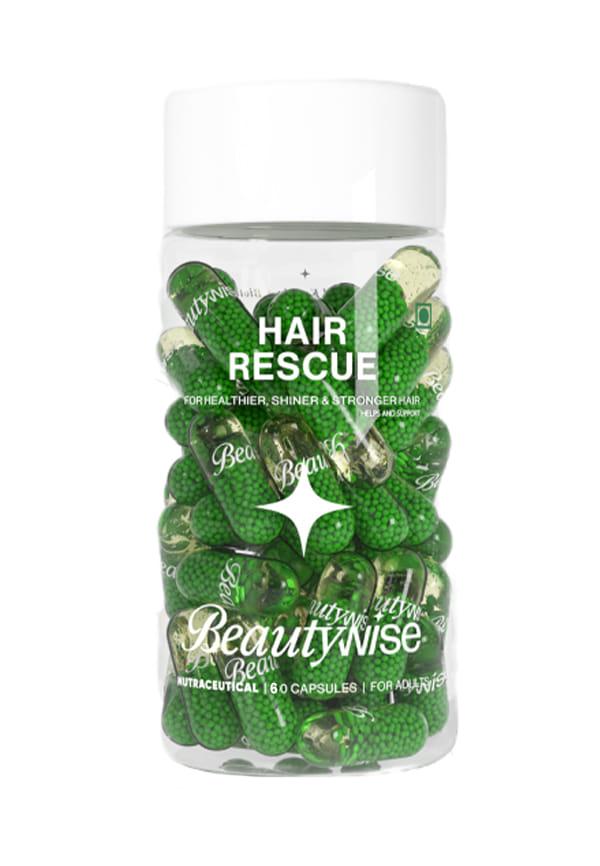
Hair Rescue, Hair Aminos, Vitamins, DHT Blocker for Hairfall Control & Growth
Smoking reduces blood flow to hair follicles, whilst poor sleep disrupts the growth cycle. Crash diets, excessive alcohol consumption, and chronic stress all take their toll on hair density over time.
Sometimes understanding thin hair problem requires professional insight. If you're losing more than 100 strands daily for several weeks, or if you notice sudden bald patches, it's time to see a dermatologist or trichologist. A proper diagnosis might include blood tests to check for nutritional deficiencies, hormone levels, and autoimmune markers. Trichoscopy—basically a microscopic examination of your scalp—can reveal information about follicle health and hair growth patterns.
Come prepared with specific questions about hair loss treatment options, expected timelines, and potential side effects. Ask about both medical and natural approaches, and don't be shy about discussing your budget constraints.
Now for the good stuff—hair thinning solutions that have real science backing them up. The key is finding what works for your specific situation and sticking with it long enough to see results. Medical treatments like minoxidil can be game-changers for many people. It's available over the counter and works by extending the growth phase of hair follicles. Results typically show up after 3-6 months of consistent use.
Scalp massage isn't just relaxing—it actually increases blood flow to hair follicles. Studies show that 4 minutes of daily scalp massage can improve hair thickness over time. Essential oils like rosemary and peppermint have shown promise in small studies, though they work best as part of a comprehensive approach. Nutritional supplements can help if you have specific deficiencies, but they're not magic bullets. Focus on getting nutrients from whole foods first, then supplement strategically based on blood test results.
PRP (platelet-rich plasma) therapy involves injecting your own concentrated platelets into the scalp to stimulate hair growth. It's pricey but can be effective for certain types of hair loss. Low-level laser therapy and microneedling are other options that some people swear by. The key is managing expectations—these treatments typically slow hair loss and may promote some regrowth, but they won't give you a completely new head of hair.
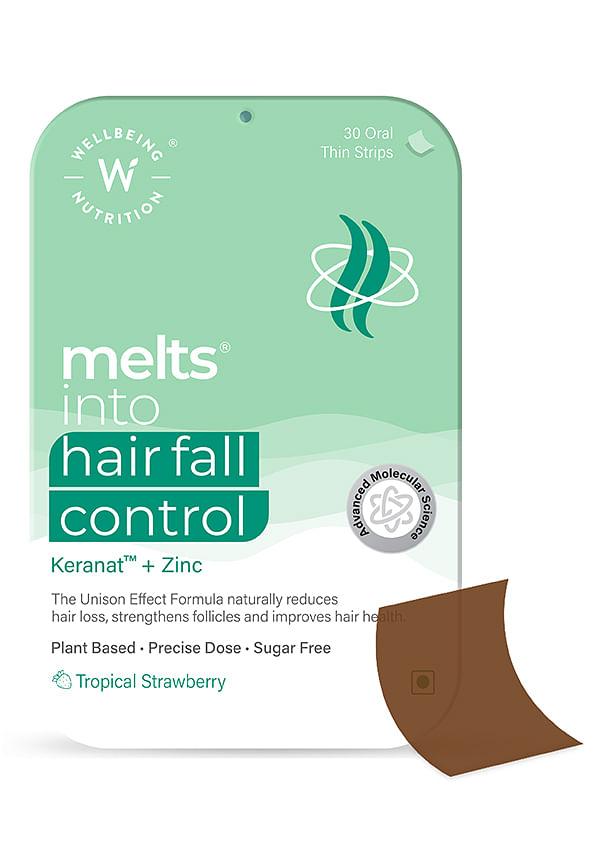
Melts Hair Fall Control Keranat & Zinc, Hair Loss Support to Improve Hair Anchoring (30 Oral Strips)
Your daily routine can make or break your hair volume goals. Haircare for thin hair requires a gentler approach than you might think. Over-washing strips natural oils, but under-washing can clog follicles. Start with a volumising shampoo that won't weigh your hair down. Look for ingredients like biotin, keratin, or rice protein. Avoid heavy conditioners on your roots—apply them only to mid-lengths and ends.
Hair volume tips that actually work include blow-drying with a round brush, lifting sections at the roots. Use a heat protectant always, and consider volumising mousses or root-lifting sprays. Avoid tight ponytails, braids, or any styles that pull on your hairline. Sleep on silk or satin pillowcases to reduce friction and breakage overnight.
Fine hair care products should be lightweight and won't build up on your strands. Dry shampoos can add texture and volume between washes, but use them sparingly to avoid clogging follicles. This is where platforms like Smytten become proper lifesavers. Instead of buying full-size products that might not work for your hair type, you can try mini versions from trusted brands. With over 1,500 brands available, you can experiment with different volumising shampoos, lightweight conditioners, and styling products without the commitment. Getting up to 8 minis for just ₹249 means you can test multiple hair volume tips and find what actually works for your specific needs.
What you eat directly impacts your hair's health and thickness. Protein is crucial since hair is primarily made of keratin. Aim for lean meats, fish, eggs, legumes, and nuts in your daily diet. Iron-rich foods like spinach, lentils, and lean red meat support healthy hair growth. Vitamin C helps with iron absorption, so pair these foods with citrus fruits or bell peppers.
Biotin supplements are popular, but most people get enough from their diet. Focus on supplements only if blood tests reveal specific deficiencies. Omega-3 fatty acids from fish oil can support scalp health and may help with hair thickness naturally. Collagen supplements have gained popularity, though the evidence is still emerging. If you choose to try them, look for hydrolysed collagen for better absorption.
Dehydration affects everything, including your hair. Aim for at least 8 glasses of water daily, and consider that caffeine and alcohol can be dehydrating. Anti-inflammatory foods like berries, fatty fish, and leafy greens support overall scalp health. Chronic inflammation can disrupt hair growth cycles, so a diet rich in antioxidants is worth prioritising.
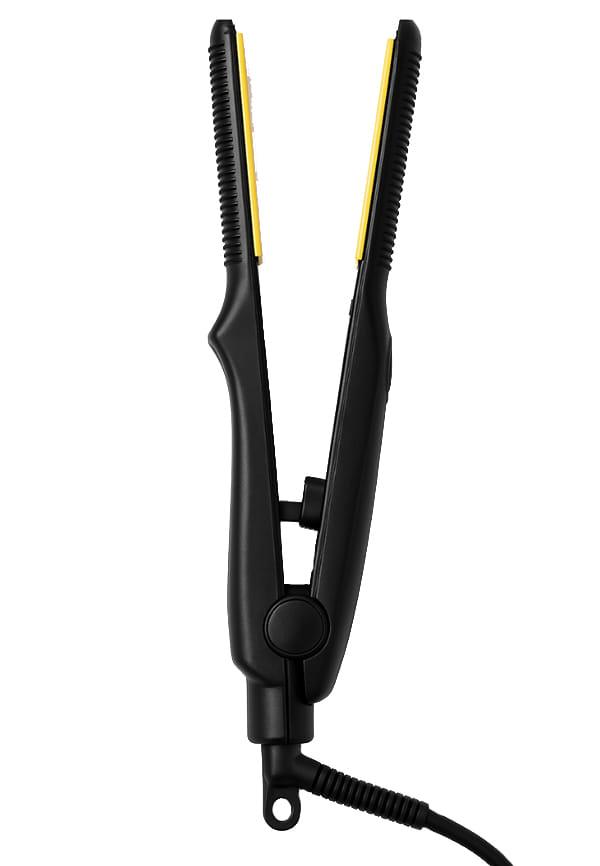
Mini Flat Iron for Short Hair
Most treatments require 3-6 months of consistent use before you'll notice significant changes. Hair grows slowly, so patience is key. Some people see initial improvements in hair texture or reduced shedding within 6-8 weeks.
Chronic stress can definitely contribute to hair loss, but it's usually reversible once stress levels are managed. However, if stress triggers conditions like alopecia areata, some hair loss might be permanent.
Men typically experience receding hairlines and crown thinning, whilst women usually see diffuse thinning across the top of the scalp. Women rarely go completely bald from pattern hair loss.
Not necessarily. Many effective ingredients are available in affordable products. Focus on proven ingredients rather than fancy packaging or marketing claims.
Whilst you can't change your genes, you can slow genetic hair loss and optimise your hair's health through proper nutrition, stress management, and gentle haircare practices.
This depends on your scalp type and lifestyle. Generally, every other day or every two days works well for most people with thin hair. Over-washing can strip oils, whilst under-washing can clog follicles.
Understanding thin hair problem is the first step towards finding solutions that work for your specific situation. Whether it's adjusting your haircare routine, addressing nutritional gaps, or exploring medical treatments, there are options available. The key is being patient and consistent with whatever approach you choose. Hair growth takes time, and most treatments need several months to show their full effects. Don't expect overnight miracles, but do expect gradual improvements with the right strategy. Remember that trying new products doesn't have to break the bank or leave you with cupboards full of unsuitable products. Smytten's trial platform lets you explore different haircare solutions from over 1,500 trusted brands without the usual commitment. With 100% cashback on trial purchases, you can experiment with various hair thinning solutions and find your perfect match. After all, why settle for 'maybe' when you can try it all and find what actually works for your hair goals?
