How to Determine Your Hair Porosity in 5 Steps


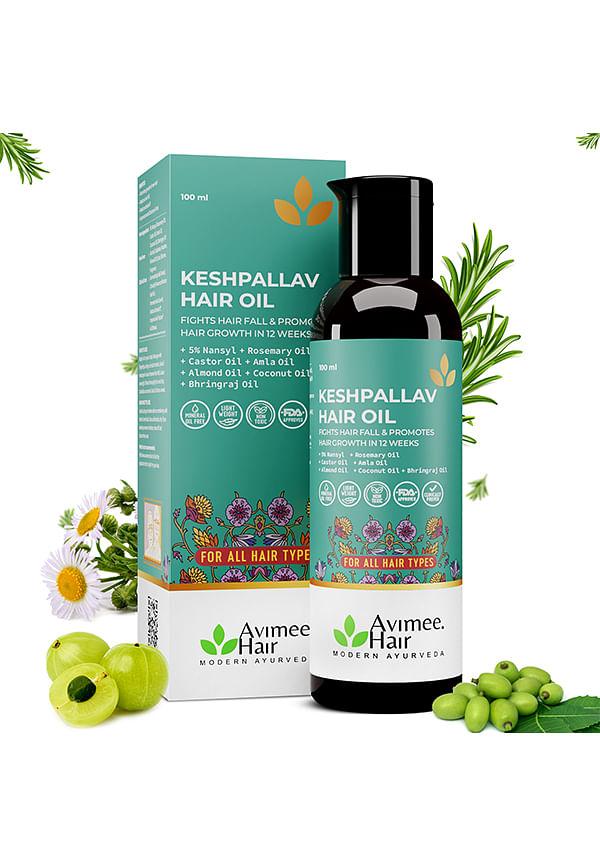
Keshpallav Hair Oil
Genuine and Effective Product
 5
5“genuine products.. gives results”
Fragrant Hair Oil
5“Amazing hair oil but too much fragrance”
Positive Product Review
5“this product is very good product and has good fragrance”
Ever wondered why your hair seems to reject every product you try, or why it feels dry no matter how much conditioner you slather on? The answer might lie in something called hair porosity. Think of it as your hair's ability to absorb and hold onto moisture—and once you crack this code, your entire haircare routine will finally make sense. Understanding your hair porosity is like having a cheat sheet for gorgeous, healthy hair. Let's dive into five simple ways to test your hair porosity at home, so you can finally give your hair exactly what it needs.
Hair porosity refers to your hair's ability to absorb and retain moisture. It's all about the hair cuticle—those tiny, overlapping scales that form the outer layer of your hair strand. Think of them like roof tiles on a house. When these cuticles are tightly closed, moisture has a hard time getting in (and out). When they're raised or damaged, moisture flows in and out too easily. Your hair structure determines how products work on your hair. Ever noticed how some people can use any shampoo and their hair looks fab, while others struggle with every product? That's porosity at work. When you understand your hair's porosity level, you can choose products that actually work with your hair's natural structure instead of fighting against it. Ignoring your hair porosity is like trying to water a plant with the wrong technique—you might be drowning a succulent or leaving a thirsty fern parched. Common hair woes like product buildup, dryness, frizz, or limp hair often stem from using the wrong approach for your porosity type.
Not all hair is created equal, and that's where hair porosity types come into play. There are three main categories, each with its own personality and needs. Knowing which camp your hair falls into is the first step to a haircare routine that actually works.
Low porosity hair has tightly closed cuticles that act like a fortress against moisture. Your hair might take ages to get wet in the shower and even longer to dry. Products tend to sit on top of your hair rather than sinking in, which can lead to buildup and that weighed-down feeling. The upside? Your hair is naturally protected from damage and holds onto moisture once it gets in.
Consider this the Goldilocks of hair types—not too porous, not too sealed. Medium porosity hair has a balanced cuticle structure that allows just the right amount of moisture in and out. It accepts colour treatments well, responds nicely to most products, and generally behaves itself. If you've got medium porosity hair, count yourself lucky.
High porosity hair has raised or damaged cuticles that let moisture rush in and out too quickly. Your hair might feel dry and rough, tangle easily, and struggle with frizz. It absorbs products quickly but also loses moisture just as fast. This porosity type often results from chemical processing, heat damage, or environmental factors, though some people are born with naturally high porosity hair.
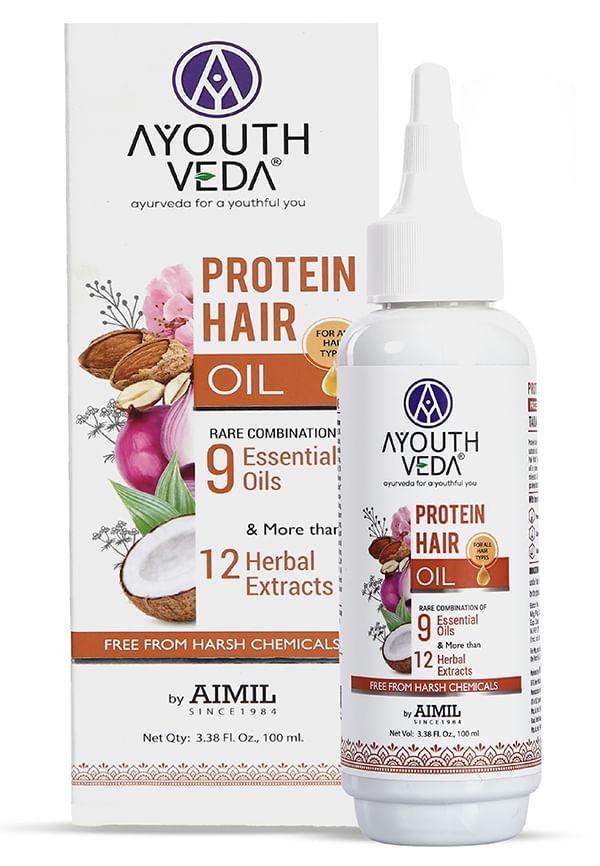
Protein Hair Oil
Product Recommendation
5“Nice products; you must buy this item.”
Ready to become a hair detective? These porosity test methods will help you figure out exactly what your hair needs. The best part? You can test hair porosity at home using things you probably already have lying around.
This classic hair porosity test is simple and reliable. Start with a clean hair strand—no products, oils, or styling residue. Drop it into a clear glass of room temperature water and watch what happens over the next few minutes. If your hair floats on the surface, you've got low porosity hair. Hair that slowly sinks to the middle indicates medium porosity. If it sinks like a stone straight to the bottom, you're dealing with high porosity hair.
Grab a spray bottle filled with water and section off a small piece of clean hair. Mist the section lightly and observe how your hair reacts. Does the water bead up and roll off? That's low porosity. Does it absorb gradually? Medium porosity. If the water soaks in immediately, you've got high porosity hair.
Take a single strand of clean hair and run your fingers from the tip towards the root. Low porosity hair will feel smooth and slippery. Medium porosity hair has a slight texture but isn't rough. High porosity hair feels bumpy and rough due to raised cuticles.
Apply a small amount of lightweight oil (like argan or jojoba) to a section of clean, damp hair. Time how quickly your hair absorbs the product. Low porosity hair will take its sweet time, medium porosity hair absorbs at a moderate pace, and high porosity hair drinks it up almost instantly.
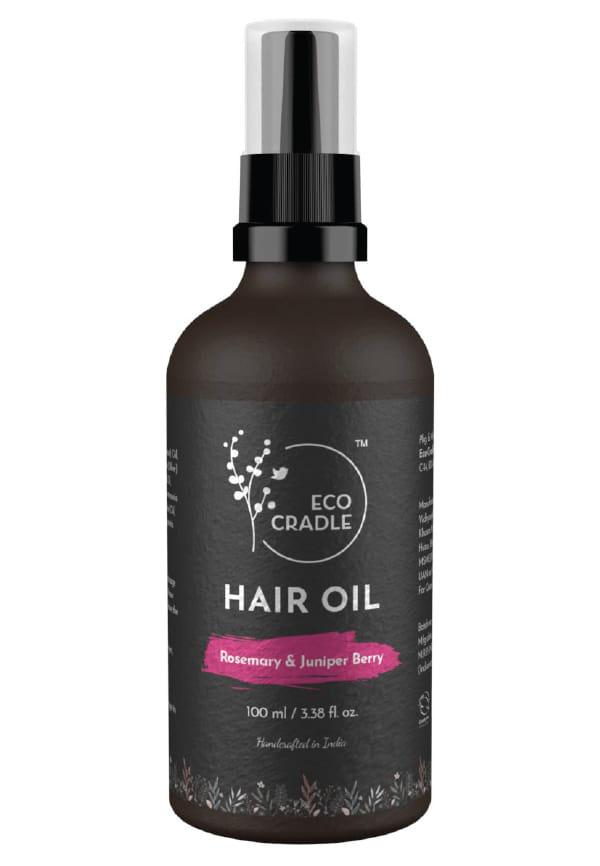
Hair Oil
After washing your hair, note how long it takes to air dry completely. Low porosity hair can take hours (sometimes overnight) to dry naturally. Medium porosity hair dries at a reasonable pace, while high porosity hair often dries surprisingly quickly despite feeling thirsty for moisture.
Here's where things get interesting—your hair porosity test results might not be identical across all methods. Don't panic if you get mixed signals. Hair porosity can vary across different sections of your head, especially if you've had chemical treatments or heat damage in specific areas. For the most accurate reading, try multiple tests and look for patterns. If three out of five tests point to medium porosity, that's likely your answer. Remember, porosity exists on a spectrum, so you might fall somewhere between categories. If your results are all over the place, consider factors like recent chemical treatments, heat styling habits, or environmental damage. Sometimes different sections of your hair have different porosity levels, which means you might need to treat them accordingly.
Now for the fun part—customising your haircare tips based on your porosity type. This is where the magic happens and your hair finally starts behaving the way you want it to.
Your low porosity hair needs a gentle push to accept moisture. Use lightweight, water-based products that won't sit on your hair's surface. Apply heat when deep conditioning—pop on a shower cap and use a blow dryer for a few minutes to help products penetrate. Clarifying treatments are your friend to prevent buildup, and protein-free formulas work best since your hair structure is already strong.
You've hit the hair lottery with medium porosity hair. Maintain this balance with regular protein and moisture treatments. A weekly deep conditioning session keeps things on track, and most products will work well for you. Focus on protective styling and gentle handling to maintain your hair's healthy cuticle structure.
Your high porosity hair craves moisture and structure. Heavy creams, leave-in treatments, and sealing oils are your best mates. Regular protein treatments help fill in the gaps in your damaged cuticles. The LOC method (leave-in, oil, cream) works brilliantly for sealing in moisture. Always use heat protectant and consider protective styles to prevent further damage.
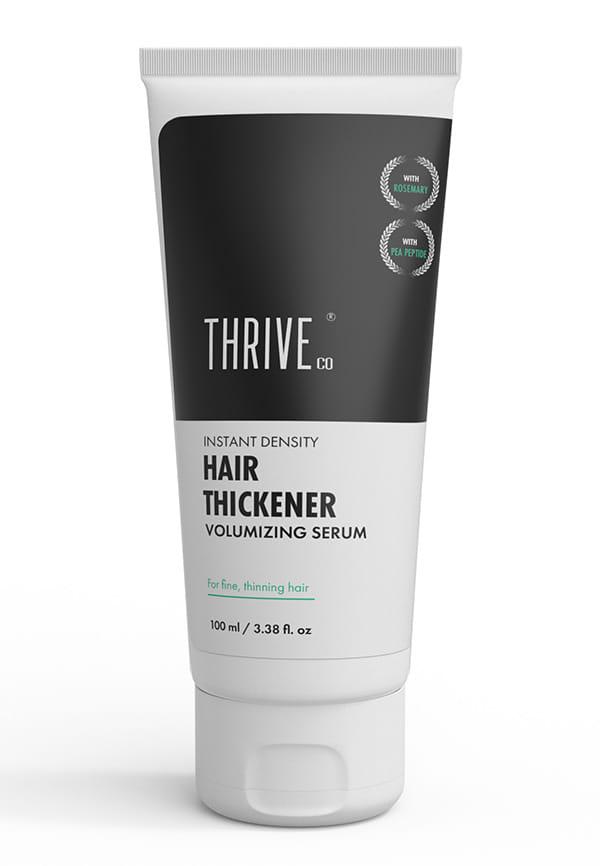
Hair Thickener Volumizing Serum
Even with the best intentions, it's easy to get hair porosity care wrong. One major mistake is assuming all dry hair needs heavy moisturisers—low porosity hair can actually get weighed down by thick products. Another common error is over-processing already damaged high porosity hair with too many protein treatments. Environmental factors like sun exposure, chlorine, and pollution can temporarily affect your hair's porosity levels. What worked in winter might not work in summer, so stay flexible with your routine. Don't fall into the trap of thinking one porosity type is better than another. Each type has its advantages when properly cared for. Low porosity hair is naturally protected, medium porosity hair is versatile, and high porosity hair accepts colour beautifully.
Low porosity hair takes forever to get wet, dries slowly, and products often sit on the surface creating buildup. It's naturally shiny and resistant to chemical processing.
Neither is inherently better—it's about understanding and working with what you've got. Low porosity hair is naturally protected but harder to moisturise, while high porosity hair is more fragile but accepts treatments readily.
Test your hair porosity every few months or after major chemical treatments, significant heat damage, or if your usual products stop working effectively.
Absolutely. Chemical processing, heat styling, environmental damage, and even ageing can alter your hair's porosity levels. What starts as low porosity can become high porosity with enough damage.
Understanding your hair porosity is like having a roadmap to better hair days. These five simple tests can be done at home with everyday items, giving you the insight needed to choose products and techniques that actually work for your hair type. Remember, great hair isn't about having the "perfect" porosity type—it's about understanding what you're working with and adapting your routine accordingly. Whether you're dealing with stubborn low porosity hair or thirsty high porosity strands, the right approach makes all the difference. When you're ready to experiment with new products tailored to your porosity type, platforms like Smytten make it easy to try before you commit. With curated trial packs from trusted haircare brands, you can test different formulations without the risk of full-size disappointment. After all, why settle for 'maybe' when you can find products that truly work for your unique hair needs?
