How to Detangle Hair in Hard Water Zones Easily


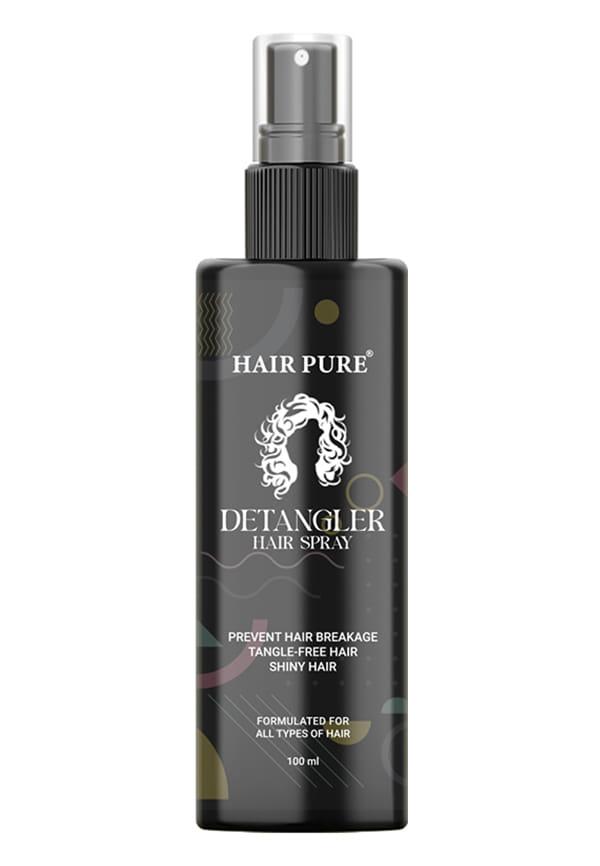
Detangler Hair Spray
If you've ever wondered why your hair feels like a tangled mess after every wash, hard water might be the culprit. Living in hard water zones across India—from Delhi to Bangalore—means dealing with mineral-heavy water that leaves your strands rough, knotty, and impossible to manage. The good news? Hair detangling in hard-water areas doesn't have to be a daily struggle. With the right approach, products, and techniques, you can transform your haircare routine and say goodbye to those frustrating knots. Let's dive into everything you need to know about keeping your hair smooth and manageable, even when your tap water isn't doing you any favours.
Hard water hair is a real thing, and it's more common than you think. When water contains high levels of calcium and magnesium, these minerals don't just disappear down the drain—they stick to your hair strands like an unwelcome guest.
Here's what happens when you wash your hair with hard water. The minerals create a film over each strand, making your hair cuticles rough and raised. This roughness increases friction between strands, leading to more tangles and knots. Over time, this buildup makes your hair feel dry, look dull, and become increasingly difficult to manage.
Signs your water is causing detangling drama:
Hair feels rough and coarse even after conditioning
Tangles form quickly, especially when hair is wet
Your usual detangling products aren't working as well
Hair looks lacklustre despite using quality products
You notice white residue on your shower doors or taps
The science behind hair breakage hard water causes is straightforward. When mineral deposits coat your strands, they create weak points where hair is more likely to snap during detangling. This is why gentle techniques become even more crucial in hard water areas.
Before you even think about reaching for your comb, proper preparation is key to successful detangling hair in hard water zones. Think of this as setting the stage for a smooth, stress-free experience.
Start by assessing your water quality. You can test this with simple strips available online or notice telltale signs like soap that doesn't lather well or that filmy feeling on your skin after showering. Once you know you're dealing with hard water, adjust your approach accordingly.
Use lukewarm water instead of hot. High temperatures can make mineral deposits more stubborn and cause your hair cuticles to open more, leading to increased tangling.
Before shampooing, apply a protective oil or pre-treatment to your hair. This creates a barrier between your strands and the hard water minerals, making the detangling process much easier later.
Not all hair detangler products are created equal, especially when you're dealing with hard water challenges. The best detangler for hard water needs to do double duty—removing tangles whilst combating mineral buildup.
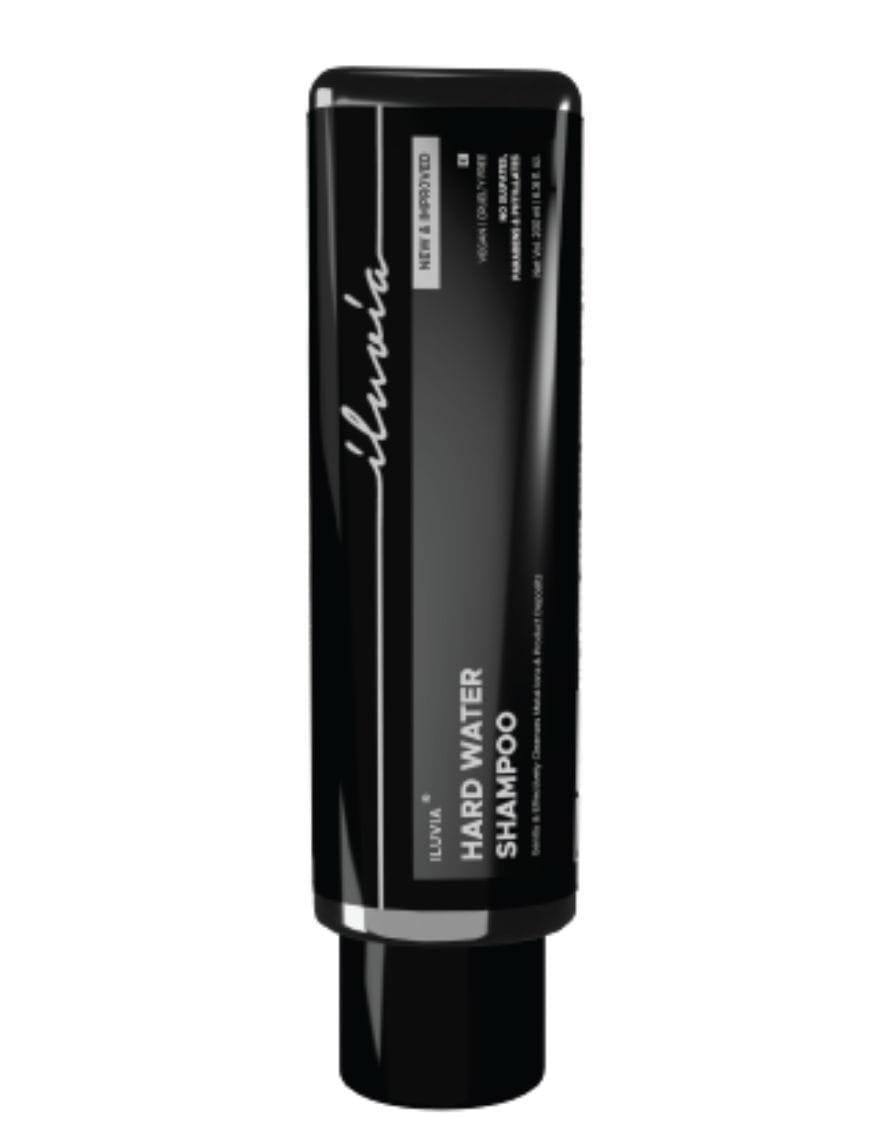
Professional Hard Water Shampoo
Positive Shampoo Review
 5
5“It is good shampoo and like it”
Look for detanglers with chelating ingredients like EDTA or citric acid. These ingredients bind to minerals and help remove them from your hair. pH-balanced formulations work particularly well because they help smooth the hair cuticle, reducing friction and making detangling easier.
Leave-in detanglers often work better in hard water areas because they provide ongoing protection against mineral buildup throughout the day. They also offer continuous slip, making your hair easier to manage between washes.
Ingredients like panthenol, glycerin, and natural oils provide slip whilst protecting your hair from hard water damage. Avoid products with too many silicones, as these can build up more easily in hard water.
Sometimes the best hard water hair solutions come straight from your kitchen. Natural hair detangler options are not only budget-friendly but often more effective than you'd expect.
Apple cider vinegar is your best friend when dealing with hard water. Mix one part ACV with three parts water for a clarifying rinse that removes mineral buildup whilst adding shine. Use this once a week to keep your hair manageable and tangle-free.
Combine 1 cup distilled water, 2 tablespoons aloe vera gel, and 1 teaspoon coconut oil in a spray bottle. This natural mixture provides slip whilst protecting your hair from hard water damage.
A pinch of citric acid powder in your final rinse water helps neutralise mineral deposits. This simple addition can make a huge difference in how easily your hair detangles.
Mastering hair detangling in hard-water areas requires a systematic approach. The key is being gentle, patient, and strategic about your technique.
Start with damp, not soaking wet hair. Apply your chosen detangler generously, focusing on the mid-lengths and ends where tangles typically form. Use your fingers first to gently separate any obvious knots before reaching for tools.
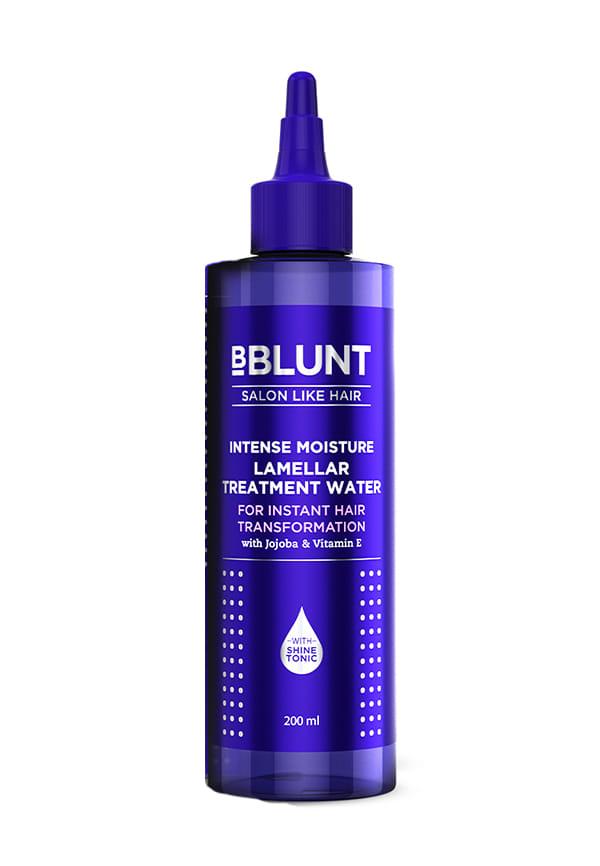
Intense Moisture Lamellar Treatment Water
Loved It, Must Try
5“just loved it it's a must try one”
Good packaging, effective product
5“the packaging is very good and the product is also very good on your hair”
Makes hair super soft
5“I keep repurchasing this. It makes my hair so super soft”
Wide-tooth combs are essential for hard water hair. Start from the ends and work your way up, never forcing through stubborn tangles. If you encounter resistance, add more product and work the area gently with your fingers.
Divide your hair into manageable sections—usually 4-6 depending on your hair thickness. This prevents you from getting overwhelmed and ensures every strand gets proper attention.
In hard water areas, you might need to detangle more frequently but more gently. Daily light detangling with a leave-in product often works better than aggressive weekly sessions.
When regular products aren't cutting it, it's time to bring in the heavy artillery. Chelating shampoo is specifically designed to remove mineral buildup that regular shampoos can't touch.
Use a chelating shampoo once a week if you're in a very hard water area, or every two weeks for moderate hardness. These powerful formulas can be drying, so always follow with a deep conditioning treatment.
Salon chelating treatments are more intensive and can provide longer-lasting results. However, at-home options are more practical for regular maintenance and can be just as effective with consistent use.
Hair softening treatments work by smoothing the hair cuticle and adding moisture. Look for treatments containing keratin, argan oil, or shea butter for the best results in hard water areas.
The most effective haircare for hard water involves both immediate solutions and long-term prevention strategies. Think of it as building a comprehensive defence system for your hair.
Installing a shower filter is one of the best investments you can make. These filters remove chlorine and reduce mineral content, making your daily haircare routine much more effective. Whole-house water softening systems are the ultimate solution but require a bigger investment.
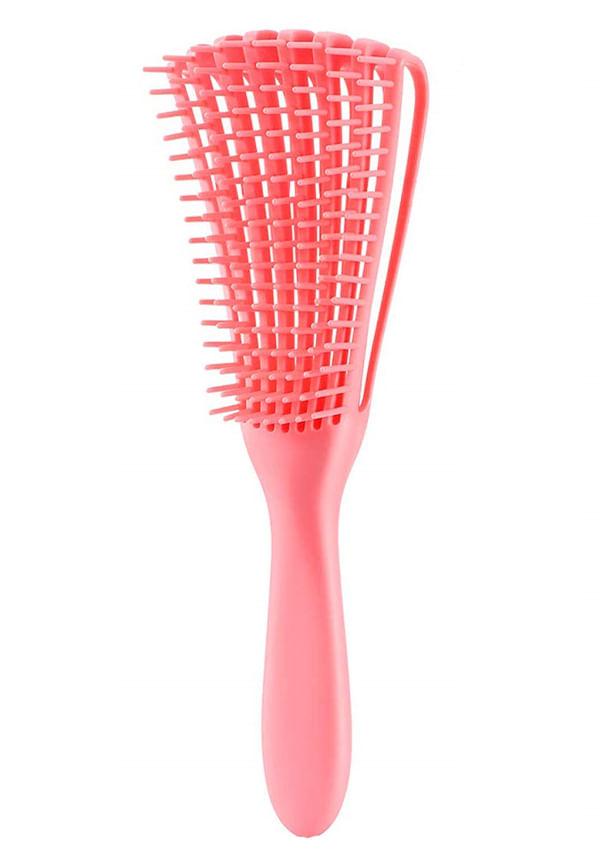
Detangling Brush for Curly and Rough Hair
Develop a weekly routine that includes clarifying treatments, deep conditioning, and protective styling. This consistent approach prevents buildup from becoming overwhelming.
Water hardness can vary seasonally, so be prepared to adjust your routine. You might need more intensive treatments during certain times of the year when mineral content is higher.
Finding the right products for your specific hard water challenges doesn't have to involve expensive trial and error. Smytten offers curated trial packs from over 1,500 trusted haircare brands, letting you explore chelating shampoos, detanglers, and treatments before committing to full-size purchases. With trial minis available for just ₹249 and 100% cashback on your purchase, you can discover what works best for your hair without the financial risk.
Daily light detangling with a leave-in product works better than infrequent intensive sessions. This prevents tangles from becoming too stubborn whilst being gentler on your hair.
Hard water doesn't cause permanent damage, but long-term exposure without proper care can lead to increased breakage and dryness. The good news is that with the right routine, you can reverse most hard water effects.
Detangle when your hair is damp and has product applied. Never attempt to detangle completely dry hair in hard water areas, as this increases breakage risk significantly.
Wide-tooth combs and brushes with flexible bristles work best. Avoid fine-tooth combs or brushes with stiff bristles that can cause breakage on mineral-coated hair.
Most people notice improvements within 2-3 weeks of consistent use of hard water-specific products. However, it may take 6-8 weeks to see the full benefits as your hair adjusts to the new routine.
Dealing with hair detangling in hard-water areas doesn't have to be a daily battle. The key is understanding how mineral buildup affects your hair and adjusting your routine accordingly. From choosing the right detangling products to implementing preventive strategies, every step matters in maintaining healthy, manageable hair.
Remember that consistency is more important than perfection. Start with one or two changes—perhaps adding a weekly clarifying treatment or switching to a chelating shampoo—and build from there. Your hair will thank you for the patience and care you put into finding what works best in your specific hard water environment. With the right approach, even the most stubborn tangles become manageable, and you can enjoy smooth, healthy hair regardless of what comes out of your tap.
