How to Define Your Wavy Hair Patterns: A Complete Guide
-35e2914c-3d5d-4cf0-8ab6-f63f442867db.webp&w=3840&q=75)

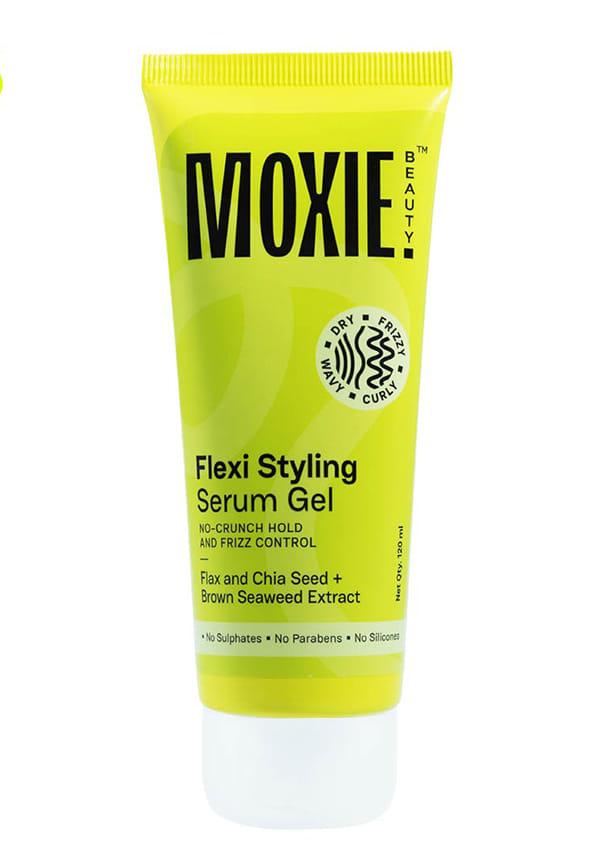
Flexi Styling Serum Gel for Curly & Wavy Hair
Ever looked in the mirror and wondered if your hair is wavy, straight, or somewhere in between? You're not alone. Understanding your wavy hair patterns can feel like solving a puzzle, especially when your waves seem to have a mind of their own. One day they're bouncy and defined, the next they're flat or frizzy. The thing is, wavy hair sits in this unique middle ground that's often misunderstood. But once you crack the code of your specific pattern, everything changes—from how you wash and style to which products actually work. Let's dive into the world of wavy hair types and help you figure out exactly what you're working with.
When it comes to wavy hair types, we're talking about Type 2 hair in the hair classification system. This sits perfectly between straight (Type 1) and curly (Type 3) hair, creating those gorgeous S-shaped patterns we all know and love. But here's where it gets interesting—not all waves are created equal.
The wavy hair spectrum includes three main categories: 2A, 2B, and 2C. Each has its own personality and needs. Type 2A gives you those gentle, loose waves that are subtle but lovely. Type 2B brings more defined S-patterns with noticeable volume. And Type 2C? That's where waves get bold and start flirting with curly territory.
What makes wavy hair characteristics unique is how they respond to moisture, weight, and styling. Unlike straight hair that lies flat naturally, or curly hair that springs into consistent coils, wavy hair can be a bit unpredictable. It's this beautiful in-between state that makes it both exciting and sometimes challenging to work with.
Ready to define wavy hair patterns like a pro? The key is observing your hair in its most natural state. Start with freshly washed hair—no products, no heat styling, just clean strands doing their thing.
Here's your step-by-step assessment method: After washing, gently squeeze out excess water with a microfibre towel. Don't rub or rough it up. Let your hair air dry completely without touching it. This gives you the truest picture of your natural wave pattern.
If your hair dries with subtle waves that are barely there, you're likely dealing with 2A. These waves are gentle, loose, and tend to fall flat easily. The S-pattern is minimal, and your hair might look almost straight from a distance.
Type 2B hair shows clear S-shaped waves that hold their form better than 2A. You'll notice more volume at the roots and waves that are visible even when your hair is completely dry. This pattern tends to be more resilient and bounces back after being touched.
The boldest of the wavy family, 2C hair creates strong, defined waves that might even form loose spirals. These waves are resistant to straightening and often come with more volume and texture than their 2A and 2B cousins.
Natural wavy hair comes with its own set of quirks that straight and curly hair folks might not understand. The biggest challenge? Inconsistency. Your waves might look amazing one day and completely different the next, even with the same routine.
Frizz is another common companion of wavy hair. Because the hair shaft isn't perfectly straight, it's more porous and prone to absorbing moisture from the air. This is why humid days can turn your lovely waves into a frizzy mess. Understanding this helps you prepare better and choose the right frizzy wavy hair solutions.
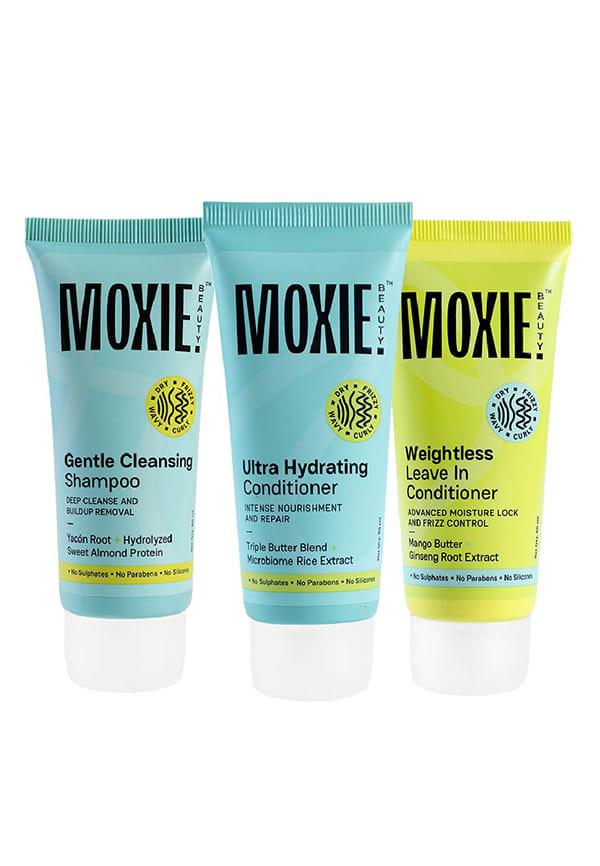
Wavy Essentials Travel Trio - Shampoo, Conditioner & Leave-in Conditioner for Wavy Hair
Weight distribution is crucial for wavy hair. Too much product or heavy oils can weigh down your waves, making them lose their shape. Too little moisture, and you're left with frizz and undefined patterns. It's all about finding that sweet spot.
Your scalp's oil production also affects how your waves behave. Unlike straight hair where oils travel down easily, wavy hair's bends and curves can create uneven oil distribution. This means your roots might get oily while your ends stay dry.
Creating a solid wavy hair care routine is like building a foundation for great hair days. The key is understanding that different wave types need different approaches. What works for 2A might be too heavy for 2C, and vice versa.
The golden rule for all wavy hair? Less is often more. Over-washing strips natural oils, over-conditioning weighs down waves, and over-styling creates frizz. Finding your rhythm takes time, but it's worth it.
Type 2A hair needs lightweight everything. Wash every other day or every two days with a gentle, sulphate-free shampoo. Use a light conditioner only on the mid-lengths and ends. When styling, think minimal—a light leave-in conditioner and perhaps a volumising mousse.
2B hair can handle a bit more moisture. Wash 2-3 times a week and use a regular conditioner. This hair type benefits from curl creams and light gels that help define waves without weighing them down. Weekly deep conditioning keeps the moisture balance right.
The boldest waves need the most moisture. 2C hair can go 3-4 days between washes and thrives with richer conditioners and leave-in treatments. This hair type can handle heavier styling products like strong-hold gels and curl creams.
Learning how to style wavy hair is like learning a new language—once you get it, everything clicks. The secret lies in working with your natural pattern, not against it. These wavy hair styling tips will help you enhance what you've already got.
Scrunching is your best friend. After applying products to damp hair, scrunch upwards from the ends towards the roots. This encourages wave formation and adds volume. The key is to scrunch gently—aggressive scrunching leads to frizz.
Plopping is another game-changer. After applying products, wrap your hair in a cotton t-shirt or microfibre towel for 10-20 minutes. This removes excess water while keeping waves intact. It's like giving your waves a gentle hug while they set.
When it comes to drying, air drying gives the most natural results, but diffusing can add volume and speed up the process. If you diffuse, use low heat and low speed, and don't move the diffuser around too much. Let your hair sit in the diffuser bowl and lift straight up.
For day two and beyond, refresh with a spray bottle filled with water and a tiny bit of leave-in conditioner. Scrunch gently and let air dry. Sometimes day two hair looks even better than day one!
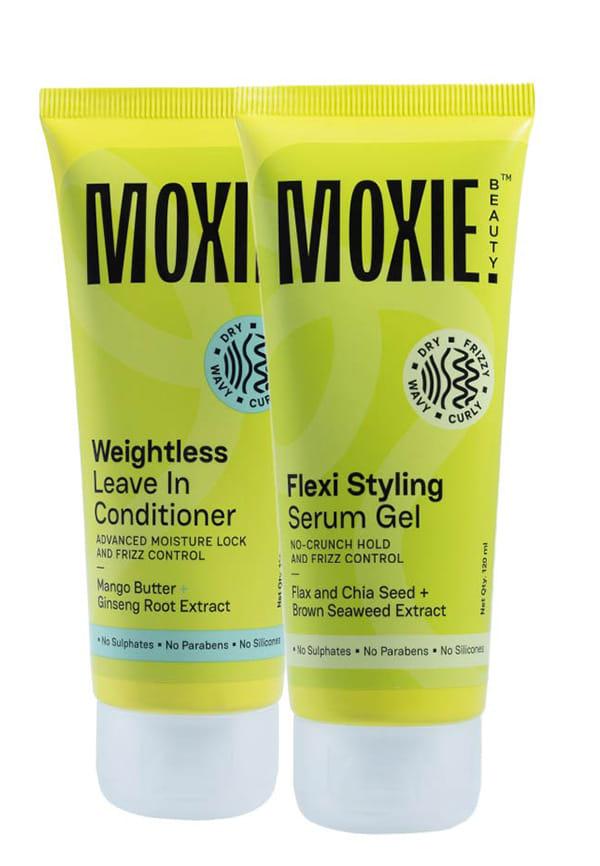
Wavy Vibe Setter Duo - Weightless Leave-in Conditioner & Styling Serum Gel
Choosing the best products for wavy hair can feel overwhelming with so many options available. The trick is understanding what ingredients work for your specific wave type and porosity level. This is where platforms like Smytten become incredibly valuable—you can try different products without committing to full sizes.
For cleansing, look for sulphate-free shampoos that won't strip your hair's natural oils. Co-washing (conditioner-only washing) can work well for 2B and 2C hair, especially between regular shampoo days. The key is finding products that clean without over-drying.
Gentle, moisturising shampoos work best for wavy hair. Look for ingredients like coconut-derived cleansers and avoid harsh sulphates. Co-washes are great for mid-week refreshes, especially for drier wave types.
These are your styling foundation. Leave-in conditioners provide moisture and heat protection, while curl creams help define and hold your wave pattern. Choose lighter formulas for 2A hair and richer ones for 2C.
Hold products help your waves last longer and fight frizz. Mousses add volume and are great for fine wavy hair. Gels provide stronger hold and definition. The key is applying them to damp hair and scrunching out any crunch once dry.
Even with the best routine, wavy hair can throw curveballs. Learning to manage wavy hair means becoming a detective, figuring out what's causing issues and adjusting accordingly.
If your waves are falling flat, you might be using too much product or products that are too heavy. Try reducing the amount or switching to lighter formulas. Sometimes it's as simple as applying products to wetter hair for better distribution.
Inconsistent wave patterns often come from uneven product application or different porosity levels throughout your hair. Make sure you're distributing products evenly, and consider that your hair might need different amounts of moisture in different areas.
Frizz usually means your hair needs more moisture or you're disturbing the waves too much while styling. Try adding a leave-in conditioner or reducing how much you touch your hair while it's drying.
If you're transitioning from heat damage, be patient. It can take months for your natural wave pattern to fully emerge. Focus on gentle care and moisture during this time.
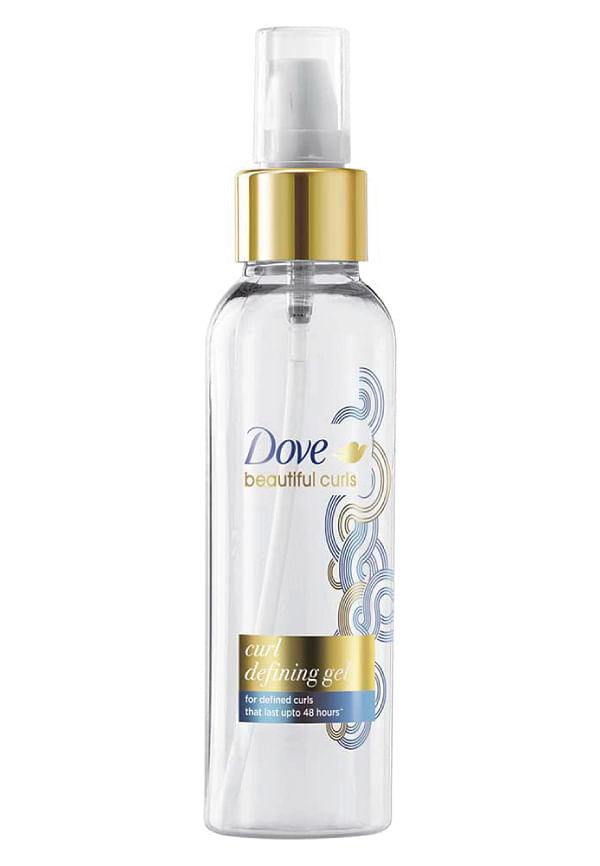
Beautiful Curls Defining Gel
Absolutely! Hormonal changes, age, medication, and even seasonal changes can affect your wave pattern. Many people notice their hair becomes wavier or curlier as they age, while others see changes during pregnancy or menopause.
Damaged hair often feels rough, breaks easily, and has inconsistent texture. Natural waves have a smooth feel and consistent S-pattern. If you're unsure, try a few months of gentle, heat-free care and see what emerges.
2B hair has defined S-waves that are loose and bouncy. 2C hair has stronger waves that might form loose spirals and is more resistant to straightening. 2C also tends to have more volume and texture.
This is completely normal! Most people have different wave patterns on different sides due to sleeping positions, how they apply products, or natural growth patterns. Embrace the asymmetry—it's part of your unique wave signature.
Yes, many people have combination patterns. You might have 2A at the crown, 2B on the sides, and 2C underneath. This is why customising your routine for different sections can be helpful.
Give any new routine at least 4-6 weeks to show results. Your hair needs time to adjust to new products and methods. Keep a hair diary to track what works and what doesn't.
Some frizz is normal, especially in humid weather. However, excessive frizz often indicates your hair needs more moisture or you're using techniques that disturb the wave pattern. Proper hydration and gentle handling usually help.
Absolutely! Wave patterns work the same regardless of gender. The main differences might be in product amounts (shorter hair needs less) and styling preferences, but the fundamental techniques remain the same.
Understanding your wavy hair patterns is like getting to know a good friend—it takes time, patience, and lots of experimentation. Remember that your waves are unique to you, and what works for someone else might not work for your hair. The key is to start with the basics, observe how your hair responds, and adjust accordingly.
The journey to great wavy hair isn't always linear. You'll have amazing hair days and not-so-great ones, and that's perfectly normal. What matters is building a routine that works for your lifestyle and hair type. Whether you're dealing with 2A waves that need gentle encouragement or 2C waves that demand more intensive care, consistency is your best friend.
This is where Smytten becomes your perfect companion in the wavy hair journey. With access to trial packs from over 1,500 trusted brands, you can experiment with different haircare products without the commitment of full-size purchases. From gentle shampoos to defining gels, you can try various formulations to see what works best for your specific wave pattern. With Trial Points, you can get up to 8 minis for just ₹249, making it affordable to test different products until you find your perfect match. Plus, with 100% cashback redeemable for future orders, discovering your ideal wavy hair routine becomes both budget-friendly and rewarding. After all, why settle for 'maybe' when you can Try It All!
