How to Deep Condition Brittle Hair Effectively


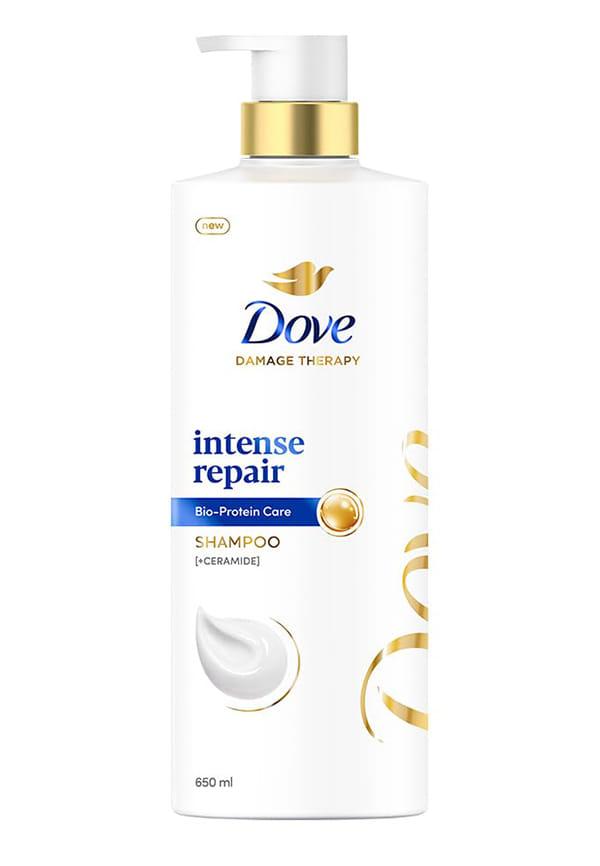
Intense Repair Shampoo
Brittle hair can feel like a constant battle—one wrong move and you're dealing with breakage, split ends, and strands that snap at the slightest touch. If your hair feels more like straw than silk, you're not alone. Deep conditioning brittle hair is one of the most effective ways to restore moisture, strength, and flexibility to damaged strands. Unlike regular conditioning that works on the surface, deep conditioning penetrates deeper into the hair shaft to repair damage from within. This comprehensive guide will walk you through everything you need to know about transforming brittle, fragile hair into healthy, resilient locks through proper deep conditioning techniques.
Recognising when your hair needs intensive care is the first step towards effective brittle hair treatment. Your hair will give you clear signals when it's crying out for deep conditioning.
Visual indicators are often the most obvious signs. Look for excessive split ends, particularly those that split multiple times up the hair shaft. Dullness is another telltale sign—healthy hair reflects light, whilst damaged hair appears lacklustre and flat. You might also notice increased hair breakage in your brush, on your pillow, or around your shoulders.
The touch test reveals a lot about your hair's condition. Run your fingers through dry hair—if it feels rough, coarse, or catches on your fingers, it's likely damaged. Brittle hair often feels dry and straw-like, lacking the smooth texture of healthy strands. When wet, damaged hair may feel gummy or stretchy, indicating weakened protein structures.
Common causes of hair brittleness include excessive heat styling, chemical processing like colouring or perming, environmental factors such as sun exposure and pollution, and even aggressive brushing. When regular hair conditioning isn't providing enough moisture and repair, it's time to step up to deep conditioning treatments.
Understanding how deep conditioning works helps you choose the right products and techniques for your hair's specific needs. The science is fascinating and surprisingly straightforward.
Deep conditioners contain smaller molecules that can penetrate the hair cuticle and reach the cortex, where most damage occurs. Regular conditioners primarily coat the hair shaft, providing temporary smoothness and shine. Deep conditioners, however, work from the inside out to repair structural damage and restore moisture balance.
Moisturising ingredients like shea butter, coconut oil, and avocado oil are particularly effective for dry hair remedies. These natural oils contain fatty acids that can actually penetrate the hair shaft, unlike heavier oils that simply coat the surface.
Proteins such as keratin, silk proteins, and hydrolysed wheat protein help rebuild damaged areas of the hair shaft. However, balance is crucial—too much protein can make hair feel stiff and brittle, whilst too little leaves it weak and prone to breakage.
Healthy hair requires both moisture and protein in the right proportions. Damaged hair repair often involves restoring this balance. If your hair feels dry and breaks easily, it likely needs moisture. If it feels gummy when wet and lacks elasticity, it probably needs protein.
Proper technique makes all the difference when deep conditioning brittle hair. Following these steps ensures maximum penetration and effectiveness.
Start with a gentle, sulphate-free shampoo to cleanse without stripping natural oils. Harsh detergents can worsen brittleness, so choose products specifically designed for damaged hair.
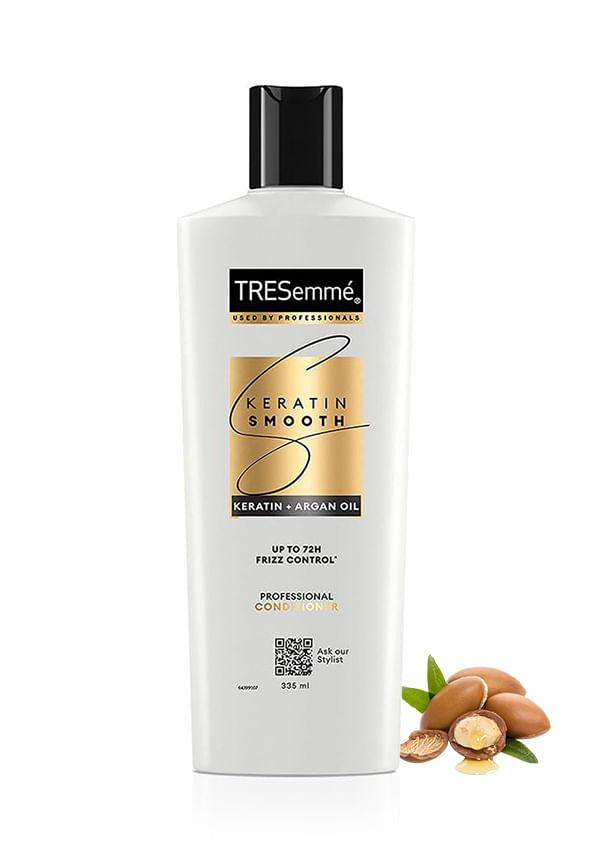
Keratin Smooth Conditioner
Section your hair into manageable parts—typically four to six sections work well. This ensures even distribution and thorough coverage of your chosen deep conditioner.
Apply your moisturising hair mask from mid-shaft to ends, avoiding the roots unless your scalp is particularly dry. Use generous amounts—skimping on product reduces effectiveness.
Work the product through with your fingers or a wide-tooth comb, ensuring every strand is coated. For severely damaged hair, focus extra attention on the ends, which are typically the oldest and most damaged parts of your hair.
Timing matters significantly. Most deep conditioners work best when left on for 20-30 minutes. Heat can enhance penetration—try wrapping your hair in a warm towel or using a hair steamer for better results.
Rinse with cool water to seal the cuticles and lock in moisture. Hot water can undo some of the benefits by opening the cuticles again and allowing moisture to escape.
Handle wet hair gently—it's at its most vulnerable when saturated with water. Pat dry with a microfibre towel and avoid aggressive rubbing that can cause hair breakage.
The market offers countless options for deep conditioning treatments, from commercial products to DIY solutions. Understanding what to look for helps you make informed choices.
Commercial deep conditioners often contain scientifically proven ingredients in optimal concentrations. Look for products with ceramides, which help rebuild the hair's protective barrier, and natural oils like argan or jojoba that provide lasting moisture.
Homemade treatments can be surprisingly effective for split ends treatment and overall hair repair. A simple avocado and honey mask provides both moisture and protein—mash one ripe avocado with two tablespoons of honey for a nourishing treatment.
Banana masks work well for extremely dry hair. Blend one ripe banana with a tablespoon of coconut oil and apply as you would any deep conditioner. The natural sugars and potassium in bananas help restore elasticity to brittle strands.
Fine, brittle hair benefits from lightweight, protein-rich treatments that won't weigh it down. Thick, coarse hair can handle heavier, oil-based treatments that provide intensive moisture.
Colour-treated hair needs gentle formulations that won't strip colour whilst still providing deep conditioning benefits. Look for products specifically labelled as colour-safe.
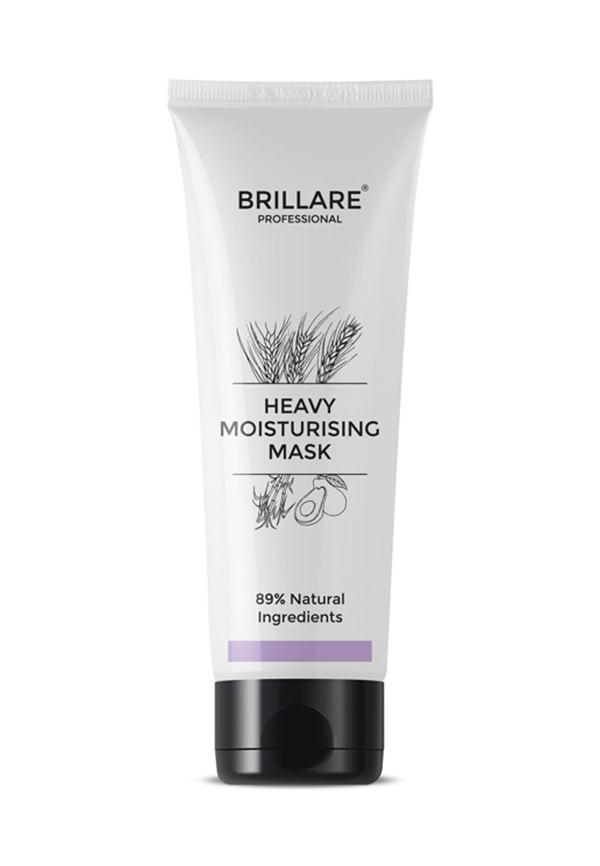
Conditioner For Dry, Frizzy Hair
Consistency is key when treating brittle hair, but overdoing it can cause more harm than good. Finding the right frequency depends on your hair's condition and needs.
Most hair types benefit from deep conditioning once or twice weekly. Severely damaged hair might need treatments three times per week initially, then reduced frequency as condition improves.
Signs of over-conditioning include hair that feels limp, greasy, or overly soft. Protein overload can make hair feel stiff and brittle—ironically similar to under-conditioned hair but with different underlying causes.
If you notice these symptoms, reduce treatment frequency and focus on gentle, moisturising products rather than protein-heavy treatments.
Hair needs change with the seasons. Winter's dry air and indoor heating can increase brittleness, requiring more frequent treatments. Summer's humidity and sun exposure create different challenges that might need protein-focused treatments.
Even with good intentions, it's easy to make mistakes that can worsen brittle hair. Understanding these pitfalls helps you avoid setbacks in your hair repair journey.
Using too much product seems helpful but can actually weigh hair down and make it appear greasy. Start with smaller amounts and add more if needed—you can always apply more, but removing excess is difficult.
Applying deep conditioner to the roots can clog follicles and create buildup. Focus on the mid-lengths and ends where damage is typically concentrated.
Using high heat immediately after deep conditioning can undo the benefits. If you must style, use heat protectants and lower temperatures. Better yet, embrace air-drying or gentle styling methods.
Daily deep conditioning might seem like a good idea for severely damaged hair, but it can lead to over-conditioning and protein buildup. Stick to recommended frequencies and give your hair time to absorb and benefit from treatments.
Deep conditioning works best as part of a comprehensive approach to hair health. Supporting practices can amplify your results and prevent future damage.
Protective styling reduces manipulation and environmental damage. Simple styles like loose braids, buns, or protective wraps can shield fragile ends from friction and breakage.
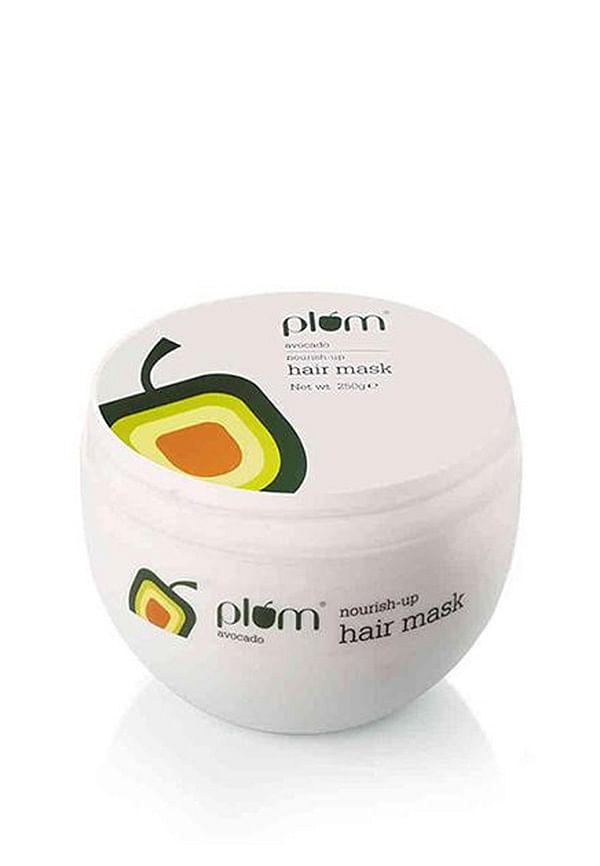
Avocado Nourish-Up Hair Mask
Use a silk or satin pillowcase to reduce friction whilst sleeping. Cotton can catch and pull on brittle hair, causing breakage overnight.
Brush gently with a wide-tooth comb or detangling brush, starting from the ends and working upward. Never brush wet hair aggressively—it's at its weakest when saturated.
Sun protection isn't just for skin. UV rays can damage hair proteins and fade colour. Wear hats or use UV-protective hair products when spending time outdoors.
Regular trims every 6-8 weeks prevent split ends from travelling up the hair shaft. Even if you're growing your hair, removing damaged ends actually promotes healthier growth.
Professional salon treatments can provide intensive repair that's difficult to achieve at home. Consider these for severely damaged hair or when DIY methods aren't providing enough improvement.
Finding the right products for your specific hair needs doesn't have to involve expensive guesswork. Smytten, India's largest product discovery platform, offers an innovative solution for exploring haircare options without the commitment of full-size purchases. With curated trial packs from over 1,500 trusted brands, you can discover what works for your brittle hair before investing in full-size products. The platform's Trial Points system lets you get up to 8 minis for just ₹249, with 100% cashback redeemable for future orders. This approach is particularly valuable when dealing with damaged hair, as different products work differently for various types of damage and hair textures.
For severely damaged hair, start with 2-3 times per week, then reduce to once weekly as condition improves. Monitor your hair's response and adjust accordingly—over-conditioning can cause limpness and buildup.
This usually indicates protein overload. Switch to moisture-focused treatments without added proteins, and ensure you're rinsing thoroughly to remove all product residue.
Daily deep conditioning can overwhelm your hair and cause buildup. Stick to 1-3 times per week maximum, depending on your hair's damage level and response to treatment.
The terms are often used interchangeably, but hair masks typically contain higher concentrations of active ingredients and may be left on longer. Both serve similar purposes for damaged hair repair.
Most products work optimally when left on for 20-30 minutes. Some intensive treatments can be left on longer, but always follow product instructions to avoid over-processing.
Deep conditioning brittle hair is both an art and a science that requires patience, consistency, and the right approach for your specific hair type. Remember that hair repair is a gradual process—you won't see dramatic changes overnight, but with consistent care, you'll notice improvements in texture, strength, and manageability over time. The key is finding the right balance of moisture and protein whilst avoiding common mistakes that can set back your progress. Whether you choose commercial products or DIY treatments, focus on gentle, nourishing ingredients that support your hair's natural structure. Most importantly, be patient with the process and celebrate small improvements along the way. With the right routine and products, even the most damaged, brittle hair can be restored to health and vitality.
