How to Create the Perfect Winter Hair Oiling Routine
Published Date - 21 November 2025
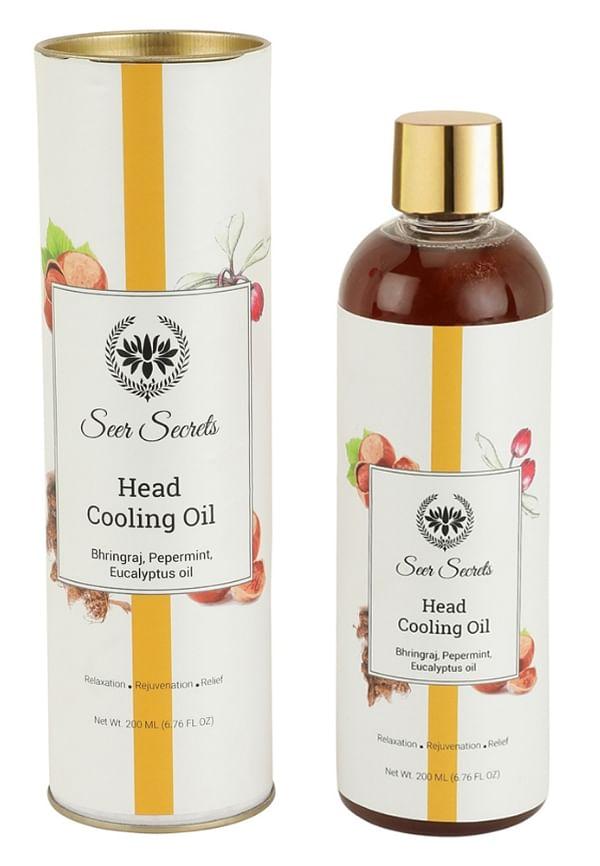
4.4|(200 ml)
Seer Secrets
Head Cooling Oil
₹ 450
Reviews from genuine users
Soothing Scalp Experience
4
“wow! I really love this. it soothes my scalp”
Indu Poola29 Nov 2025
Positive experience, recommend
4
“it's all good Val. love it. you should give it a try”
Indu Poola29 Nov 2025
Excellent Head Cooling Oil
5
“head cooling oil is very good product”
Mr Umesh02 Sep 2025
Winter's here, and your hair is probably sending you some serious SOS signals. Between the biting cold outside and cranked-up heating indoors, your strands are dealing with a moisture crisis that regular shampoo and conditioner just can't handle. That's where a proper winter hair oiling routine for women becomes your hair's best mate. Think of it as giving your locks a protective shield that keeps them soft, strong, and seriously gorgeous all season long. Ready to transform your winter haircare game? Let's dive into everything you need to know about creating the perfect routine that actually works.
Understanding Winter's Impact on Your Hair and Scalp
Let's be real—winter is basically your hair's worst enemy. The cold air outside has almost zero humidity, which means it's constantly trying to steal moisture from your strands. Then you step indoors, and the heating systems are doing the exact same thing. It's like your hair is caught in a never-ending battle against dryness.
This constant moisture loss leads to some pretty annoying problems. Your hair starts feeling rough and looking dull. Split ends become more common because your strands are literally crying out for hydration. Your scalp might get itchy or flaky, and don't even get me started on the static electricity that makes you look like you've been struck by lightning every time you take off a woolly hat.
The Science Behind Winter Hair Damage
Here's what's actually happening to your hair during winter months. Cold air can't hold much moisture, so it pulls water from wherever it can find it—including your hair shaft. Indoor heating makes things worse by creating an artificially dry environment that continues this moisture-stealing process.
Temperature fluctuations between outdoors and indoors cause your hair cuticles to expand and contract repeatedly. This constant movement weakens the protective outer layer of your hair, making it more prone to breakage and damage.
Why Traditional Haircare Falls Short
Your usual shampoo and conditioner routine might work fine in summer, but winter demands something extra. Regular products often contain harsh detergents that strip away natural oils—exactly what your hair needs to retain during dry months.
Conditioners provide temporary moisture, but they don't penetrate deeply enough to provide lasting hydration. That's where hair oiling benefits really shine, offering deep nourishment that actually stays put.
Essential Hair Oils for Your Winter Arsenal
Choosing the right natural hair oils is like picking the perfect winter coat—it needs to suit your specific needs and provide proper protection. Different oils have different superpowers, so let's break down your options.
Coconut oil is brilliant for penetrating the hair shaft and preventing protein loss. It's especially good if you have fine or damaged hair that needs strengthening. Argan oil is your go-to for adding shine and taming frizz without weighing hair down. Jojoba oil mimics your scalp's natural sebum, making it perfect for balancing oily roots with dry ends.
Choosing Based on Your Hair Type
Fine hair loves lightweight oils like jojoba or grapeseed that won't leave you looking greasy. Thick, coarse hair can handle heavier oils like castor or olive oil that provide intense moisture. Curly hair thrives with coconut or shea butter-based oils that define curls whilst fighting frizz.
Colour-treated hair needs gentle oils like argan or sweet almond that won't strip your colour whilst providing essential moisture. If you're dealing with a sensitive scalp, chamomile-infused oils can soothe irritation whilst hydrating your strands.
Hair Strengthening Oils Spotlight
Castor oil is absolutely brilliant for strengthening weak hair and promoting growth. It's thick and rich, perfect for
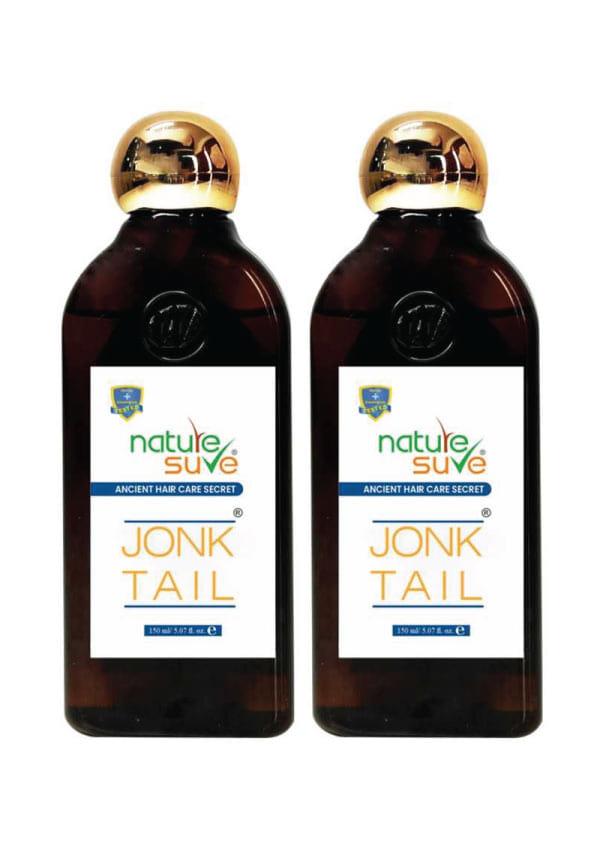
3.0|(150 ml*2)
Nature Sure
Jonk Tail Hair Oil for Men and Women
₹ 65032 % OFF
₹ 442
split ends repair when applied to the ends of your hair. Rosemary oil (diluted with a carrier oil) stimulates circulation and can help with hair thickness over time.
Black seed oil is another powerhouse for damaged hair, packed with nutrients that help rebuild the hair structure from within.
Step-by-Step Winter Hair Oiling Routine
Now for the fun part—actually creating your hair oiling routine that works. Start by sectioning your hair into manageable parts. This isn't just for Instagram-worthy application photos; it ensures every strand gets the love it deserves.
Warm your chosen oil slightly—not hot, just pleasantly warm. You can do this by placing the oil container in warm water for a few minutes. Warm oil penetrates better and feels absolutely divine on a cold day.
Application Methods That Actually Work
Start with your scalp if it's dry or flaky, using gentle circular motions to work the oil in. For the lengths of your hair, focus on the mid-shaft to ends where damage is usually worst. Use your fingers to distribute the oil evenly, or try a wide-tooth comb for longer hair.
Don't forget those sneaky areas behind your ears and at the nape of your neck—they need love too.
Scalp Massage Techniques
Proper scalp massage techniques turn your oiling session into a mini spa experience. Use your fingertips (not nails) to make small circles across your entire scalp. Start at your hairline and work backwards, spending extra time on areas that feel tense.
This massage boosts blood circulation, which helps deliver nutrients to your hair follicles. Aim for at least 5-10 minutes of massage time—your scalp and your stress levels will thank you.
Timing and Frequency Guidelines
For most hair types, leaving oil in for 30 minutes to 2 hours works brilliantly. Fine hair might only need 30 minutes, whilst thick or very damaged hair can benefit from longer treatment times.
Frequency depends on your hair's needs. Start with once a week and adjust based on how your hair responds. Some people with very dry hair might need twice-weekly treatments, whilst others find once a week perfect.
Advanced Winter Haircare Tips and Techniques
Ready to level up your routine? These advanced techniques can transform your winter haircare tips from basic to brilliant. Heat application can supercharge your oil treatments—try wrapping your oiled hair in a warm, damp towel for 20 minutes.
Steam treatments work wonders too. After applying oil, sit in your bathroom whilst running a hot shower to create a steamy environment. The steam helps the oil penetrate deeper into your hair shaft.
Overnight Oiling Strategies
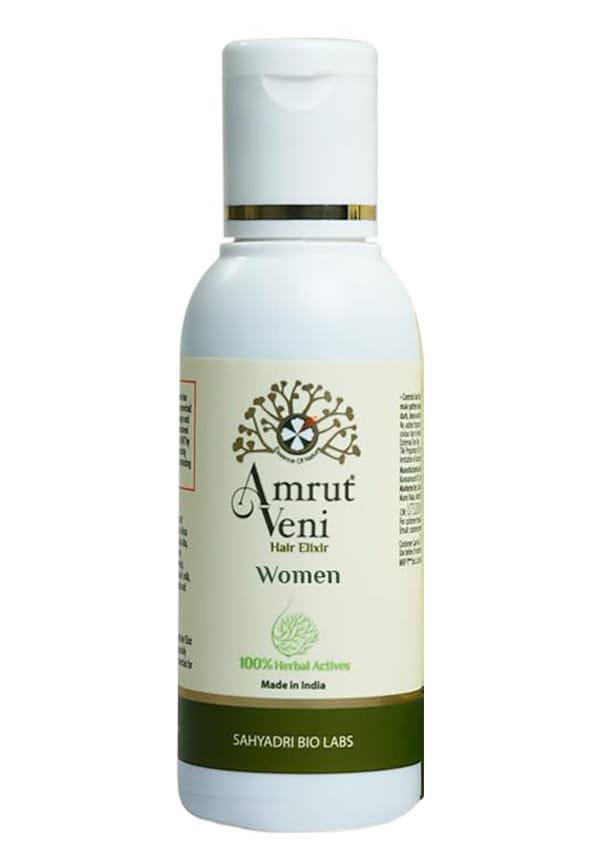
(50 ml)
Amrutveni
Hair Elixir Women
₹ 39525 % OFF
₹ 296
Overnight treatments are perfect for seriously damaged hair, but they need to be done safely. Use a silk or satin pillowcase to prevent oil transfer, and consider braiding your hair loosely to contain the oil.
Not all oils are suitable for overnight use—stick to lighter oils like jojoba or argan to avoid morning greasiness.
Hair Hydration Methods Beyond Oiling
Combine your oiling routine with other hair hydration methods for maximum impact. Deep conditioning masks once a week, leave-in treatments for daily moisture, and protective styling all work together to keep your hair happy.
Drink plenty of water and consider a humidifier in your bedroom to add moisture back into the air.
Common Mistakes and Troubleshooting Your Routine
Even the best intentions can go wrong, so let's talk about common oiling mistakes. Using too much oil is probably the biggest culprit—you want your hair to feel nourished, not like you've dunked it in a chip shop fryer.
Applying oil to already oily roots is another no-no. Focus on your mid-lengths and ends unless your scalp is genuinely dry. Wrong oil selection can also sabotage your efforts—heavy oils on fine hair or lightweight oils on very damaged hair won't give you the results you're after.
Washing Mistakes to Avoid
Removing oil properly is crucial for avoiding greasy, limp hair. Always apply shampoo to dry, oiled hair first, then add water gradually. This helps emulsify the oil for easier removal.
You might need to shampoo twice to get all the oil out—that's completely normal and not damaging if you're using a gentle shampoo.
Timing Issues
Some people oil their hair too frequently, thinking more is better. Your hair needs time to absorb and benefit from the treatment before the next one. Others don't oil frequently enough during winter when their hair needs extra support.
Pay attention to how your hair feels and looks to find your sweet spot.
Complementary Winter Hair Protection Strategies
Your dry hair treatment shouldn't stop at oiling. Environmental protection is huge—wear a silk-lined hat to prevent friction and moisture loss. At home, try to keep humidity levels around 40-50% if possible.
Sleep on silk or satin pillowcases to reduce friction whilst you sleep. These materials are gentler on your hair and help maintain your oiling treatments for longer.
Diet and Internal Hydration
What you put in your body affects your hair health too. Omega-3 fatty acids from fish, nuts, and seeds support hair health from within. Stay hydrated—your hair can't be properly moisturised if your body is dehydrated.
Vitamins like biotin, vitamin D, and iron all play roles in hair health, especially during winter when you might not be getting enough sunlight or eating as many fresh foods.
Professional Treatments
Sometimes your hair needs more help than home treatments can provide. If you're dealing with severe breakage, persistent scalp issues, or hair that doesn't respond to your routine, it might be time for professional intervention.
Salon treatments like protein masks or deep conditioning services can complement your home routine beautifully.
Exploring different hair oils and treatments doesn't have to break the bank or involve guesswork. Smytten, India's largest product discovery platform, connects you with over 1,500 trusted beauty and wellness brands including top haircare names. With curated trial packs, you can test different
4.2|(100 ml)
Sage Apothecary
Olive Oil for Hair
₹ 499
Reviews from genuine users
Great Oil for Skin & Hair
5
“great oil for skin and hair. felt good after first use.”
Sunitha Rani10 Mar 2026
Great Hair Product
5
“Nice product for hair. Gives amazing results.”
Lizaleen N14 Mar 2025
hair oil for women options before committing to full-size purchases. Getting up to 8 minis for just ₹249 with 100% cashback makes discovering your perfect winter hair routine both affordable and risk-free.
Frequently Asked Questions
How often should I oil my hair in winter?
Most people benefit from oiling once or twice a week during winter. Start with once weekly and increase if your hair still feels dry or damaged.
Which oil is best for dry winter hair?
Argan oil and coconut oil are excellent for dry hair. Argan oil is lighter and good for fine hair, whilst coconut oil provides deeper moisture for thick or very dry hair.
Can I leave hair oil overnight in winter?
Yes, but use lighter oils like jojoba or sweet almond oil. Protect your pillowcase with a silk scarf or use a silk pillowcase to prevent oil transfer.
How do I prevent my hair from getting greasy when oiling?
Use the right amount for your hair length and type. Focus on mid-lengths and ends rather than roots, and ensure you're washing the oil out properly with a gentle shampoo.
What's the difference between summer and winter hair oiling routines?
Winter routines typically need heavier oils, more frequent treatments, and longer application times due to increased dryness from cold weather and indoor heating.
How long does it take to see results from winter hair oiling?
You might notice immediate softness after your first treatment, but significant improvements in hair strength and overall health usually appear after 3-4 weeks of consistent oiling.
Final Thoughts
Creating the perfect winter hair oiling routine for women isn't about following someone else's exact formula—it's about understanding your hair's unique needs and responding to them consistently. Winter can be tough on your strands, but with the right oils, proper techniques, and a bit of patience, you can keep your hair looking gorgeous all season long.
Remember that finding your ideal routine might take some experimentation. What works for your mate might not work for you, and that's completely fine. Start with the basics, pay attention to how your hair responds, and adjust accordingly. Your hair will thank you for the extra care, and you'll love how confident you feel with healthy, nourished locks even in the depths of winter.
With Smytten's extensive range of haircare trial options, discovering the perfect products for your winter routine has never been easier. After all, why settle for 'maybe' when you can #TryItAll and find exactly what makes your hair thrive this winter?


 4
4