How to Create the Perfect Haircare Routine in India
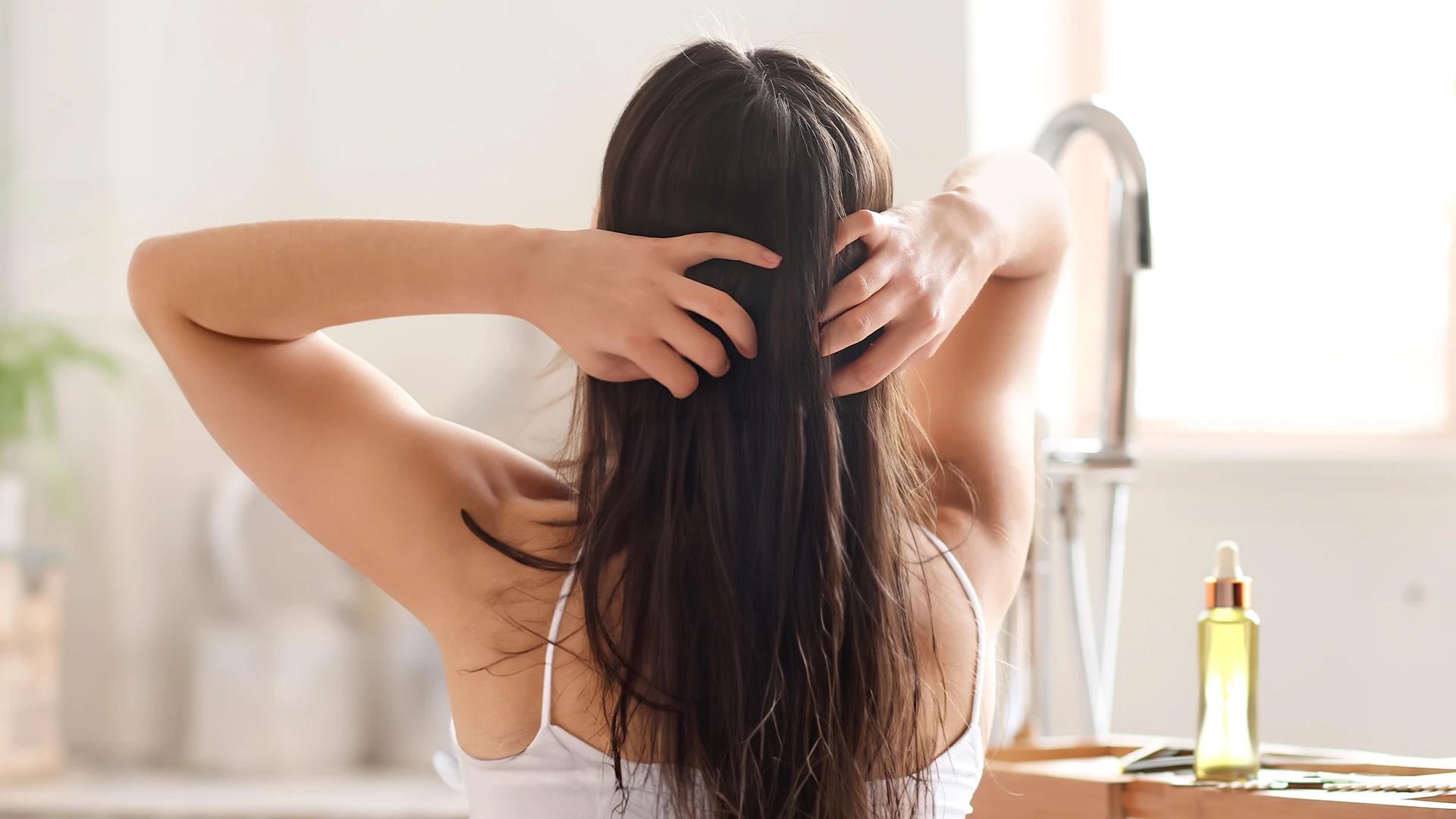

Let's be real—creating the perfect haircare routine India can feel overwhelming with all the advice floating around. Between your mum's traditional remedies, Instagram influencers promoting the latest products, and dealing with India's unique climate challenges, it's tough to know where to start. But here's the thing: your hair is as unique as you are, and what works for your bestie might not work for you. The key is understanding your specific hair type, embracing time-tested Indian practices, and finding that sweet spot between tradition and modern haircare science. Ready to discover your hair's potential?
Before diving into any routine, you need to understand what you're working with. Indian hair types are incredibly diverse, ranging from pin-straight to beautifully curly, with everything in between. Most Indian hair tends to be naturally thick and coarse, which is actually a blessing—it means your hair can handle more treatments and styling without breaking easily. The climate plays a massive role too. From Mumbai's humidity to Delhi's pollution and Chennai's coastal air, your environment directly impacts your hair health. Add to that our genetic predisposition for certain hair characteristics, and you've got a unique combination that needs a tailored approach.
Most Indian hair shares some common traits that influence how we should care for it. The natural oil production tends to be higher, especially at the scalp, which means you might find your roots getting greasy faster than the lengths. This thick texture also means it takes longer for natural oils to travel down the hair shaft, leaving the ends potentially dry while the roots feel oily. Climate impact is huge—monsoons bring humidity that can cause frizz and fungal issues, while summers can lead to sun damage and dryness. Winter pollution in northern cities creates a whole different set of challenges, coating hair with grime and toxins.
Here's a simple way to figure out your hair type: wash your hair and let it air dry without any products. Notice the natural pattern—is it straight, wavy, or curly? Next, check your hair's porosity by dropping a clean strand in water. If it sinks quickly, you have high porosity (damaged or chemically treated hair). If it floats, you have low porosity (healthy but hard to penetrate). Your scalp type matters just as much. Oily scalps need different care than dry or sensitive ones. Look for signs like flaking, itching, or excessive oil production to determine what your scalp needs.
Creating an effective haircare routine India doesn't have to be complicated. The best haircare tips India often come from understanding that consistency beats complexity every time. Your routine should adapt to your lifestyle, hair type, and the season. Start simple and build from there. A basic routine includes gentle cleansing, proper conditioning, and protection from environmental damage. The frequency of washing depends on your hair type and lifestyle—oily hair might need washing every other day, while dry or curly hair can go longer between washes.
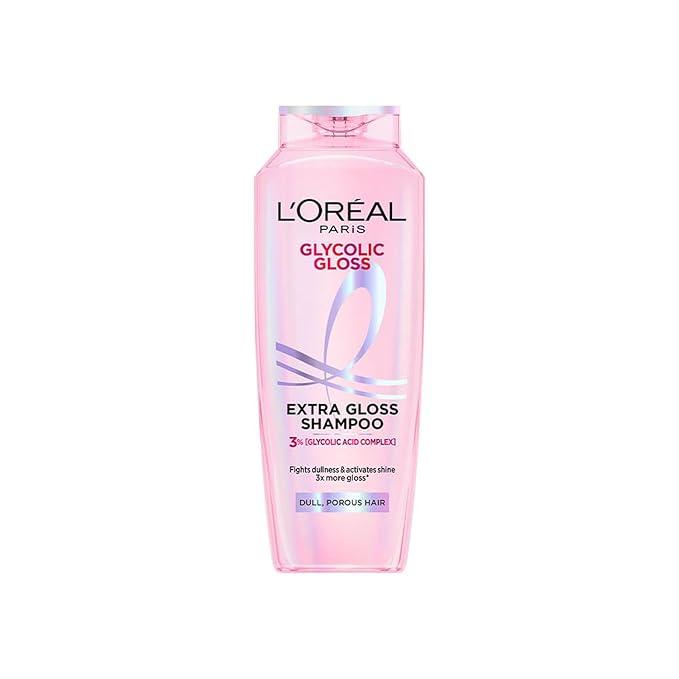
For hair that looks dull, rough, or just refuses to shine, L’Oréal Paris Glycolic Gloss Shine Boosting Shampoo can fit well into the cleansing step of your routine. Powered by a 3% Glycolic Acid complex, it helps smoothen the hair fibre so your strands look shinier and feel more polished from the first wash. It is especially useful when your hair feels porous, frizzy, or weighed down by pollution and product buildup, which is pretty common in Indian weather. The formula is suitable for all hair types and works best when paired with the Glycolic Gloss conditioner, acidifier, and serum if you want a full shine-focused routine. Think of it as your glow-up shampoo for days when your hair looks tired, flat, or missing that healthy gloss.
Your morning routine should be quick but effective. Start with gentle brushing using a wide-tooth comb or boar bristle brush, working from the ends up to avoid breakage. If you're heading out into humidity, a light leave-in conditioner or anti-frizz serum can be your best friend. Protective styling is crucial in Indian weather. Loose braids, buns, or scarves can shield your hair from pollution and UV damage while keeping you comfortable.
Evenings are perfect for deeper care. If you've been out in pollution, a gentle rinse with water can remove surface dirt without over-washing. Apply a small amount of oil to the lengths (not the scalp if it's already oily) to nourish your hair overnight. Silk or satin pillowcases reduce friction and help maintain your hair's moisture while you sleep. If you don't have one, a silk scarf wrapped around your hair works just as well.
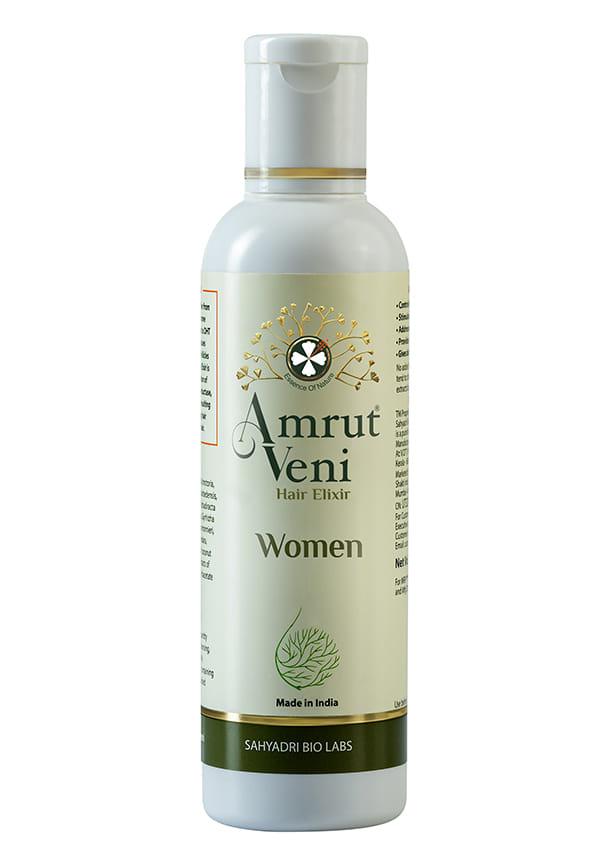
Hair Elixir Women
Once or twice a week, give your hair some extra love. This is when you do your deep conditioning treatments, hair masks, or intensive oil treatments. Schedule these on days when you can leave treatments on for longer periods. Scalp massage during these sessions improves blood circulation and helps with stress relief—a win-win for both your hair and your mental health.
Let's talk about something our grandmothers got absolutely right—hair oiling benefits are real and scientifically backed. Ayurvedic hair care has been perfected over thousands of years, and modern science is finally catching up to what Indian women have always known. Oiling isn't just about applying any oil to your hair. It's about choosing the right oil for your specific concerns and applying it correctly. The practice nourishes the scalp, strengthens hair shafts, and creates a protective barrier against environmental damage.
Coconut oil is the MVP for most Indian hair types. It penetrates the hair shaft better than most oils, providing deep nourishment and preventing protein loss. It's especially good for thick, coarse hair that needs extra moisture. Sesame oil is brilliant for dandruff and scalp issues. Its antifungal properties help maintain scalp health, while its warming nature improves circulation. Amla oil is your go-to for hair growth—it's packed with vitamin C and antioxidants that strengthen hair follicles. Bhringraj oil is the traditional remedy for premature greying and hair fall. While it won't reverse grey hair, it can slow down the process and improve overall hair health.
The key to effective oiling is in the technique. Warm the oil slightly (not hot!) and apply it section by section, focusing on the scalp and working down to the ends. Massage gently in circular motions for 5-10 minutes to improve absorption and circulation. Timing matters too. Pre-wash oiling (30 minutes to 2 hours before washing) is great for most people, while overnight oiling works well for very dry or damaged hair. Just remember to protect your pillowcase!
Natural haircare India traditions offer some of the most effective treatments you can make at home. Homemade hair masks using kitchen ingredients often work better than expensive products because they're fresh, chemical-free, and tailored to your specific needs. The beauty of natural treatments is that you know exactly what's going into your hair. No mysterious chemicals or harsh preservatives—just pure, nourishing ingredients that have been used for generations.
Yogurt and honey make an incredible moisturising mask. The lactic acid in yogurt gently exfoliates the scalp while honey provides deep hydration. Mix equal parts and apply for 20-30 minutes before washing. Fenugreek seeds soaked overnight and ground into a paste work wonders for hair fall. The proteins and nicotinic acid in fenugreek strengthen hair follicles and improve circulation to the scalp. Hibiscus flowers (fresh or dried) can be ground with a little water to create a natural hair growth treatment. The amino acids and vitamins in hibiscus nourish hair follicles and add natural shine.
Reetha (soapnuts) and shikakai are natural cleansers that clean without stripping your hair's natural oils. Boil them together to create a gentle, chemical-free shampoo that's perfect for sensitive scalps. Brahmi is excellent for stress-related hair loss. It calms the mind and nourishes the scalp, making it perfect for those dealing with hair fall due to work pressure or lifestyle stress. Curry leaves aren't just for cooking—they're packed with beta-carotene and proteins that strengthen hair and may help maintain natural pigmentation.
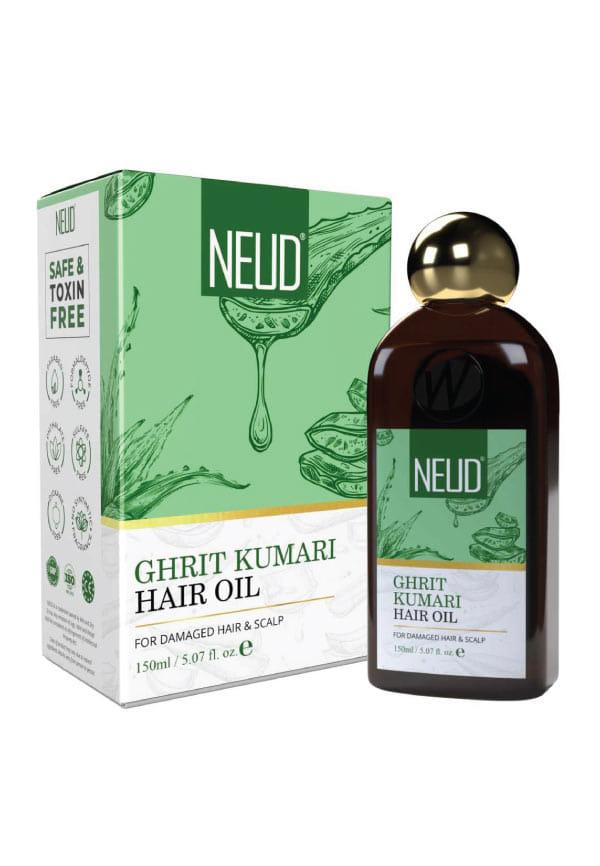
Premium Ghrit Kumari Hair Oil For Men & Women
Let's address the elephant in the room—hair fall solutions India and dandruff treatment India are probably the most searched haircare topics for good reason. These issues are incredibly common due to our climate, pollution levels, and lifestyle factors. The good news? Most hair problems can be significantly improved with the right approach and patience. The key is identifying the root cause rather than just treating symptoms.
Monsoon hair fall is real and frustrating. The humidity creates the perfect environment for fungal infections, while the constant dampness weakens hair shafts. Combat this by keeping your hair as dry as possible and using antifungal treatments like neem or tea tree oil. Pollution is another major culprit. Those tiny particles settle on your scalp, clogging follicles and causing inflammation. Regular clarifying washes and protective styling can help minimise damage. Stress-related hair fall is increasingly common in urban India. Yoga, meditation, and adequate sleep aren't just good for your mental health—they're essential for healthy hair growth.
Tea tree oil is incredibly effective against dandruff-causing fungi. Mix a few drops with your regular oil and massage into the scalp. Apple cider vinegar rinses help restore the scalp's pH balance and remove buildup. Aloe vera gel applied directly to the scalp soothes irritation and has antifungal properties. Fresh aloe is best, but pure store-bought gel works too. Dietary changes can also help—reducing sugar and increasing omega-3 fatty acids often improves scalp health from within.
When it comes to hair growth tips, patience is your best friend. Hair grows about half an inch per month on average, so don't expect overnight miracles. However, the right treatments can optimise your hair's growth potential and improve the quality of new growth. Focus on scalp health first—healthy follicles produce stronger, faster-growing hair. This means regular massage, proper nutrition, and keeping the scalp clean and balanced.
Onion juice might smell terrible, but its sulfur content genuinely promotes hair growth by improving circulation and providing nutrients to follicles. Apply fresh onion juice to the scalp, leave for 30 minutes, then wash thoroughly. Castor oil is thick and sticky but incredibly effective for hair growth. Its ricinoleic acid content improves circulation and has anti-inflammatory properties. Use it sparingly and focus on the scalp. Green tea rinses provide antioxidants that protect follicles from damage while stimulating growth. Brew strong green tea, let it cool, and use as a final rinse after washing.
Sleep quality directly impacts hair growth. Your body repairs and regenerates during deep sleep, including hair follicles. Aim for 7-8 hours of quality sleep nightly. Regular exercise improves circulation throughout your body, including your scalp. Even a 30-minute walk daily can make a difference to your hair health. Stress management is crucial—chronic stress pushes hair follicles into a resting phase, slowing growth and increasing shedding. Find stress-relief techniques that work for you.
Your healthy hair diet should include plenty of protein, iron, and vitamins. Indian cuisine naturally provides many hair-healthy ingredients—you just need to be intentional about including them regularly. Protein is crucial since hair is primarily made of keratin, a protein. Include dal, paneer, eggs, and lean meats in your diet. Iron deficiency is a common cause of hair fall, especially in women, so include spinach, dates, and jaggery regularly.

Olive Oil for Hair
Great Oil for Skin & Hair
 5
5“great oil for skin and hair. felt good after first use.”
Great Hair Product
5“Nice product for hair. Gives amazing results.”
Vitamin C helps iron absorption and collagen production. Amla, citrus fruits, and bell peppers are excellent sources. B vitamins, especially biotin and B12, support hair growth and can be found in whole grains, eggs, and dairy products. Omega-3 fatty acids keep hair shiny and strong. Include walnuts, flaxseeds, and fish in your diet. Zinc, found in pumpkin seeds and chickpeas, helps with hair tissue growth and repair.
Amla is probably the ultimate hair superfood—it's packed with vitamin C and antioxidants that strengthen hair from within. Eat it fresh, as juice, or in pickled form. Curry leaves aren't just for flavouring—they're rich in beta-carotene and proteins that support hair health. Add them to your dal or make curry leaf chutney. Coconut provides healthy fats that nourish hair from inside and out. Use coconut oil for cooking and hair treatments for maximum benefit. With India's diverse beauty landscape and the overwhelming number of product choices available, finding the right haircare routine can feel like a maze. This is where platforms like Smytten come in handy—India's largest product discovery and trial platform connects you with over 1,500 trusted brands including haircare favourites. Instead of committing to full-size products that might not work for your unique hair type, you can try curated trial packs to discover what actually works for your hair. With trial minis available for just ₹249 and 100% cashback redeemable for future purchases, you can experiment with different products risk-free until you find your perfect haircare match.
It depends on your hair type and lifestyle. Oily hair might need washing every 2-3 days, especially in humid conditions. Dry or curly hair can go 4-7 days between washes. If you exercise daily or live in a highly polluted area, you might need to rinse more frequently but use shampoo less often.
Coconut oil works well for most Indian hair types due to its ability to penetrate the hair shaft. For specific concerns, try sesame oil for dandruff, amla oil for growth, or bhringraj oil for premature greying. The key is consistency rather than the specific oil.
Homemade treatments are excellent for nourishment and addressing specific concerns, but you might still need a gentle shampoo for cleansing. Many people successfully combine natural treatments with minimal commercial products for the best results.
Most people notice improvements in hair texture and scalp health within 2-4 weeks of consistent natural treatments. For hair growth and significant changes, expect 2-3 months of regular care before seeing noticeable results.
Cover your hair when possible, use protective leave-in treatments, and rinse your hair with plain water after exposure to heavy pollution. Regular clarifying treatments help remove buildup, and antioxidant-rich oils create a protective barrier.
Creating the perfect haircare routine for Indian hair is about understanding your unique needs and being consistent with your care. Embrace the wisdom of traditional practices while staying open to modern solutions that work for your lifestyle. Remember, healthy hair is a journey, not a destination—what works for you might evolve with age, seasons, and life changes. The key is to start simple, be patient with results, and listen to what your hair is telling you. Whether you're dealing with monsoon frizz, pollution damage, or just want to enhance your natural beauty, the right combination of traditional wisdom and modern understanding can help you achieve the healthy, beautiful hair you deserve. After all, when you've found what works for your hair, you'll never want to settle for anything less.
