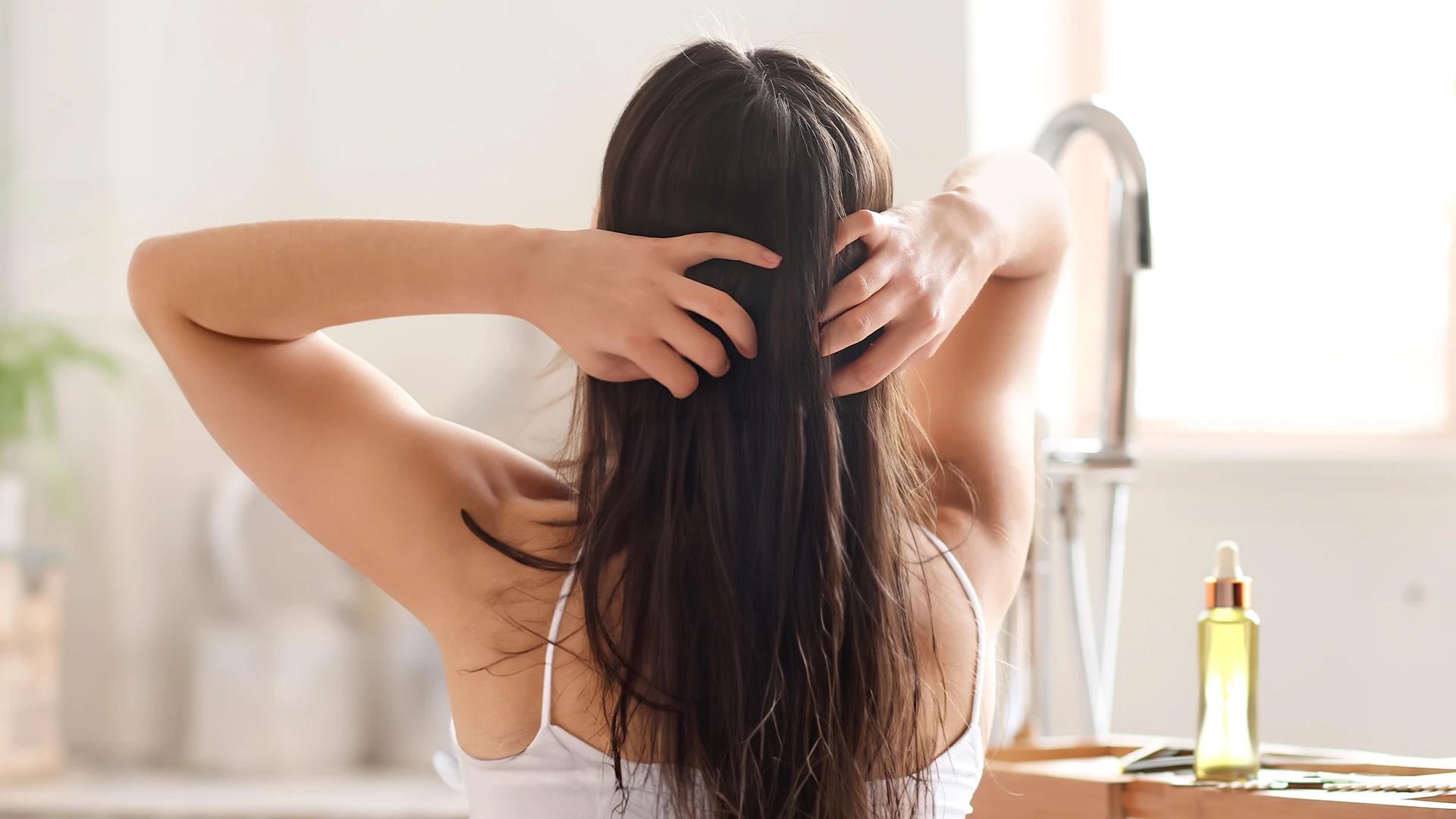
Let's be real—natural haircare has become the kind of trend that's actually worth trying. If you've been scrolling through endless posts about harsh chemicals wreaking havoc on your hair, you're not alone. Creating a natural haircare routine at home isn't just about jumping on the latest trend; it's about giving your hair what it truly needs. Think of it as switching from processed snacks to homemade meals for your locks. Your hair gets the good stuff, and you get the peace of mind knowing exactly what you're putting on it. Ready to discover how to build a routine that might just become your next fave?
Understanding Natural Haircare
Natural haircare involves using products and techniques that are free from harsh chemicals and synthetic ingredients. This approach not only benefits your hair but also the environment. Before diving into creating your routine, it's essential to understand what natural haircare entails and its advantages.
What is Natural Haircare?
Natural haircare focuses on using botanical hair ingredients and gentle formulations that work with your hair's natural texture. Instead of stripping oils with aggressive cleansers, this approach nourishes and maintains your hair's health using plant-based solutions.
Benefits of Natural Haircare
The benefits of natural haircare may extend beyond just healthier-looking hair. Many users report less scalp irritation, reduced breakage, and hair that feels softer over time. Additionally, choosing natural haircare products often means opting for more eco-friendly hair solutions.
Common Ingredients in Natural Hair Products
Popular ingredients in natural hair products include argan oil, aloe vera, coconut oil, and shea butter. These botanical hair ingredients have been used traditionally in various cultures and are believed to offer different benefits for different hair types and concerns.
Essential Components of a Natural Haircare Routine
A comprehensive natural haircare routine typically consists of several key steps. Each step serves a specific purpose in maintaining healthy, beautiful hair using organic hair products and plant-based ingredients.
Cleansing with Gentle Shampoo
Gentle shampoos and sulfate-free haircare products aim to cleanse without stripping your hair's natural oils. They're often milder and may help maintain your scalp's natural balance, which can be particularly beneficial for those with sensitive skin.
Nourishing with Plant-Based Conditioners
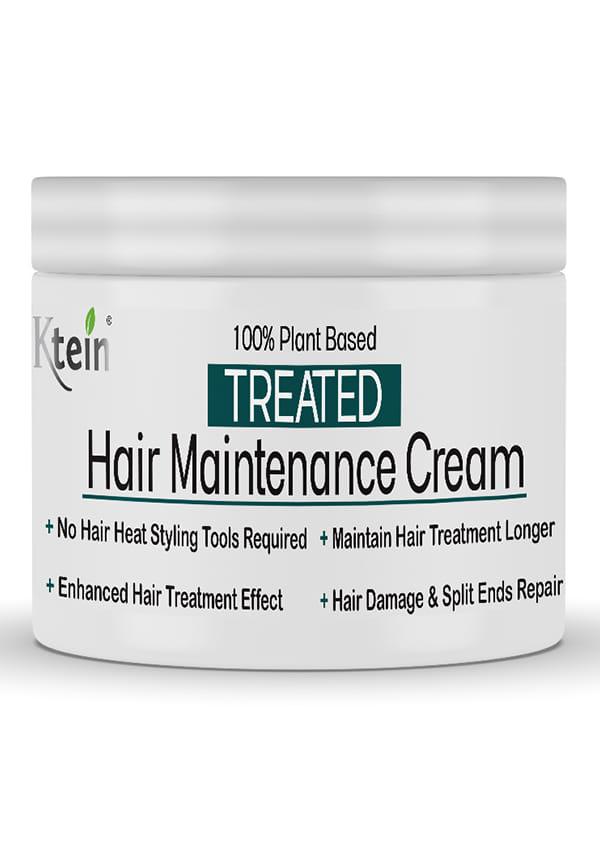
(40 gm)
Ktein
100% Plant Based Treated Hair Maintenance Cream Natural
₹ 34929 % OFF
₹ 248
Plant-based conditioners are designed to provide moisture and detangling benefits using natural oils and extracts. These products aim to hydrate your hair without relying on heavy silicones that can potentially build up over time.
Deep Conditioning with DIY Hair Masks
DIY hair masks can be an excellent addition for intensive nourishment. Using ingredients from your kitchen, you can create targeted treatments that address specific concerns like dryness, frizz, or lack of shine.
Treating with Essential Oils
Essential oils for hair are often incorporated into natural haircare routines. Some popular oils include rosemary, peppermint, and lavender, which are believed to offer various benefits for hair and scalp health.
Creating Your Natural Haircare Routine
Now that we understand the components, let's dive into creating a personalised natural haircare routine that suits your hair type and concerns. The key is starting simple and building up as you discover what works for you.
Determining Your Hair Type and Needs
Before selecting products, it's important to assess whether your hair is oily, dry, or combination. Consider your scalp condition too—is it sensitive, flaky, or balanced? This information can help guide you towards appropriate holistic hair remedies.
Selecting the Right Natural Hair Products
Start with basics: a gentle cleanser, a nourishing conditioner, and one treatment product. Look for organic hair products with simple ingredient lists. If you're unsure about certain ingredients, consider researching them or consulting with a haircare professional.
Establishing a Weekly Routine
A simple weekly routine might include washing 2-3 times, conditioning every wash, and using a treatment once weekly. Consistency is key, and you may start noticing changes in your hair's health and appearance over time.
Incorporating Monthly Treatments
Monthly deep treatments using herbal hair treatments can address specific concerns. These can be thought of as a more intensive care session for your hair, providing an opportunity for deeper nourishment.
DIY Natural Hair Treatments
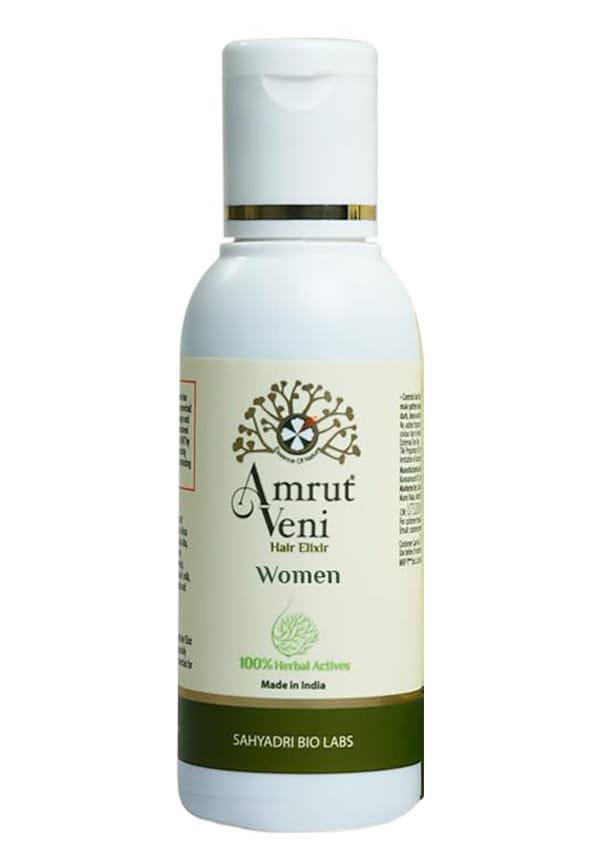
(50 ml)
Amrutveni
Hair Elixir Women
₹ 39525 % OFF
₹ 296
One of the benefits of a natural haircare routine is the ability to create your own treatments at home using simple, organic ingredients. Here are some DIY recipes you might consider incorporating into your routine.
Herbal Hair Rinses
Herbal hair treatments like rosemary or chamomile rinses are believed to boost shine and soothe the scalp. To try this, steep herbs in hot water, let cool, and use as a final rinse after conditioning.
Homemade Hair Masks for Different Hair Types
For dry hair, you might try a honey and avocado mask. For oily hair, a clay and apple cider vinegar treatment could be beneficial. These DIY hair masks use ingredients you may already have at home.
Natural Scalp Treatments
A healthy scalp is often associated with healthy hair. You might consider mixing coconut oil with tea tree oil for a potential antimicrobial treatment, or creating a sugar scrub to gently exfoliate and remove buildup.
Holistic Approaches to Hair Health
Natural haircare extends beyond just the products you use. A holistic approach considers various factors that may contribute to healthy hair. Real talk—what you eat and how you feel could potentially impact your hair health too.
Nutrition for Healthy Hair
Your hair health may reflect your overall health. Foods rich in protein, iron, and omega-3 fatty acids are often recommended to support strong, shiny hair. Consider it as nourishing your hair from the inside out.
Stress Management and Hair Health
Stress may impact your hair health. Finding ways to manage stress—whether through exercise, meditation, or taking time for yourself—could be considered part of holistic hair remedies.
Natural Hair Styling Techniques
Embracing your hair's natural texture with gentle styling methods may help maintain your hair's health. Consider air-drying, protective styles, and minimal heat usage as you transition to natural products.
Transitioning to Natural Haircare
Switching to a natural haircare routine can be a process. Here's how you might make the transition smooth and effective without shocking your hair system.
Gradual Product Replacement
Consider replacing your current products gradually as they run out, starting with your shampoo. This approach allows for a gentler transition for both your hair and your budget.
Managing Expectations During Transition
Your hair might feel different initially as it adjusts to new formulations. This adjustment period is normal and may last several weeks. Patience is key during this phase.
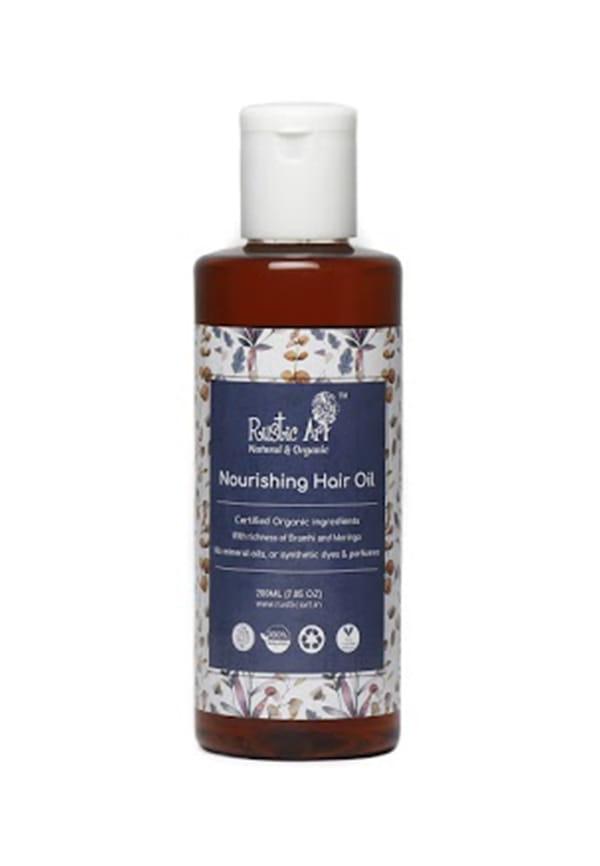
2.0|(200 ml)
Rustic Art
Organic Nourishing Hair Oil
₹ 460
Dealing with Common Challenges
If your hair feels greasy or heavy, you might be over-conditioning or using too much product. Start with smaller amounts and adjust based on how your hair responds.
Eco-Friendly Hair Solutions
Natural haircare often aligns with environmental consciousness. Explore ways to make your haircare routine more sustainable without compromising on results.
Choosing Sustainable Packaging
Look for brands using recyclable or biodegradable packaging. Solid shampoo bars are eco-friendly hair solutions that can reduce plastic waste and often last longer than liquid products.
Reducing Water Waste in Your Routine
Consider trying co-washing (conditioner-only washing) between regular washes, or experimenting with dry shampoo alternatives. These methods may help you wash less frequently while maintaining clean hair.
Exploring Multi-Use Natural Hair Products
Some natural oils can be used for hair, skin, and body. For example, coconut oil can serve as a deep conditioner, makeup remover, and body moisturiser, offering efficiency in your routine.
Frequently Asked Questions
How long does it take to see results from a natural haircare routine?
Results can vary, but many people report noticing improvements within several weeks of consistent use. Your hair may need time to adjust to new formulations and recover from previous damage.
Can natural haircare help with specific hair problems like dandruff or hair loss?
Many natural ingredients are believed to have properties that may help with these concerns. For example, tea tree oil is often used for dandruff and rosemary oil for promoting growth. However, for severe issues, it's advisable to consult with a professional.
Are all "natural" hair products truly chemical-free?
Not always. "Natural" isn't a regulated term, so it's important to read ingredient lists carefully. Look for products with recognisable, plant-based ingredients and minimal processing.
How often should I wash my hair when following a natural haircare routine?
This depends on your hair type and lifestyle. Generally, 2-3 times per week works for many people, but you might find you can go longer between washes as your scalp adjusts.
What are the best natural haircare brands in India?
There are several reputable natural haircare brands in India. Some popular options include Biotique, Khadi Natural, and Juicy Chemistry. However, the best brand for you will depend on your specific hair needs and preferences.
How much does natural haircare cost compared to regular products?
The cost of natural haircare products can vary widely. While some premium organic brands may be more expensive than conventional products, there are also affordable options available. Additionally, many DIY natural haircare treatments can be cost-effective alternatives.
Final Thoughts
Creating a natural haircare routine at home is about finding what works for your unique hair needs. Start simple, be patient during the transition, and remember that consistency matters more than perfection. Your hair is as individual as you are, so what works brilliantly for your friend might need tweaking for you. The beauty of natural haircare lies in its flexibility—you can adjust recipes, try different ingredients, and create a routine that's truly your kind of pick.
Whether you're drawn to the potential benefits of botanical ingredients or the satisfaction of creating your own treatments, natural haircare offers a path to potentially healthier hair that aligns with your values. Remember, you can always explore and try natural haircare products through discovery platforms like Smytten, which offers trial sizes before you commit to full-sized products. This way, you can find the perfect natural haircare routine that works for you without breaking the bank.