How to Control Sebum and Achieve Scalp Balance


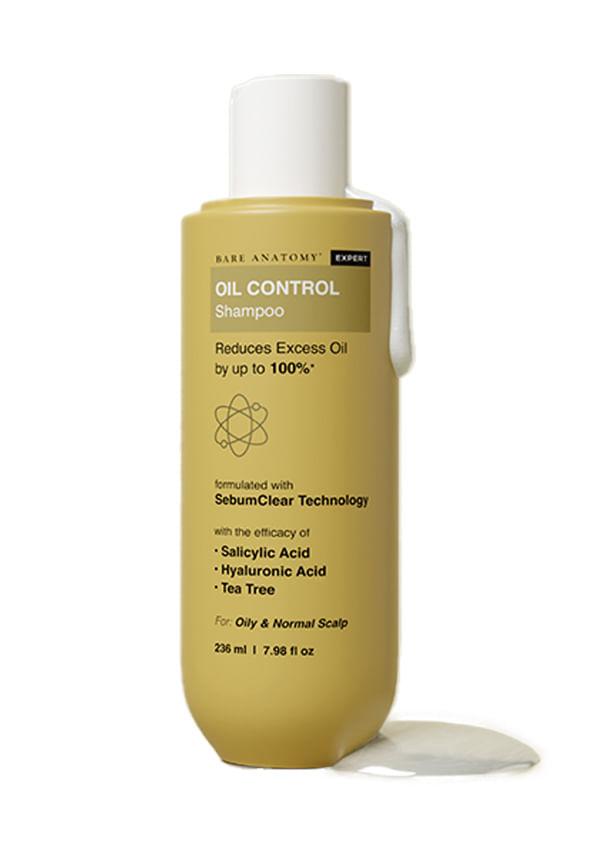
Oil Control Shampoo
Good for oil control and soft hair
 4
4“oil control and soft hair ❤️🫶🏻”
Let's be real—dealing with an oily scalp can feel like a never-ending battle. One day your hair looks fresh, the next it's giving off serious greasy vibes by lunchtime. If you're tired of constantly reaching for dry shampoo or washing your hair every single day, you're not alone. The good news? There are proven oily scalp health solutions that actually work. From understanding what's causing all that excess oil to finding the right products and routines, we're about to dive into everything you need to know about achieving proper scalp balancing. Ready to say goodbye to that perpetually greasy feeling?
Before we jump into solutions, let's talk about what's actually happening up there. Your scalp produces sebum through tiny glands called sebaceous glands—it's totally normal and actually keeps your hair healthy. But sometimes these glands go into overdrive, and that's when things get messy.
Several factors can trigger your scalp to produce more oil than necessary. Hormonal changes are often the biggest player here—think puberty, periods, pregnancy, or even stress. Your genetics also play a huge role; if your parents dealt with oily hair, chances are you might too.
Here's something that might surprise you: washing your hair too often can actually make your scalp produce more oil. When you strip away all the natural oils, your scalp panics and goes into overdrive trying to replace them. It's like your scalp is saying, "Oh no, we're running low on oil—better make more!"
Did you know that certain vitamin deficiencies, particularly B vitamins, can contribute to scalp issues? When your body lacks these essential nutrients, it can affect how your sebaceous glands function, potentially leading to either too much or too little oil production.
When you need fast results, these greasy hair solutions can help you regain control quickly. Think of these as your emergency toolkit for those particularly oily hair days.
It's not just about what you use—it's how you use it. Focus your shampoo on the scalp, not the lengths of your hair. Massage gently with your fingertips (not nails) for about 30 seconds. This helps break down oil buildup without irritating your scalp.
This one's crucial for sebum control. Apply conditioner only from mid-length to ends. Your scalp already produces natural oils, so adding more moisture there just weighs everything down and makes the greasiness worse.
High heat can stimulate oil production, so try to keep styling tools on lower settings. If you must use heat, always apply a heat protectant first—it creates a barrier that helps prevent your scalp from overreacting to the temperature.
We've all been there—you're running late and your hair looks like you haven't washed it in days. Dry shampoo is your friend here, but apply it to completely dry hair and focus on the roots. Baby powder can work in a pinch too, just make sure to blend it in well.
Sometimes the best natural remedies for oily scalp are sitting right in your kitchen or bathroom cabinet. These DIY treatments can be incredibly effective for scalp detox and long-term oil control.
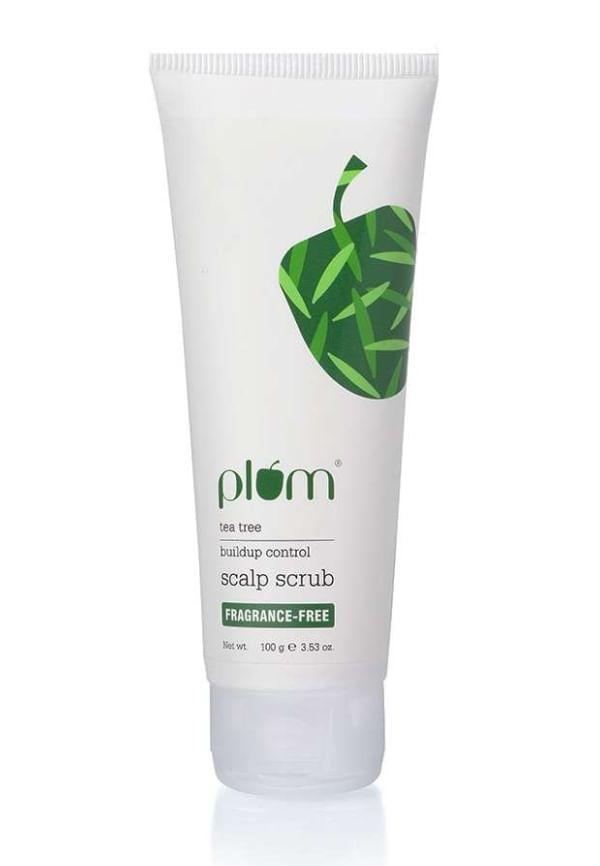
Tea Tree Buildup Control Scalp Scrub
Tea tree oil is brilliant for controlling excess oil while improving circulation. Mix 2-3 drops with a carrier oil like jojoba and massage into your scalp before shampooing. It helps regulate oil production and has antimicrobial properties that keep your scalp healthy.
This old-school remedy works wonders for pH balancing. Mix one part apple cider vinegar with three parts water and use it as a final rinse after shampooing. It helps remove product buildup and restores your scalp's natural pH balance.
If your oily scalp comes with irritation, pure aloe vera gel can provide relief without adding extra oil. Apply it directly to your scalp, leave for 15 minutes, then shampoo as usual. It's particularly helpful if you're dealing with itchy scalp remedies alongside oil control.
Bentonite or kaolin clay masks can draw out excess oil and impurities from your scalp. Mix the clay with water to form a paste, apply to your scalp, leave for 10-15 minutes, then rinse thoroughly. Do this once a week for best results.
Try this simple routine: Start with a clay mask, follow with a gentle shampoo, then finish with an apple cider vinegar rinse. This combination helps reset your scalp and can significantly improve oil control over time.
Choosing the right products is crucial for effective haircare for oily scalp. Not all shampoos are created equal, and what works for your friend might not work for you.
Salicylic acid is excellent for exfoliating the scalp and removing buildup. Zinc pyrithione helps control oil production and has antifungal properties. Ketoconazole is particularly helpful if you're dealing with dandruff alongside oily scalp issues.
For oily scalps, sulfates aren't necessarily the enemy. They're effective at removing excess oil and buildup. However, if you have a sensitive scalp, sulfate-free options with gentle cleansing agents might be better for long-term scalp health.
If you're dealing with persistent oiliness, medicated shampoos can provide stronger oily hair treatment. For daily use, though, a gentle clarifying shampoo might be more sustainable and less likely to cause irritation.
Most people with oily scalps benefit from washing every other day or every two days. Daily washing can strip your scalp and trigger more oil production, while waiting too long can lead to buildup and irritation.
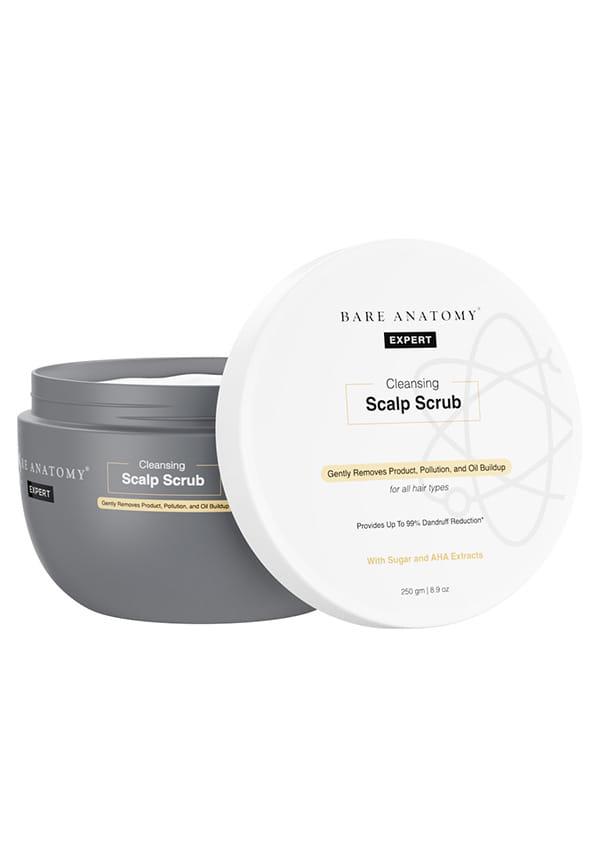
Scalp Scrub | Up To 99% Dandruff Reduction | Dandruff Remover
Makes scalp dry
5“not much good make scalp more dry”
Nice Product, Best Results
5“very nice product best results for using”
Effective Scalp Scrub for Weekly Routine
5“Works fine, good for a healthy and clean feel once a week routine. A good scalp scrub, give it a try”
When basic routines aren't cutting it, these advanced strategies can help achieve better scalp balancing and long-term oil control.
Scalp treatments like growth factor concentrates or professional scalp facials can help reset your scalp's oil production. These treatments work by improving circulation and providing targeted nutrients to your scalp.
Regular scalp massage improves blood flow and can help regulate oil production. Use gentle, circular motions for 2-3 minutes before shampooing. This simple technique can make a significant difference in overall scalp health.
What you eat affects your scalp too. Reducing dairy and high-glycemic foods can help some people control oil production. Increasing omega-3 fatty acids and B vitamins supports healthy scalp function.
Stress hormones can trigger excess oil production, so managing stress through exercise, meditation, or other relaxation techniques can indirectly help with oil control.
Sometimes an oily scalp comes with additional challenges that need special attention. Here's how to handle the most common complications while maintaining effective sebum control.
This combination can be tricky because treatments for one condition might worsen the other. Look for shampoos that contain both oil-controlling and antifungal ingredients. Zinc pyrithione is particularly effective for this dual approach.
If your scalp is both oily and irritated, gentle is the way to go. Use lukewarm water instead of hot, and consider alternating between a gentle, moisturising shampoo and a clarifying one.
Excess oil can clog hair follicles and contribute to hair thinning. If you're noticing increased hair loss alongside oiliness, it's worth consulting a dermatologist to rule out underlying conditions.
Some people find that probiotics and fish oil supplements help support scalp health from the inside out. While results vary, these supplements support overall skin and scalp health.
Creating a sustainable routine is key to maintaining the results you've worked so hard to achieve. These strategies help prevent oily scalp issues from returning.
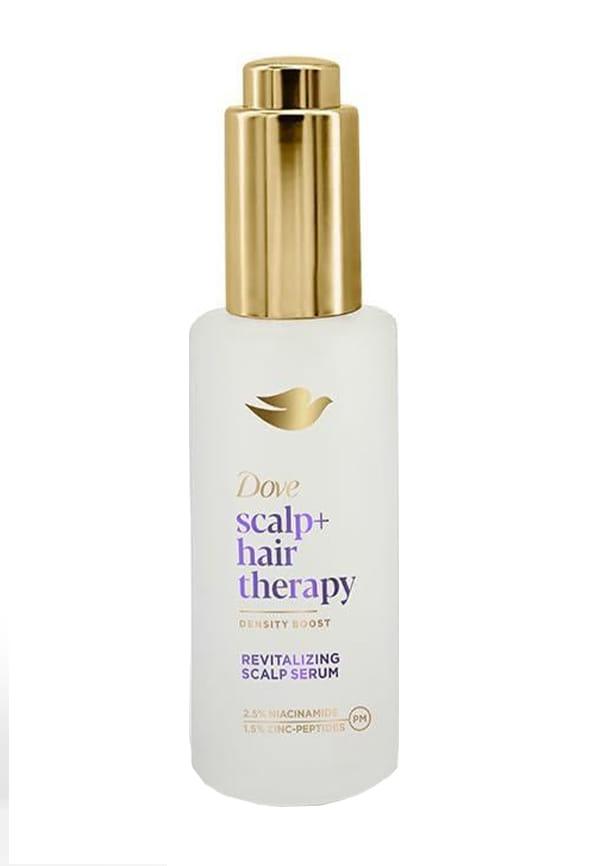
Dove Scalp+Hair Therapy Density Boost Revitalizing Scalp Serum
Start simple and build up. A basic routine might include washing every other day with a gentle clarifying shampoo, using a weekly clay mask, and incorporating scalp massage. As your scalp adjusts, you can fine-tune the frequency and products.
Your scalp's needs change with the seasons. Summer heat and humidity might require more frequent washing, while winter heating can actually make your scalp produce more oil to compensate for dryness.
Clean your brushes and styling tools regularly. Product buildup and bacteria on these tools can transfer back to your freshly washed hair, undoing all your hard work.
Sleep on clean pillowcases, avoid touching your hair throughout the day, and be mindful of how often you wear hats or headbands. These small changes can make a big difference in oil control.
Finding the right products for your specific scalp needs doesn't have to involve expensive trial and error. Smytten offers curated trial packs from over 1,500 trusted brands, letting you explore different oily scalp health solutions before committing to full-size purchases. With options covering everything from gentle clarifying shampoos to specialised scalp treatments, you can discover what works for your unique hair type without the guesswork.
While there's no overnight "cure," you can effectively manage oily scalp through proper cleansing techniques, using the right products, and maintaining a consistent routine. Focus on gentle clarifying shampoos, avoid over-washing, and consider natural remedies like tea tree oil or clay masks for additional oil control.
B vitamin deficiencies, particularly B2 (riboflavin) and B6, can affect sebaceous gland function and contribute to scalp issues. These vitamins help regulate oil production, so ensuring adequate intake through diet or supplements may help with oil control.
Overactive sebaceous glands are the primary cause, often triggered by hormones, genetics, stress, or improper hair care routines. Overwashing can also stimulate more oil production as your scalp tries to compensate for stripped natural oils.
Maintain a consistent washing schedule (every 1-2 days), use appropriate products for your scalp type, avoid applying conditioner to your scalp, manage stress levels, and keep styling tools and brushes clean. Regular scalp massage can also help regulate oil production.
Yes, excess oil can clog hair follicles and create an environment that may contribute to hair thinning. The buildup can interfere with healthy hair growth and may lead to follicle inflammation. Proper oil control can help maintain healthier hair growth conditions.
Managing an oily scalp doesn't have to be a constant struggle. With the right combination of proper cleansing techniques, suitable products, and consistent care, you can achieve the balanced, healthy scalp you're after. Remember, what works for someone else might not work for you, so don't be afraid to experiment with different approaches until you find your perfect routine.
The key is patience and consistency. Your scalp didn't become oily overnight, and it won't balance out immediately either. Give any new routine at least 4-6 weeks to show results, and don't be discouraged if you need to make adjustments along the way.
Whether you're trying natural DIY remedies or exploring professional-grade products, the most important thing is finding solutions that work for your lifestyle and scalp type. With over 25 million users discovering their perfect haircare matches through trial and exploration, there's definitely a solution out there that's worth trying for your specific needs.
