How to Control Oily Scalp: Expert Remedies Revealed


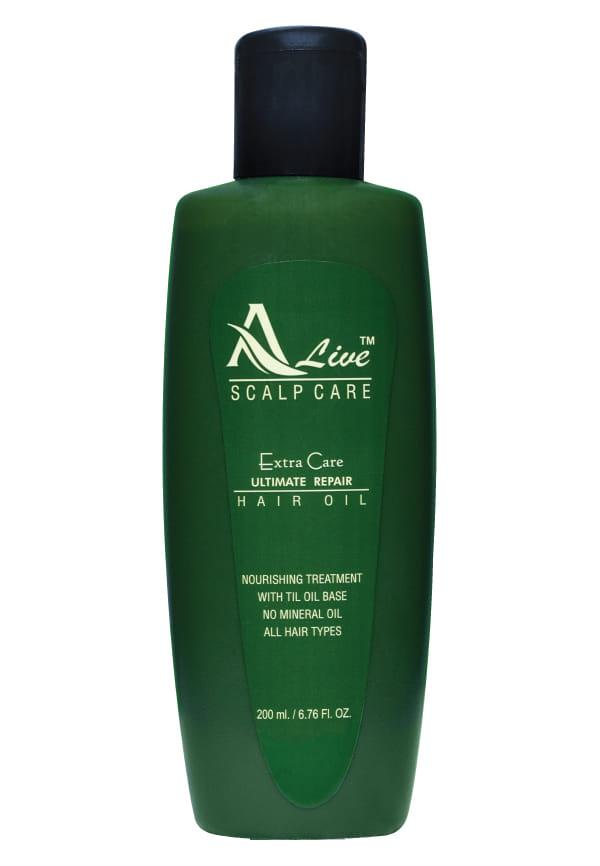
Scalp Care Hair Oil
Dealing with an oily scalp can feel like a never-ending battle. One day your hair looks fresh, the next it's greasy by lunchtime. If you're constantly reaching for dry shampoo or washing your hair daily just to feel presentable, you're not alone. Millions of people struggle with excess scalp oil production, and the frustration is real. The good news? There are proven oily scalp treatment methods that actually work. From understanding what triggers your scalp's oil overproduction to discovering the right products and techniques, we're about to dive into expert-backed solutions that can transform your haircare routine. Let's get your scalp back to its balanced, healthy state.
Before jumping into treatments, it's crucial to understand what's happening beneath the surface. Your scalp contains sebaceous glands that naturally produce sebum—an oily substance that protects and moisturises your hair and scalp. When these glands go into overdrive, you end up with that greasy, uncomfortable feeling. Several factors can trigger excessive oil production. Hormonal fluctuations, particularly during puberty, pregnancy, or menstrual cycles, often ramp up sebum production. Genetics also play a significant role—if your parents dealt with oily hair, chances are you might too. Environmental factors like humidity, pollution, and even overwashing can disrupt your scalp's natural balance.
An oily scalp isn't just about greasy-looking hair. You might notice your scalp feels heavy or sticky to the touch. Hair becomes limp and loses volume quickly after washing. Sometimes, an itchy oily scalp develops due to bacterial overgrowth in the excess oil, leading to irritation and discomfort.
Excess sebum can clog hair follicles, potentially leading to scalp acne or even hair thinning. The oil traps dirt, dead skin cells, and product buildup, creating an environment where bacteria and fungi can thrive. This is why addressing oily scalp issues goes beyond just aesthetics—it's about maintaining overall scalp health.
When home remedies aren't cutting it, professional treatments can provide the deep cleansing and scalp oil control your scalp needs. Dermatologists and trichologists offer several effective approaches that target the root causes of excess oil production. Clinical scalp detox procedures involve deep cleansing treatments that remove buildup and reset your scalp's natural balance. These treatments often use specialised equipment and professional-grade products that aren't available for home use. The process typically includes thorough cleansing, exfoliation, and the application of oil-regulating treatments.
Salon-grade treatments can penetrate deeper than at-home products. Professional scalp balancing treatment options often combine multiple approaches—cleansing, exfoliation, and targeted serums—in one session. The results tend to be more dramatic and longer-lasting than DIY methods.
Most professional treatments require multiple sessions for optimal results. You might notice improvement after the first treatment, but significant changes typically occur after 3-4 sessions spaced 2-3 weeks apart. Your scalp specialist will assess your specific condition and recommend a personalised treatment plan.
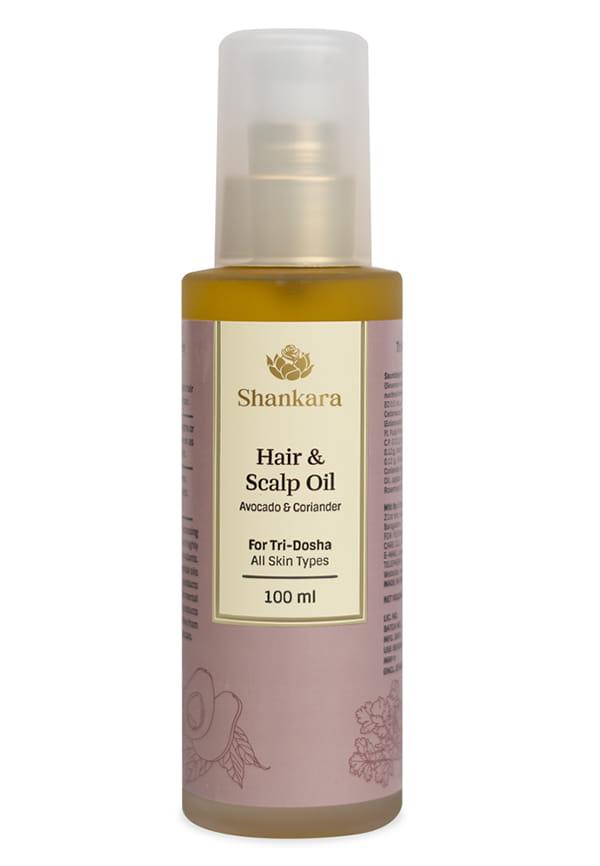
Hair & Scalp Oil
Choosing the right sebum control shampoo can make or break your oily scalp management routine. Not all shampoos are created equal, and understanding key ingredients helps you make informed decisions. Look for shampoos containing salicylic acid, which gently exfoliates the scalp and helps unclog follicles. Tea tree oil offers natural antimicrobial properties while regulating oil production. Zinc pyrithione controls fungal growth and reduces inflammation. Clay-based formulas absorb excess oil without completely stripping your scalp.
Clarifying shampoos provide deep cleansing but should be used sparingly—once or twice weekly at most. For daily washing, opt for gentler formulas that control oil without causing dryness. The best shampoo for oily scalp strikes a balance between effective cleansing and maintaining your scalp's natural protective barrier.
How you wash matters as much as what you use. Focus the shampoo on your scalp, not the hair lengths. Massage gently with fingertips—never nails—to stimulate circulation without irritating the skin. Rinse thoroughly, as leftover product can contribute to buildup and increased oiliness.
Sometimes the most effective solutions come from your kitchen cupboard. Natural scalp cleansers offer gentle yet effective ways to manage oil production without harsh chemicals. Apple cider vinegar stands out as a powerhouse ingredient for oily scalp care. Its acidic nature helps balance your scalp's pH while removing buildup. Mix one part apple cider vinegar with three parts water and use as a final rinse after shampooing. The smell dissipates as your hair dries, leaving you with balanced, clean-feeling hair.
Bentonite or kaolin clay masks work wonders for absorbing excess oil. Mix clay powder with water or apple cider vinegar to create a paste. Apply to damp scalp, leave for 10-15 minutes, then rinse thoroughly. Use weekly for best results.
Tea tree, peppermint, and rosemary oils can help regulate sebum production. Always dilute essential oils with a carrier oil like jojoba or coconut oil before applying. A few drops mixed into your regular shampoo can boost its oil-controlling properties.
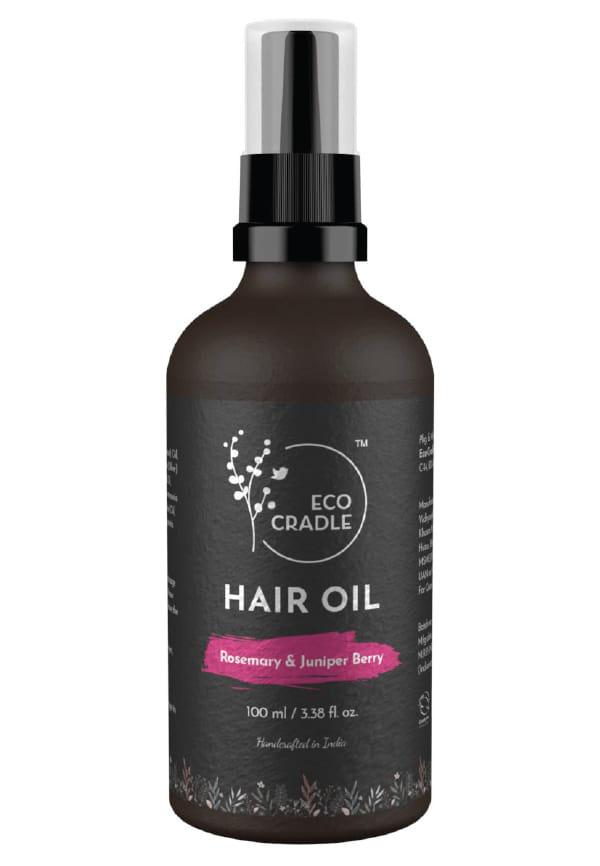
Hair Oil
Effective haircare for oily scalp extends beyond just washing. Your daily habits significantly impact oil production and overall scalp health. Contrary to popular belief, washing daily isn't always necessary and can sometimes worsen oiliness. Most people with oily scalps benefit from washing every other day or every two days. This allows your scalp to regulate its natural oil production without triggering overcompensation.
Excessive heat can stimulate oil production. When possible, air-dry your hair or use the cool setting on your blow dryer. If you must use heat styling tools, apply a heat protectant and keep temperatures moderate.
Gentle scalp massage improves circulation and can help distribute natural oils more evenly. Use your fingertips to massage in circular motions for 2-3 minutes during shampooing. This simple technique can improve overall scalp health and reduce localised oiliness.
What you eat affects your scalp. Reduce dairy and high-glycemic foods, which can trigger increased oil production. Stay hydrated and include omega-3 rich foods in your diet to support healthy sebum production. Stress management is equally important, as stress hormones can ramp up oil production.
Once you've mastered the basics, advanced techniques can fine-tune your scalp oil control routine. These strategies work best when combined with consistent basic care. Dry shampoo isn't just for emergencies—it can be a strategic tool in your routine. Apply it to clean, dry hair before bed to absorb oils overnight. This proactive approach keeps your hair fresher longer and extends time between washes.
Regular scalp exfoliation removes dead skin cells and product buildup that can trap oil. Use a gentle scalp scrub once weekly, or try a soft-bristled brush during shampooing. Over-exfoliation can irritate your scalp, so start slowly and adjust frequency based on your scalp's response.
Your scalp's needs change with the seasons. Summer humidity might require more frequent washing, while winter heating can cause your scalp to overcompensate for dryness by producing more oil. Adjust your routine accordingly and pay attention to how environmental changes affect your scalp. Finding the right products for your specific scalp needs doesn't have to involve expensive trial and error. Platforms like Smytten make it easier to discover effective oily hair remedies by offering trial-sized versions of top haircare brands. This approach lets you test different formulations and find what works for your unique scalp condition before committing to full-size products.
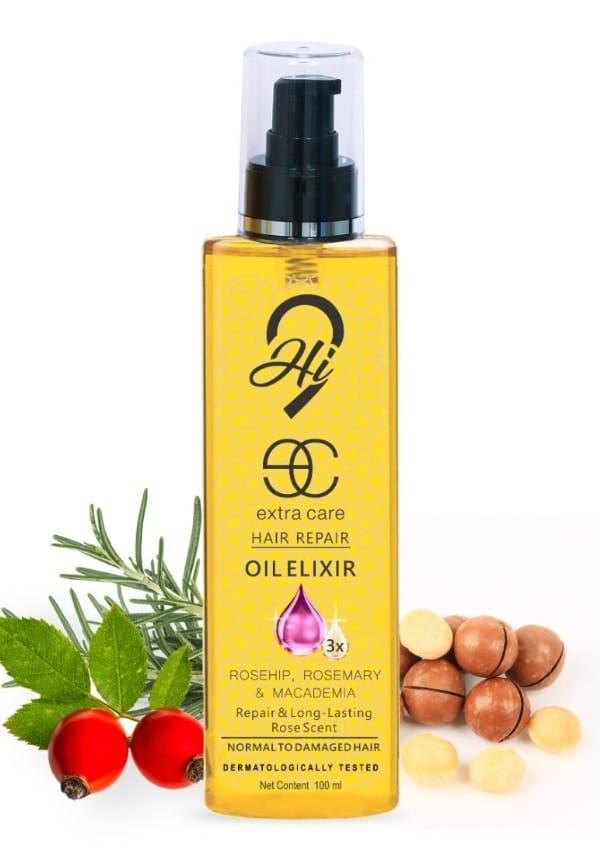
Oil Elixir
While you can't permanently change your scalp's natural oil production, you can effectively manage it long-term. Consistent use of appropriate products, maintaining a balanced routine, and addressing underlying factors like hormones or diet can provide lasting control. The key is finding the right combination of treatments and sticking with them.
This often happens due to overwashing, which strips your scalp's natural oils and triggers overproduction as compensation. Product buildup, using the wrong shampoo for your scalp type, or not rinsing thoroughly can also contribute. Hormonal fluctuations and genetics play significant roles too.
Excess oil can clog hair follicles and create an environment for bacterial growth, potentially leading to inflammation and hair thinning. However, oily scalp alone rarely causes permanent hair loss. Proper cleansing and oil control can prevent these issues and maintain healthy hair growth.
Look for gentle, sulfate-free formulas with oil-controlling ingredients like salicylic acid or tea tree oil. Avoid harsh clarifying shampoos for daily use. The best option balances effective cleansing with maintaining your scalp's natural protective barrier.
Most people notice initial improvements within 1-2 weeks of starting a new routine. Significant changes typically occur after 4-6 weeks of consistent treatment. Professional treatments may show faster results, but maintaining them requires ongoing care.
Overuse of oil-control products can lead to dryness, irritation, or rebound oiliness. Start with gentle formulations and gradually increase frequency or strength as needed. Always patch test new products and discontinue use if irritation occurs.
Managing an oily scalp successfully requires understanding your specific triggers and finding the right combination of treatments. Whether you opt for professional procedures, targeted products, or natural remedies, consistency is crucial for long-term success. Remember that what works for others might not work for you—scalp care is highly individual. Don't be afraid to experiment with different approaches until you find your perfect routine. The journey to balanced, healthy hair starts with understanding your scalp's unique needs and treating it with the care it deserves. With the right knowledge and tools, you can transform your relationship with your hair. Say goodbye to constant greasiness and hello to confident, comfortable days ahead.
