How to Control Oily Hair: Expert Scalp Solutions

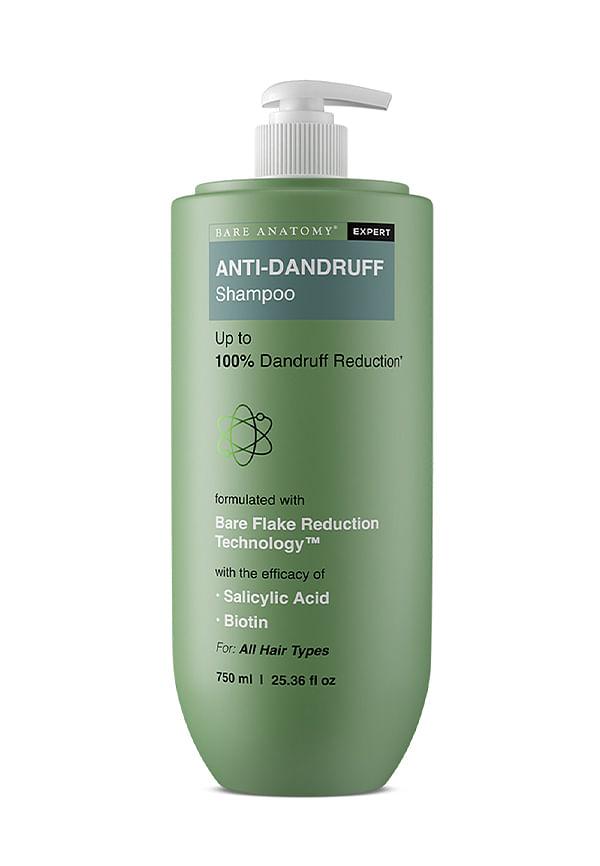
Anti Dandruff Shampoo Salicylic Acid Shampoo for Dry and Frizzy Hair
Amazing Shampoo: Silky & Dandruff-Free Hair
 5
5“amazing shampoo and makes your hair silky and dandruff free”
Effective for Hair Improvement
5“Good product to use, hair are getting better due to this product ”
Great Shampoo, Dandruff Control
5“great shampoo with dandruff control”
Let's be real—dealing with oily hair can feel like a never-ending battle. One day your hair looks fresh and clean, and by the next afternoon, it's looking greasy enough to fry chips. If you've been searching for tips for oily hair that actually work, you're in the right place. The good news? You don't have to live with constantly greasy locks. With the right oily scalp solutions and a bit of know-how, you can take control of your hair's oil production and finally achieve that fresh, clean look that lasts longer than a few hours.
Before diving into solutions, it's worth understanding what's actually happening up there. Your scalp produces natural oils called sebum through tiny glands attached to each hair follicle. This oil is meant to protect and moisturise your hair—it's not the villain here. The problem starts when these glands go into overdrive and produce more oil than your hair can handle.
Several factors can trigger excessive oil production. Hormonal changes are massive culprits—think puberty, periods, pregnancy, or even stress. Your genetics also play a role; if your parents dealt with oily hair, chances are you might too. Environmental factors like humidity, pollution, and even over-washing can mess with your scalp's natural balance.
Here's something that might surprise you: washing your hair every single day because it's oily can actually make the problem worse. When you strip away all the natural oils, your scalp panics and produces even more oil to compensate. It's like your scalp is saying, "Oh no, we're running low on oil—better make more!"
Creating a solid haircare for oily hair routine doesn't have to be complicated. The key is consistency and using the right techniques. Think of it as training your scalp to behave better over time.
Start your day by assessing your hair's oil levels. If it's not too greasy, you might just need a quick refresh with dry shampoo at the roots. When you do wash, focus the shampoo on your scalp, not the lengths of your hair. The oil from your roots will naturally cleanse the rest as you rinse.
Your evening routine is just as important. Consider switching to a silk or satin pillowcase—cotton can absorb your hair's natural oils and create friction that stimulates more oil production. Try loosely braiding your hair or putting it in a loose bun to keep it off your face and neck while you sleep.
Once a week, give your scalp some extra attention. Gentle scalp exfoliation can help remove buildup and dead skin cells that might be clogging your hair follicles. You can use a soft brush or even your fingertips to massage your scalp before shampooing.
Not all shampoos are created equal, especially when it comes to managing oily hair. The best shampoo for oily hair should cleanse effectively without being too harsh. Look for formulas that are specifically designed for oily or greasy hair—they're usually lighter and less moisturising than regular shampoos.
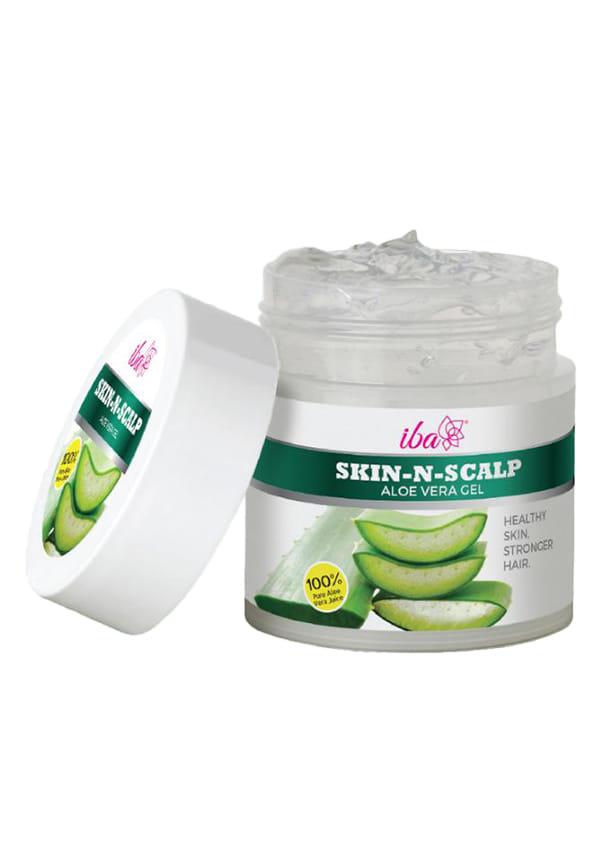
Skin - N - Scalp Aloe Vera Gel for Face, Skin & Hair
Salicylic acid is brilliant for oily hair because it gently exfoliates the scalp and helps remove buildup. Tea tree oil has natural antibacterial properties and can help regulate oil production. Zinc pyrithione is another ingredient worth seeking out—it helps control the microorganisms on your scalp that can contribute to oiliness.
Stay away from shampoos with heavy moisturising ingredients like shea butter, coconut oil, or glycerin in the first few ingredients. These can weigh down oily hair and make it look greasier faster. Sulphate-free shampoos, while great for dry hair, might not cleanse oily hair thoroughly enough.
Here's where technique really matters. Wet your hair thoroughly with lukewarm water—hot water can stimulate oil production. Apply shampoo only to your scalp and massage gently with your fingertips, not your nails. Rinse thoroughly, and if your hair still feels oily, do a second, lighter shampoo.
Sometimes the best oily hair remedies are sitting right in your kitchen. These natural remedies for oily hair can be surprisingly effective and won't break the bank.
Apple cider vinegar is like a reset button for your scalp. Mix one part apple cider vinegar with three parts water and use it as a final rinse after shampooing. The acidity helps balance your scalp's pH and can reduce oil production over time. Just make sure to rinse it out thoroughly—you don't want to smell like a salad!
Fresh aloe vera gel can soothe an irritated scalp and help regulate oil production. Apply it directly to your scalp, leave it on for 15-20 minutes, then rinse out before shampooing. It's particularly helpful if your oily scalp is also itchy or inflamed.
Brew a strong cup of green tea, let it cool completely, and use it as a scalp rinse. Green tea contains antioxidants that can help balance oil production and add shine to your hair. Plus, it smells much better than vinegar!
If home remedies aren't cutting it, there are professional oily hair treatment options worth considering. Sometimes you need to bring in the big guns to really tackle stubborn oil production.
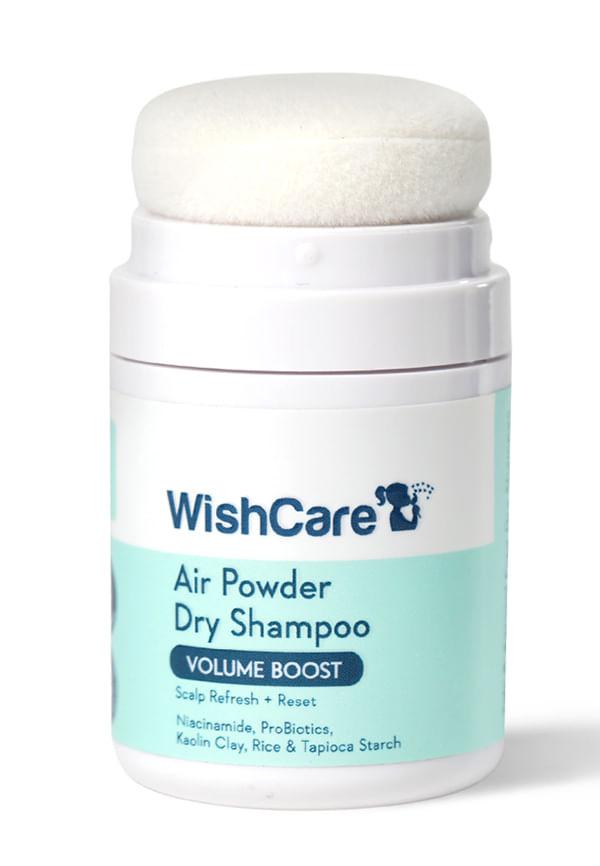
Air Powder Dry Shampoo for Oily Hair & Scalp
Effective Dry Shampoo
5“Bestttttttt dry shampooo for oil free look”
Effective Dry Shampoo
5“Bestttttttt dry shampooo for oil free look”
Effective Dry Shampoo
5“Bestttttttt dry shampooo for oil free look”
Many salons now offer specialised scalp treatments that can help with oil control. These might include deep-cleansing treatments, scalp facials, or professional-grade exfoliation. While they're more expensive than DIY options, they can provide more dramatic results.
If your oily hair is accompanied by severe dandruff, scalp irritation, or hair loss, it might be time to consult a dermatologist. Sometimes underlying conditions like seborrheic dermatitis can cause excessive oil production, and these require medical treatment.
We've all been there—you're running late, and your hair looks like you haven't washed it in a week. Here are some greasy hair tips for those emergency situations.
Dry shampoo is your best friend, but you need to use it correctly. Spray it on your roots from about 15cm away, let it sit for a few minutes to absorb the oil, then massage it in and brush it out. For extra absorption, try applying dry shampoo before bed and sleeping in it.
When your roots are oily but you don't have time to wash, try styles that work with the grease rather than against it. Slicked-back ponytails, braids starting from the ears down, or textured buns can all disguise oily roots while looking intentionally styled.
In a pinch, baby powder can absorb excess oil. Sprinkle a tiny amount on your roots, work it in with your fingers, then brush it out thoroughly. This works best on lighter hair colours—darker hair might need tinted dry shampoo instead.
Sometimes we're our own worst enemy when it comes to managing oily hair. Here are the most common mistakes that can actually increase oil production and how to avoid them.
Conditioner is essential, but applying it to your roots is a no-go for oily hair. Keep conditioner on the mid-lengths and ends of your hair only. If your hair is very oily, you might only need conditioner once or twice a week rather than every wash.
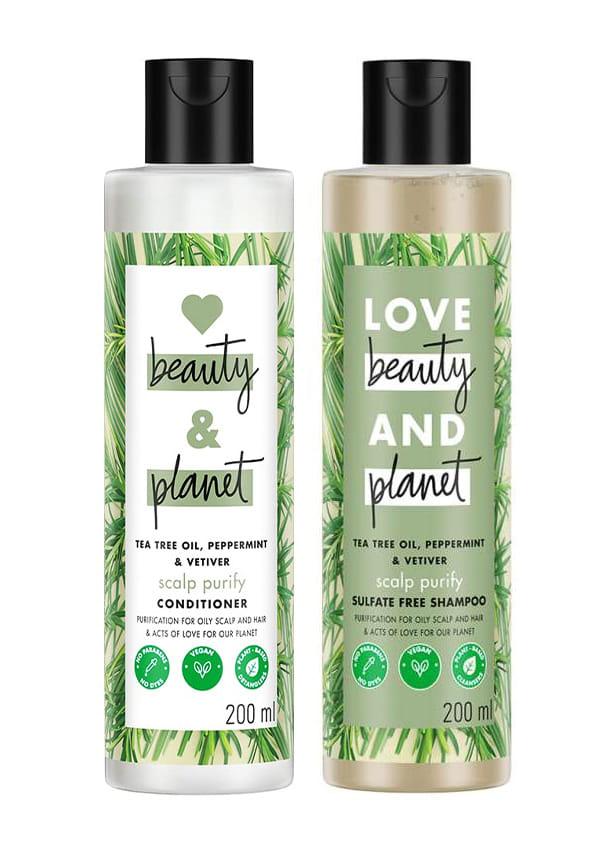
Tea Tree, Peppermint & Vetiver Sulfate Free Purifying Shampoo & Conditioner
Excessive heat can damage your scalp and actually stimulate more oil production. When you do use heat tools, always use a heat protectant and keep the temperature as low as possible while still achieving your desired style.
Using too many styling products or not washing them out properly can create buildup that makes your hair look greasy even when it's clean. Stick to lightweight, oil-free products and use a clarifying shampoo once a week to remove any buildup.
Finding the right hair products for oily hair can feel overwhelming, but platforms like Smytten make it easier to discover what works for your specific hair type. With access to trial-sized products from trusted brands, you can test different formulations without committing to full-size bottles that might not work for you.
Most people with oily hair benefit from washing every other day or 2-3 times per week. Daily washing can strip natural oils and cause your scalp to produce even more oil to compensate.
Yes, your diet can influence oil production. Foods high in sugar and unhealthy fats may increase sebum production, while a balanced diet rich in omega-3 fatty acids and vitamins can help regulate oil levels.
Some oil production overnight is normal, but if your hair goes from clean to very greasy in just a few hours, you might be over-washing, using the wrong products, or dealing with hormonal factors that need addressing.
Price doesn't always indicate effectiveness. Focus on ingredients and formulation rather than cost. Many affordable shampoos work excellently for oily hair, while some expensive ones might be too moisturising.
Absolutely. Stress can trigger hormonal changes that increase oil production. Managing stress through exercise, meditation, or other relaxation techniques can help improve your hair's condition.
Managing oily hair doesn't have to be a constant struggle. With the right combination of proper cleansing techniques, suitable products, and consistent care, you can achieve the fresh, clean hair you're after. Remember that finding your perfect routine might take some trial and error—what works for your friend might not work for you, and that's completely normal.
The key is patience and consistency. Most scalp oil control methods take a few weeks to show real results as your scalp adjusts to the new routine. Don't give up if you don't see immediate changes. With Smytten's trial-sized options, you can experiment with different products and techniques without the commitment of full-size purchases, making your journey to oil-free hair both affordable and stress-free. After all, why settle for greasy hair when you can try it all and find what truly works for you?
