How to Color Hair FAQ: Your Questions Answered

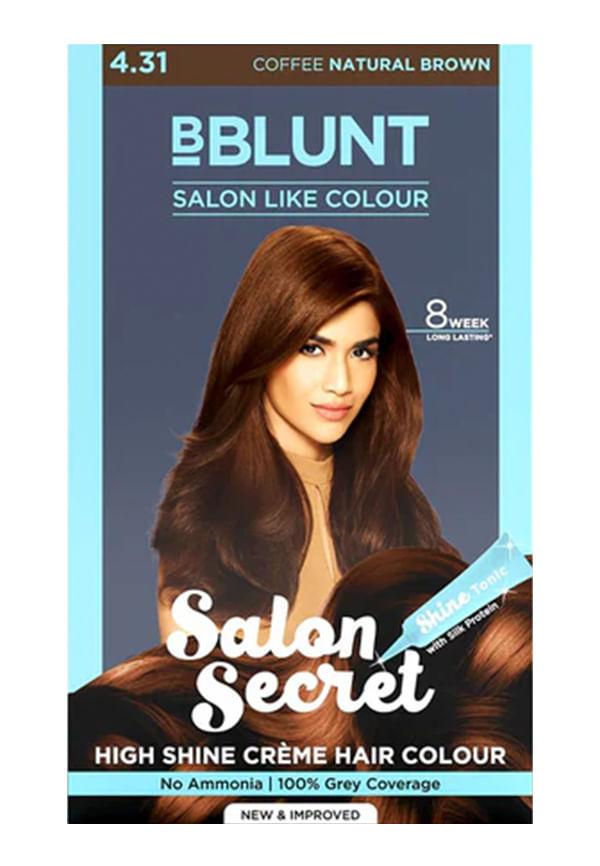
Salon Secret High Shine Conditioning Hair Colour
Ever stared at your reflection and thought, "Today's the day I finally change my hair colour"? You're not alone. Whether it's covering those first few grays, trying out a bold new shade, or just wanting a fresh look, hair colouring can feel both exciting and terrifying. The good news? With the right knowledge and approach, you can achieve gorgeous results that'll have everyone asking where you got your hair done.
Let's start with the fundamentals. Hair colouring works by opening the hair cuticle and depositing or removing pigment from the cortex. Think of your hair like a sponge – the more porous it is, the more colour it'll absorb. This is why damaged or chemically treated hair often takes colour differently than virgin hair.
Understanding your hair's porosity is crucial for getting the results you want. Low porosity hair has tightly closed cuticles and resists colour absorption, while high porosity hair drinks up colour quickly but may fade faster. You can test this by dropping a clean strand of hair into water – if it floats, you've got low porosity; if it sinks quickly, your hair is highly porous.
When it comes to hair colouring types, you've got three main options. Permanent colour contains ammonia and peroxide, lifting your natural pigment and depositing new colour that won't wash out. Semi-permanent colour coats the hair shaft without lifting natural pigment, lasting 4-6 weeks. Temporary hair color sits on the surface and washes out in one to three shampoos – perfect for experimenting with bold shades.
The decision to colour at home versus visiting a salon depends on your goals and comfort level. Simple root touch-ups or going darker are generally safe for DIY attempts. However, if you're planning a dramatic change, lightening dark hair, or correcting a previous colour mishap, a professional colorist might be worth the investment.
Safety should always be your top priority. Always perform a patch test 48 hours before colouring to check for allergic reactions. Apply a small amount of mixed colour behind your ear or on your inner elbow, and watch for any redness, itching, or swelling.
Proper preparation is half the battle when learning how to color hair at home. Start 24-48 hours before your planned colour day by washing your hair with a clarifying shampoo to remove product buildup. Avoid washing your hair the day of colouring – those natural oils will protect your scalp from irritation.
Gather all your supplies before you begin: hair dye, developer, mixing bowl, applicator brush, sectioning clips, gloves, old towels, and a timer. Set up in a well-ventilated area with good lighting, and wear clothes you don't mind staining. Apply petroleum jelly around your hairline to prevent skin staining.
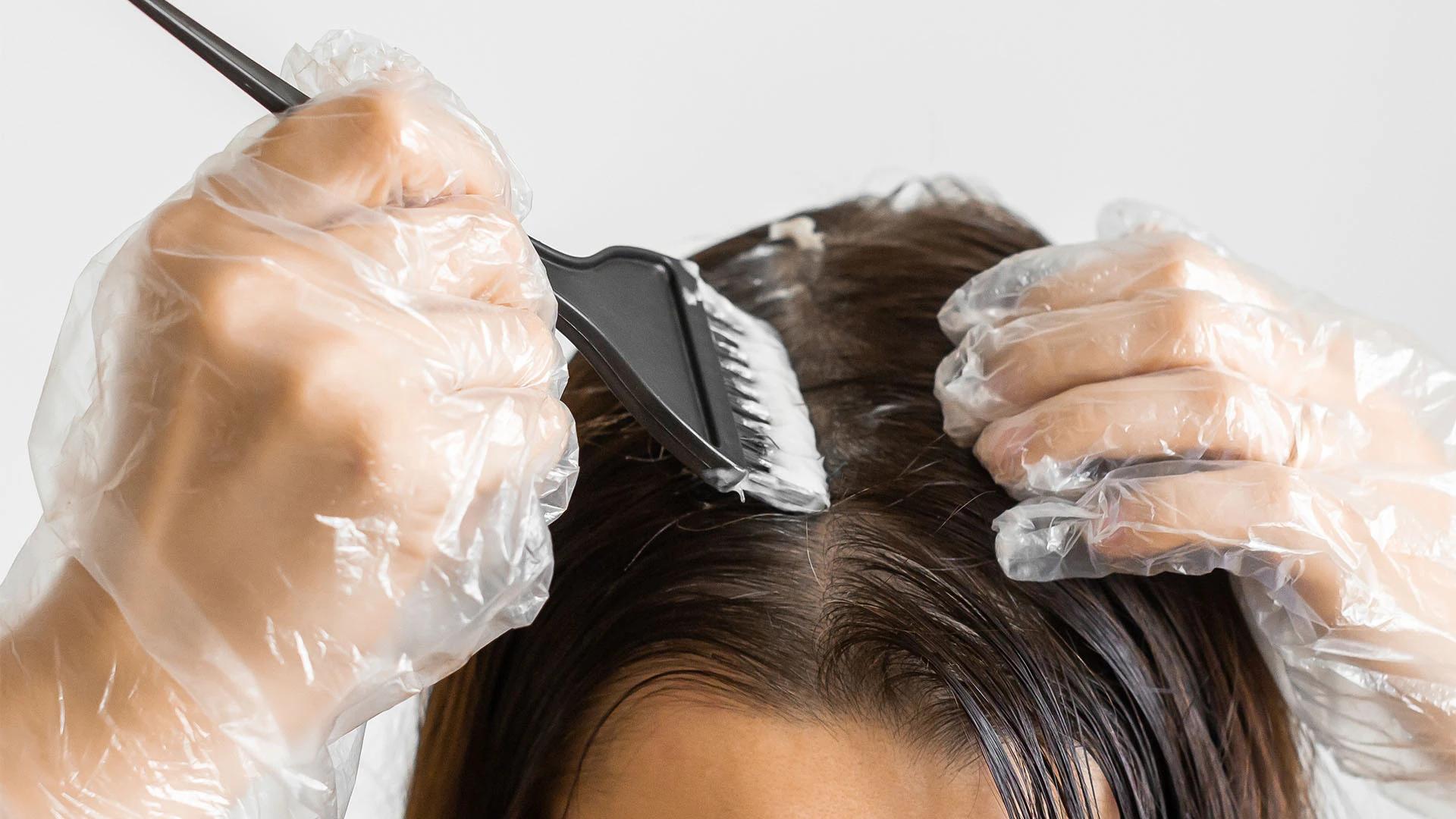
When you're ready to start, section your hair into four quadrants from ear to ear and from forehead to nape. This ensures even coverage and makes the process more manageable. Mix your colour according to package instructions – most formulas require a 1:1 ratio of colour to developer, but always check the specific requirements.
Begin application at your roots, working in small sections about half an inch wide. Apply colour generously, ensuring complete saturation from root to tip. Work systematically through each quadrant, then comb through with a wide-tooth comb to distribute colour evenly. Processing time varies by brand and desired result, but typically ranges from 20-45 minutes.
When time's up, rinse with lukewarm water until it runs clear, then shampoo with a colour-safe formula. Follow with a deep conditioning treatment to restore moisture and seal the cuticle. Your hair will be most vulnerable to damage in the first 72 hours after colouring, so treat it gently.
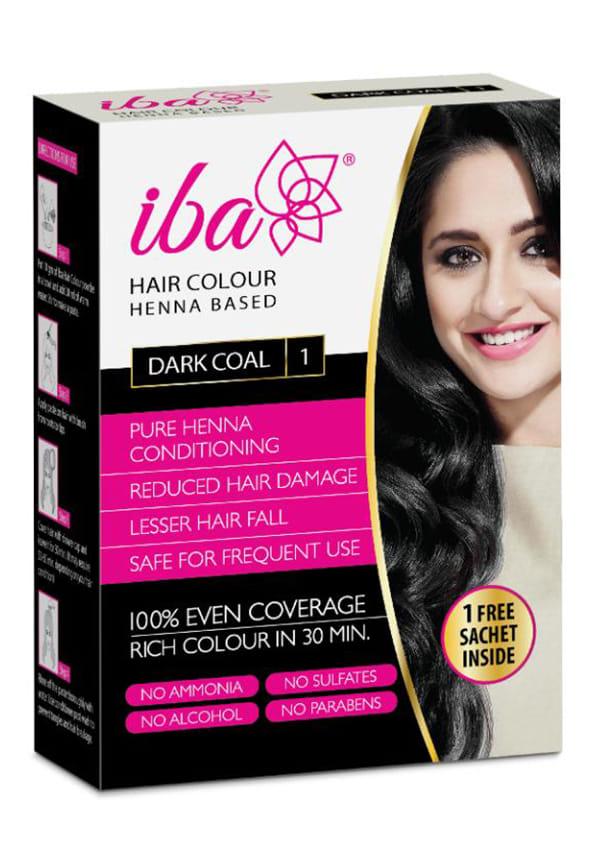
Halal Care Hair Colour
Selecting the right shade involves more than just picking your favourite colour. Your skin tone plays a huge role in how colours will look on you. Cool undertones pair beautifully with ashy blondes, cool browns, and jewel tones, while warm undertones complement golden blondes, warm browns, and copper shades.
Popular hair color techniques offer different looks for various commitment levels. Highlights and lowlights add dimension without changing your overall colour, while balayage creates a natural, sun-kissed effect with hand-painted colour placement. Ombre transitions from dark roots to light ends, and colour blocking involves distinct sections of contrasting colours for a bold, artistic look.
When it comes to hair dye brands, quality matters. Professional brands like L'Oréal Professional, Wella, and Schwarzkopf offer salon-quality results, while drugstore options like Garnier, Revlon, and Clairol provide good results at budget-friendly prices. Box dyes are convenient but offer less customisation than mixing your own colour.
For those wondering how to dye dark hair lighter, the process requires bleaching first, which can be damaging. Consider going only 2-3 shades lighter at home, or visit a professional for dramatic lightening. Dark hair can also look stunning with subtle highlights or rich, dimensional colours like chocolate cherry or espresso.
Coloring gray hair presents unique challenges because gray strands are more resistant to colour absorption. The coarse, wiry texture of gray hair means you'll need longer processing times and possibly stronger formulas. Look for colours specifically designed for gray coverage, which typically contain more pigment.
For stubborn grays, consider pre-softening treatments that open the cuticle before colour application. Some colorists recommend applying colour to gray areas first, allowing extra processing time before covering the rest of your hair. Root touch-up products are lifesavers between full colour sessions – choose a shade that matches your overall colour, not just your roots.
If you have sensitive scalp conditions, approach hair colouring with extra caution. Those with seborrheic dermatitis should avoid colouring during flare-ups and choose ammonia-free formulas when possible. Post-chemotherapy hair is often more fragile and porous, so start with semi-permanent colours and always consult your healthcare provider first.
Natural alternatives like henna can provide colour without harsh chemicals, though results may be unpredictable on previously chemically treated hair. Always strand test first, especially when combining natural and commercial products.
Proper hair color maintenance starts immediately after colouring. Use colour-safe shampoos and conditioners formulated to preserve pigment and prevent fading. Wash less frequently – every 2-3 days instead of daily – and use dry shampoo between washes to absorb oil without stripping colour.
Heat styling accelerates colour fading, so use heat protectant products and lower temperature settings when possible. UV rays also break down hair pigment, making colour-protecting sprays with SPF essential for sunny days or beach holidays.
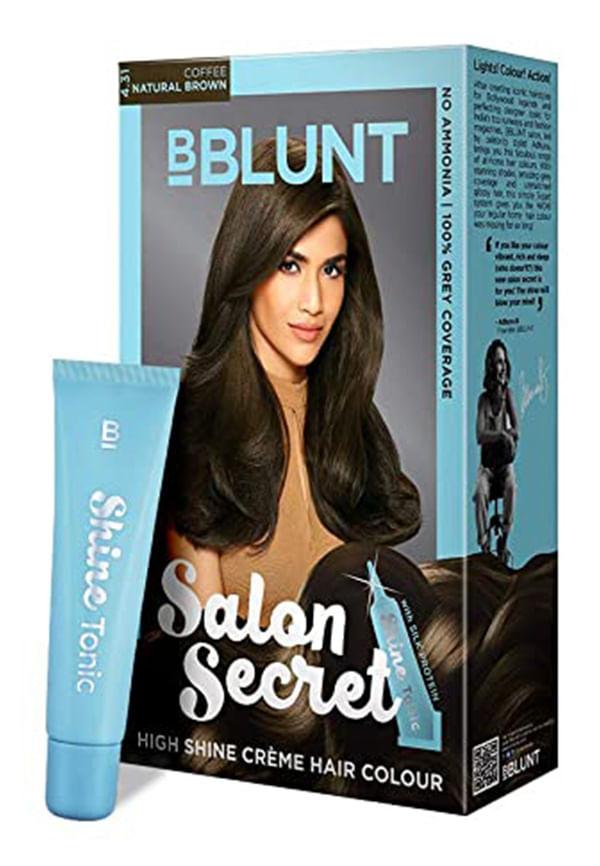
Salon Secret High Shine Crème Hair Colour
Root touch-ups become necessary every 4-6 weeks for permanent colour, depending on your hair growth rate and colour choice. Temporary hair color options like colour sprays, chalks, or wash-out mousses are perfect for special events or testing new shades before committing.
When colour problems arise – like brassiness in blonde hair or uneven fading – purple shampoos can neutralise yellow tones, while colour-correcting treatments can help even out patchy results. For major colour disasters, it's best to consult a professional rather than attempting multiple corrections at home.
Natural hair colouring methods have gained popularity among those seeking chemical-free options. Henna provides rich red and brown tones while conditioning the hair, though it can be permanent and difficult to remove. Pure henna mixed with water creates a paste that's applied like traditional hair dye and left on for several hours.
Coffee and black tea rinses can temporarily darken hair and add subtle brown tones. Brew a strong solution, let it cool, and pour over clean hair as a final rinse. Chamomile tea can gradually lighten blonde hair with repeated use, while beetroot juice adds temporary red tints.
Lemon juice mixed with water and applied before sun exposure can create natural highlights in light hair, though this method can be drying. Always follow with deep conditioning treatments when using citrus-based lightening methods.
While natural methods are gentler, they're also less predictable and may require multiple applications for noticeable results. They work best on light, porous hair and may not provide dramatic changes on dark or resistant hair types.
The complete process involves patch testing 48 hours prior, preparing your workspace and hair, sectioning hair into four quadrants, mixing colour according to instructions, applying from roots to ends in small sections, processing for the recommended time, rinsing thoroughly, shampooing with colour-safe products, and conditioning deeply. Post-colour care includes using colour-protecting products and avoiding heat styling for the first 72 hours.
Safety starts with reading all instructions thoroughly and performing a patch test. Work in a well-ventilated area, wear gloves throughout the process, and protect your skin with petroleum jelly around the hairline. Never leave colour on longer than recommended, and if you experience any burning or severe irritation, rinse immediately and discontinue use.

Round Hair Brushfor Adding Curls, Volume & Waves In Hairs| Men and Women| All Hair Types, Color May Vary (R2-RB)
Those with scalp conditions should consult a dermatologist before colouring. Generally, avoid colouring during active flare-ups of conditions like eczema or psoriasis. Choose gentle, ammonia-free formulas when possible, and consider semi-permanent options that are less harsh than permanent colours.
Look for ammonia-free, PPD-free formulas specifically designed for sensitive scalps. Brands like Clairol Natural Instincts, L'Oréal Excellence Crème, and Garnier Olia offer gentler options. Semi-permanent and temporary colours are generally less irritating than permanent formulas.
For permanent colour, touch up roots every 4-6 weeks and refresh the overall colour every 8-12 weeks. Semi-permanent colour can be reapplied every 4-6 weeks as it fades. Avoid overlapping colour on previously treated hair to prevent damage and colour buildup.
Don't panic or immediately try to fix it with another colour application. Wait at least 48 hours before attempting any corrections. For minor issues like brassiness, try a toning shampoo. For major problems like uneven colour or dramatic colour mistakes, consult a professional colorist who can safely correct the issue.
Use deep conditioning treatments weekly, avoid overlapping colour on previously treated hair, don't colour damaged or over-processed hair, follow processing times exactly, and use heat protectant products when styling. Regular protein treatments can help strengthen coloured hair.
Yes, but the results depend on your current colour and desired outcome. Going darker is generally easier than going lighter. If you want to go significantly lighter, you may need colour removal or bleaching first. Always strand test when colouring over previous colour to predict results.
Mastering how to color hair takes practice, patience, and the right products. Whether you're covering grays, trying a bold new shade, or just refreshing your current colour, understanding the basics of hair colouring will help you achieve better results and avoid common mistakes. Remember that hair colouring is both an art and a science – what works for your friend might not work for your hair type and condition.
The key to successful hair colouring lies in choosing quality products that suit your specific needs and hair type. Smytten's curated selection includes top hair dye brands and colour-care products from trusted names in the beauty industry, with India-wide delivery and cashback options making it easier to find your perfect match. Not sure which hair colour formula works best for your hair type? Smytten also offers trial-size versions of many hair care products – a smart way to test colour-protecting shampoos and treatments before committing to full-size bottles.
